Translating Field Realities into Policy Action to Fight Child Malnutrition
In Bohol, where island barangays and mountainous interiors often separate families from timely health care, the journey toward Universal Health Care requires leaders to walk alongside the most vulnerable.
On September 2, 2026, Bohol Governor Erico Aristotle “Aris” Aumentado and the Provincial Health Office (PHO) team completed an intensive field immersion known as a Deep Dive. A core component of ZFF’s Bridging Leadership, the Deep Dive pushes local chief executives and health officers to step out of executive offices and witness systemic health challenges through the eyes of local stakeholders.
This immersion follows the Provincial Leadership Health Development Program (PLHDP) Module 1 training held in Mandaue City, Cebu, co-organized by ZFF, the Department of Health–Central Visayas (DOH-7), University of the Philippines Cebu, and Cebu Normal University. “We cannot transform if we are not aware of the gaps and realities on the ground,” Governor Aumentado emphasized during the executive session.
Opening the immersion orientation, Provincial Health Officer Dr. Fruserma Mary A. Uy outlined Bohol’s current nutrition profile. While the province has made steady strides in maternal and child health, persistent gaps remain. Data from 2024 through mid-2026 shows stunting rates hovering near 5%, underweight cases exceeding 2%, and a subtle rise in child obesity.
To see what those numbers mean in daily life, Governor Aumentado and the provincial health team visited three households struggling with severe undernutrition in Barangay Tapon, Ubay. In one home, a father’s meager earnings as a tricycle driver meant meals were irregular and nutrient-deficient–a clear look at how economic instability directly drives health inequities.
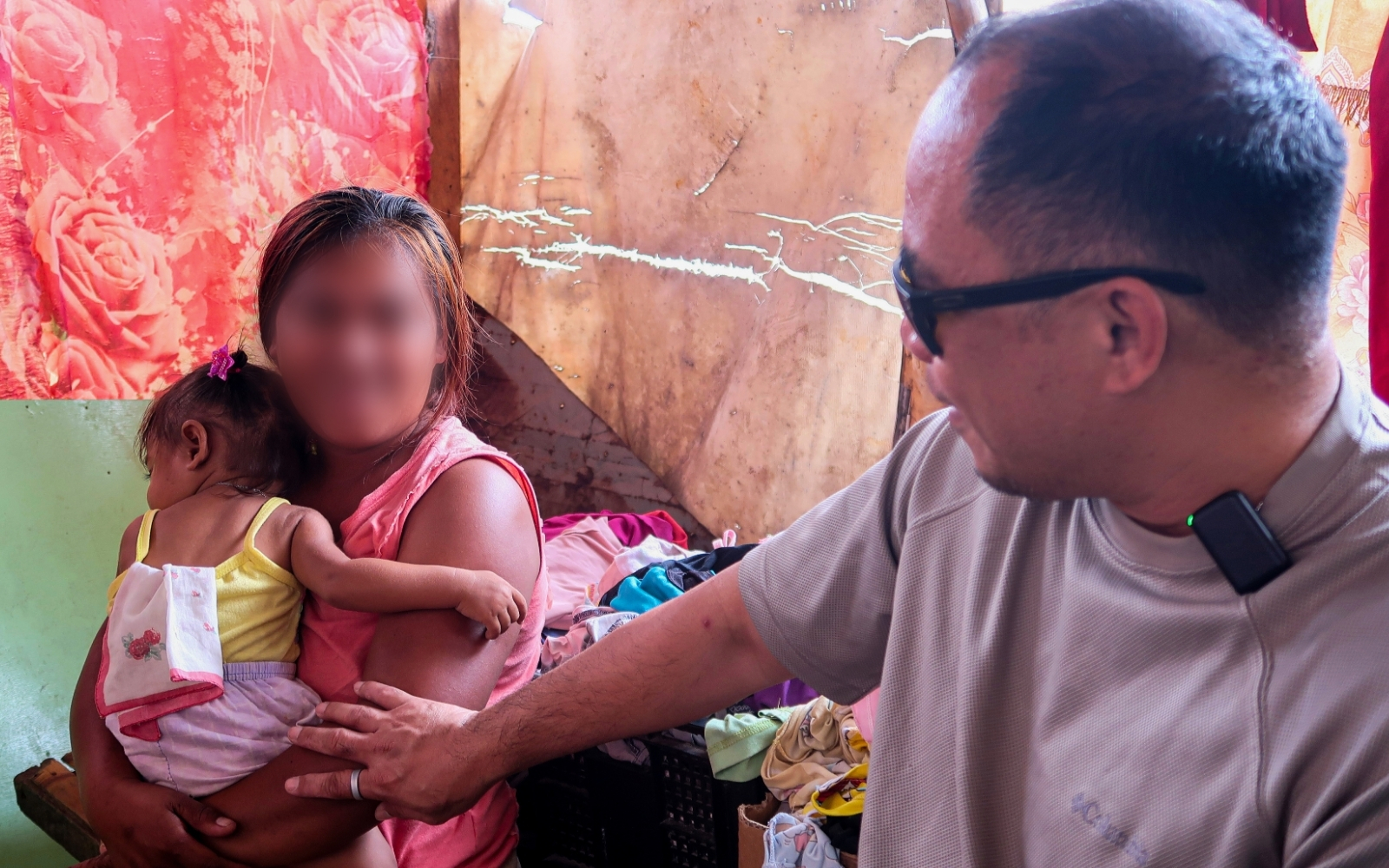 Photo above: Deep Dive proper
Reflecting on the experience, Governor Aumentado acknowledged that social protection programs often fail because they lack validation from community realities. Moving forward, he pledged to restructure provincial strategy by delivering direct livelihood support to individual vulnerable households rather than relying solely on group-level grants.
He also targeted the province’s fragmented feeding initiatives, proposing a unified, targeted approach that pools resources from the Department of Social Welfare and Development (DSWD), Department of Education (DepEd), Office of Provincial Social Welfare and Development (OPSWD), and local municipal units.
“If it is a meal, well-prepared, well-thought of, studied talaga for a month, focused on these pupils in one or two schools, then at the end we measure the output. We pool resources, focus on where the problem is highest. That’s the broad stroke of the program we should get started on,” he explained.
PHO Dr. Uy added that tackling undernutrition requires addressing its root drivers: “Malnutrition is just the tip of the iceberg. We will sustain our gains, adopt best practices from neighboring provinces, and move forward with a clearer direction.”
Austere A. Panadero, President and Executive Director of ZFF, framed the immersion’s broader lesson: “Health was our entry point but clearly, there are more issues to solve. Nakita natin na importante ang kalusugan, kaalaman, at kabuhayan.”
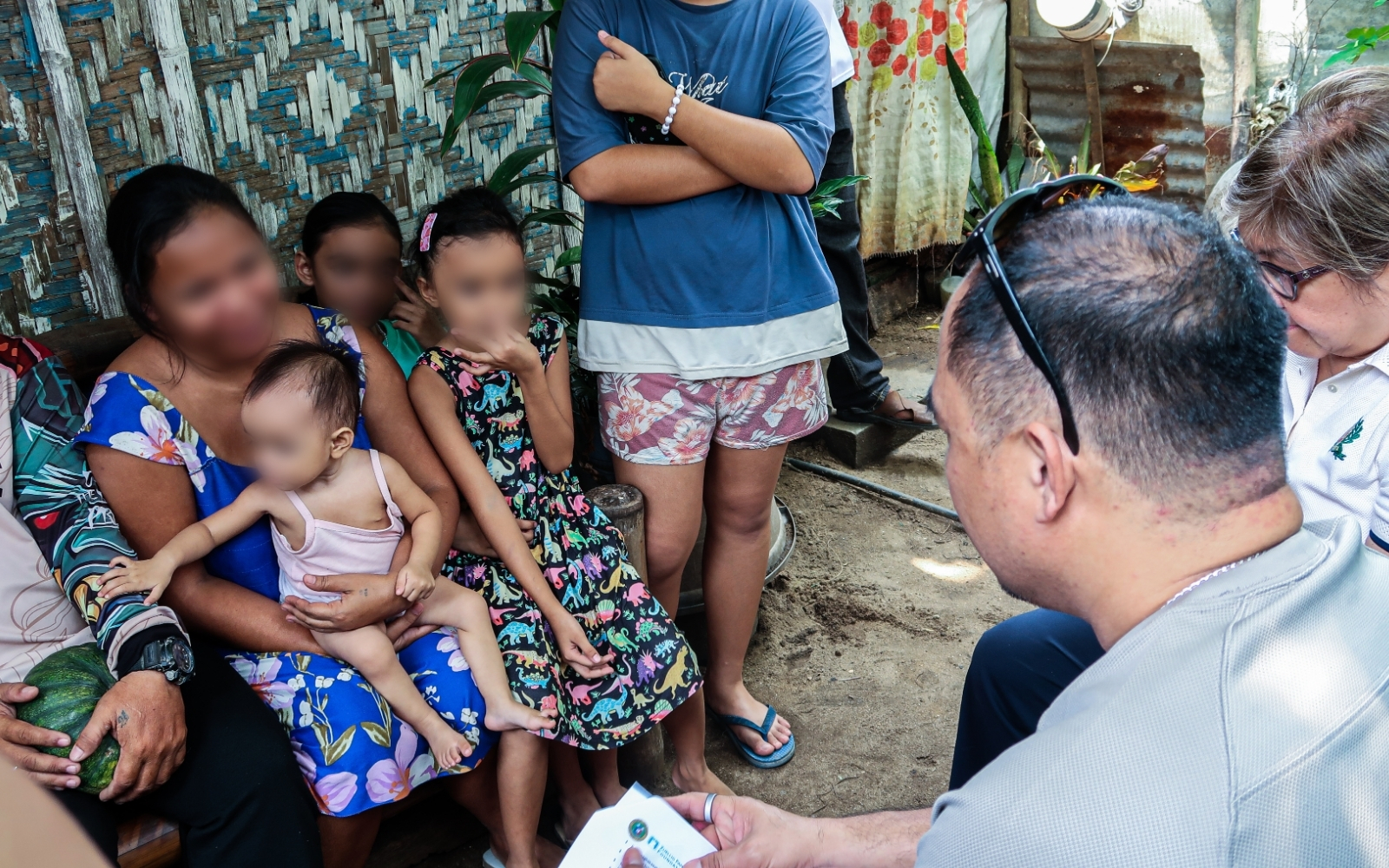 Photo above: A former Barangay Nutrition Scholar shares their struggles as a family during the Deep Dive.
The Bohol team will reconvene in November 2026 for the BMLGP Module 2 training to refine the provincial health roadmap. Governor Aumentado closed the session with a statement of resolve, affirming his commitment to prioritize child nutrition and ensure that no family is left behind.
Baguio City Raises the Bar for Universal Health Care, Turning Growth into Greater Impact
Zuellig Family Foundation (ZFF)’s Executive Dialogue with Baguio City highlights how the city’s health system transformation is creating new opportunities to strengthen primary health care, deepen partnerships, and improve access for every community.
Photo above: Baguio City Mayor Benjamin Magalong personally thanks ZFF Chairman Dr. Manuel Dayrit for his guidance, which helped transform the city’s frustrations into renewed motivation for its UHC journey.
“What we discovered today is that Baguio City has experienced massive organizational growth in just a few years. There has been growth in the budget, growth in human resources for health, and growth in population access to health services and the capacity of District Health Centers to provide care. What this tells me is that while your organization and capacity are growing, you are also uncovering more needs. As the Mayor said, ‘Hindi pa natin naaabot lahat.’ You are growing and increasing your budget, but as you grow, you continue to uncover more needs. Umaangat nang umaangat ang accomplishment ninyo, but the bar keeps getting higher.”
This was the central message of Dr. Manuel Dayrit, ZFF Chairman, during the Executive Dialogue with Baguio City officials as they reflected on the city’s continuing journey toward Universal Health Care (UHC).
Despite these remarkable gains, city officials acknowledged that many families living in pockets of poverty continue to face barriers in accessing quality health care. The discussion reflected both the accomplishments and the persistent challenges of local leaders committed to making UHC a reality.
Related articles:
- The Universal Health Care Journey in Benguet and Baguio: Celebrating Gains, Navigating Hurdles
- Mayor Magalong Completes ‘Deep Dive’ to Assess Baguio Health System
The Challenge of Translating Policy into Impact
Baguio City Mayor Benjamin Magalong observed that while national health reforms have expanded policy guarantees and strengthened people’s entitlement to health services, these commitments have also raised public expectations. Local governments, however, often face the challenge of translating national policies into tangible improvements on the ground, where implementation requires time, resources, and sustained collaboration. As a result, communities may become frustrated when the benefits envisioned by policy are not immediately realized.
Echoing the Mayor’s observations, City Councilor Hon. Elmer Datuin shared his experience in facilitating guarantee letters for indigent patients seeking access to health services. While the city has continuously worked to bridge health inequities through local legislation and financial assistance, he acknowledged that reaching every marginalized family remains a challenge.
He also noted Baguio City’s legislative gains in advancing public health, including ordinances supporting non-communicable disease (NCD) prevention through alcohol and liquor regulation, anti-smoking and anti-vaping measures, and the city’s ongoing efforts to strengthen healthy procurement systems.
PhilHealth’s Perspective: Financial Protection and Its Limits
Offering the perspective of the Philippine Health Insurance Corporation (PhilHealth), Dr. Glenn Lamsis acknowledged the frustration expressed by Baguio City leaders over the continuing challenge of reaching the city’s most marginalized communities. He recognized that despite the collective efforts of national agencies and the local government, some families continue to face barriers in accessing the health services they need.
Dr. Lamsis explained that PhilHealth’s primary role in UHC is to provide financial risk protection by reducing the financial burden of seeking health care. While financial risk protection is essential, he noted that it cannot, by itself, address the broader challenge of poverty.
He said, however, that PhilHealth continues to strengthen its benefit packages to narrow existing gaps. From initially covering 21 medicines, PhilHealth has expanded its formulary to 75 medicines, enabling more patients to receive medicines for many common illnesses at no cost. While not every medicine is included, medicines covered under the approved benefit package are provided free to eligible members.
Recognizing that UHC is a shared responsibility, Dr. Lamsis reaffirmed PhilHealth’s commitment to supporting Baguio City through technical assistance and by reimbursing eligible services within existing policy guidelines as the city continues to strengthen its local health system.
Rethinking Progress: From Frustration to Motivation
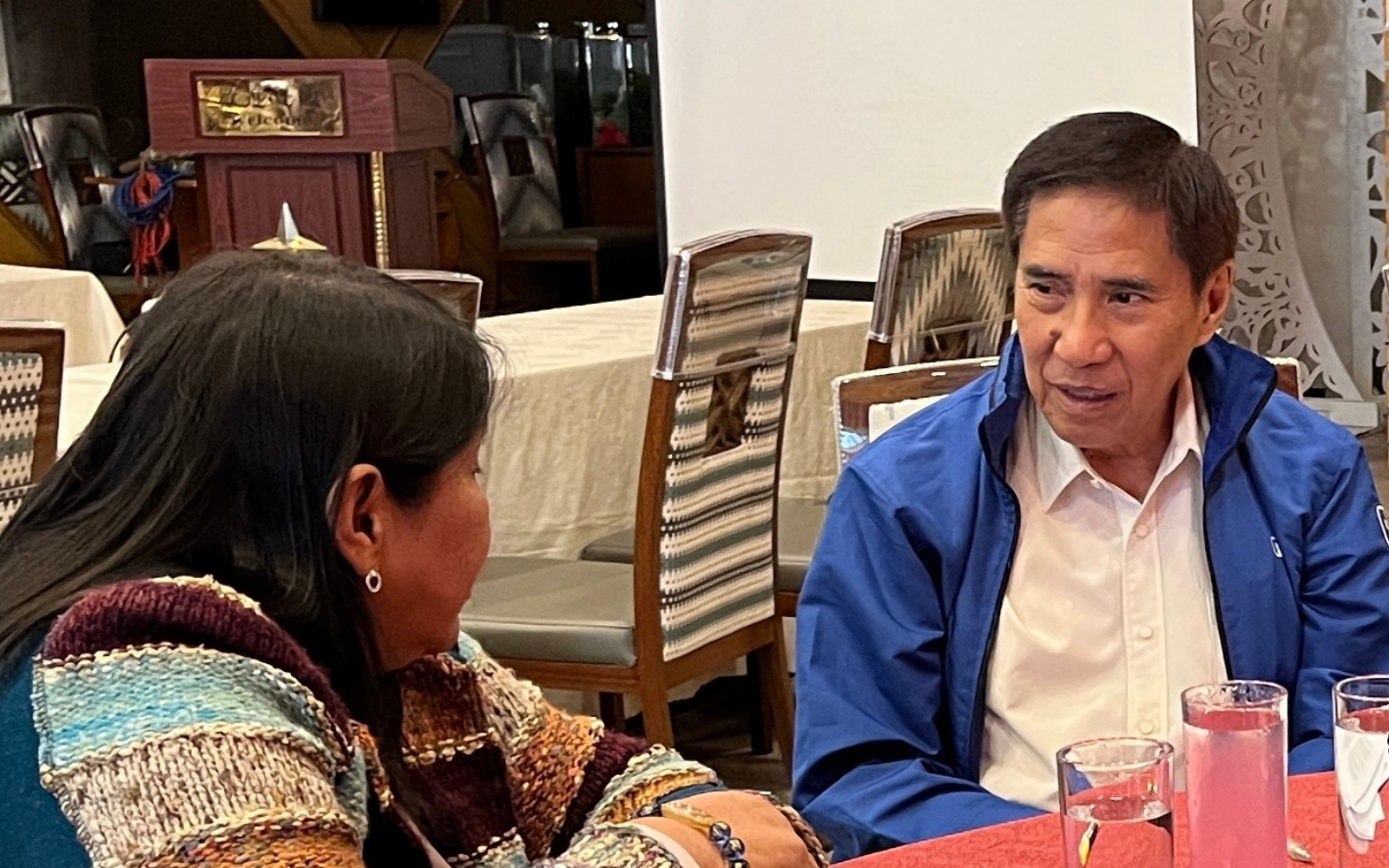 Photo above: Dr. Dayrit huddles with Baguio City Health Officer Dr. Celia Flor Brillantes to map out actionable next steps for strengthening primary care and expanding partnerships across Baguio’s health system.
Building on these perspectives, Dr. Dayrit explained that the relationship between national policies and local implementation often produces both intended and unintended effects.
While UHC reforms are designed to expand access to individual health services, one unintended effect is that local governments devote considerable time and resources to meeting implementation requirements, leaving less capacity for community-based health promotion and disease prevention.
Rather than waiting for policies to evolve, he encouraged Baguio City to continue innovating, thinking beyond conventional approaches, and co-creating solutions with partners who share the same vision for healthier communities.
“The best way forward is to think outside the box. Work with others who share the same goal of improving people’s health.”
While the dialogue covered operational updates and implementation challenges, its defining moment came when Dr. Dayrit reframed the city’s frustrations as evidence of progress.
Dr. Dayrit emphasized that Baguio’s frustrations should not be viewed as signs of failure, but as evidence that its health system is maturing. As services expand, expectations naturally rise, hidden gaps become more visible, and the standard for success continues to move higher.
The familiar Filipino expression, “Malayo na, pero malayo pa,” is often heard in conversations about UHC. While it reminds us that much work remains, it can also overshadow the remarkable progress that has already been achieved. Dr. Dayrit challenged the city to embrace both realities—to celebrate its gains while remaining committed to continuous improvement.
Mayor Magalong welcomed this perspective, sharing that the discussion transformed his frustration into renewed motivation. “When we create solutions to one problem, new problems emerge. It is a continuous process that requires us to keep innovating. It is our responsibility to continue finding solutions. And, of course, our greatest virtue here is always patience.”
A Collaborative Platform for Reflection and Action
The Executive Dialogue was held on July 3, 2026, in Baguio City as part of ZFF’s Bayang Malusog Leadership and Governance Program (BMLGP). It brought together members of the Local Health Board headed by Mayor Magalong and co-chaired by City Health Officer Dr. Celia Flor Brillantes, alongside representatives from the Department of Health-Center for Health Development Cordillera Administrative Region (DOH-CHD CAR) led by Regional Director Dr. Amelita Pangilinan, PhilHealth represented by Dr. Glenn Lamsis, and ZFF headed by Dr. Dayrit.
Rather than simply reporting accomplishments, the Executive Dialogue created a space for national and local leaders to reflect on Baguio City’s UHC journey, openly discuss implementation challenges, and identify collaborative strategies for further strengthening the city’s health system.
In his closing message, Mayor Magalong appealed to DOH and PhilHealth to continue listening to the experiences and insights of local government implementers, emphasizing that the realities on the ground provide valuable lessons for strengthening national policies.
Dr. Dayrit likewise encouraged Baguio City to identify more “force multipliers” through strategic partnerships that can strengthen health promotion efforts. As the city continues its transition toward a primary health care-oriented system, initiatives such as YAKAP have understandably required significant organizational focus. Expanding partnerships, he noted, will help ensure that health promotion remains a strong pillar of the city’s health agenda.
Echoing this recommendation, Regional Director Dr. Amelita Pangilinan encouraged the city to further strengthen partnerships with private health facilities, intensify its health promotion and information campaign, and continue transforming District Health Centers into fully functional one-stop shops by maximizing reimbursements from the YAKAP package.
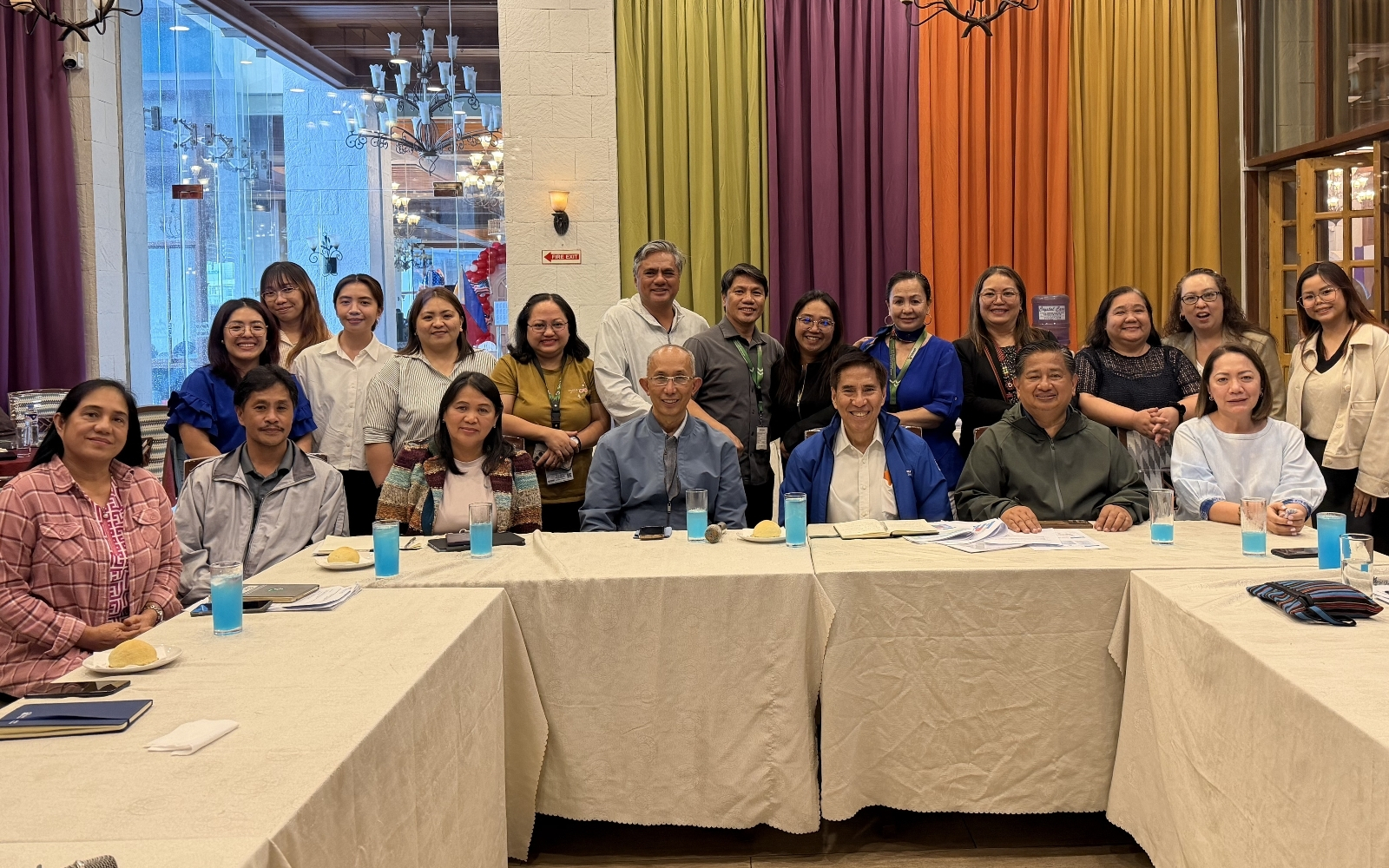 Photo above: Participants stand together after the Executive Dialogue, reaffirming their collective resolve to turn Baguio’s growing capacity into tangible health gains.
Baguio’s UHC Milestones: A Model for Transformation
Baguio City’s experience demonstrates that implementing UHC is not simply about complying with national policies. It is about continuously strengthening institutions, investing in people, learning from implementation, and responding to the changing needs of communities.
As one of the country’s pilot sites for UHC, Baguio has become a model for local health system transformation:
- In 2025, the city achieved 100% of the DOH’s Local Health System Maturity Level, reflecting full compliance with the preparatory, organizational, and functional requirements for UHC implementation.
- For its primary care facilities, the city secured a DOH License to Operate and obtained PhilHealth accreditation as a YAKAP provider, along with other PhilHealth benefit packages.
- It expanded its human resources for health and upgraded plantilla positions.
- It fully implemented the Magna Carta for Public Health Workers.
- It developed one of the country’s pioneering locally developed health information systems through the Baguio Medical Record System (BMRS).
These milestones demonstrate that Baguio is not merely keeping pace with health reform. It is helping shape its future. The Executive Dialogue affirmed that progress is not measured by the absence of challenges, but by the willingness to confront increasingly complex ones.
As Dr. Dayrit reminded the city, growth inevitably uncovers more needs and raises the bar even higher. For Baguio, this is not a setback, but a sign that its health system is moving in the right direction.
Author: Joan Kidatan, ZFF BMLGP Associate
Branches of Hope: A Mayor’s Story of Jamindan, Capiz
For years, Mac Artur Luces Valdemar carried the weight of public service with him, as a son, a pharmacist, and a mayor trying to respond to the needs of his people.
As a former mayor of the municipality of Jamindan in Capiz, he shares that a turning point in his leadership came when he participated in the Municipal Leadership and Governance Program (MLGP) from 2017 to 2019, a collaborative initiative implemented by the Department of Health (DOH), the University of the Philippines Visayas (UPV), and the Zuellig Family Foundation (ZFF). What began as just an effort to look into the local health system of the municipality became a deeper learning journey that reshaped how he understood leadership, governance, and service.
“I joined MLGP hoping to improve our local health programs,” Valdemar said. “But I left with so much more than tools and templates.” MLGP challenged him to work differently—with partners, communities, and institutions—teaching him to lead not from above, but beside the people he served. This approach, part of the Bridging Leadership framework, became central to how he governed Jamindan.
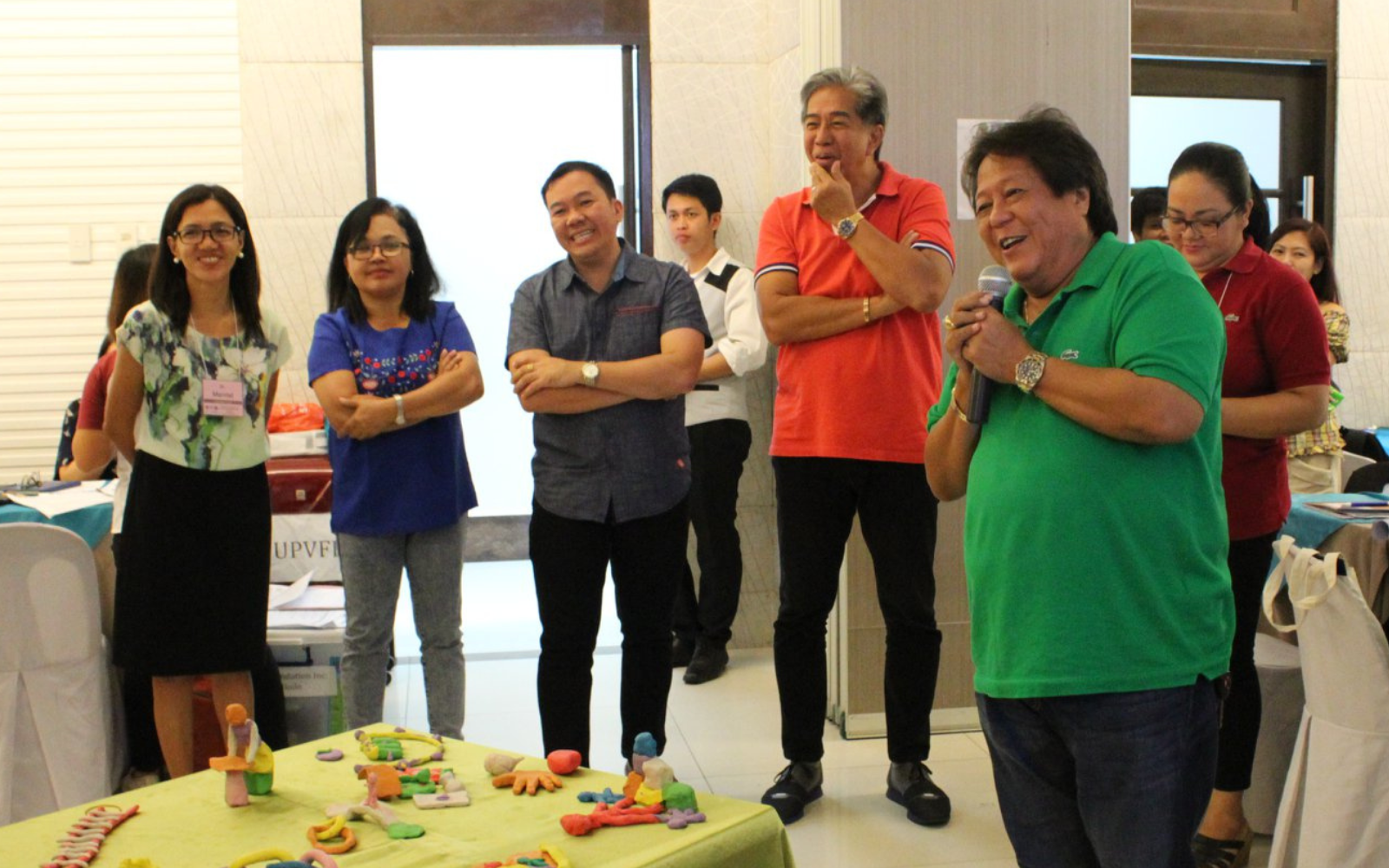
Jamindan’s identity, he often explained, is rooted in story and memory. Local lore traces the town’s name to Chieftain Amindan and the Hamindang Tree. According to elders, the tree grew from an act of sacrifice made to protect the community. Over time, it stood as a living marker of strength, endurance, and collective responsibility. From the name “Hamindang” came “Jamindan,” a reminder that the town was built not by one person, but through shared struggle and care. Like the tree that withstood storms and seasons, Jamindan grew slowly—nurtured by the hands of generations.
This story shaped how Valdemar viewed leadership. Jamindan, a landlocked first-class municipality in Capiz, is composed of 30 barangays and around 40,000 people, many living in far-flung and mountainous areas. It is home to Panay Bukidnon indigenous communities whose traditions continue to guide community life. To him, every Jamindanganon was like a branch, leaf, or root of the Hamindang Tree—each playing a role in keeping the whole strong.
When he assumed office in 2016, the health data revealed painful realities. Several barangays had no functioning health stations. Families lived with hypertension and diabetes without steady access to medicine. Animal bite cases were high, maternal care was limited, and undernutrition among children was widespread. “These weren’t just statistics,” he said. “These were stories of suffering.” His MLGP learning helped him see the numbers as human lives needing care and attention.
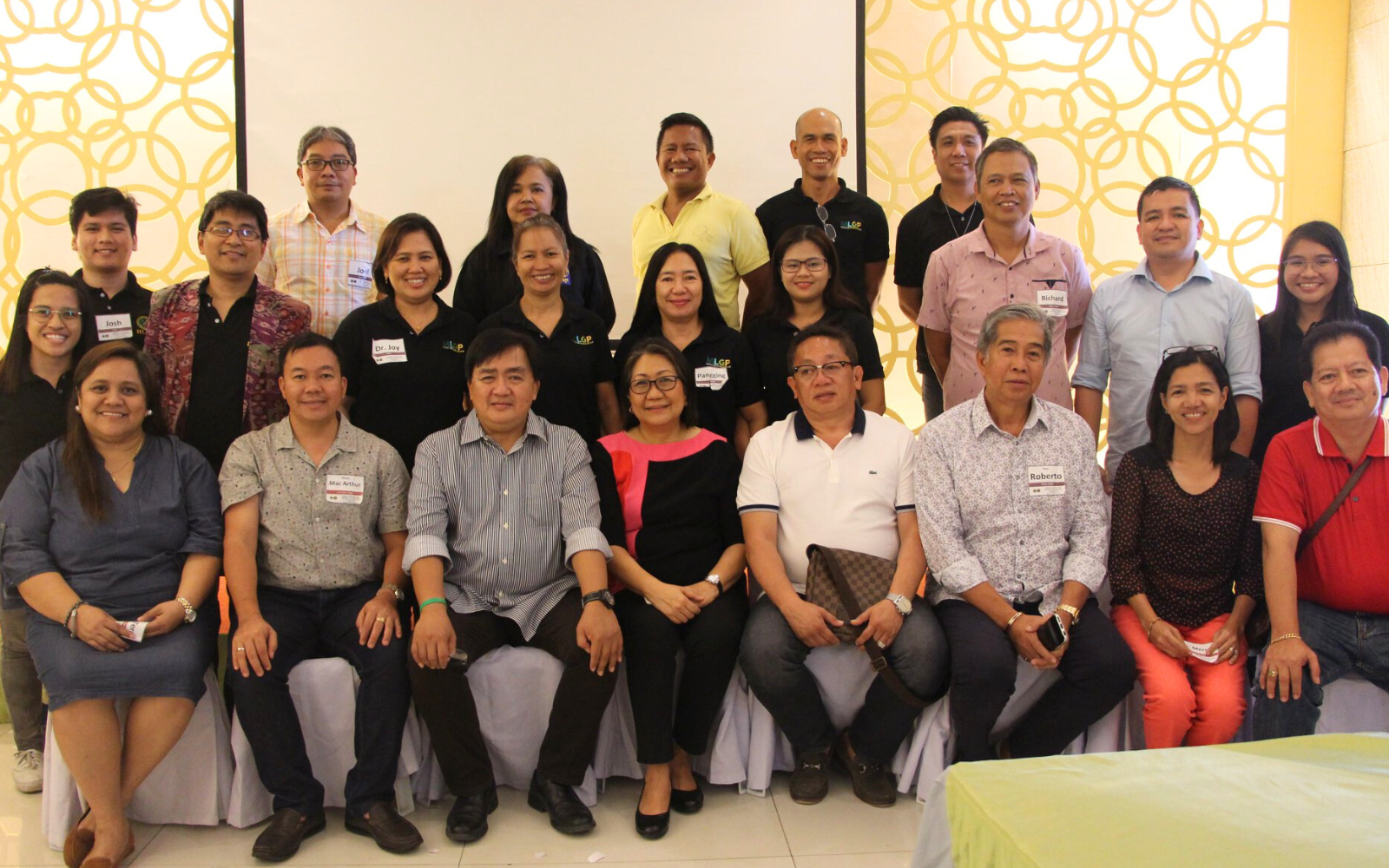
Guided by the MLGP roadmap, the local government placed health at the center of its work. Valdemar often returned to a simple belief: “Kalusugan ay kayamanan. Serbisyong makatao, para sa tanan.” Under this lens, Jamindan invested in health facilities and services that reached even the most remote communities. Barangay Health Stations were built and rehabilitated, and the province’s first licensed Municipal Primary Care Facility was established. Ongoing projects such as the birthing clinic and Super Rural Health Unit II were designed to serve geographically isolated and disadvantaged areas, including indigenous barangays.
Health services became more accessible and more humane. Free consultations, laboratory tests, maintenance medicines, and X-ray services were offered. A dedicated Animal Bite Treatment Center, opened in December 2020, began providing free anti-rabies vaccination. “No patient in Jamindan should skip treatment because of poverty,” Valdemar said, echoing a principle he linked back to his MLGP experience.
The influence of MLGP extended beyond health. The same data-driven and participatory approach guided programs in disaster preparedness, social protection, education, agriculture, and livelihood. Through the Serbisyong Makatao Program, a wide range of government services—from medical and dental care to legal assistance and civil registration—were brought directly to communities, free of charge. Each activity, he shared, felt “like a fiesta,” because it strengthened trust and reminded people that the government could be present and caring.
“The true measure of our success lies in the stories of our people,” he said—stories of mothers who now receive prenatal care close to home, children who stay in school because they are fed and vaccinated, and senior citizens who finally have access to free medicines.
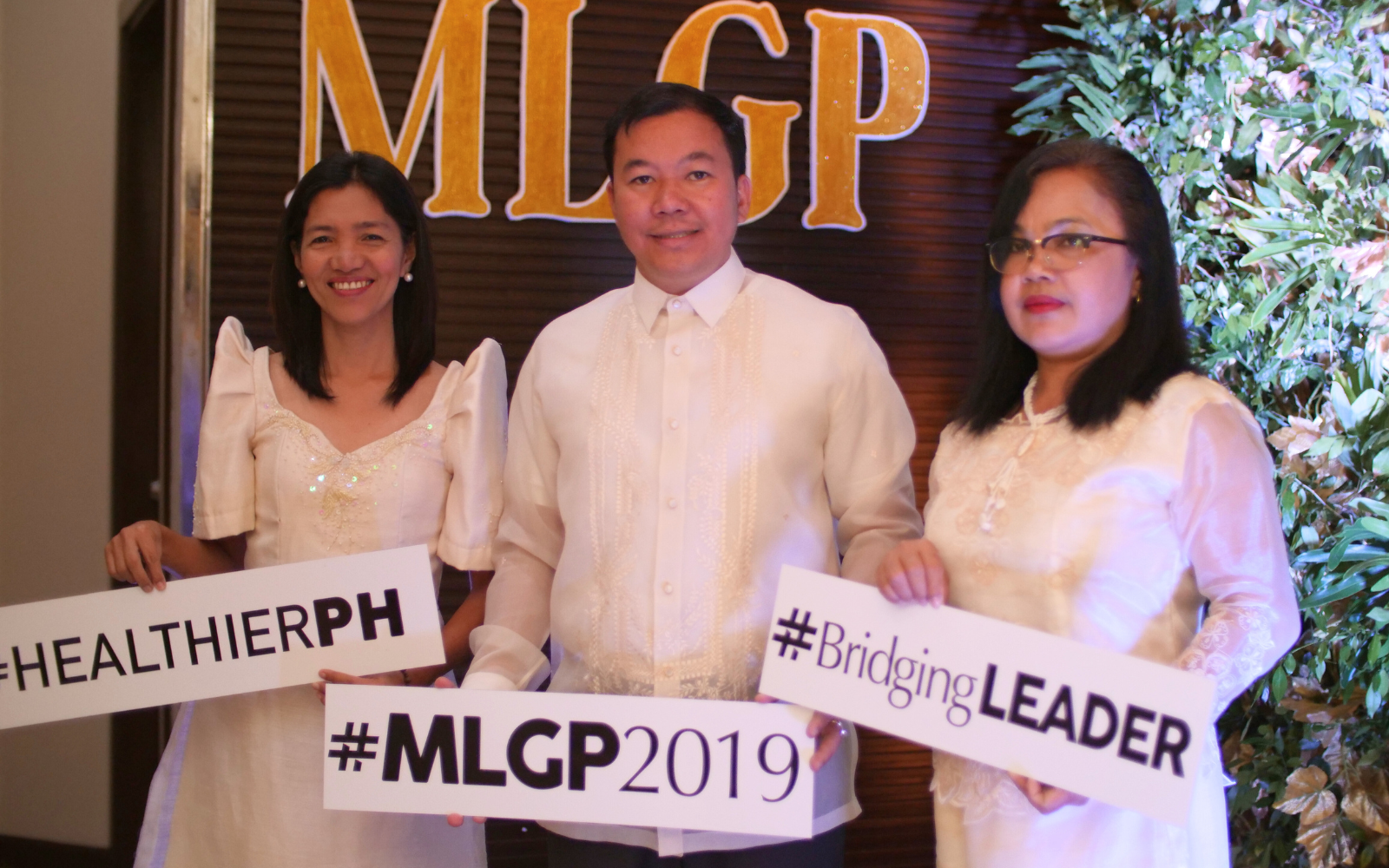
As he concluded his term, he reflected on what his MLGP journey helped make possible. “We are not leaving unfinished business,” he said. “We are leaving behind a system, a culture, and a people who now know what responsive governance looks like.” For him, MLGP was the foundation that strengthened his belief that health is not a privilege, but a right.
He continues to hold on to a vision of Jamindan much like the Hamindang Tree—deeply rooted, inclusive, and resilient. A place where no mother fears childbirth, every senior lives with dignity, and every child grows up healthy. It is a vision guided by the lessons he carries from his engagement with MLGP.
Healthy Beginnings, Stronger Tomorrows: Pook Malusog Community of Practice Conference 2025
The Zuellig Family Foundation (ZFF) continues to promote shared learning and collaboration through the Pook Malusog Community of Practice (CoP), a platform that enables local government units (LGUs) to exchange experiences, innovations, and lessons on nutrition leadership and governance.
Held on October 7, 2025, this year’s conference, themed “Healthy Beginnings, Stronger Tomorrows: Advancing Nutrition Resilience from the First 2,000 Days and Beyond,” gathered local chief executives, local legislative council members, health and nutrition action workers, volunteers, private sector partners, representatives from the academe, and national government agencies, including Regional Nutrition Program Coordinators of the National Nutrition Council.
Participants from the five alumni provinces of the Pook Malusog Provincial Nutrition Governance Program (PNGP), Siargao Islands, and Manila shared how leadership and governance can build sustainable nutrition systems that remain strong despite political changes and crises.
The program featured three main plenary discussions and breakout learning sessions:
- Generating Sustained Political Commitment for Nutrition. Shared experiences from the PNGP cohort (Northern Samar, Samar, Basilan, Zamboanga del Norte, and Sarangani) on translating political will into institutionalized systems. This panel discussion highlighted key leadership acts that established institutional arrangements, policies, and plans and budgets that enabled these provinces to reduce malnutrition prevalence and strengthen mechanisms to sustain these improvements on the ground.
- Building Resilient Nutrition Systems, the TRANSFORM (Transdisciplinary Approach for Resilient and Sustainable Communities) Experience. Showcased how leaders in Siargao Islands, Surigao del Norte and the Caraga Region strengthened resilience through people-centered, data-driven approaches, noting that resilience is a continuous process of transformation.
- Beyond the First 1,000 Days, Seamless Pathways to the First 2,000 Days. Featured the municipality of Malungon, Sarangani and the provinces of Basilan and Sarangani, responding to what’s next after F1KD efforts, centering on Early Childhood Care and Development (ECCD) in ensuring continuity of care and support for children beyond infancy.
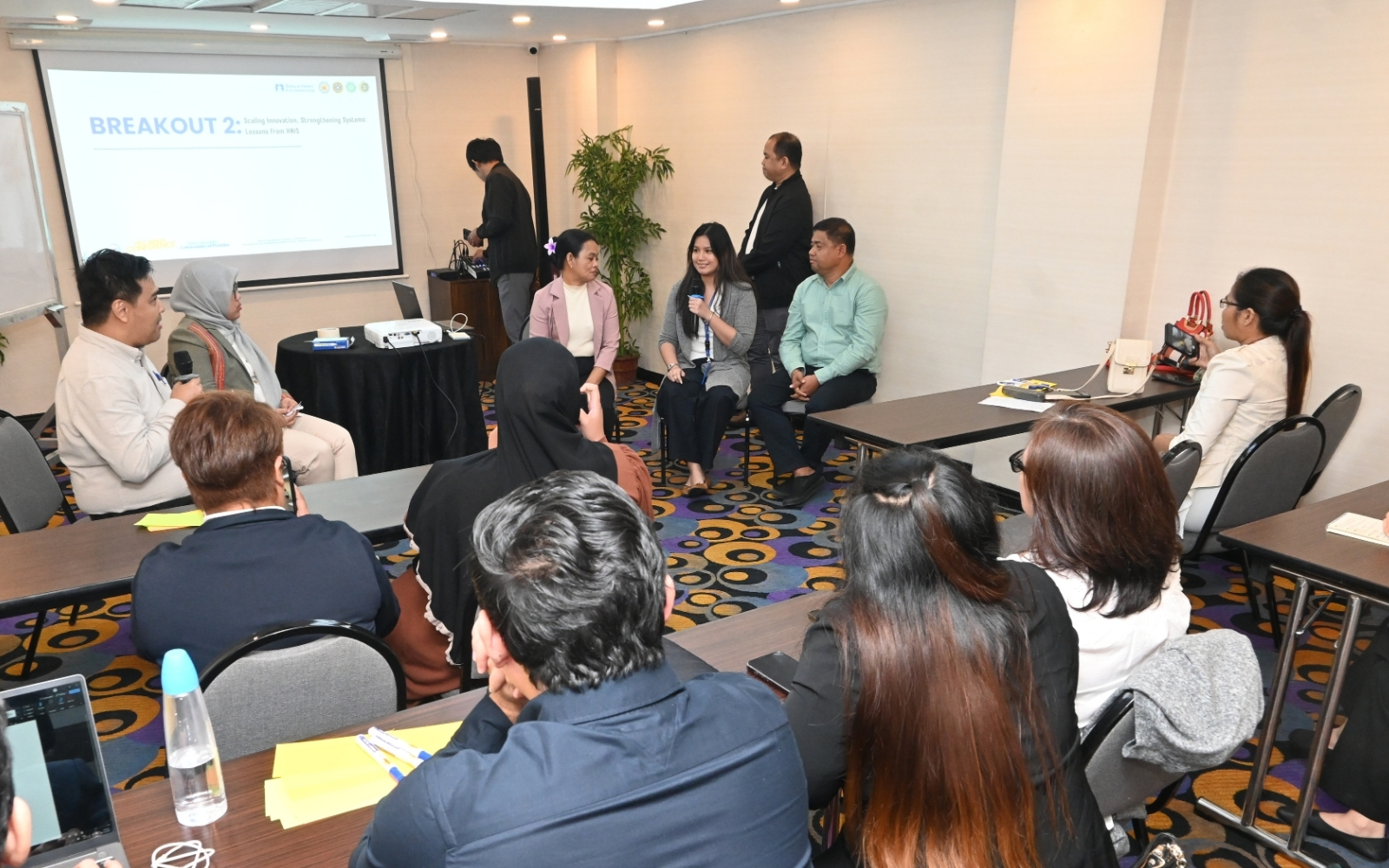
- Breakout Sessions: Scaling Innovation, Strengthening Systems. Focused on ZFF’s key programs—Pook Malusog Dashboard, ZFF’s health and nutrition information system (HNIS), and the Family Stunting Reduction (FaStR) program, a family-centered approach to addressing malnutrition. LGU implementers sat on the panel and responded to questions from participants, sharing ongoing learnings and best practices from pilot implementations, as well as their priority actions moving forward.
Discussions showed that political will is critical—it sets direction, drives the right systems, and ensures that budgets are allocated for nutrition. But political will must be backed by more support. It needs to evolve into strong, institutionalized systems that can sustain progress across political terms.
Provincial leaders shared how creating permanent positions for nutrition officers, integrating nutrition into local development plans, and mobilizing diverse sectors can embed accountability and continuity. Municipalities, on the other hand, demonstrated how community co-ownership, data utilization, and frontline worker empowerment ensure that nutrition efforts reach even the most vulnerable families.
Nutrition expert, Dr. Cecilia Acuin, in her synthesis, said that nutrition resilience requires long-term, systemic investment. Improving nutrition outcomes must focus on, quoting Mayor Alfredo Coro II of Del Carmen, Siargao Islands, “the least, the last, and the lost”—families and communities that remain hardest to reach. Dr. Acuin pointed out that while political commitment is vital, equally important are strong governance systems, responsive service delivery, and community ownership. “Our focus should be on building systems, not one-time solutions,” she said, calling for convergence among LGUs and partners.
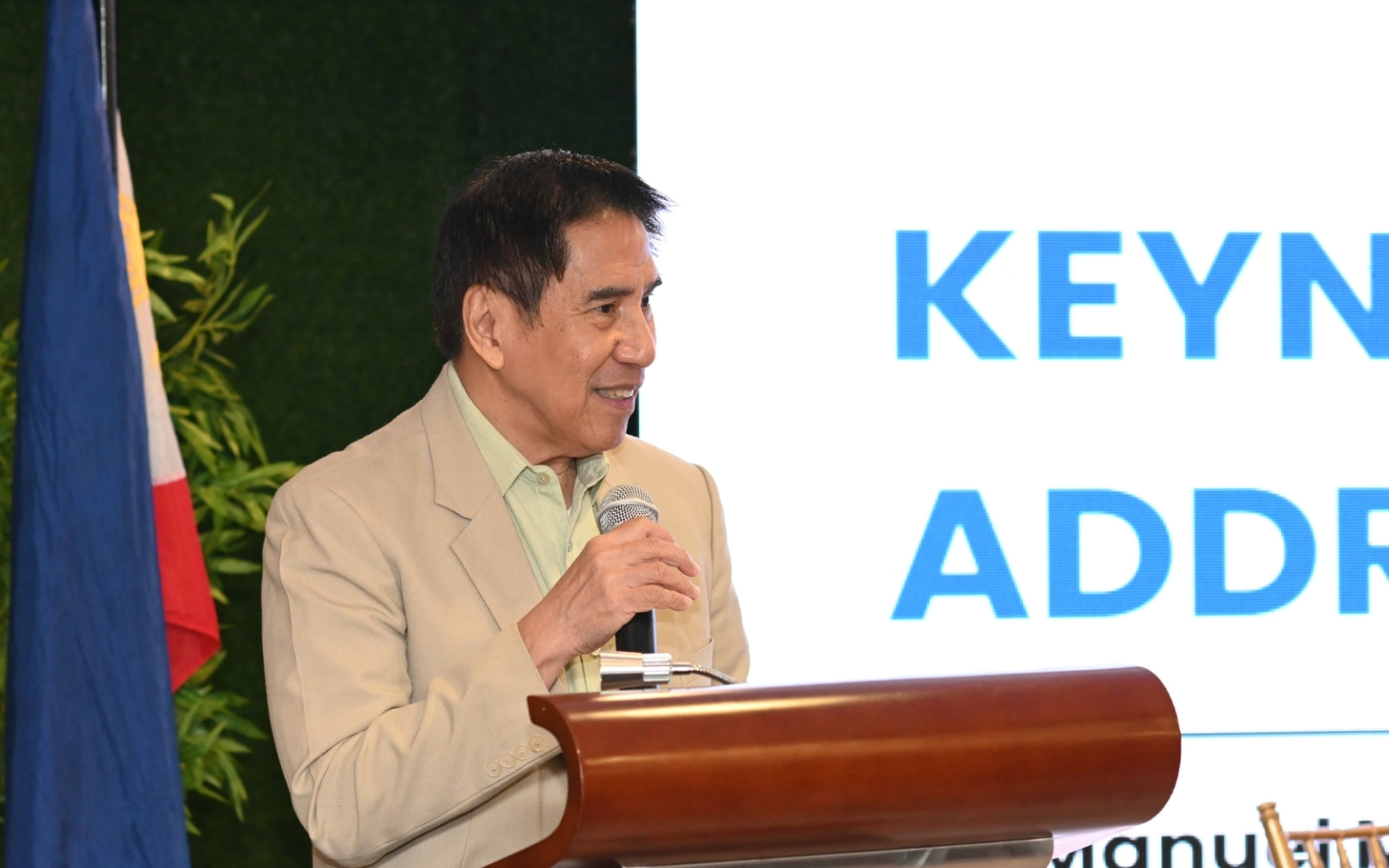
In his keynote message, Dr. Manuel Dayrit, ZFF Chairman, reminded attendees that the CoP represents “a microcosm of what needs to happen nationally: leaders listening, learning, and acting together.” The conference ended with a hopeful call: when leaders and communities work together, every Filipino child can have a healthy beginning and a stronger tomorrow.
Surigao del Norte Strengthens Preparedness for Reproductive Health in Emergencies
Surigao City — Surigao del Norte leaders reinforced their commitment to protect communities during disasters by aligning strategies for Sexual and Reproductive Health (SRH) in emergencies.
The Zuellig Family Foundation (ZFF), in partnership with the United Nations Population Fund (UNFPA) and with support from Australian Aid, led a two-day Project Alignment and Technical Roadmapping Workshop on September 11–12, 2025 at the Provincial Conference Hall in Surigao City. The event brought together provincial officials, health leaders, and development partners to craft a unified roadmap for implementing the Minimum Initial Service Package for SRH (MISP-SRH).
Provincial leaders signaled their commitment by joining the sessions. Atty. Rise Faith Recabo, Provincial Administrator, represented Governor Robert Lyndon Barbers. Dr. Maria Isabel Makinano, Provincial Health Officer, and Fe Saumat, Provincial Social Welfare and Development Officer, also joined, along with other department heads and staff. Their presence showed the province’s determination to strengthen SRH services in its disaster response plans.

During the alignment session, Emmanuelle Pabalate, OIC-Project Manager for MISP-SRH at ZFF, urged stakeholders to set measurable milestones and align local efforts with national frameworks. She urged participants to:
- Set measurable milestones, strengthen governance, and mobilize resources; and
- Build lasting partnerships with civil society organizations to sustain reforms and ensure that provincial strategies remain aligned with national frameworks.
In the technical session, ZFF MISP-SRH staff, Elaine Joyce Diaz and Loriegrace Mindoro, guided participants through a structured process of reviewing achievements, identifying gaps, and mapping out strategies with timelines. Diaz underscored that:
- Evidence-based planning strengthens accountability;
- Proper monitoring helps track progress and sustain services; and
- Aligning actions with the DRRM framework ensures readiness during emergencies.
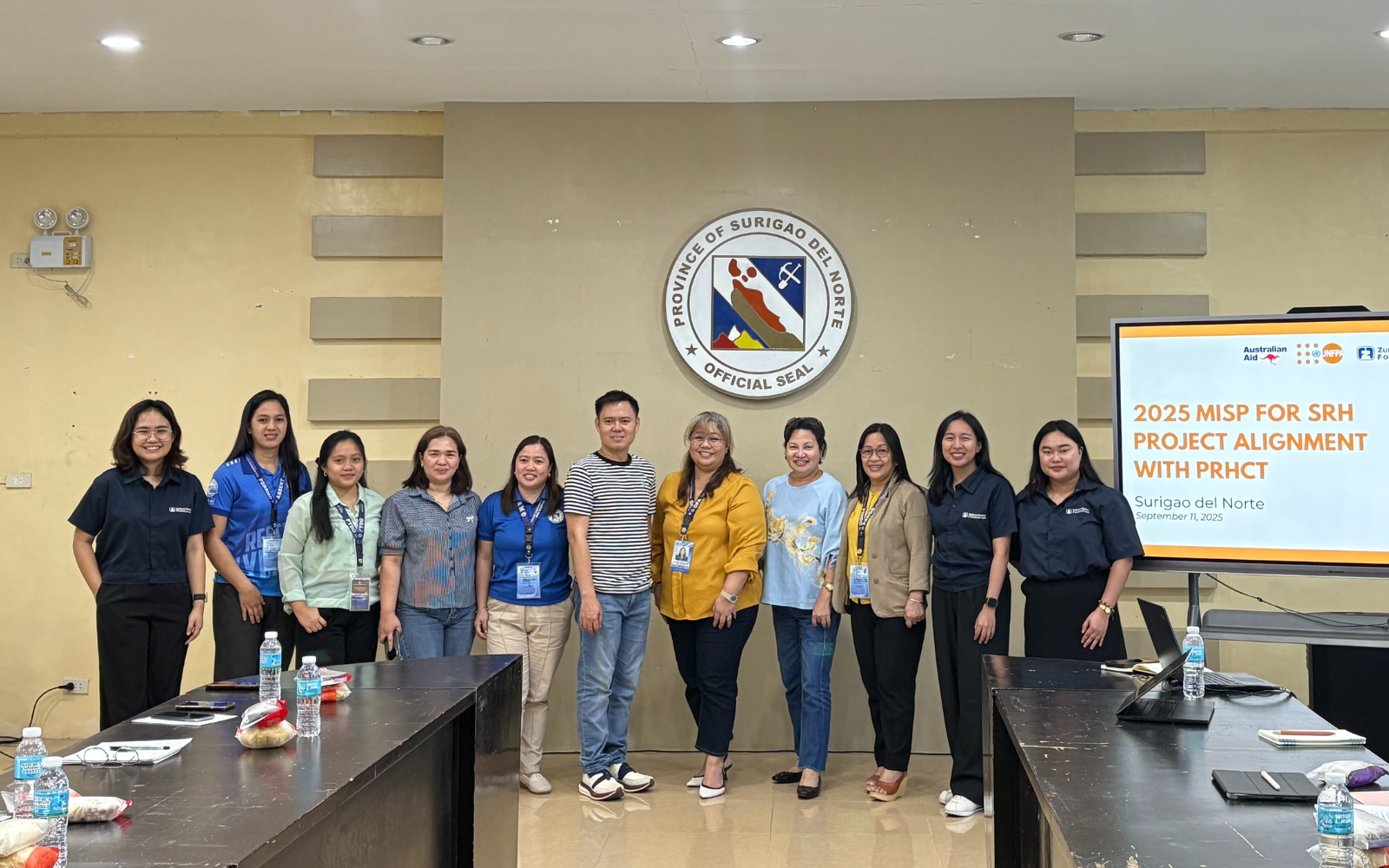
The workshop ended with an actionable roadmap and renewed partnerships among provincial stakeholders. While challenges remain, Surigao del Norte signaled its readiness to institutionalize reforms, mobilize resources, and strengthen governance systems.
These efforts aim to build a resilient and inclusive SRH system that protects families, especially women and girls, during disasters.
Authors: Loriegrace Mindoro, ZFF Provincial Account Officer for Catanduanes and Surigao del Norte; Krizzia Esperanza, ZFF Corporate Communications Associate
Naga City passes AYSRH ordinance to win campaign vs teenage births
From setting up teen hubs and centers in every public school and village to the creation of a council that will drive all programs for adolescents, Naga City is taking bolder yet wiser steps to curb teenage births through a newly passed ordinance.
Known as the “AYSRH Ordinance,” the measure was enacted last month, a critical move that would finally institutionalize and bring harmony to the city’s wide-ranging adolescent and youth sexual and reproductive health programs and services.
“The ordinance is like an arm or an instrument for us to be able to achieve our purpose, which is for adolescent girls to avoid being pregnant and for them to better prepare themselves for the years ahead because this lay down the acts that we have to do,” said Naga City Mayor Nelson Legacion.
Naga City’s adolescent birth rate has continuously dropped for the last four years, from a high of 30.21 in 2019 to 20.10 in 2022. But it has observed an uptick in repeat pregnancy in teenage mothers from a low 39 in 2020 to 56 in 2021 and 62 last year.
The mayor is pushing for zero teenage pregnancy in three years as it works under the guidance of The Challenge Initiative (TCI), a program co-managed by the Zuellig Family Foundation (ZFF) with the Bill and Melinda Gates Institute for Population and Reproductive Health.
Launched in 2020, the program aims to stem teenage pregnancies in the country by improving access to family planning programs and promoting positive health-seeking behavior among youth and adolescents.
Road to ‘zero’
Legacion expressed confidence that the “ambitious target” was doable with an ordinance that will strengthen the city leadership team and its information service delivery network (ISDN), composed of various stakeholders that will journey with the city government to achieve such dream, and with the continued support of TCI and ZFF.
Among the many things the ordinance would set in motion are the creation of the City Adolescent and Youth Sexual and Reproductive Health (AYSRH) Council, which will act as the advisory, planning, and policy-making body for the full implementation of the law, and the provision of a comprehensive culture-sensitive, age- and development-appropriate sex education in schools and the communities.
The law also obliges the city government to provide sufficient funding annually for all its AYSRH programs and services and to strengthen the capability of barangay health workers, nutrition scholars, and other frontline health and social workers in providing care and education tailored to the needs of adolescents and the youth.
Since joining the TCI, the city gradually increased its investments in ASYRH services from Php728,000 in 2020 to over P1 million in 2022, the start of the program implementation. It quadrupled to P4.1 million in 2023.
Adolescent-friendly spaces in all schools and villages
The ordinance also mandates the establishment of teen hubs in all public schools and teen centers in the barangays that will give adolescents and out-of-school youths an exclusive schedule to avail of reproductive health services with confidence and privacy.
So far, teen centers or adolescent-friendly facilities have been created in Barangays Concepcion Pequeña, Balatas, and Calauag.
“Part of the services we ask from teen centers and teen hubs is to address the stigmatization because it is one of the reasons why there is poor health-seeking behavior among our teenagers,” said Councilor Gayle Abonal-Gomez, author of the ordinance.
She also said the city was looking forward to getting private schools on board to set up their own teen hubs and mining data from its body of research on ASYRH to further improve the local government’s programs.
Underscoring the importance of the role of parents in teenage pregnancy prevention, the ordinance shall also see the implementation of a family support program that will provide parents of adolescents with the necessary education and support that encourage parental involvement.
“We are closely monitoring the rise in repeat pregnancies among teenage mothers…and based on observations and with our dealings with the barangays, the role of the family and parents plays a big part in this,” she said.
Widening of networks and programs
Another major component of the ordinance is the formal establishment of ISDN that will “harmonize all existing services and program interventions” on ASYRH in the city.
Under the newly enacted law, the City Population and Nutrition Office will spearhead gathering and linking up various stakeholders involved in the provision of ASRYH services to form a referral system and provide health services tailor-fit to the specific needs of adolescents.
“Before this ordinance, we already have many public and private partners and linkages, there are many programs and services [on ASYRH] available in the city. But the concern was that efforts were not institutionalized and harmonized,” said Abonal-Gomez.
“One advantage of this ordinance is that it will unify all our actions and with everyone officially on board, we will be able to grow our networks and the programs itself,” she added.
This article first appeared on the official website of the City Government of Naga.
(Published June 9, 2023)
Panadero is new ZFF president
Austere A. Panadero has been appointed as the new president of the Zuellig Family Foundation (ZFF), five years after joining the foundation as executive director.
The ZFF board of trustees has great confidence in Panadero’s ability to continue leading ZFF with integrity, competence, and agility toward its mission of achieving faster health outcomes.
Before joining ZFF, Panadero worked for the government for over three decades with most of that time spent at the Department of the Interior and Local Government (DILG), where he served as undersecretary from 2007 until his retirement in 2018. His public service experience has been instrumental in building ZFF’s partnerships with local government units and development organizations.
Ernesto D. Garilao will remain the chairman of ZFF.
(Published April 13, 2023)
Dipolog, Cagayan de Oro lead battle in curbing teenage pregnancy
By Cristina Eloisa Baclig
MANILA, Philippines—As the country continues to address teenage pregnancies among Filipino girls, two cities—Cagayan de Oro and Dipolog City—have already started seeing a significant decrease in the birth rate for adolescent mothers through effective interventions.
After a year since the prevention of teenage pregnancies had been declared a “national priority,” the adolescent birth rate (ABR) in Dipolog City fell from a high 73.8 per 1,000 girls (aged 15-19 years) to 30 in 2022.
Similarly, Cagayan de Oro has observed a huge reduction in its ABR from 47.4 five years ago to 34 in 2022.
The decline in the number of Filipino women in Dipolog and Cagayan de Oro cities who are confronting pregnancy at an early age was attributed to “data-driven innovations and high-impact programs” that heavily focused on youth involvement.
Among these programs undertaken by the city governments to provide solutions to curb teenage pregnancies was The Challenge Initiative (TCI), a five-year urban reproductive health program co-managed by the Zuellig Family Foundation (ZFF) and the Bill & Melinda Gates Institute for Population and Reproductive Health.
The program, which started in 2020, encouraged several areas nationwide to transform into adolescent-friendly cities that actively address the sexual and reproductive health needs of the youth in their communities to reduce unintended teenage pregnancies.
It also aimed to enhance the accessibility of family planning programs and promote positive health-seeking behavior among Filipino youth and adolescents.
Successful interventions
In just two years after Dipolog City joined an earlier ZFF program, which spanned from 2017 to 2020, the local government was able to address and reduce the growing cases of teenage pregnancies in the city.
In October 2020, Dipolog City was accepted as one of the pilot cities under TCI, which led to high-impact interventions to engage city governments, health providers, communities, adolescents and youth, and other stakeholders in providing adolescent and youth sexual and reproductive health (AYSRH) information and services in urban communities.
As part of the initial batch of cities engaged with TCI in the Philippines, the local government of Dipolog launched the “Team Batang Ama Batang Ina Initiative” or BABII—a task force created to address Adolescent and Youth Sexual Reproductive Health (AYSRH) issues including teenage pregnancies in the city.
The Child and Youth Code, “which included provisions on health education for the youth, addressing mortality and morbidity of teenage pregnancy, and promoting reproductive health and family planning for youth parents,” was enacted into a local ordinance last year.
Aside from the city’s well-developed and well-functioning AYSRH system, the local government also increased the modern contraceptive prevalence rate (mCPR) from 39 percent in 2018 to 53.72 percent last year.
This year, the city was given resources—around P9M in investments—to create more family planning programs to further bring down cases of teenage pregnancy in the city.
Cagayan de Oro City, also among the early TCI sites, has also recorded an increase in mCPR from 29 percent in 2020 to 36 percent in 2022—an achievement attributed to “engaging the youth through various programs that speak their language.”
Several youth-led initiatives were also launched in the city through the ZFF’s Youth Leadership and Governance Program—which trained youth leaders of the Sangguniang Kabataan, or youth council, to lead in the creation and implementation of AYSRH programs in different areas in the city.
“The TCI is a vital driver to help us expand our initiatives to become an adolescent- and youth-friendly city as we create a safe space where young girls and boys can easily access ASRH services and engage in programs for comprehensive health development,” said Cagayan de Oro Mayor Rolando “Klarex” Uy.
From one concern to another
Latest figures showed that cases of teenage pregnancy are already declining, not only in Dipolog and Cagayan de Oro cities, but also in other cities across the country.
According to data from the Philippine Statistics Authority (PSA), there were 5.4 percent of women 15 to 19 years of age who have been pregnant in 2022, lower than 8.6 percent in 2017, 10.1 percent in 2013, 9.9 percent in 2008 and 8 percent in 2003.
However, the Commission on Population and Development (PopCom) stressed that pregnancies among 10 to 14-year-olds saw an increase from 2,113 cases in 2020 to 2,299 in 2021—citing data from PSA and the Department of Health (DOH).
“Our concern now are births from [aged] 10 to 14 – the much younger teenage girls. The statistics vary depending on the source of data, but they are all worrying. And If I may emphasize, the 10 to 14 [age group] is now something that we need to look into,” said PopCom executive director Lisa Grace Bersales.
This article first appeared on INQUIRER.net.
(Published April 27, 2023)
ZFF shares know-how with UHC advisory group
The Zuellig Family Foundation (ZFF) is honored to share its on-the-ground experience and knowledge while learning from others in the independent advisory board created by the Department of Health (DOH) to fast-track Universal Health Care (UHC) reforms, with the appointment of Austere A. Panadero, executive director of the ZFF as a member.
DOH officer in charge Rosario Vergeire formed the Strategic Advisory Group of Experts for UHC Implementation (UHC SAGE) to build on the gains from the public-private, multi-sectoral participation
for COVID-19 response.
Other members of the board are ZFF trustee Dr. Esperanza I. Cabral representing the Philippine Heart
Center, University of the Philippines (UP) professor Antonio Dans, M.D., UP Professor Emeritus Ernesto
Domingo, M.D., Medical City consultant and former UP professor Mary Ann Lansang, M.D., Dr. Edwin
Mercado of the DMMC Institute of Health Sciences, UP Manila Chancellor Carmencita Padilla, M.D.,
and former UP School of Economics Dean Orville Solon, Ph.D.
Based on the DOH personnel order 2022-4852 creating the group, the responsibilities of the members include the provision of technical assessments and review of documents on the following:
- Nationwide adoption of the Philippine Health Facility Development Plan as an investment plan for health
- Implementation of fiscal streamlining in public hospitals
- Implementation of the Diagnosis Related Group-Based Global Budget and the Comprehensive Outpatient Benefit Package
- Reconciliation of the databases of the Philippine Statistics Authority and PhilHealth, and the conduct of a primary care census
- Creation of a Central Medicine Store for pooled procurement
- Development of a Pharmacy Benefits package that allows PhilHealth to accredit and pay for retail pharmacies
- Streamlining of accreditation and licensing for primary care facilities
- Implementation of healthy schools, communities, and workplaces
- Establishment of the DOH Action Center and hospital fast lanes for health care workers’ concerns and benefit compensation processing
- Creation of health scholarship opportunities and the Medical Reserve Corps
ZFF’s UHC program
By the time Universal Health Care became law in 2019, ZFF had designed a program to assist three provinces—Agusan del Sur, Aklan, and Bataan— in the UHC transition. ZFF’s earlier work with provinces prompted governors to establish a functional service delivery network involving both provincial and municipal health facilities. The gains during the program provided a backbone for the three provinces’ work on UHC and response to the COVID-19 pandemic.
Provincial health boards (PHBs), whose memberships expanded, were fully activated under ZFF’s pre-UHC program. During the pandemic, the PHBs quickened the pace in localizing policies, pushing for local health reforms, and engaging various stakeholders. These provinces increased health care capacities, upgraded medical equipment and laboratories, and kept their people informed.
With ZFF guidance, the provinces remained deliberate in meeting the government-set key result areas (KRAs) for UHC maturity during the pandemic. The three fulfilled all 12 KRAs under the preparatory level six months before the government’s end-2022 target.
The developments in ZFF’s provinces prompted then Health Undersecretary Myrna Cabotaje to ask ZFF for a similar program for regional health officials. The resulting partnerships for northern Luzon officials introduced the Leadership Development Program, which improved the capacities of regional officers in mentoring and coaching local chief executives and health officials. As a result, provinces and cities moved faster in meeting targeted KRAs. In three months, the partnerships expanded to have governors enroll in the ZFF program. Before 2022 ended, ZFF had partnerships with four regional offices of the DOH: Ilocos Region, Cagayan Valley, Cordillera Administrative Region, and Eastern Visayas. These involve 15 provinces: Ilocos Norte, Ilocos Sur, La Union, Pangasinan, Apayao, Kalinga, Mt. Province, Ifugao, Benguet, Northern Samar, Samar, Eastern Samar, Biliran, Leyte, Southern Leyte.
(Published March 2, 2023)