The Universal Health Care Journey in Benguet and Baguio: Celebrating Gains, Navigating Hurdles
News
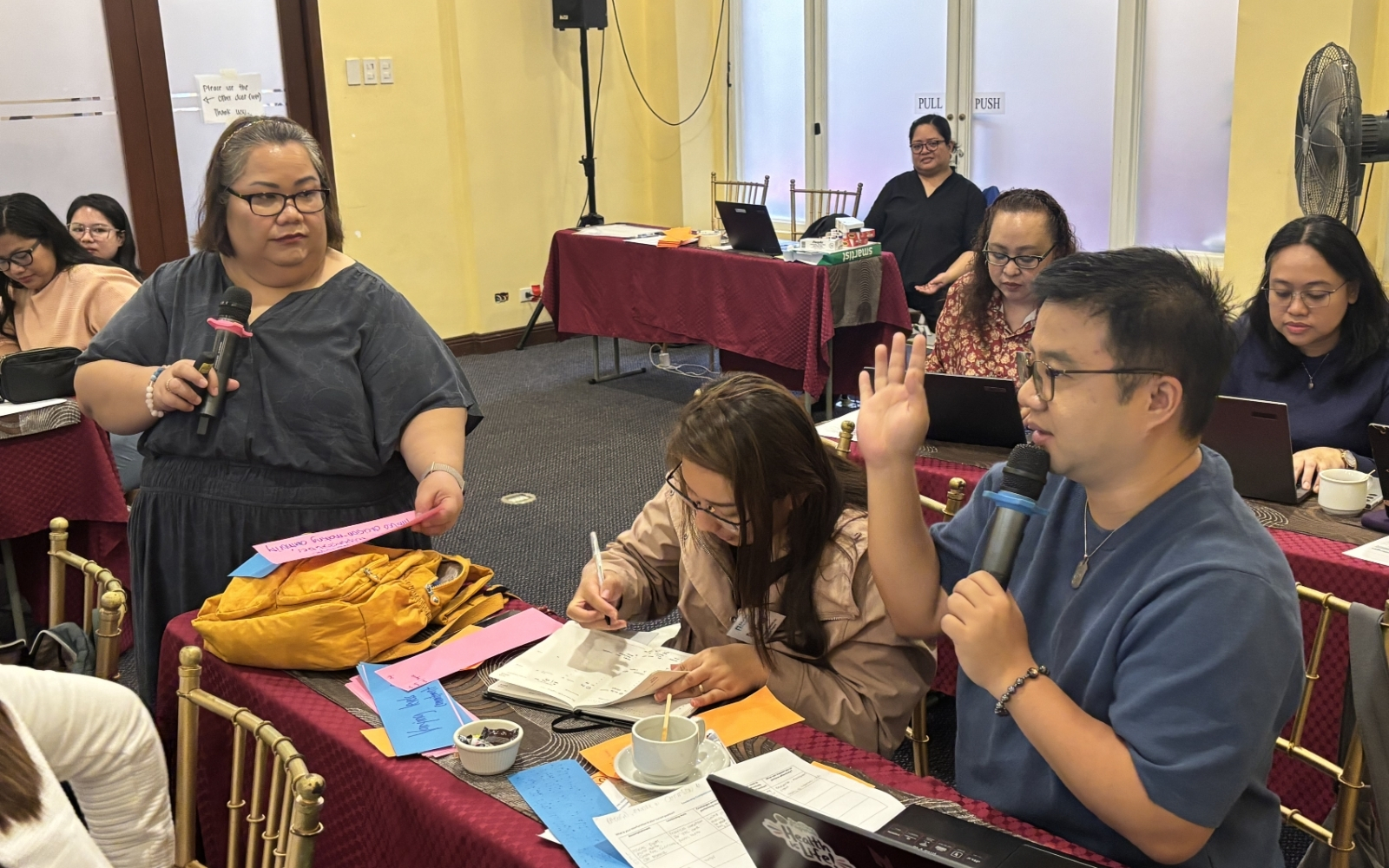
Benguet Province and Baguio City have marked a major step forward in health governance with the successful conduct of the Practicum Assessment Activity under the Bayang Malusog Leadership and Governance Program (BMLGP) of the Zuellig Family Foundation.
Held on June 9–10, 2026 at Hotel Elizabeth Fersal in Baguio City, the event convened 27 public health leaders, including the provincial and city health teams, municipal and district health teams from the BMLGP pilot areas of Kibungan, Kapangan, City Camp, and Irisan, as well as non-communicable disease (NCD) program coordinators. Also in attendance were institutional partners from the Department of Health (DOH) Center for Health Development in the Cordillera Administrative Region and the provincial and city DOH offices.
Related articles:
- From an Empathy-Driven Learning Visit to a Stronger Commitment to Health
- From Data to Dignity: How a Bedside Visit in Kibungan, Benguet Changed a Mayor’s Approach to Universal Health Care
- Mayor Magalong Completes ‘Deep Dive’ to Assess Baguio Health System
The assessment showcased notable early successes, particularly the significant mid-year progress in the NCD roadmaps of the pilot areas. Baguio City achieved a full 100% accomplishment rate in the DOH Local Health System-Maturity Level, while Benguet came close to full integration at nearly 100%.
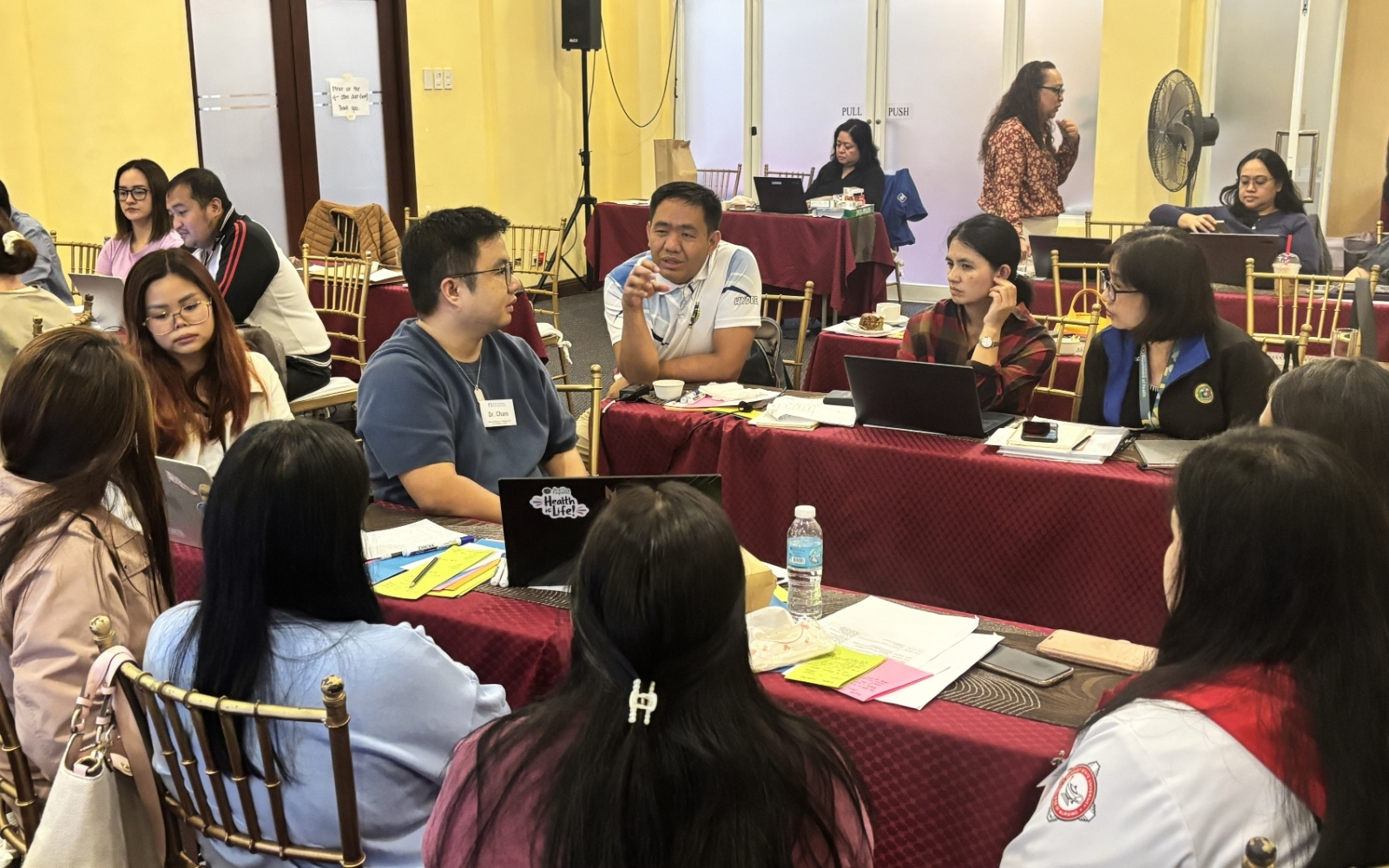
Equally encouraging, health leaders observed a meaningful shift in community behavior. More residents are now aware of the primary care packages (PhilHealth YAKAP and GAMOT packages) leading to a marked increase in self-initiated consultations at primary care facilities. This growing public trust underscores how primary health care is steadily becoming the solid foundation of Universal Health Care (UHC).
Beyond celebrating these wins, the activity served as a vital platform for reflection. It allowed the participating local government units (LGUs) to assess how their action plans and initiatives from the BMLGP training—backed by concrete data and system improvements—have translated into real-world results.
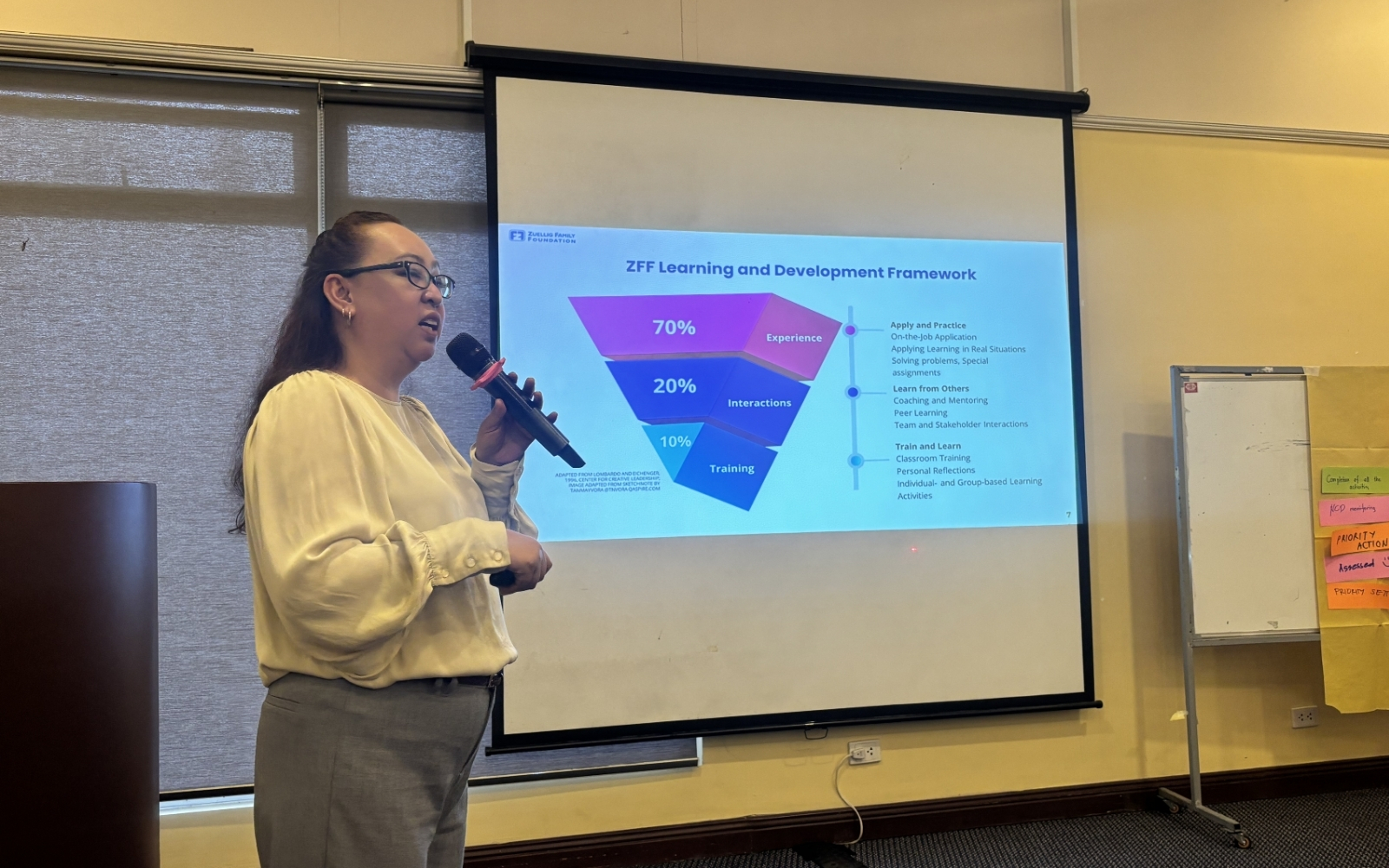
A central feature of the workshop was a comprehensive competency assessment, designed to ensure that ZFF’s Bridging Leadership principles are not just theoretical but are actively shaping better health outcomes for communities. The session also provided a transparent space for consolidating key insights, identifying emerging challenges, and documenting best practices drawn from the actual experiences of the partner sites.
Despite the geographic and structural differences between urban Baguio and rural Benguet, participants found striking common ground. The sharing sessions revealed that both settings face similar systemic hurdles in NCD program implementation and overall UHC rollout. These shared challenges sparked action-oriented discussions and fostered a sense of unity in addressing them.
What stood out most in the reflections, however, was the deep human element driving these institutional changes. Leaders expressed genuine appreciation for how their personal leadership competencies directly influenced their LGUs’ health outputs, enabling continuous personal growth and more effective governance. A recurring theme was the immense value of empowering frontline health workers, especially Barangay Health Workers, who serve as the critical ground implementers of these programs. Ultimately, participants voiced pride in how Benguet and Baguio are steadily advancing UHC, emphasizing that every small victory along the path to health equity deserves recognition and celebration.
To sustain this momentum, the workshop concluded with concrete, actionable blueprints aimed at advancing UHC and NCD programs across all governance levels. By aligning provincial, city, and municipal strategies, participants clearly defined how higher-level governments can better support the pilot sites.
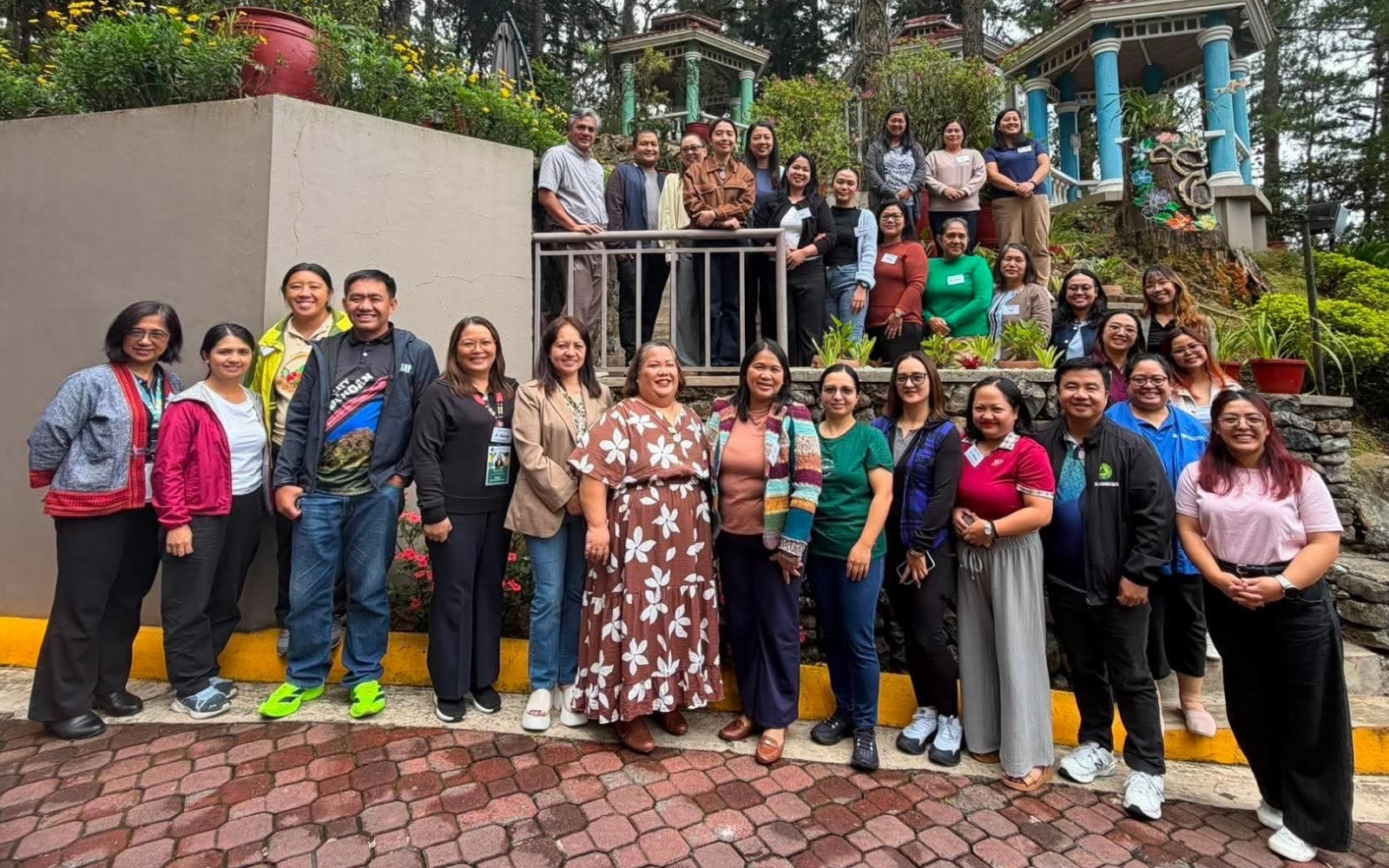
Looking ahead, the outputs from this session—assessment findings, reflections, and priority actions—will serve as a roadmap for future implementation. They will also guide targeted coaching and inform the next phases of the program, ensuring that province-wide and city-wide UHC and NCD outcomes are not only achieved but sustained.