Strengthening Families through Playful Parenting: Masayang Pamilya Graduation held in Calbayog City
Playful parenting has the power to transform family dynamics and build stronger bonds between parents and children. This was proudly on display as the Zuellig Family Foundation (ZFF), in partnership with the City Social Welfare and Development Office (CSWDO) of Calbayog City, Samar, hosted the graduation ceremony for the Masayang Pamilya (MaPa) Program last April 27, 2026, celebrating the program completion of participating families from Barangays Balud, West Awang, Obrero, and Pahayan.
The MaPa for Teens Program is an evidence-based parenting intervention that promotes playful parenting techniques to help reduce parenting stress, prevent child maltreatment, and strengthen family relationships to prevent adolescents from engaging in risky behaviors including early pregnancy. As part of the broader Barangay Expanded Youth Leadership and Governance Program (BEYLGP), MaPa contributes to building safer, healthier, and more supportive communities by strengthening family relationships and promoting positive parenting practices at the barangay level.
The graduation marked the culmination of nine meaningful sessions facilitated by the CSWDO MaPa Teen Hybrid Facilitators, composed of dedicated Registered Social Workers committed to strengthening Filipino families through positive and playful parenting approaches. Thirteen parent-and-child pairs completed the program through a hybrid learning format, consisting of three face-to-face sessions and six online sessions.
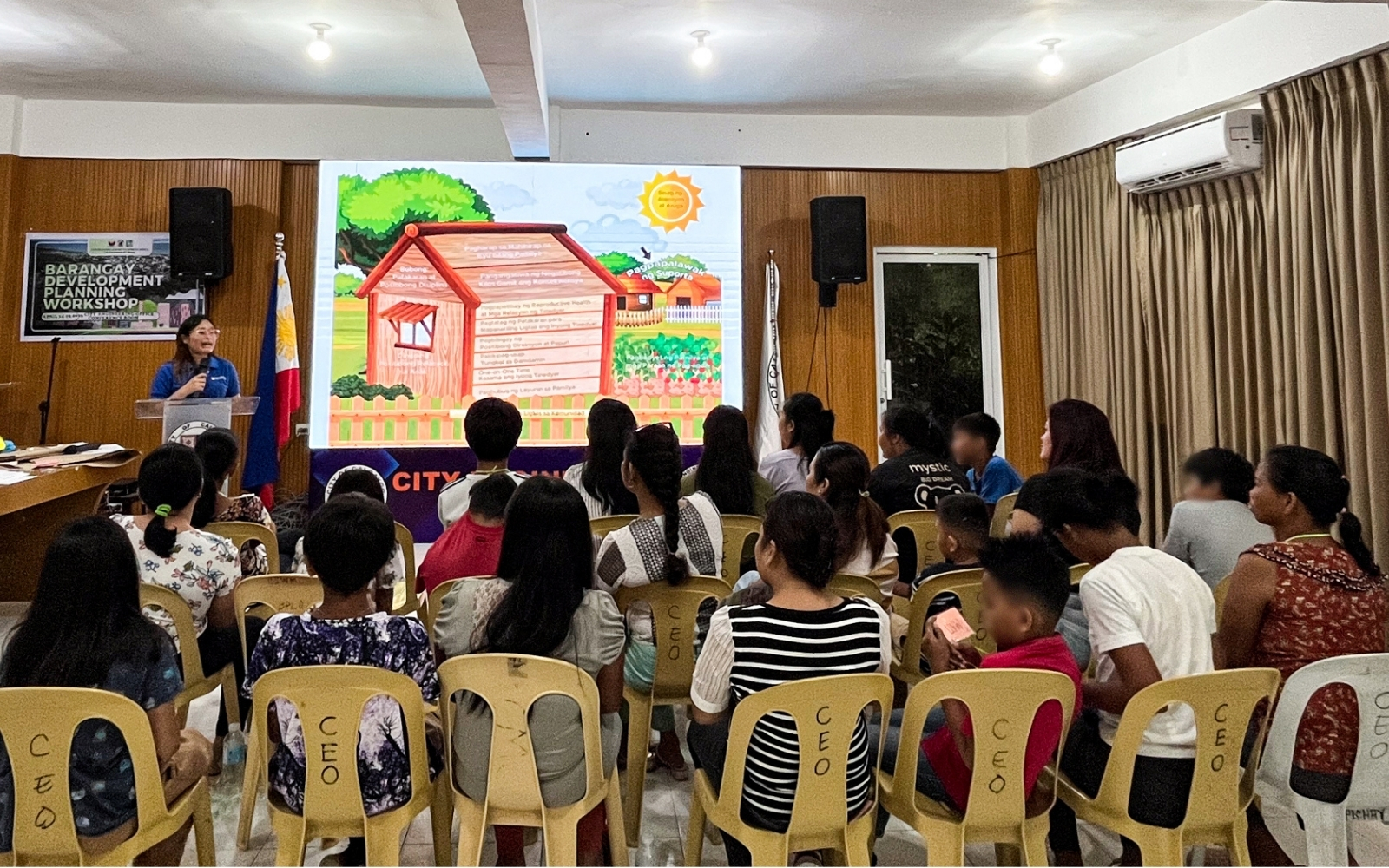
The final session emphasized the importance of nurturing healthy parent-child relationships, open communication, and creating safe and supportive home environments. Following the completion of the sessions, the graduation ceremony was held to recognize the commitment and active participation of all completers.
Showing strong local government support for the initiative, Calbayog City Mayor Raymund Uy personally expressed his commitment to reinforcing programs and activities that promote family welfare and child protection in the community.
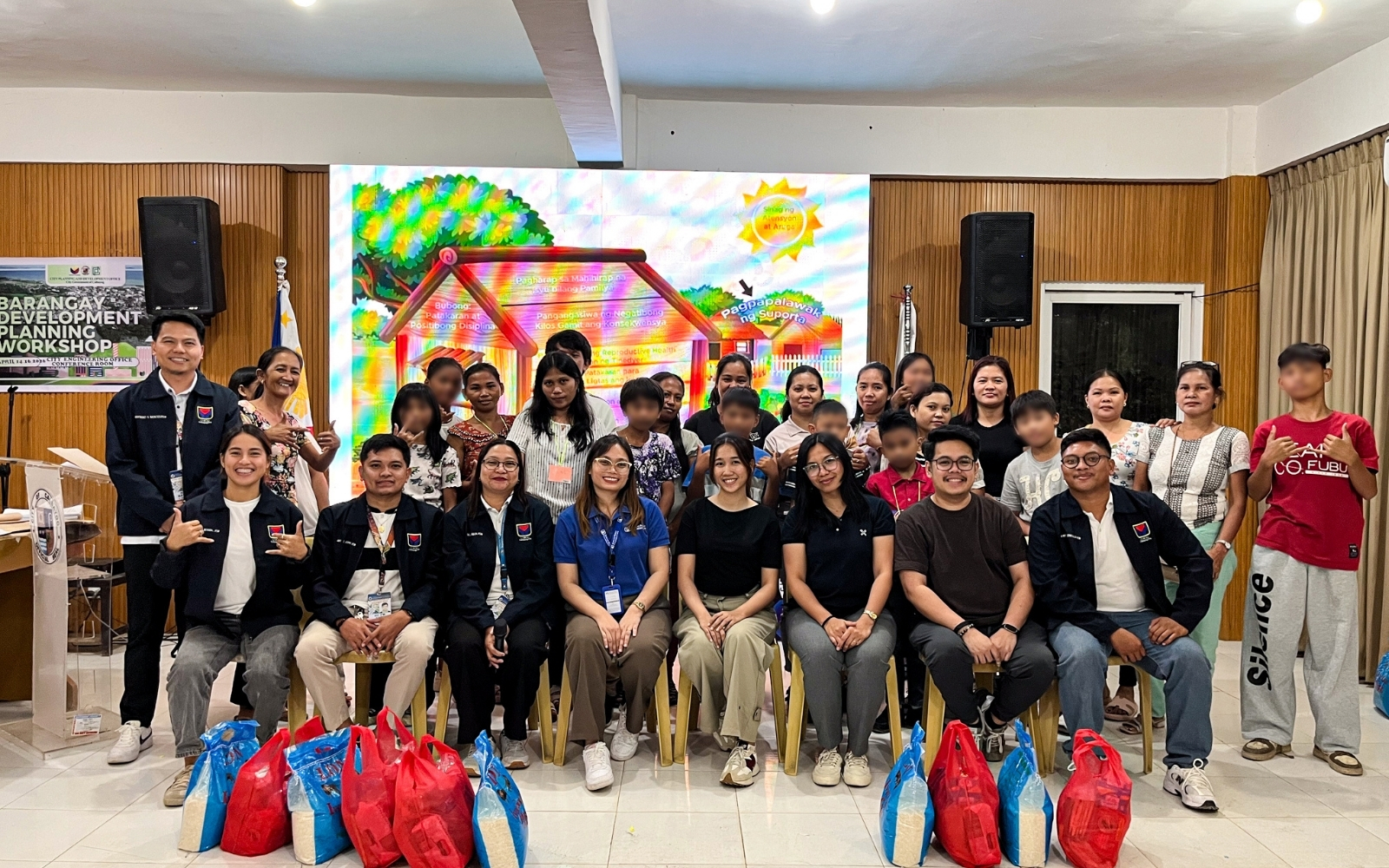
As the thirteen families return to their barangays as champions of playful parenting, their journey serves as a powerful blueprint for building resilient, joyful homes across Calbayog City. With continued support from local leaders and dedicated social workers, the MaPa Program proves that small, playful moments can create lasting legacies of love and connection.
Author: Mikee Ebias, ZFF EYLGP Provincial Associate Officer for Samar and Camarines Sur; Krizzia Esperanza, ZFF Corporate Communications Associate
Bayang Malusog Community of Practice Zeroes In on Health Information Systems as Key to Universal Health Care Success
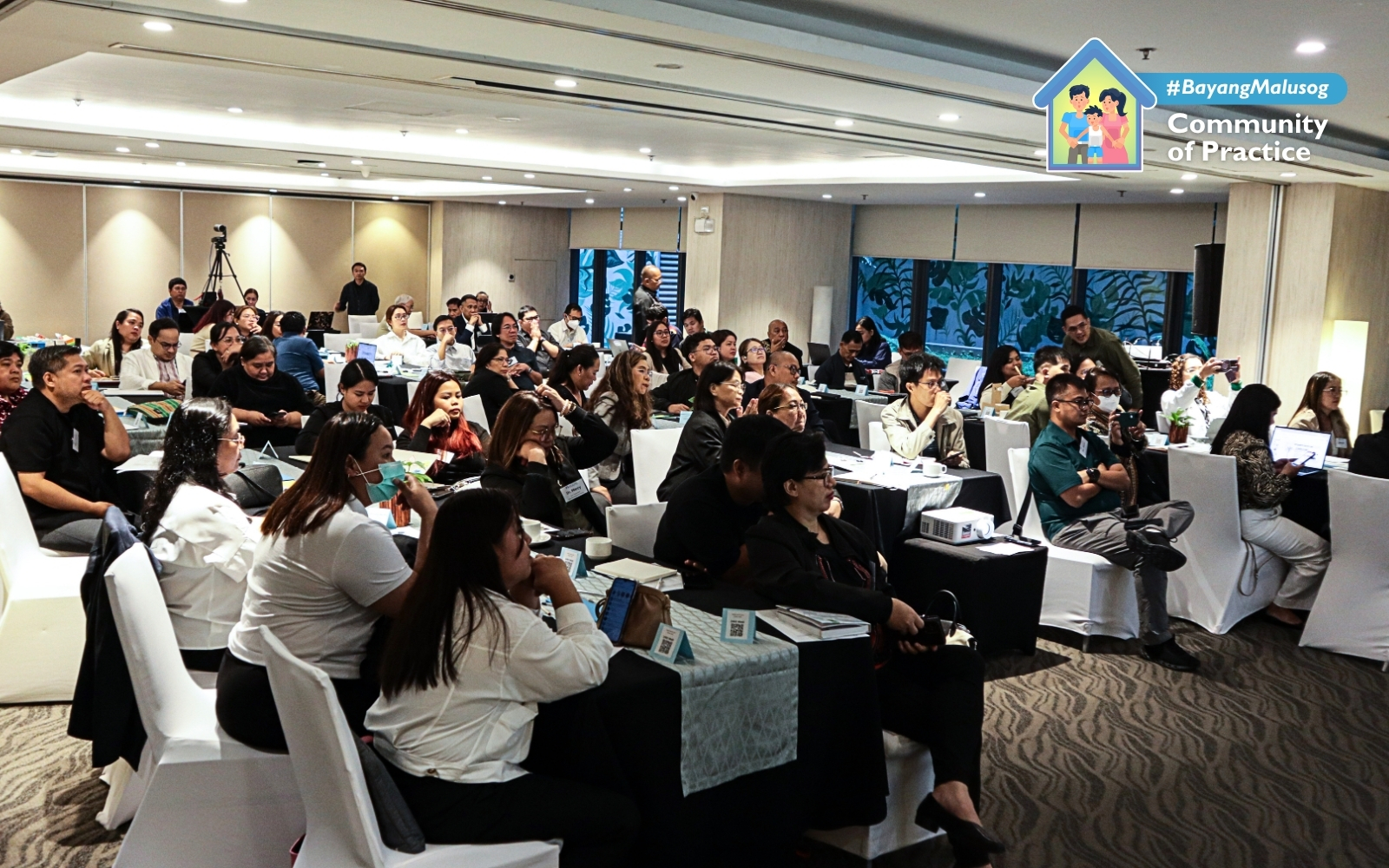
A health information system (HIS) succeeds only when end users adopt it, local governments finance it, and national standards support it. The Bayang Malusog Community of Practice convened on May 6, 2026 to advance exactly this kind of systems-level learning.
This Community of Practice, convened by the Zuellig Family Foundation (ZFF), serves as a dedicated learning platform where health officials exchange implementation experiences, discuss operational challenges, and develop practical solutions for advancing UHC across the Philippines. This session brought particular focus to HIS, which many describe as the backbone of health reform.
The learning session drew participants from 17 provinces and one city, alongside representatives from five Department of Health (DOH)-Centers for Health Development from Regions 1, 4A, 7, 8, and the Cordillera Administrative Region. The provinces represented include Pangasinan, Apayao, Benguet, Ifugao, Kalinga, Mountain Province, Isabela, Nueva Vizcaya, Quirino, Quezon, Occidental Mindoro, Aklan, Biliran, Eastern Samar, Leyte, Northern Samar, and Southern Leyte. Baguio City also participated as the lone city delegation. Each locality brought distinct operational realities and varying stages of digital health maturity to the learning session.
Related article:
‘No UHC Without Strong HIS Support’
ZFF President and Executive Director Austere Panadero opened the discussions with a pointed reminder: “At the end of the day, the sustainability of entire reforms in local health systems, one of the key pillars is the infosystem.”
He acknowledged the difficult trade-offs local governments face daily. “Marami kasing investment decisions ang dapat gawin ng mga local governments. Saan ninyo ilalagay ang inyong mga limited resources so that you can really support the UHC implementation?”
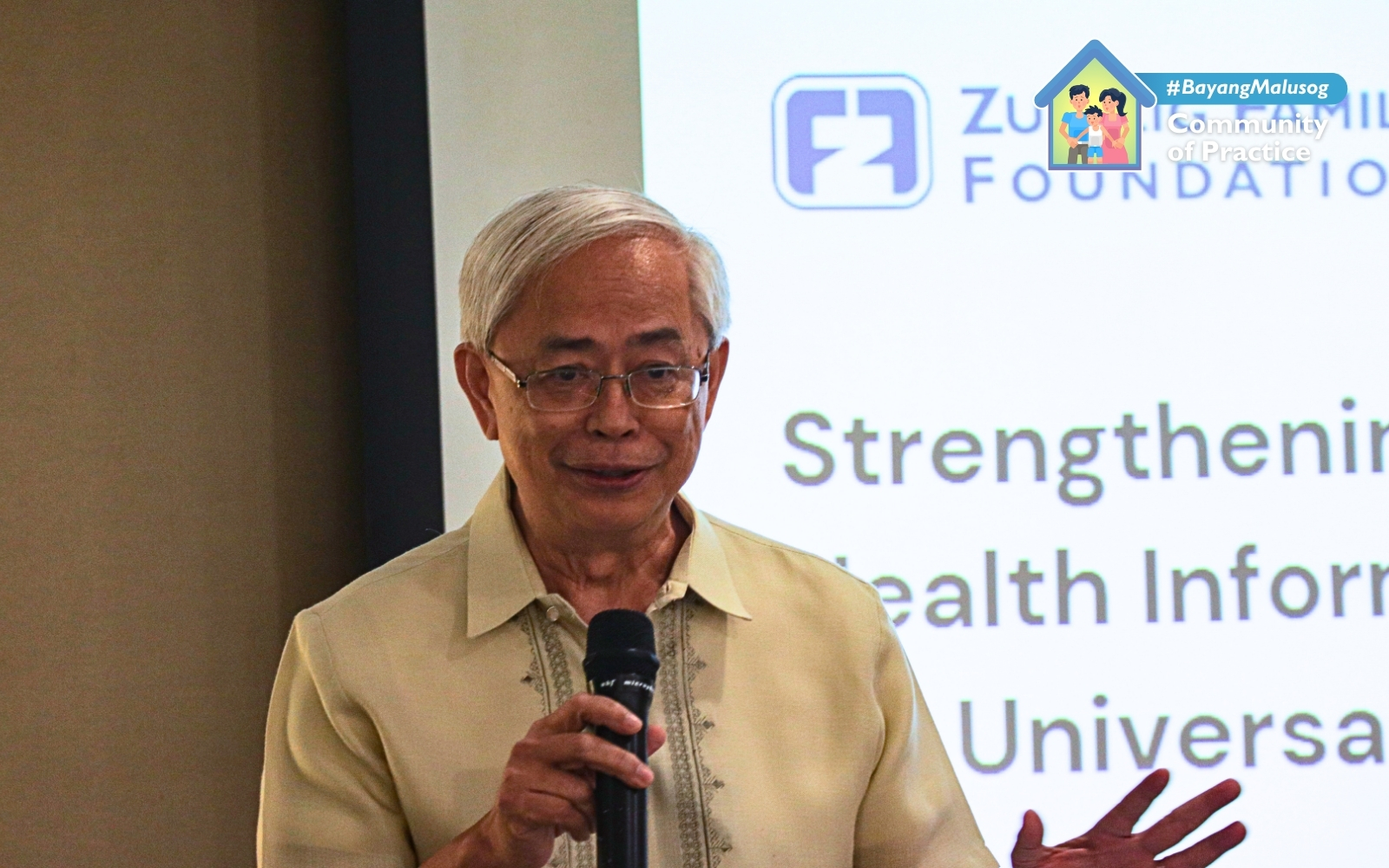
Panadero reaffirmed ZFF’s commitment to hosting these critical conversations. “Kami sa ZFF, we’re happy to host these types of conversations and find out more ano pa ‘yung mga kailangan nating sabay tuklasin at hanapan ng paraan upang mabigyan ng kaukulang atensyon o solusyon ‘yung mga problemang hinaharap natin.”
Dr. Catherine Chung, ZFF Local Health Systems Director, set the context for the learning session with a sobering assessment of UHC’s seventh year. “Functional na dapat lahat itong seventh year, pero marami pa rin tayong struggles and challenges,” Chung said.
Chung warned that without reliable data and sound planning, UHC implementation will continue to fall short. “Kung walang kaperahan, walang maayos na data, walang maayos na pagpaplano, hindi magiging maganda ‘yung implementation natin.”
Peer Learning as the Path Forward
Dr. Carlo Panelo, healthcare economics expert and professor at the University of the Philippines Manila College of Medicine, encouraged participants to embrace peer learning as the most critical strategy at this stage of UHC implementation. “National guidelines can only go so much,” Panelo explained. “They provide you the framework, the general direction but implementing it on the ground is really very nuanced in terms of your unique situation as individual local governments.”
Panelo remained unequivocal about the necessity of robust information systems. “HIS will not solve everything but it can definitely improve things. Similar to UHC, HIS is not your magic bullet or your magic pill for UHC. But I think there is no UHC without strong HIS support.”
He placed the responsibility squarely on local governments. “These systems are existing, and the ball is actually in your court now to adapt what these systems can provide you. National government needs to create an enabling environment for local governments to invest in an HIS, meaning at the end of the day you have to convince your mayors and you have to show them the figures—how much it will cost you and how much you will get in return by investing in this improvement in your systems.”
Health as Foundation of National Progress
Leyte Governor Carlos Jericho Petilla made the case that health cannot remain a side agenda. “You cannot have a progressive country if you don’t actually focus on health,” he declared.
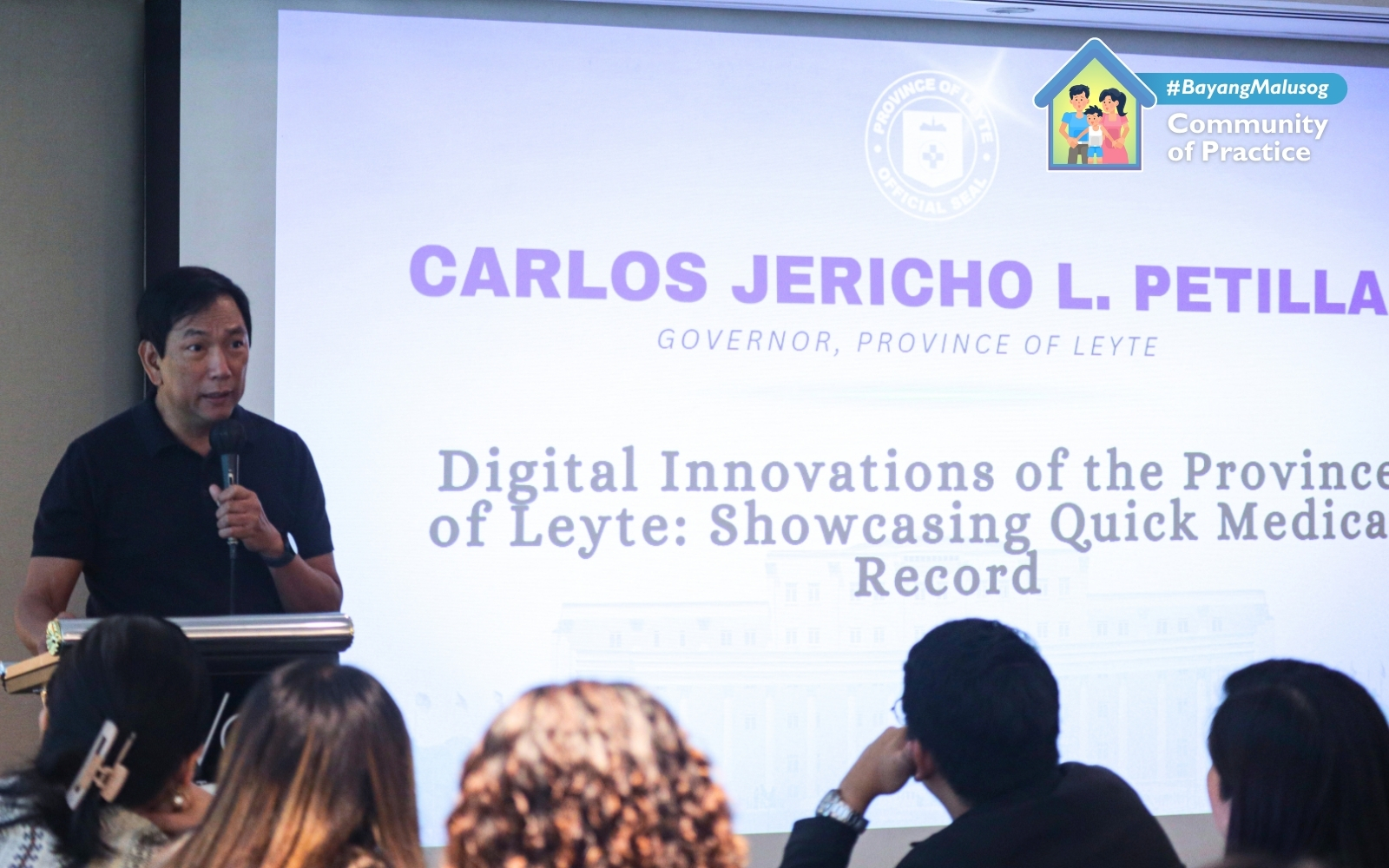
Petilla emphasized that data gathering is the most crucial component of the entire UHC system. “We’re just trying to capture everything. If you capture everything in the easiest possible way, you can do a lot of analysis. It’s the data gathering that’s actually very crucial here.”
Quezon’s Journey: No ‘Best System,’ Only What Works
Dr. Chris Mangunay, Provincial Health Officer I of Quezon Province, shared his province’s ongoing journey in developing a customized and integrated health information system designed around actual healthcare workflows.
“The success of a health information system depends largely on the end users,” Mangunay said. “We need a system that is user-friendly because we want something that follows the workflow of a primary care facility.”
The province transitioned between providers after discovering their previous system no longer progressed according to operational needs. “There is no one best system,” Mangunay acknowledged. “Whatever system you present, there will always be hiccups and resistance from end users.”
He stressed the necessity of continuous development. “We have to continuously explore other features and continuously develop because every facility is still adapting to these systems. We need a mature system to support evidence-based governance. At the end of the day, we want [HIS] to translate into better health outcomes.”
Aligning Local Systems with National Standards
Ms. Cherry Esteban, OIC Director of the DOH Knowledge Management and Information Technology Service (KMITS), discussed the national government’s efforts to strengthen governance and interoperability across local health systems. “Digital health is positioned as a strategic enabler of UHC,” Esteban said.
She highlighted the planning advantages that robust data provides. “Decision makers can already do better planning if the data is available.” Esteban emphasized governance as the foundation of digital transformation. “Good governance must guide digital transformation. Interoperability is not just about systems connecting with each other.”
Lessons from Experts: Start Small, Think Big, Learn Fast
Two senior health experts offered closing reflections that captured the day’s themes.
Dr. Ayedee Domingo, adjunct faculty at the Ateneo School of Medicine and Public Health and former director of the National TeleHealth Center, encouraged experimentation grounded in local reality. “We can only learn by trying. So unless we try, we can never really know what really works in our setting. We can write the best enterprise architecture on paper, but it may still fail.”
Dr. Manuel Dayrit, Chairman of the Zuellig Family Foundation and former Secretary of Health, noted the opportunity for greater alignment between national and local governments. “National government will create policies and standards, but not address the structural bottlenecks to enable those policies and standards to be implemented. We could move faster if there was more coherence in how the central government and local governments work together.”
The way forward requires simultaneous action on multiple fronts: strengthening information systems alongside the people who run them, investing in digital literacy while planning for interoperability, and advancing beyond pilot stages without delay. Stronger systems produce stronger data. Stronger data produces better health for every Filipino.
From Data to Dignity: How a Bedside Visit in Kibungan, Benguet Changed a Mayor’s Approach to Universal Health Care
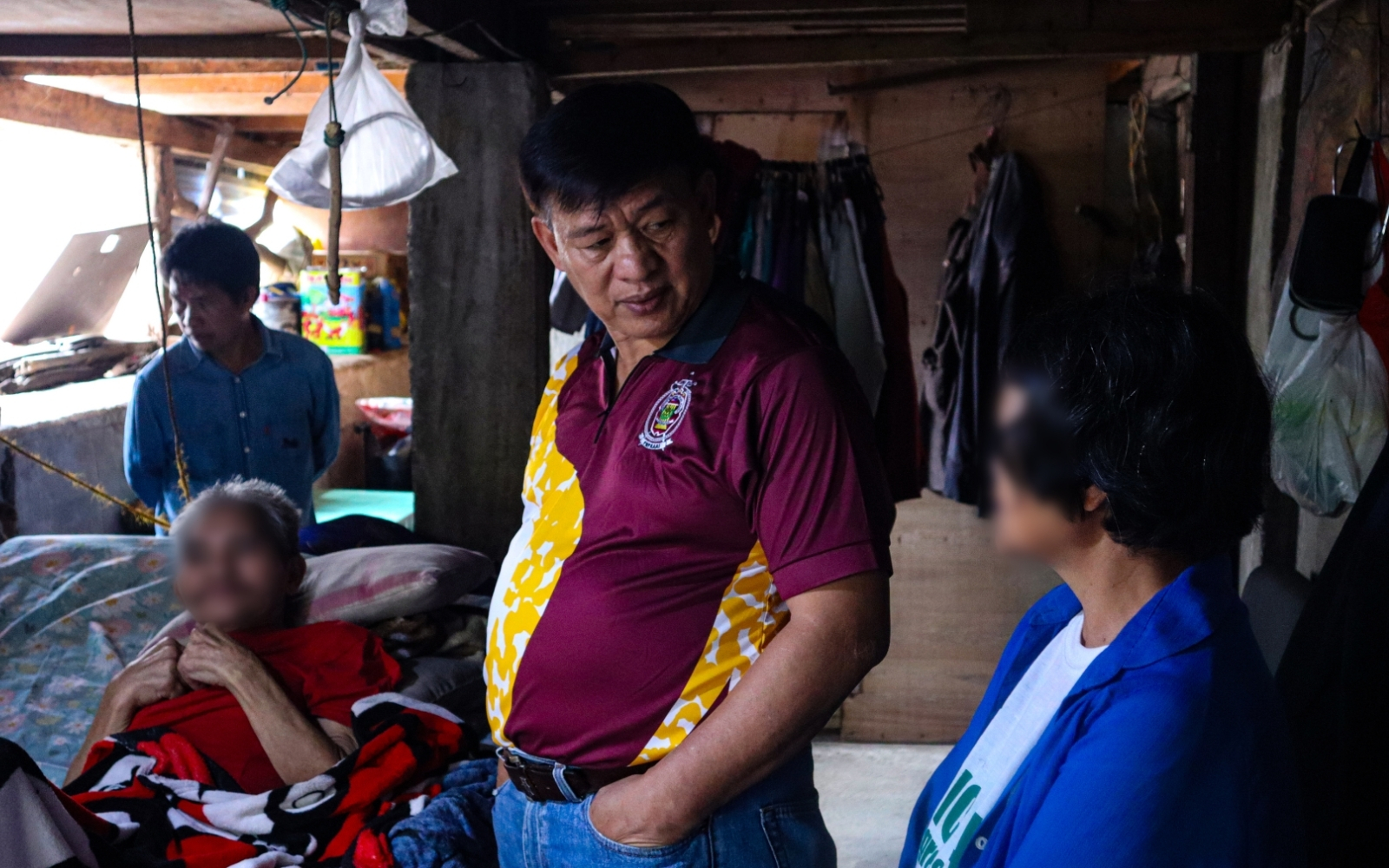
In the highlands of Benguet, where fog often obscures the mountain trails, a different kind of clarity emerged on April 28, 2026. Kibungan Mayor Agustin Tello sat beside the bed of a three-time stroke survivor: a former sayote farmer now unable to work, cared for by his elderly wife in a modest home in Barangay Sagpat. What the Mayor heard in that small room is now reshaping how Kibungan delivers Universal Health Care (UHC).
The visit is referred to as Deep Dive, a guided leadership learning activity, part of the Bayang Malusog Leadership and Governance Program (BMLGP) of the Zuellig Family Foundation (ZFF). Unlike traditional field visits, the Deep Dive immerses leaders directly into the lives of the most vulnerable, requiring them to see, listen, observe, and reflect.
A Mayor Confronts the “Face Behind the Number”
Mayor Tello is no stranger to community engagement. His administration has long practiced consultative governance, and he has regularly visited barangays. But this visit was different. For the first time, he sat across from a family too exhausted to perform—a wife uncertain whether they even qualified for government aid, and a patient whose children, all farmers themselves, had already incurred significant debt from medical expenses. Reflecting on the experience, the Mayor admitted “iba talaga kapag face-to-face,” explaining that in group settings, people hesitate to voice shortcomings, but in a private household, the truth emerges naturally.
The revelation that the family was unaware of their PhilHealth eligibility struck the Mayor as a systemic failure. The experience affirmed that data, no matter how accurate, cannot capture the shame, exhaustion, or confusion of a family navigating a fragmented support system. As Dr. Anjelica Joy Nacnac of ZFF framed it during the processing session, the Deep Dive “puts a face [to data]. Itong numbers na ‘to ay may tao, at itong taong ito ay may kwento.”
Municipal Health Officer Dr. Hydre Nga-ew, who accompanied the Mayor, described the moment as deeply validating. For years, his team had been implementing programs for noncommunicable diseases (NCD), but sitting in that home gave emotional weight to their daily work. The visit confirmed that even small interventions were reaching patients but also revealed how much more needed to be done, particularly in rehabilitation services and medicine continuity.
The Silent Crisis: Elderly Caregivers Left Behind
Beyond the patient himself, the Deep Dive exposed the growing number of elderly residents caring for other elderly residents. As younger family members migrate to Baguio City and other urban areas for work, Kibungan’s senior citizens are increasingly left to fend for one another. Mayor Tello observed that while community ties and neighborly support remain strong, serious illness quickly overwhelms these informal arrangements. “Ang naiiwan dito sa lugar iyong mga matatanda, at usually walang magbantay kaya kawawang-kawawa sila,” he said, adding that in a few years, the municipality may need a home for the aged as traditional care structures buckle under demographic and economic pressures.
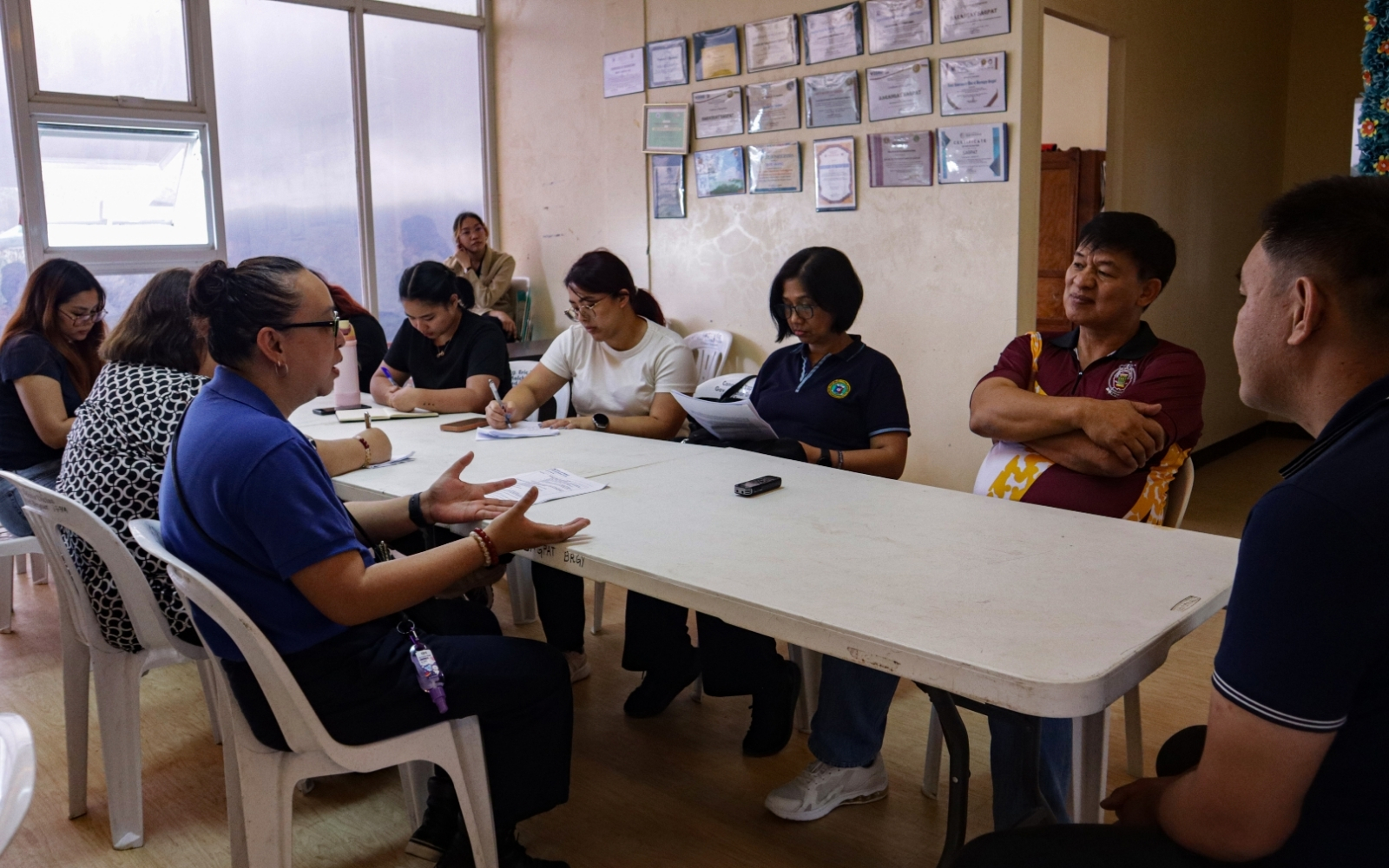
Josephine Fawayan, Development Management Officer IV of the Baguio-Benguet Provincial Department of Health (DOH) Office, amplified this concern by highlighting the double vulnerability of elderly women who serve as primary caregivers. These women, she noted, often balance caregiving with household management and livelihood activities while their spouses work elsewhere. “Care for the caregivers,” she urged, pointing out that DOH still lacks robust community-based rehabilitation programs. With only one physical therapist serving all 13 municipalities, many post-stroke patients miss the critical window for rehabilitation, leading to permanent stiffness and disability.
From Reflection to Action: A Three-Point Agenda
The Deep Dive was designed not merely to evoke empathy but to catalyze concrete action. Following the household visit and a structured processing session, Mayor Tello committed to immediate priorities aligned with his 2026 timeline. First, he will issue an executive order to integrate the work of various local government unit (LGU) committees on health, social welfare, and the like so that support systems operate cohesively rather than in isolation. He noted that while individual committees are functional, their fragmentation often results in duplicated efforts and missed opportunities.
Second, he prioritized the hiring of a municipal pharmacist to strengthen the PhilHealth Guaranteed and Accessible Medications for Outpatient Treatment (GAMOT) program. The Local Health Board had previously discussed this need, but the Deep Dive accelerated its urgency. Without a dedicated pharmacist, patients with maintenance medications for hypertension, diabetes, and other NCDs face dangerous gaps in treatment. Third, the Mayor committed to deepening community participation in health program design, implementation, and monitoring. “The community will not be part of what is being programmed if they will not be part of the decision process,” he argued. “When you are part of it, you will take care of it.” Programs imposed from above, he noted, rarely survive beyond the political term that created them.

“Health is Number One”
For Mayor Tello, the Deep Dive reinforced a philosophy he first articulated during his campaign. “Noong nagca-campaign ako, sabi ko tatlo lang ang kailangan ng bayan para mabuhay: health, education, economy,” he recalled. Without health, he argued, neither learning nor labor is possible. “Health is number one.”
He further committed to advocating with the Sangguniang Bayan for increased investment in satellite health facilities, particularly in geographically isolated areas. Some barangay health stations, he noted, lack even basic amenities like toilets and kitchens, making it difficult for health workers to serve their communities with dignity.
Dr. Catherine Chung, ZFF Local Health System Director, formally welcomed Kibungan into the network of over 700 LGUs that have completed the Deep Dive journey. The goal, she said, is to ensure that health governance is never purely statistical but always grounded in the lived realities of the people it is meant to serve.
What began as a household visit had become a blueprint for a more responsive, more humane local health system. Mayor Tello put it simply: without direct engagement, the LGU would have continued operating on assumptions. With it, Kibungan now has something more valuable than data: a story, a face, and a renewed sense of purpose.
Davao Oriental Confronts Malnutrition through Data-Driven Governance
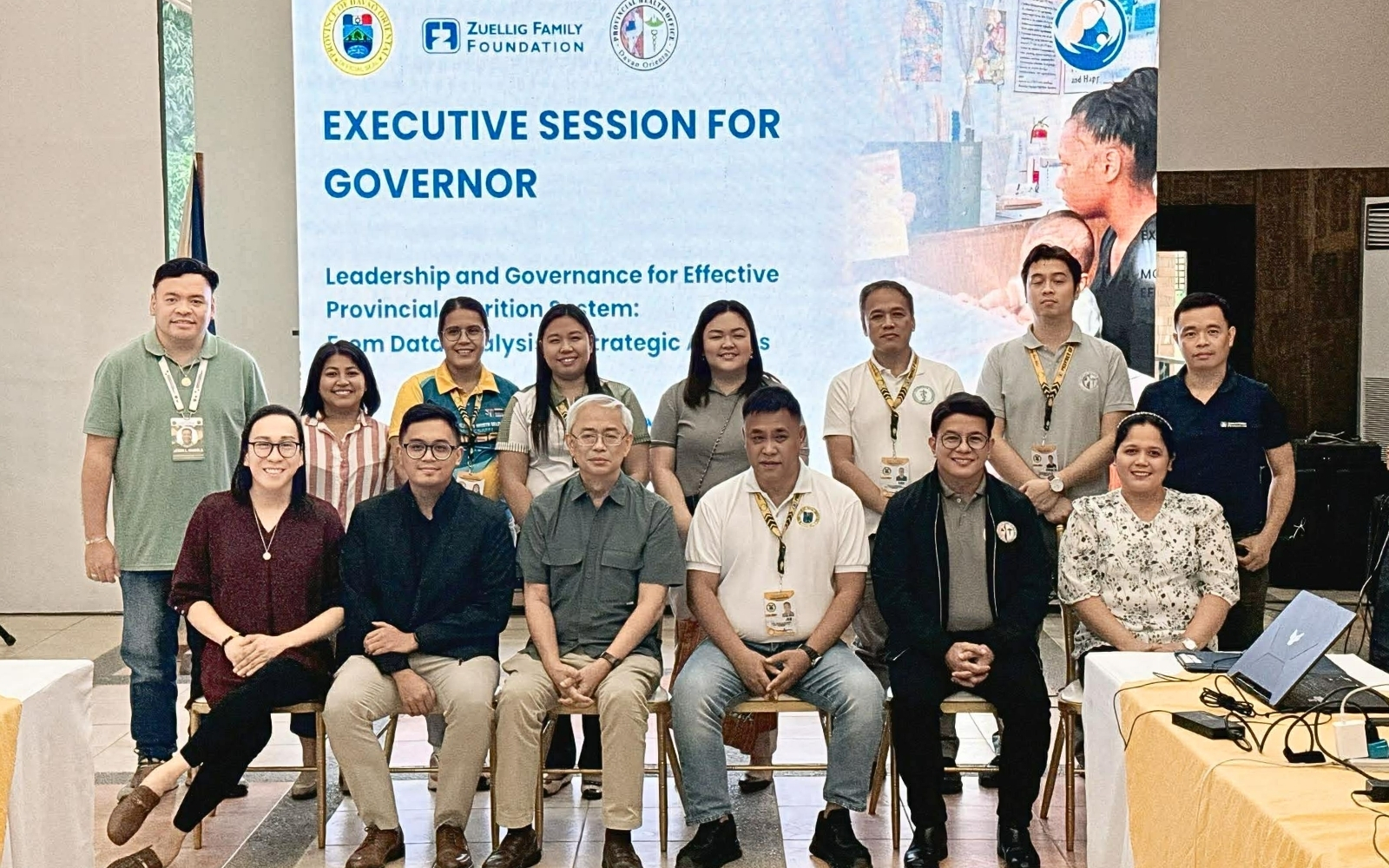
Davao Oriental has one of the lowest malnutrition rates in the Davao Region, yet nearly one in three residents lives below the poverty line. This disconnect took center stage on April 22, 2026, where Provincial Administrator MGen. Jose Eriel Niembra (PA Ret.) represented Davao Oriental Governor Nelson Dayanghirang in an executive session under Zuellig Family Foundation’s (ZFF) Nutrition Leadership and Equity Acceleration Program (NutriLEAP). The session gathered health officials and nutrition experts to present a comprehensive analysis of the province’s nutrition landscape and recommend responsive governance actions.
The Challenge: High Poverty vs. Low Malnutrition Rates
Dr. Reden Besaldo, Provincial Health Officer, presented the numbers behind the paradox. While Davao Oriental boasts some of the lowest malnutrition rates in the region, with stunting at only 4.44% and wasting at 0.64%, the socio-economic backdrop tells a different story.
Poverty incidence stands at 29.1%, nearly three times the national average. Despite a total health budget of Php 938.5 million, the annual nutrition investment has remained at Php 2 million from 2024 to 2026, translating to roughly to Php 3.33 per capita.
“We engage ourselves in this activity to better understand the current status of the province and determine how we can move forward from where we are now,” said Dr. Azin John Libanan, Provincial Government Assistant Department Head of the Provincial Health Office.
Critical Gaps in Workforce and Services
While the province meets the ratio for physicians (30 doctors) and has a Barangay Nutrition Scholar (BNS) in every village, the session revealed critical shortages:
- 116 additional nurses needed to meet the 1:10,000 ratio
- 89 additional midwives required
- 4,950 more Barangay Health Workers (BHWs) to hit the ideal 1:20 household ratio
Service delivery also showed disconcerting trends. Immunization coverage dropped from 75.8% to 60.57%, while Micronutrient Powder supplementation remains critically low at just 4.5% due to budget devolution. Furthermore, teenage pregnancy rates have risen to 16.1%, which experts labeled a significant barrier to nutrition targets.
Response to Data Paradox
Representing the Governor, Niembra acknowledged the disconnect between low malnutrition rates and high poverty incidence. He explained that while poverty limits access to nutritious food, Davao Oriental’s rural character provides families with alternatives such as growing their own food or seeking help from neighbors—advantages not available in highly urbanized areas.
Niembra assured the attendees of the Governor’s commitment: “The Governor is very positive and supportive of these initiatives. I am confident that he will fully embrace his responsibilities, being a man of action who genuinely desires a comfortable and decent life for all his constituents.”
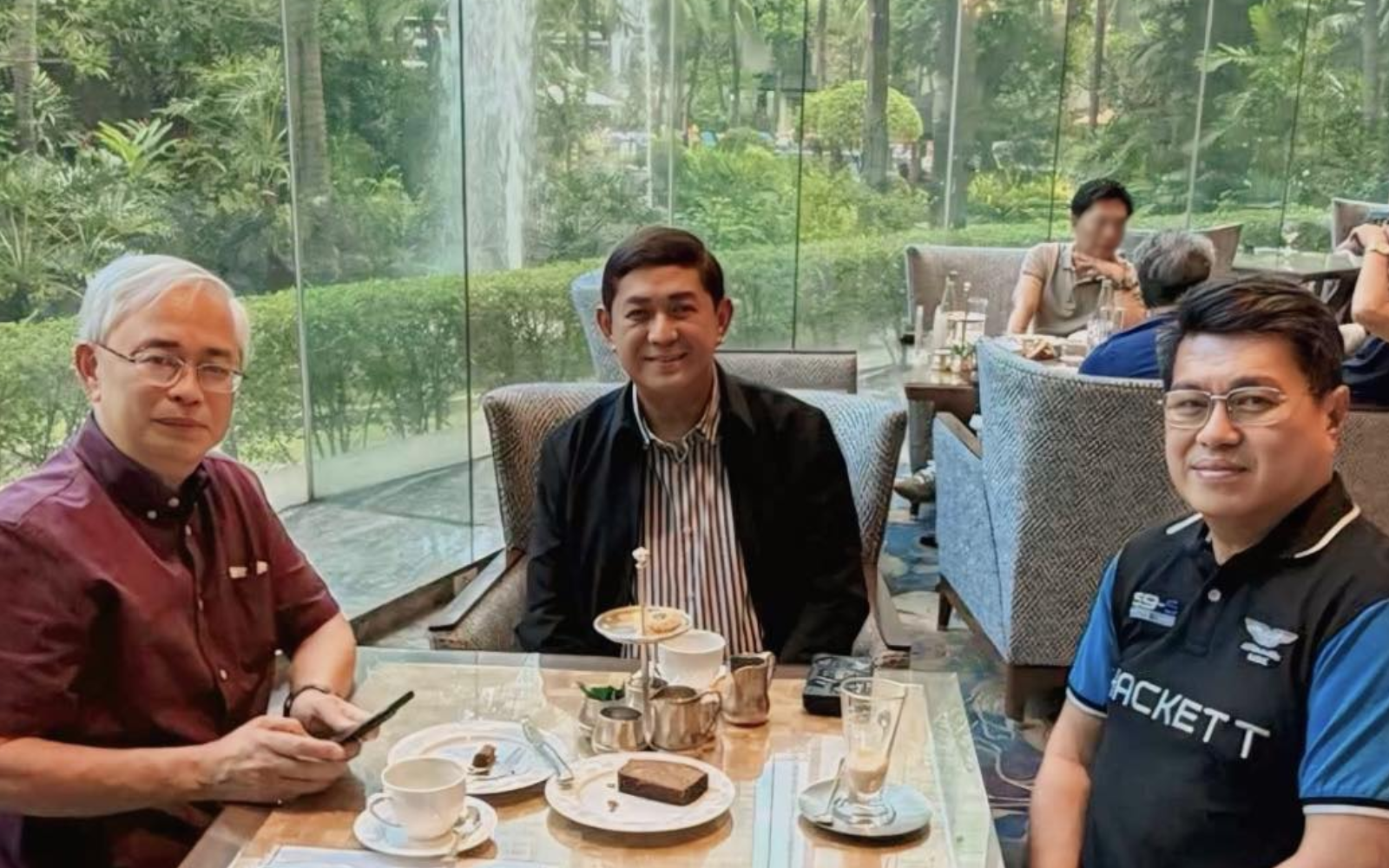
Following the April 22 session, Governor Dayanghirang met with ZFF President and Executive Director Austere Panadero on May 1, 2026. The Manila meeting bridged the technical groundwork laid during the session with the executive action needed to move the province’s nutrition agenda forward.
Authors: Krizzia Esperanza, ZFF Corporate Communications Associate; Alvin Acidre, ZFF Nutrition Project Expert
Catbalogan Families Graduate from Program That Rebuilt Parent-Teen Bonds
Fifteen parent-teen pairs in Barangay Payao, Catbalogan, Samar, celebrated their graduation from the Masayang Pamilya Teens (MaPa Teens) Program last March 28, 2026.
The nine-session hybrid intervention, implemented from October 2025 to March 2026, aimed to strengthen positive parenting, reduce child maltreatment, and open long-stifled conversations about adolescent and youth sexual and reproductive health (AYSRH). The MaPa Teens Program operates on a simple but powerful premise: better parent-teen relationships lead to healthier, safer adolescents.
At the graduation ceremony, families who completed the program shared how the curriculum transformed their relationships.
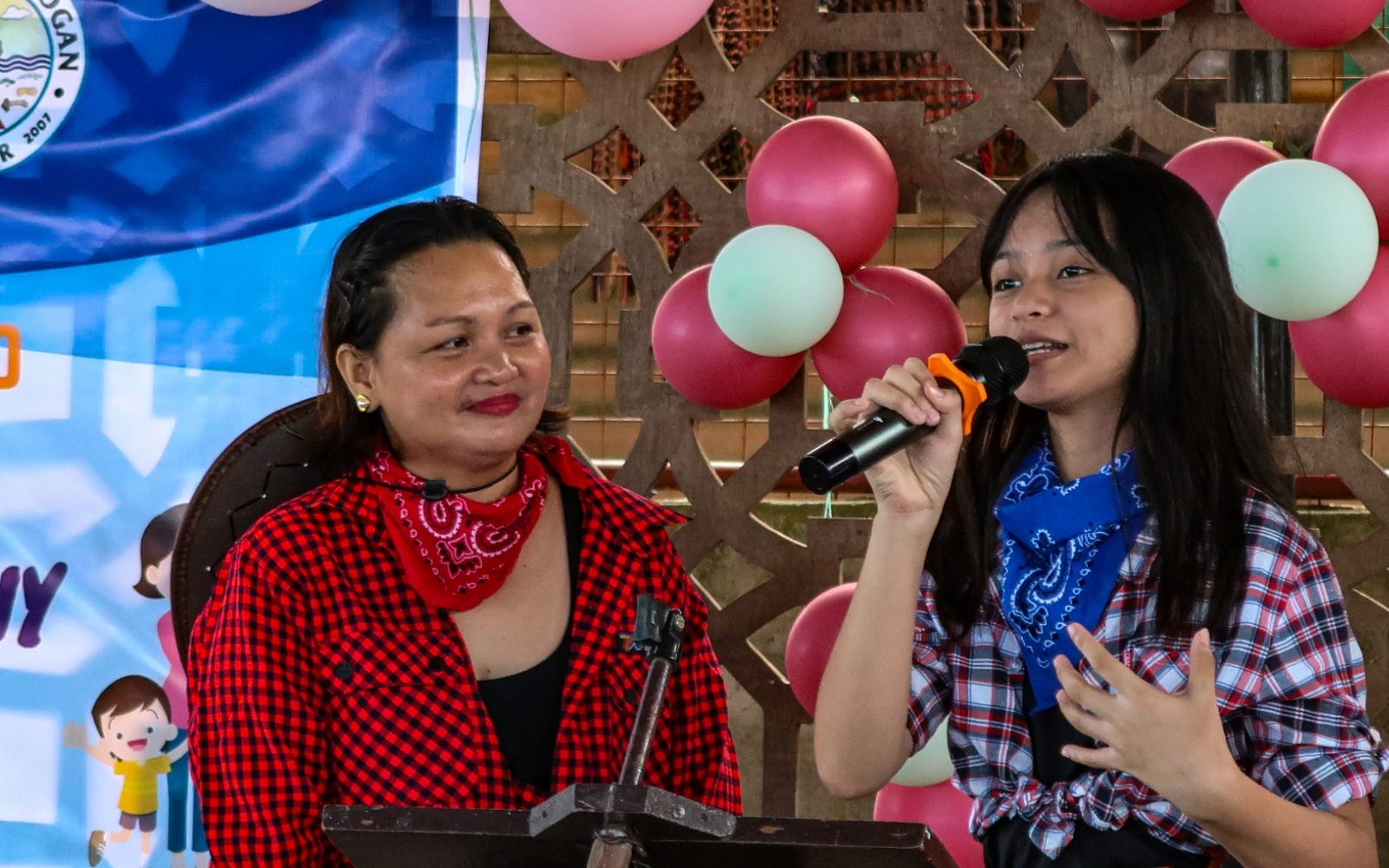
The program gave 14-year-old Kimberly her voice. Before MaPa Teens, she describes herself as a quiet child, unaccustomed to sharing her feelings with her parents. Her mother, Ofel, admits that before the program, she often reacted out of frustration rather than understanding. The nine modules gave her a framework, not just to discipline, but to listen. “Natutunan kong magsalita nang maayos at tama para sa aking anak, at lalo pang napalawak ang aking pang-unawa upang mas maintindihan at magabayan siya nang wasto,” Ofel said.
Another teen graduate, Precious, offered a distinction that resonated with many in attendance: family comes before friends. She notes that not all advice from peers proves helpful, making parental guidance a safer and more reliable support system. Her mother, Roxanne, spoke candidly about the challenges of balancing family schedules and responsibilities. Yet her family kept showing up. “Bilang mga magulang, hindi namin kayang bantayan ang aming mga anak sa lahat ng oras. Sa pamamagitan ng bukas na komunikasyon at pagkakaroon ng mas malalim na pag-unawa sa isa’t isa, napagtanto namin kung gaano kahalaga ang tamang pag-uusap,” Roxanne explained.
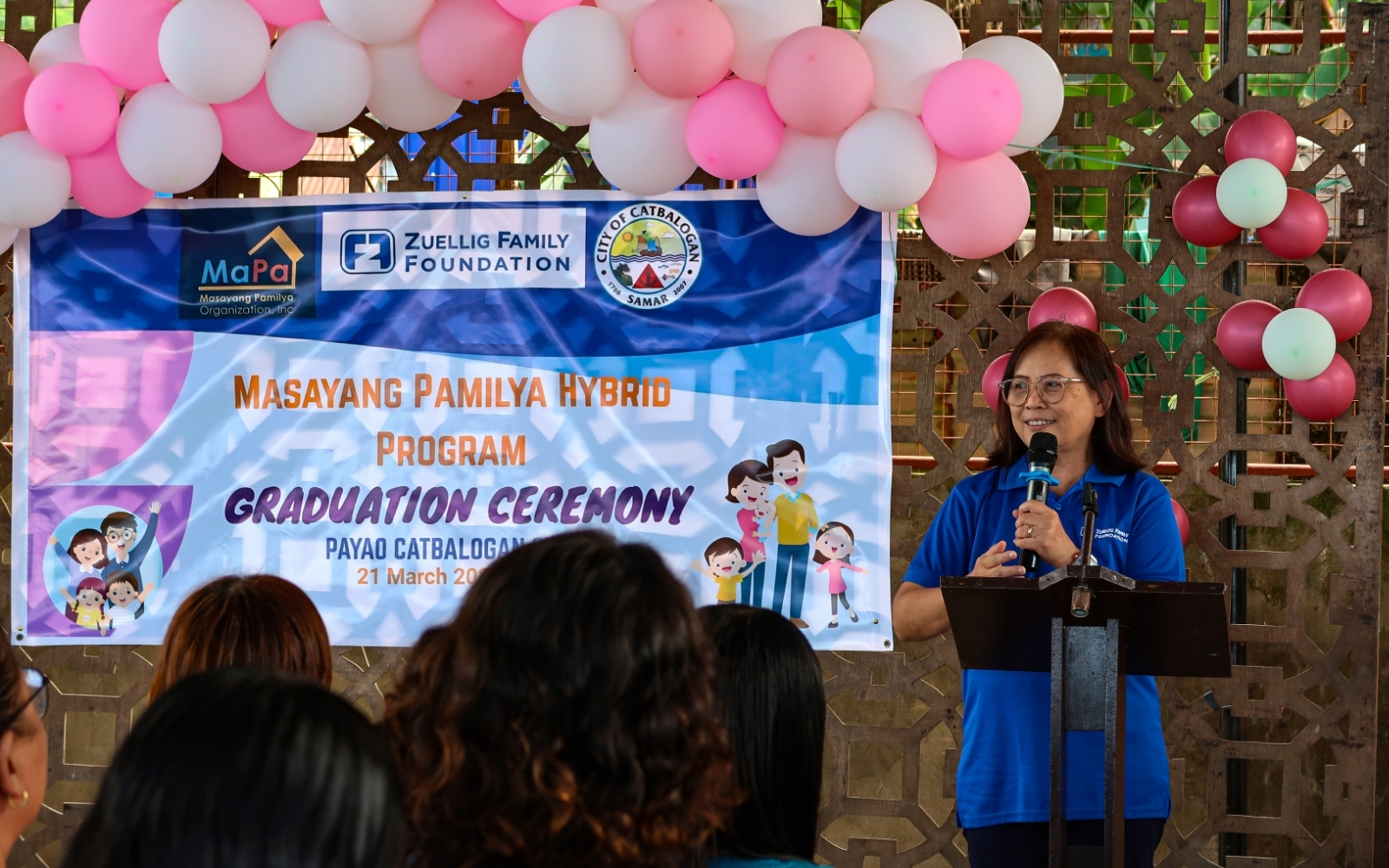
Dorie Lyn Balanoba, Director of the Expanded Youth Leadership and Governance Program at the Zuellig Family Foundation (ZFF), led the graduation ceremony with a mix of pride and honest acknowledgment of the MaPa Teens journey. The program emerged from data—city-led deep dives, research, and study—all pointing to the same conclusion: parents need help guiding their adolescents through a high-risk period. Balanoba urged graduates to share their learnings beyond their own homes: “Umaasa kami na maibahagi po ninyo sa ibang magulang o ibang mga kabataan ang inyong mga natutunan para sila rin ay magkaroon ng mas magandang komunikasyon at relasyon,” she said.
She also called on the local government to sustain the initiative, acknowledging that without barangay and city support, the program could not have materialized.
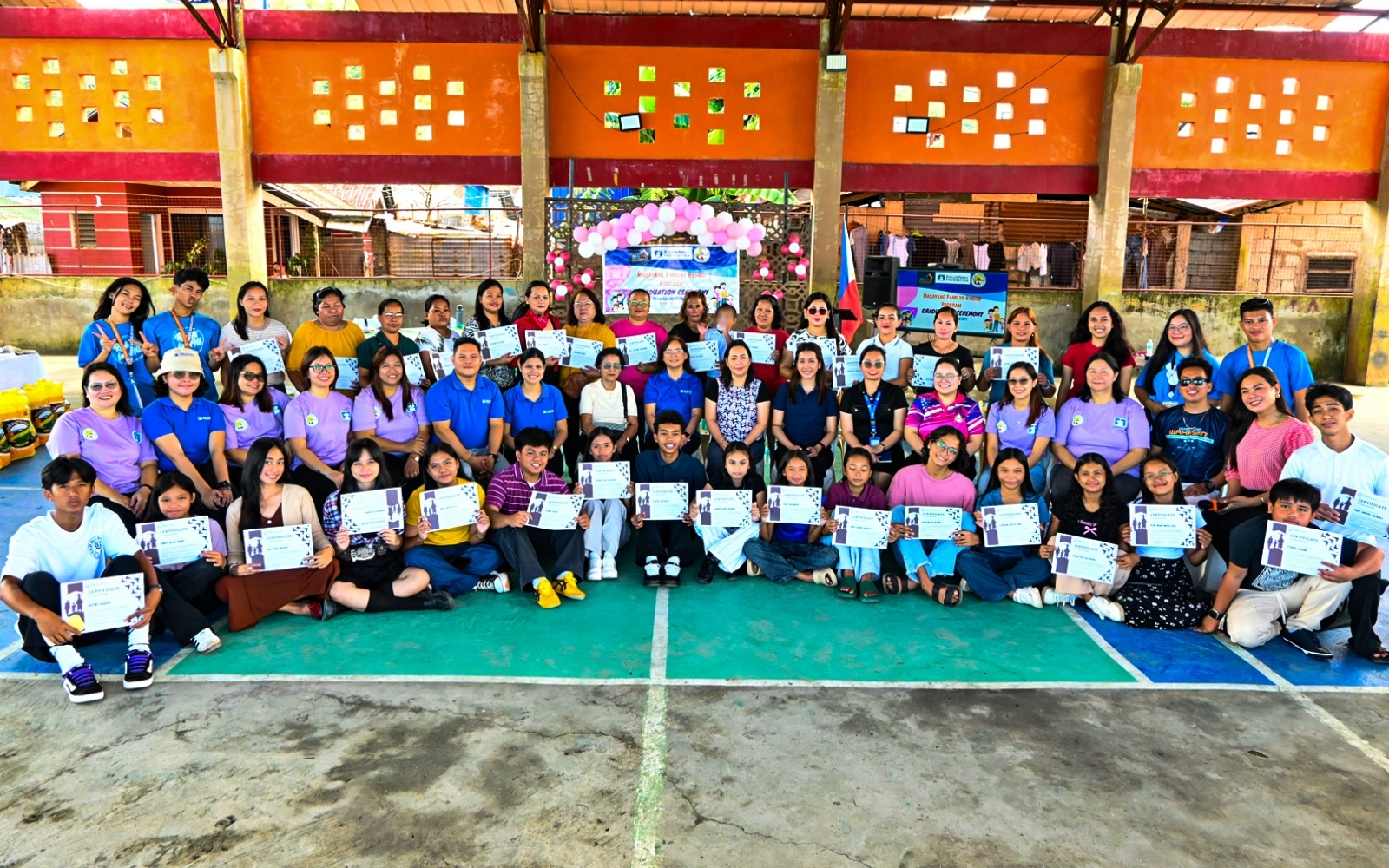
The Masayang Pamilya Teens was implemented by the City Health Office of Catbalogan in partnership with ZFF and the Masayang Pamilya Organization, Inc., with support from the Catbalogan City Social Welfare and Development Office and the City Population and Youth Development Office.
DOH-Central Visayas, Zuellig Family Foundation Sign Partnership for Health Leadership and Governance
The Department of Health (DOH)-Central Visayas and the Zuellig Family Foundation (ZFF) signed a Memorandum of Understanding on April 20, 2026, formalizing a strategic partnership to strengthen health leadership and governance capacities of local government leaders across the region.
DOH-Central Visayas Regional Director Dr. Joshua Brillantes and ZFF President and Executive Director Austere Panadero led the signing ceremony in Cebu City.
The agreement paves the way for implementing ZFF’s Bayang Malusog Leadership and Governance Program (BMLGP) in Central Visayas. The program includes the Provincial Leadership Development Program (PLDP) for provincial health teams consisting of executive sessions for governors, and technical assistance, coaching and mentoring on local health systems governance.
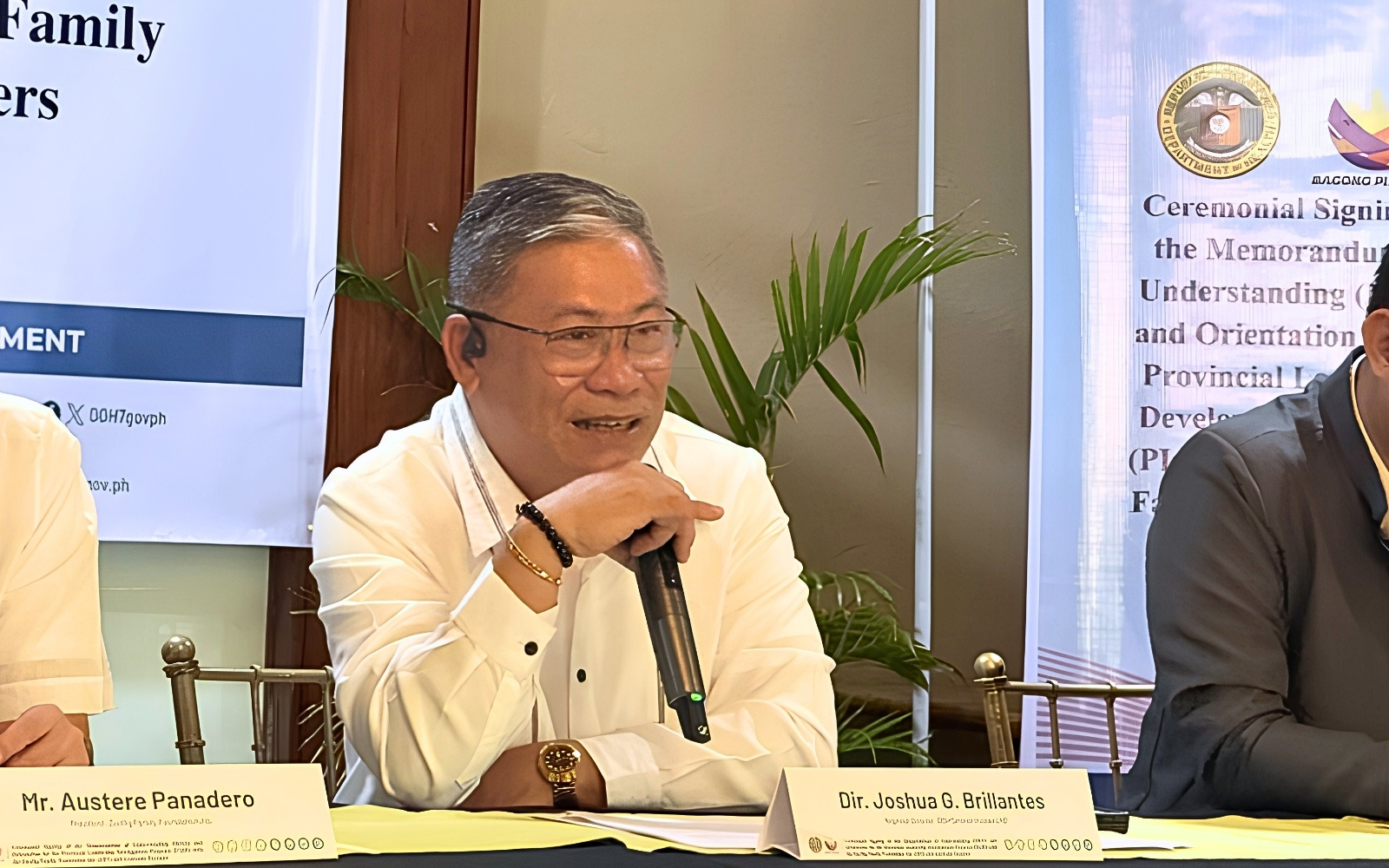
Brillantes noted that devolution makes the program essential. The 2018 Supreme Court ruling on devolution (the Mandanas case) and the subsequent signing of Executive Order 138 in 2021 give local government units (LGUs) a bigger share of national taxes. This means provinces, cities, and municipalities now have more money and more responsibility for basic services, including health. Brillantes said, “With devolution, [the program] really is needed by our local chief executives because there’s no direct command from DOH anymore, especially with health programs. [Local health systems governance] is now under the LGUs.”
The partnership also formalizes the inclusion of Central Visayas provinces into ZFF’s Bayang Malusog Community of Practice, a structured learning venue for regional and provincial stakeholders to share implementation strategies, challenges, and innovations on Universal Health Care (UHC).
In his message of support, Panadero acknowledged the ongoing challenges of UHC Law implementation: “The reality is that it’s not that easy. It is always a continuing challenge to get our LGUs to carry out everything that is being provided by law. Timing is very crucial here.”
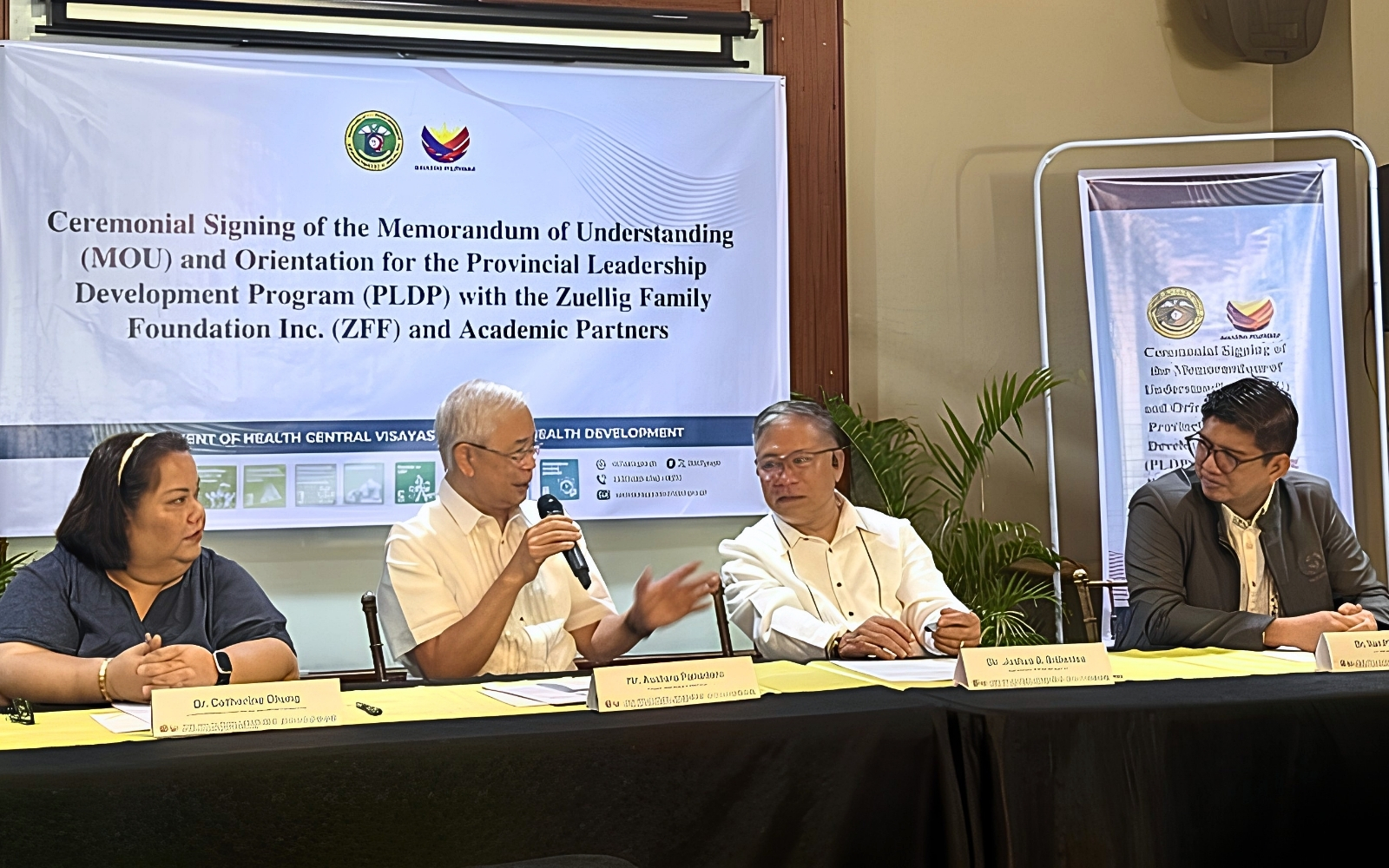
Panadero committed the Foundation’s continued support. “We are definitely on board, interested, and committed to work with you on this. With your leadership, we will all be able to put together something that we can all say contributed to the progressive realization of UHC. You cannot put everything in one place overnight.”
DOH-Central Visayas Local Health Support Division Chief Dr. Jonathan Neil Erasmo added, “[LGUs] are the last to know but the first to implement. We hope that with this initiative, we may be able to give them a fighting space so that they can implement programs guided by all of us, government and non-government, so that all our people and stakeholders will reap the benefits of UHC.”
The partnership aims to enable provincial health systems to become more responsive to province-wide health needs, deepen health leadership competencies, and establish integration mechanisms for priority health challenges.
The program will cover the provinces of Cebu and Bohol. Academic partners from the University of the Philippines Cebu and Cebu Normal University will provide technical assistance.
ZFF Strengthens Academic Partnerships for Health Leadership in Central Visayas
The Zuellig Family Foundation (ZFF) strengthened its academic collaborations in Central Visayas on March 31, 2026, as its leadership team met with two higher education institutions to advance the implementation of its Health Leadership and Governance Program (HLGP) in the region.
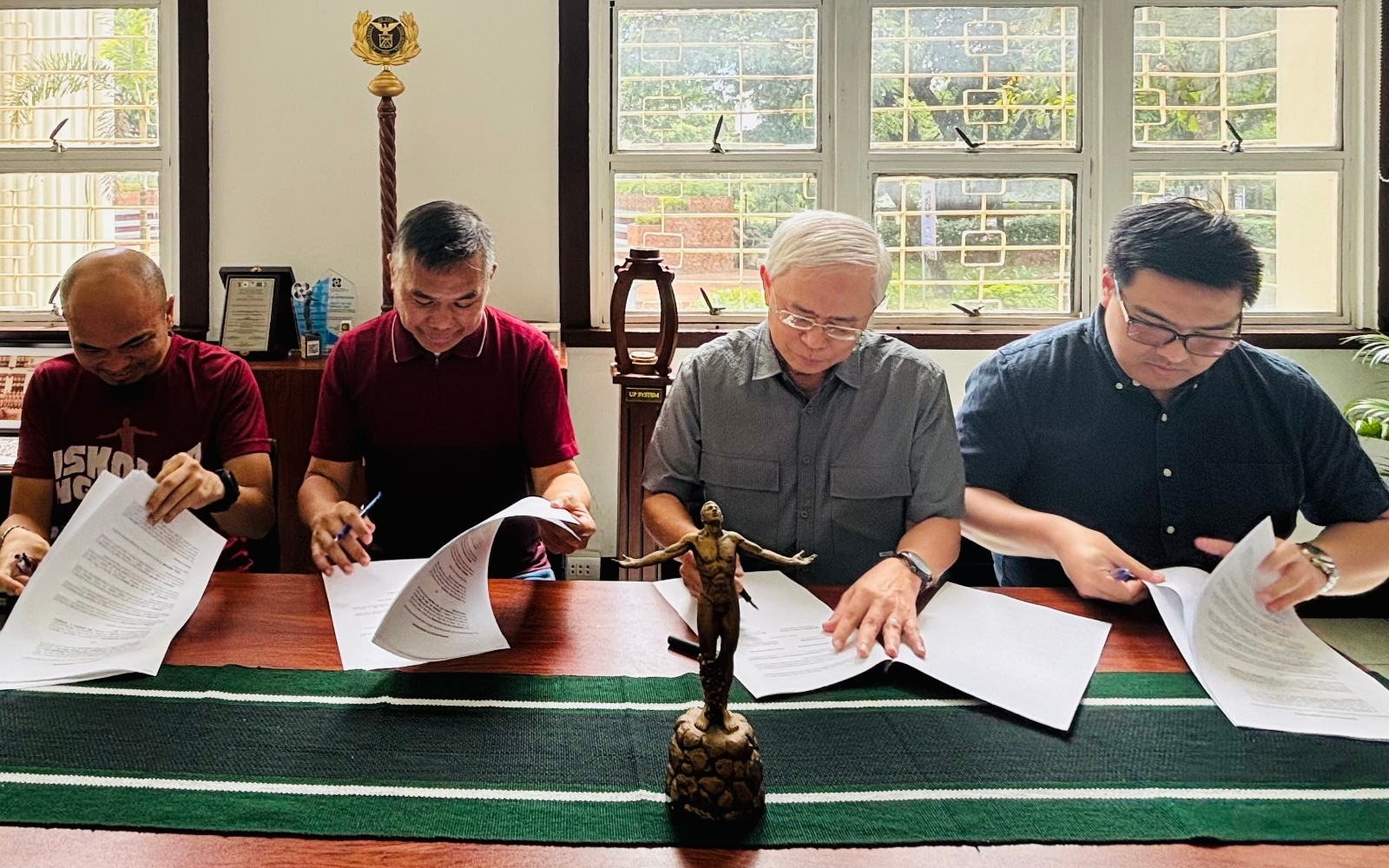
ZFF first met with the University of the Philippines (UP) Cebu, a new institution joining the Foundation’s pool of academic partners. The session brought together UP Cebu’s HLGP team and Chancellor Atty. Leo Malagar, who welcomed the partnership and affirmed the university’s commitment to supporting local health and nutrition systems development. The two parties formally signed the Memorandum of Understanding between UP Cebu and ZFF during the visit, marking the official start of the collaboration.
ZFF also met with the Cebu Normal University (CNU) HLGP team, led by its president, Dr. Laurence Garcia. Dr. Garcia expressed his full support for the partnership and granted approval to move forward with preparations for joint implementation.
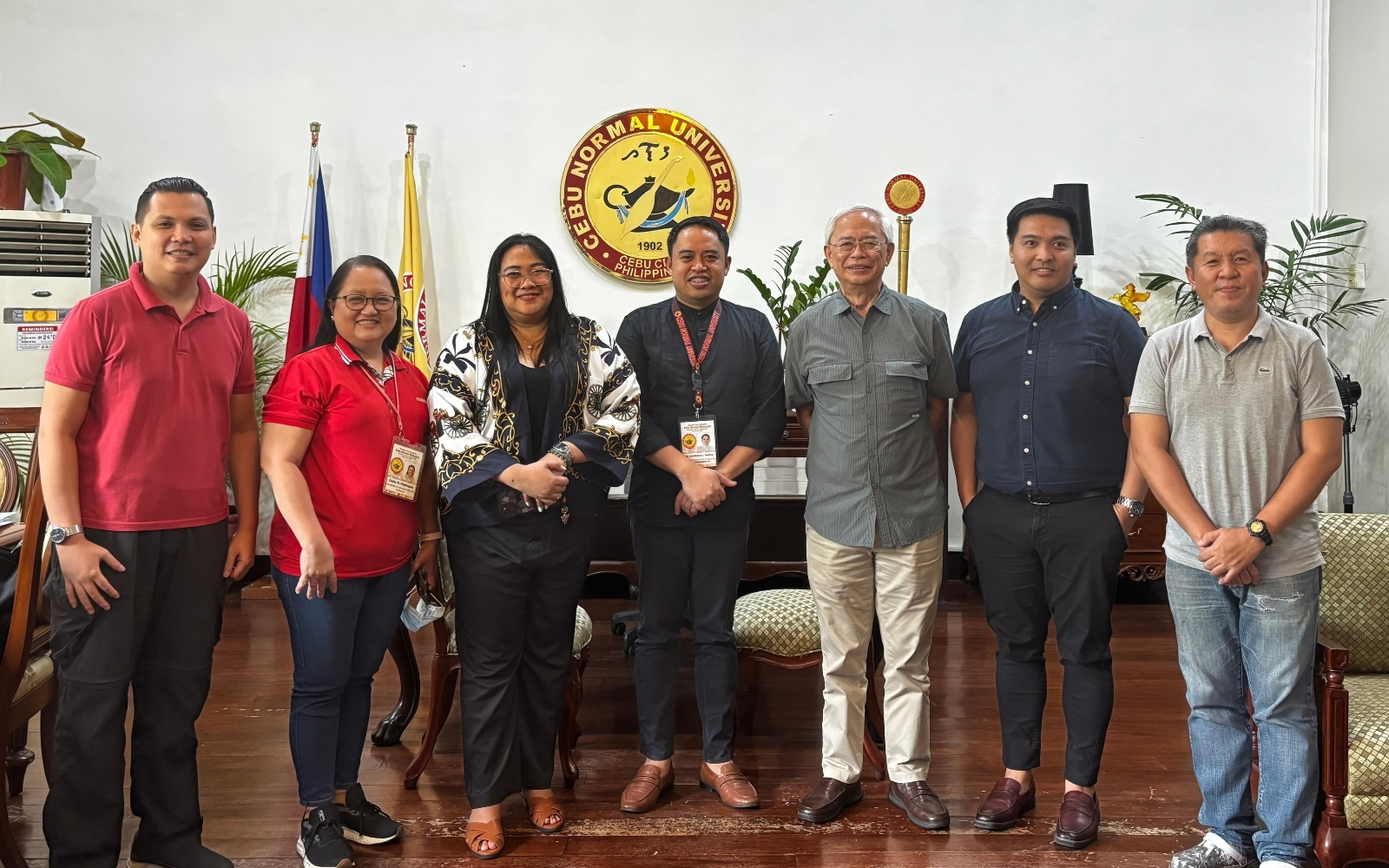
Austere Panadero, ZFF President and Executive Director, together with Philip Jerome Flores, Acting ZFF Institute Director, initiated these engagements, emphasizing the vital role of academic institutions in shaping future health leaders and sustaining governance improvements in local communities. These reinforce ZFF’s longstanding commitment to fostering strong academic partnerships as a cornerstone of its strategy to advance responsive, equitable, and enduring health systems across the country.
Ground-Level Insights on Adolescent and Youth Sexual and Reproductive Health from Paranas, Samar
The Zuellig Family Foundation (ZFF) sharpened its work on adolescent and youth sexual and reproductive health (AYSRH) by prioritizing age-specific approaches, focusing on preventing pregnancies among girls aged 10 to 14 and reducing adolescent pregnancies among those aged 15 to 19. This direction reflects ZFF’s commitment to delivering responsive, evidence-based interventions that meet the evolving needs of adolescents and local government unit (LGU) partners.
To support this work, ZFF conducted a landscape analysis to review current approaches and identify opportunities to strengthen strategies for very young adolescents. The analysis seeks to deepen understanding of existing systems, gaps, and enabling factors that shape adolescent protection and health outcomes.
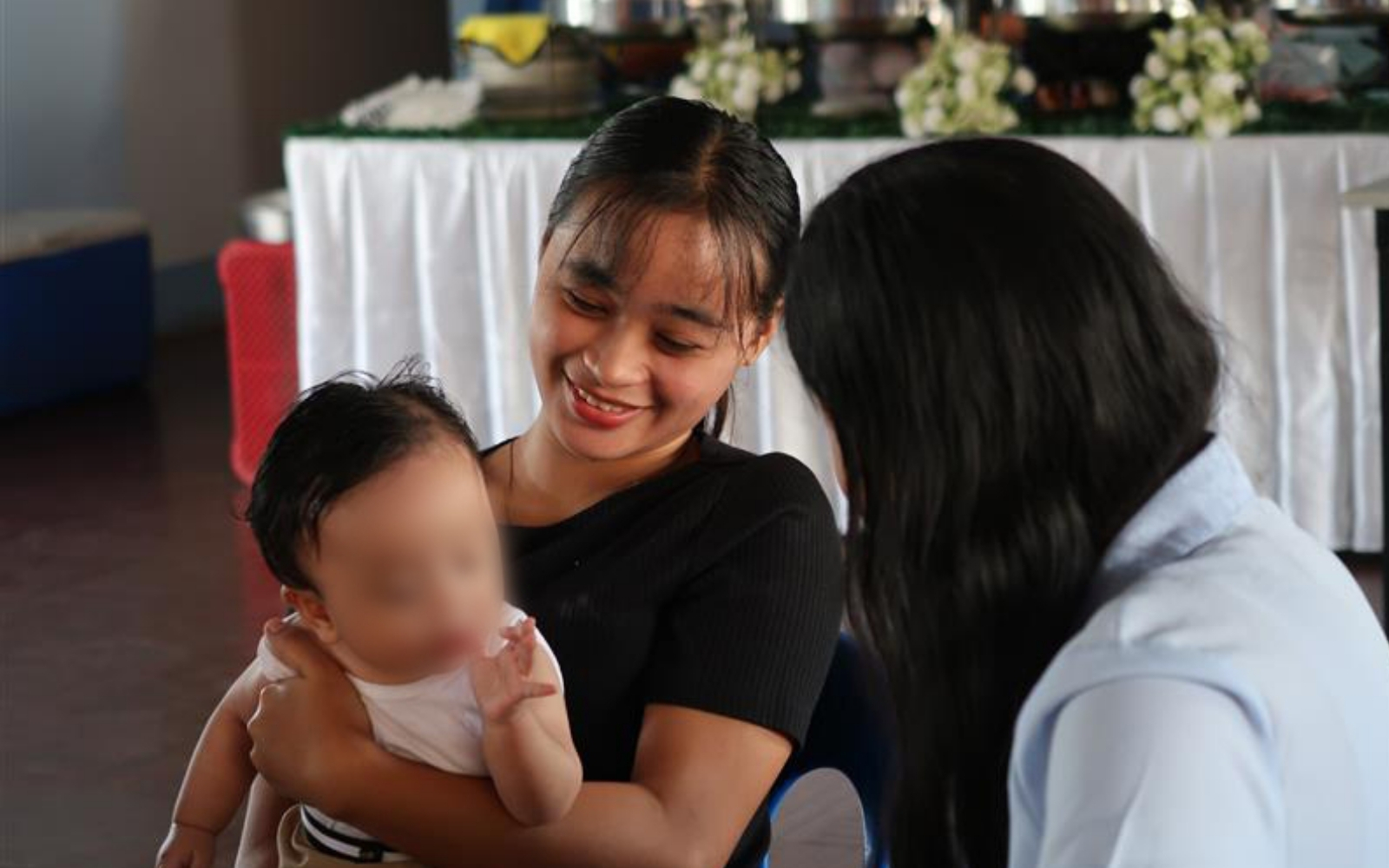
As part of this process, ZFF engaged key stakeholders and examined initiatives that contribute to adolescent protection and development. These include community-based mechanisms and organizations focused on child protection, family strengthening, and adolescent-focused programming, including efforts to support and strengthen Local Councils for the Protection of Children (LCPCs).
In Paranas, Samar, ZFF interviewed local leaders and the Paranas Peer Educators to learn from their experiences. These conversations yielded insights on effective practices, enabling factors, and challenges in preventing very early adolescent pregnancy and promoting adolescent protection at the community level. These learnings will help refine ZFF’s work on AYSRH and guide the design of future interventions.
A Local Reality: The Case of Paranas
Paranas, Samar, offers a clear window into adolescent vulnerability at the local level.
For years, many children remained unheard, and existing programs did not adequately prioritize their needs. Adolescent concerns often fell behind other local priorities—particularly livelihood programs—while health and protection issues received less attention. Service delivery also suffered because some providers remained reluctant to address adolescent concerns.
Over time, these gaps became more visible. Cases of adolescent pregnancy, malnutrition, and children at risk rose steadily—challenges rooted in persistent poverty, limited access to education, and gaps in prioritizing adolescent-focused interventions within local governance.
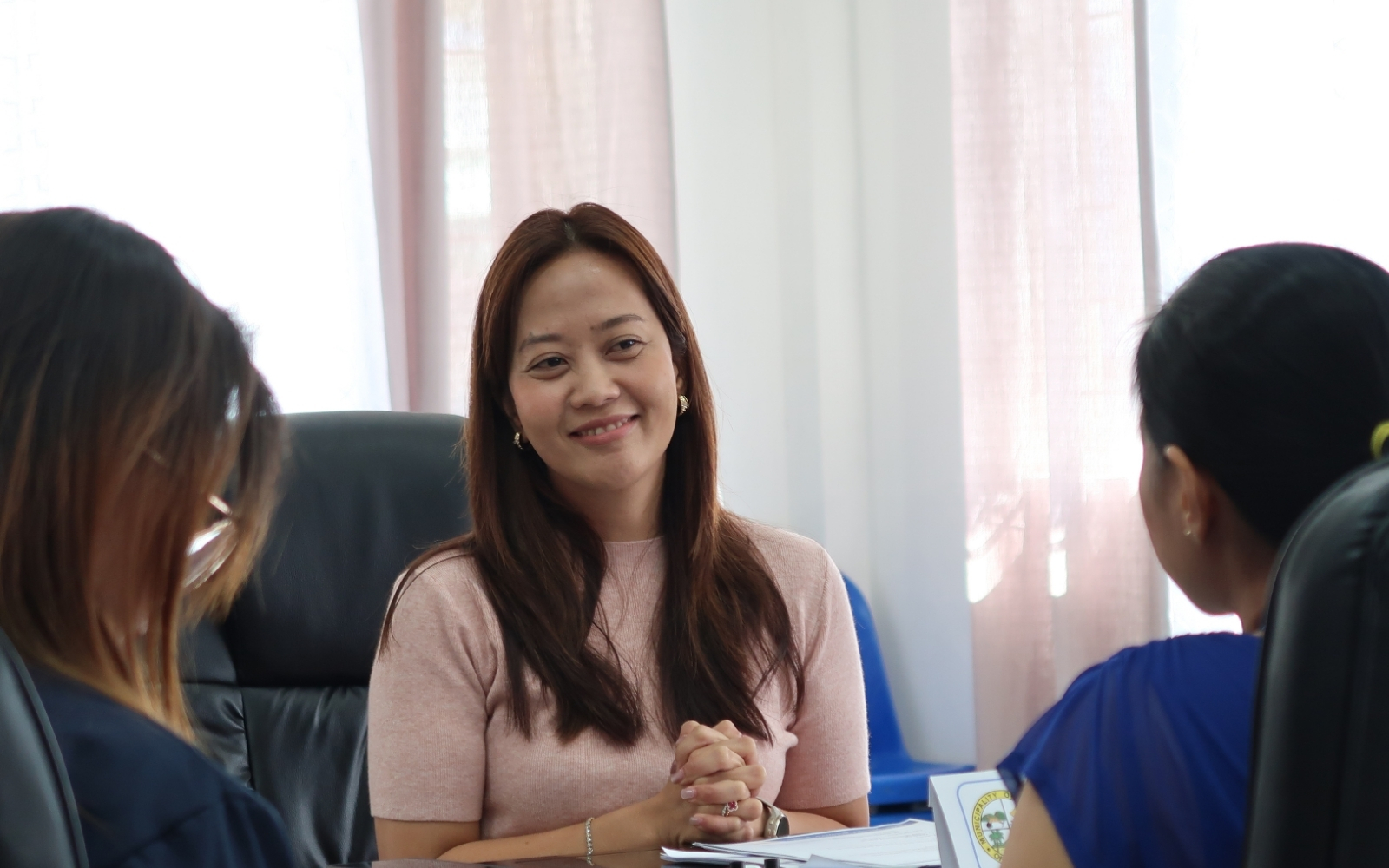
“We focused on giving more sustainable livelihood programs, as we perceived that it was the major problem. So the prioritization for programs for the youth and children was not given top consideration by the LGU,” reflected Vice Mayor Eunice Babalcon.
But emerging local data revealed alarming trends, including a surge of 80 adolescent pregnancy cases during the pandemic—placing Paranas among the municipalities with the highest incidence. The data made the urgent need for a strategic shift unmistakable.
Leadership in Action: Translating Insights into Local Ownership
For local leaders in Paranas, this situation became an opportunity to rethink how programs are designed and sustained.
Vice Mayor Babalcon emphasized: “The learnings we gained from ZFF’s Health Leadership and Management Program guided me in putting data into action. When we saw that an intervention introduced to us was effective, the local government takes full ownership. We institutionalize it through local policies, integrate it into our plans and budgets, and continuously adapt it to our community context to ensure sustained impact.”
This marks a shift toward stronger governance—where effective interventions move beyond implementation to become embedded within local systems, supported by local financing, and continuously adapted to meet evolving needs.
Voices from the Ground: Youth as Partners in Change
At the community level, Paranas also demonstrates the vital role young people play in addressing adolescent issues.
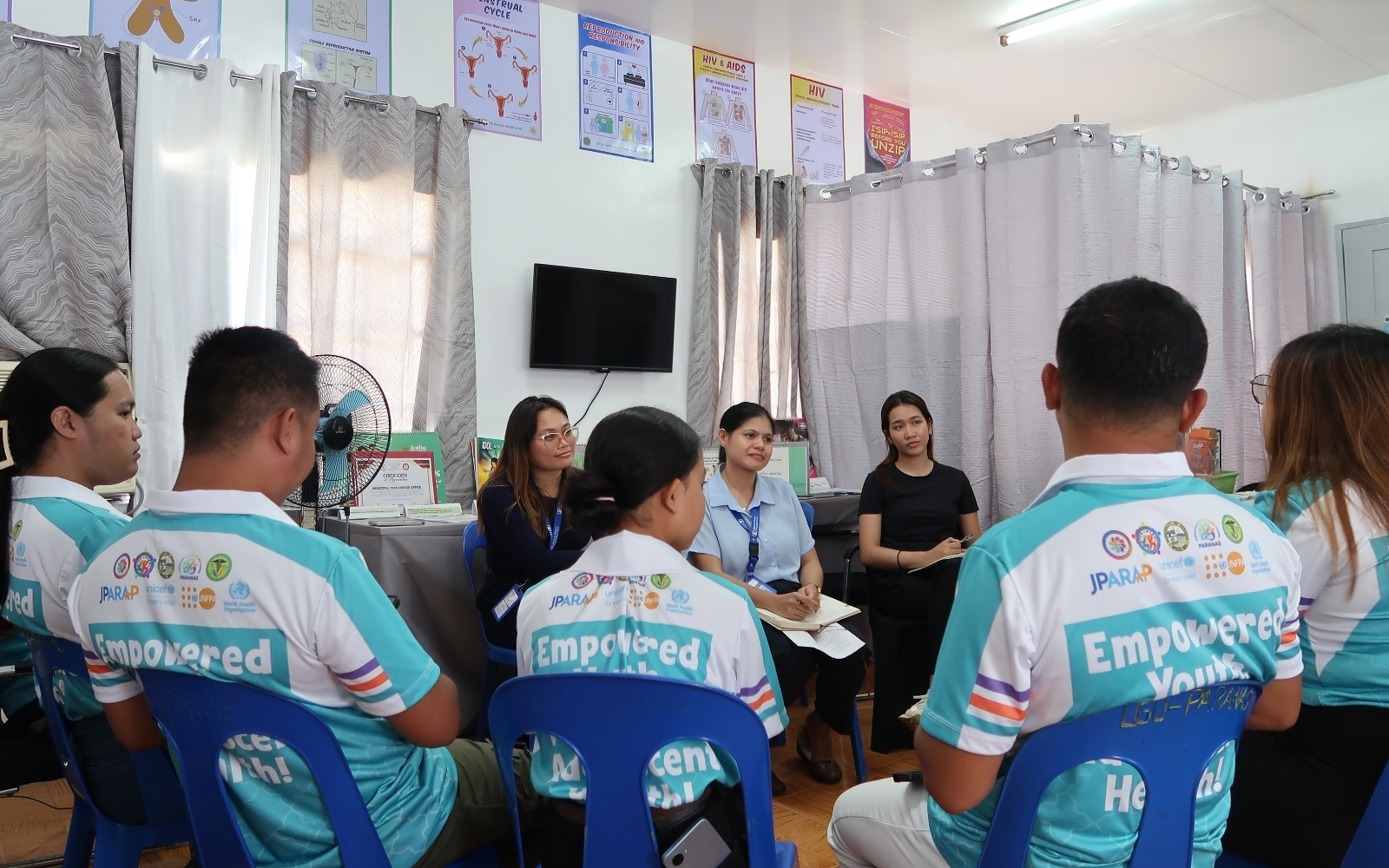
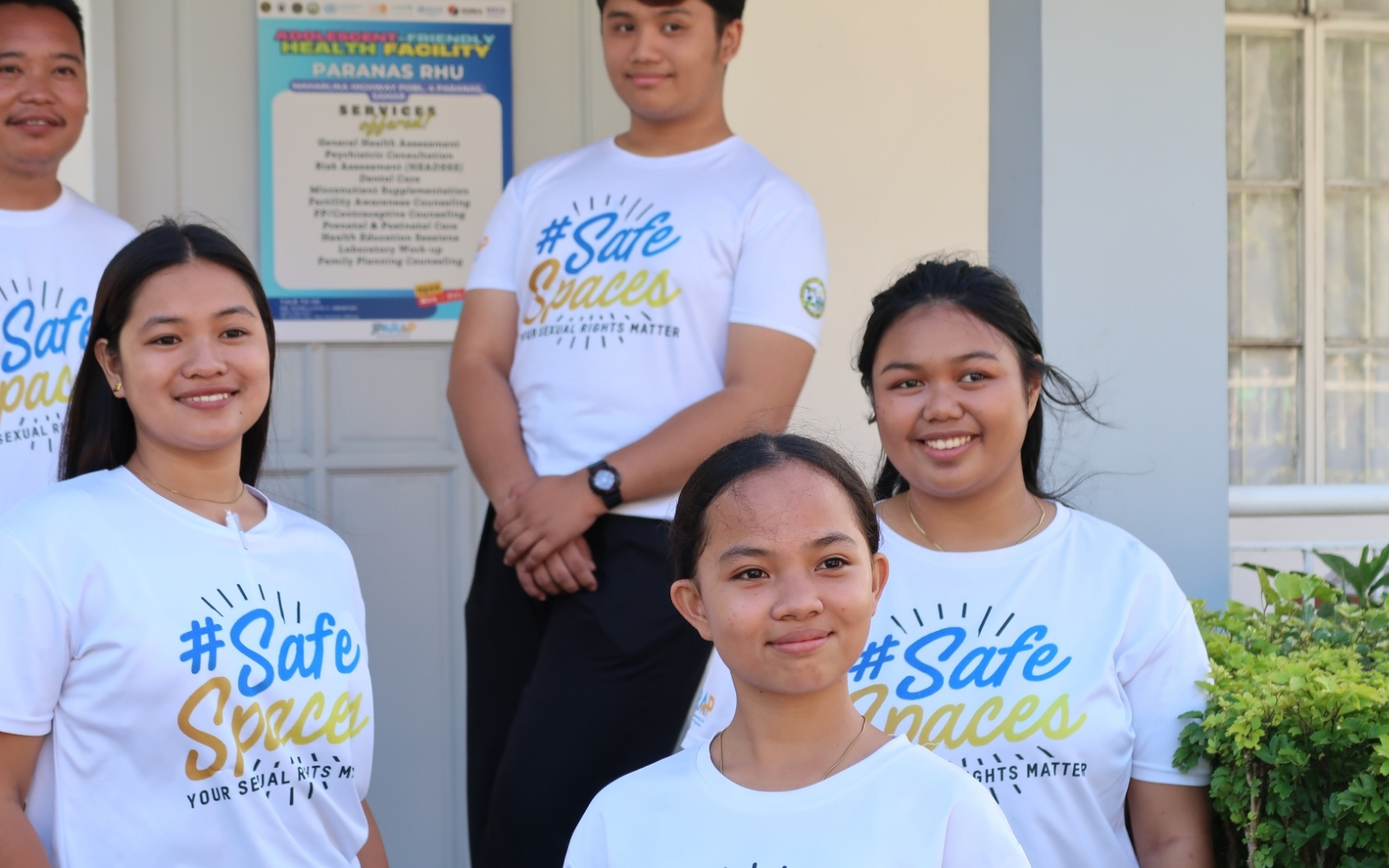
The Paranas Peer Educators, established through earlier initiatives, now take on key roles in promoting adolescent health and protection. Through barangay outreach, school-based sessions, and participation in the Baranggayan—a quarterly municipal initiative that delivers health and child protection services to every barangay—they raise awareness about adolescent pregnancy, mental health, and protection issues.
Their experiences underscore the value of peer-led approaches: young people are more open and receptive when learning from fellow youth who share their realities.
At the same time, the Peer Educators continue to navigate challenges such as stigma, resistance from some parents, limited funding, and difficulty engaging certain groups. These realities point to systemic gaps that the ongoing landscape analysis continues to explore—and reinforce the need for sustained, multi-sectoral responses.
From Learning to Action
Although the landscape analysis remains ongoing, the experience of Paranas already offers valuable lessons for developing responsive, context-specific interventions.
It shows that addressing adolescent vulnerability—particularly among 10 to 14-year-olds—requires more than isolated efforts. It demands strong local leadership, integrated systems, active youth engagement, and sustained ownership at the LGU level.
As ZFF continues to refine its AYSRH work—grounding it in evidence and local realities—learnings from communities like Paranas help shape more responsive approaches to protecting and supporting adolescents.
Author: KC Lyn Razon, ZFF AYSRH Learning and Development Associate
“No Time to Wait”: Health Leaders Push to Accelerate Digital Health in the Philippines
Health leaders convened on March 25, 2026, for a brownbag session hosted by the Zuellig Family Foundation under its Bayang Malusog Community of Practice. The session explored collaborative strategies for advancing digital health adoption in support of Universal Health Care (UHC) implementation.
Dr. Ayedee Ace Domingo, co-author of the paper “Digital Health Ecosystem of the Philippines: Current State, Challenges, and Opportunities” developed for ZFF in 2025, presented key insights. The paper maps the country’s digital health landscape and reveals that while the Philippines has a wide range of digital health systems, it still lags behind the ASEAN average in health information technology (IT) readiness. It also identifies three major barriers: incomplete digital health governance, the absence of digital health legislation, and limited financial incentives for digital health.
The session emphasized that local health systems cannot afford to delay digital transformation, especially as health financing, service delivery, and data-driven decision-making grow increasingly interconnected. However, many local implementers remain uncertain about how to anchor their digital health efforts amid evolving national directives. Dr. Domingo stressed that waiting for perfect guidance is not an option. “Our patients and we do not have the luxury to wait,” he said, underscoring the need for local systems to move forward while remaining compliant with national standards.
Attendees enriched the discussion by sharing on-the-ground realities of implementing health information systems. Key issues raised included a lack of clear implementation guidance, challenges in aligning with PhilHealth and Department of Health (DOH) requirements, unstable internet and electricity, and the need for permanent IT positions in local health offices.
One participant noted, “It’s critical to look into the local health information exchange,” reflecting a growing push among local health leaders to connect systems across facilities and achieve interoperability. The session also surfaced a shared view that digital health systems should enhance facility operations and reduce administrative burdens.
Participants also called for building digital health capacity earlier by integrating health information systems and digital health concepts into the curriculum of health-related courses.
The brownbag session brought together representatives from Aklan, Apayao, Baguio, Benguet, Batangas, Dagupan, Eastern Samar, Nueva Vizcaya, Quezon, Northern Samar, La Union, Pangasinan, Isabela, Biliran, and Ifugao, as well as representatives from DOH Centers for Health Development (CHD) Regions 1, 4A, 8, and CAR.
The Bayang Malusog Community of Practice is an initiative led by the Zuellig Family Foundation’s Local Health Systems unit. It provides a platform for collaboration and learning among health leaders as they implement UHC in their respective provinces.