Strengthening Negros Occidental Provincial Leadership for Nutrition
Following the executive session with Negros Occidental Governor Eugenio Jose “Bong” Lacson as part of the Zuellig Family Foundation (ZFF)’s Nutrition Leadership and Equity Acceleration Program (NutriLEAP), the province is taking concrete steps to advance its nutrition agenda through stronger governance and local leadership. On June 3, 2026, ZFF met with the Provincial Government of Negros Occidental to map out context-specific pathways for implementing NutriLEAP and supporting the province’s nutrition priorities.
Key developments include reconstituting the Provincial Nutrition Committee (PNC), strengthening the Provincial Health Office’s role in convening the NutriLEAP Core Team, and aligning nutrition initiatives with the upcoming local planning and budgeting cycle.
The discussions also included plans to roll out Nutrition Leadership for Development (NutriLE4D) with mayors and Municipal Nutrition Action Officers (MNAOs) across priority municipalities to ensure nutrition stays a strategic investment during the critical July planning and budgeting season. NutriLE4D is a specialized course designed to train participants with leadership and governance capacities to effectively implement and sustain nutrition programs.

As Negros Occidental builds stronger systems for nutrition, ZFF remains committed to supporting local leaders. Together, they are creating sustainable, data-driven, community-centered solutions for better nutrition outcomes that last.
Author: Samantha Morales, ZFF Nutrition Knowledge Management and Communications Associate
How Central Visayas is Building a Replicable Model for Universal Health Care Acceleration
Acting ZFF Institute Director Philip Jerome Flores presents the partnership runway with academic institutions, highlighting the role of universities in sustaining health leadership and UHC implementation.
While Universal Health Care (UHC) implementation often encounters challenges such as fragmented efforts and gaps in governance capacity, a new initiative in Central Visayas is proving that strategic partnerships can break through these barriers.
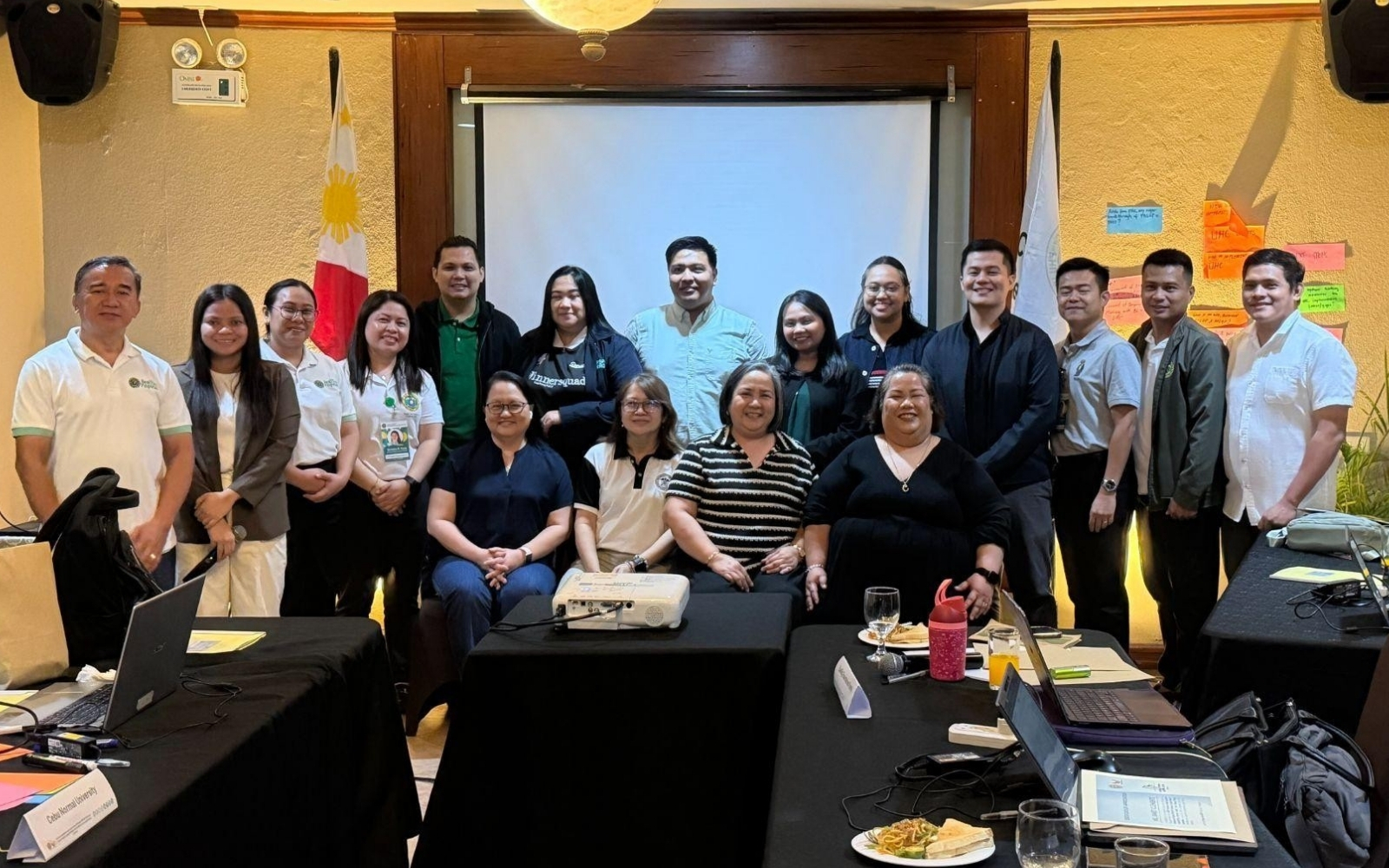
On June 2–3, 2026, the Zuellig Family Foundation (ZFF), through its Local Health Systems and Institute for Health Leadership teams, convened a joint Training of Trainers with the Department of Health-Center for Health Development (DOH-CHD) Central Visayas, the provincial health teams of Cebu and Bohol, and academic partners from the University of the Philippines (UP) Cebu and Cebu Normal University.
Related article:
But beyond the usual capacity-building activity, this event signaled a deliberate shift to embed UHC acceleration into the daily operations of local health systems by creating a sustainable, multi-level training pipeline.
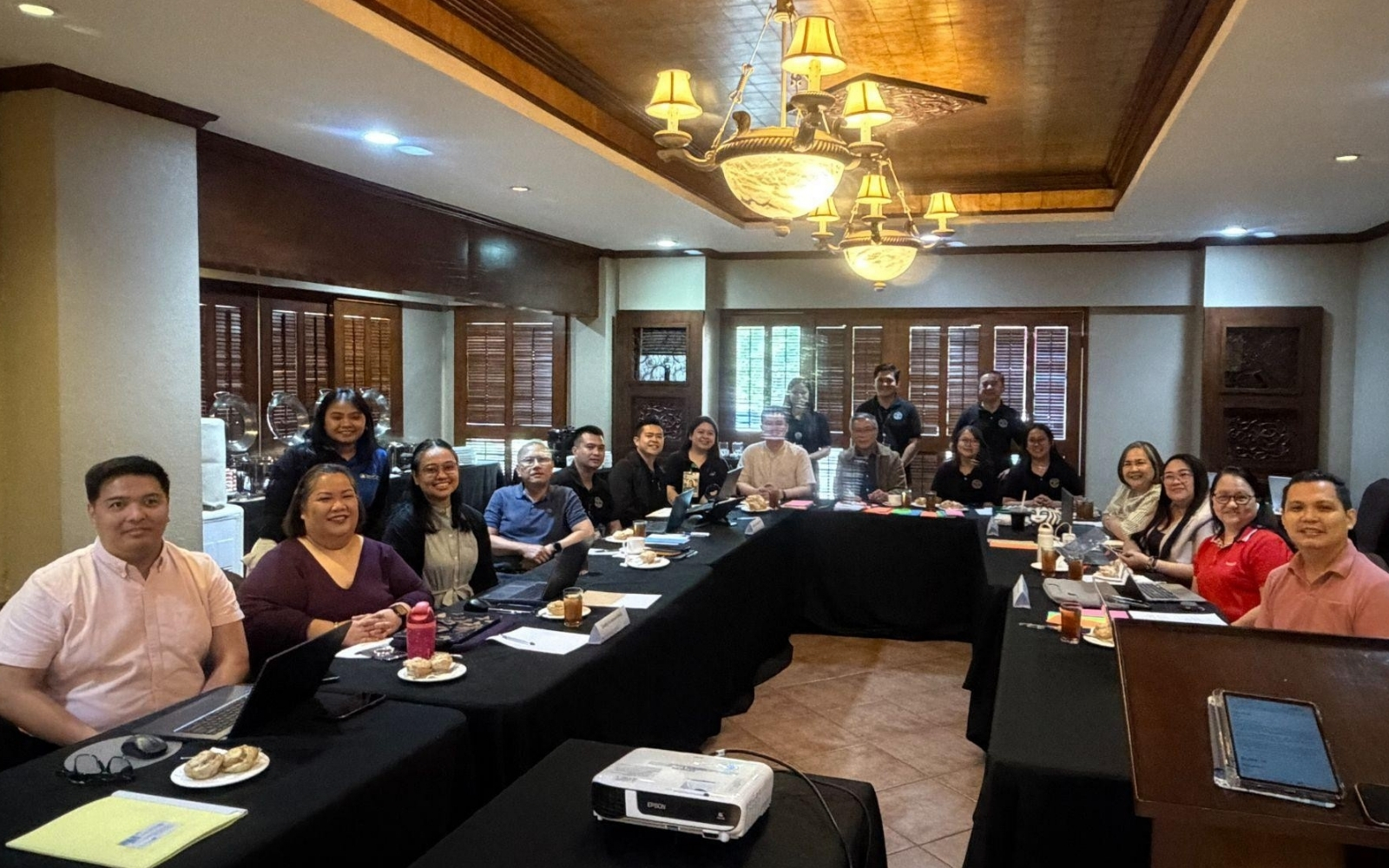
Why this approach works. Instead of relying solely on external consultants or intermittent national programs, the training equips DOH technical staff and provincial health leaders themselves to become internal trainers. This means local governments no longer wait for top-down directives. They gain the on-the-ground ability to strengthen primary health care continuously, adaptively, and accountably.
DOH-CHD Central Visayas Regional Director Joshua Brillantes captured the core insight during the opening. Collaboration between DOH, local government units, academic institutions, and ZFF is re-engineering how health governance functions at the municipal and provincial levels.
The Bayang Malusog advantage. ZFF’s Bayang Malusog Learning and Governance Program provides the foundation and framework: leadership development, governance strengthening, and multi-sectoral collaboration. However, the pivot in Central Visayas is the formal integration of academic partners, UP Cebu and Cebu Normal University, into the training ecosystem. This ensures that evidence, local data, and community realities directly shape how health leaders are trained.
What this means for other regions. The Central Visayas model offers three replicable lessons for UHC implementation nationwide:
- The “train the trainer” model works especially when it targets both DOH and provincial teams simultaneously.
- Academic integration bridges theory and practice, preventing classroom solutions from failing in real-world settings.
- Leadership continuity, not just one-off workshops, drives long-term responsiveness.
As the region continues its UHC journey, this partnership demonstrates that accelerating health reform is about embedding the capacity to lead, train, and adapt within local institutions. For other regions struggling with slow UHC rollout, Central Visayas is building the blueprint.
Catalyzing Local Actions Towards Resilient Health Systems at the Philanthropy Asia Summit
During the Philanthropy Asia Summit 2026 last May 18 to 20, 2026, Zuellig Family Foundation (ZFF) President and Executive Director Austere Panadero spoke on how to catalyze local governments towards resilient health and nutrition systems.
Since 2016, ZFF has been working with local governments on health and nutrition governance through improved leadership capabilities. From our journey with local governments, we shared these lessons:
- Resources matter: Devolution gives local governments responsibility for health and nutrition service delivery, but not all local governments have the funds and capacity to deliver.
- Working together creates impact: Real progress happens when local governments, civil society, and private partners converge to support nutrition plans.
- Local leadership drives change: Through ZFF’s Pook Malusog programs like the Nutrition Leadership and Equity Acceleration Program (NutriLEAP), which builds the capacity of local leaders to govern their nutrition systems better, we’ve seen provinces strengthen systems, reduce stunting, and improve maternal and child nutrition.
At a session of Philanthropy Asia Alliance, Panadero also shared how poverty and gender inequality drive systemic inequities from one generation to the next. Fragmented delivery systems, activity‑based financing, and siloed interventions often limit impact. Change begins when governments move beyond sector-based actions using governance as an anchor for systemic reforms.
The challenge for philanthropists is ensuring that their advocacies enable changes towards more resilient systems. Sustainable interventions are those that allow local governments to balance urgent priorities and lead the changes to better outcomes.
The Summit amplified the call for collective action: resilient health and nutrition systems cannot be built by one institution alone. To truly dismantle intergenerational drivers of inequality, we need empowered local governments, gender‑responsive approaches, systemic reforms, and partnerships that endure across generations.
ZFF is committed to catalyzing local actions towards resilient health and nutrition systems to end cycles of malnutrition and advance equity for women, children, and communities across the Philippines.
Committed to Quality Healthcare: Quezon Province Develops Its Own Health Information System
Kris Conrad Mangunay, Provincial Health Officer I, Provincial Government of Quezon
The Province of Quezon holds steadfast in its commitment to Universal Health Care with Health Information Hub (HIH), a custom health information system (HIS) developed by Bizbox Inc. for the province.
Kris Conrad Mangunay, Provincial Health Officer I of Quezon, discussed their vision for the development of HIH during Zuellig Family Foundation (ZFF)’s Bayang Malusog Community of Practice session on HIS Strengthening.
Quezon adopted a different strategy for implementing their HIS. Instead of adopting a pre-existing system offered by other companies, Quezon already had a vision of what they wanted to do.
“Meron kaming isang malaking spreadsheet ng process flow [ng] lahat ng kailangan namin na programs at workflow na sinabi namin kailangan namin ng ganitong system,” Mangunay said. Ease of use, accessibility, and data security were also important attributes considered in Quezon’s HIS Selection.
Phased development and engagement for HIH were utilized for its rollout. Initial talks with Bizbox started in 2023 with the use of the KONSULTA Module Beacon system. Afterwhich, KONSULTAInformation System (KIS) 1.0 and 2.0 were used by the province as the groundwork for HIH, with all of the data encoded in KIS being available in the updated system.
HIH features a user-friendly dashboard which contains the electronic medical records with PhilHealth Primary Care Benefit Integration. Medicine dispensing is also available in the system, with the telemedicine module for development. Health programs for public health are also present alongside Field Health Services Information System recording.
Although constant feedback and evaluation have been done for HIH, Mangunay noted that there is no one ‘best’ system for everyone, and that other features must also be explored and developed. He also noted that resistance may also be expected from component facilities due to the system’s higher learning and adaptation curve.
“Madaling ituro iyong paggamit ng system sa bawat indibidwal. Iyon na siguro ang pinakamadaling maturo sa kanila. Pero iyong for the entire local health system, for the entire process of primary care facility to [Rural Health Units] to hospitals… kailangang in-sync lahat,” Mr. Mangunay noted. In the latter half of 2026, the Province of Quezon hopes for a full rollout of HIH with all of its features.
—
On May 6, 2026, ZFF convened the Bayang Malusog Community of Practice—a learning platform for health officials across the Philippines—to strengthen HIS as the backbone of health reform. The session brought together 17 provinces, one city, and representatives from five DOH regional offices, each sharing diverse operational realities and digital health maturity levels to advance Universal Health Care. Read more about the event here.
Quick Medical Record: Leyte’s Digital Health Breakthrough
Leyte Governor Carlos Jericho Petilla
As part of the Zuellig Family Foundation (ZFF)’s Bayang Malusog Community of Practice session on Health Information System (HIS) Strengthening, the Province of Leyte presented a strong example of the influence of local health leaders to use digital innovation and improve healthcare delivery and patient management.
Leyte Governor Carlos Jericho Petilla shared the province’s experience in implementing its locally-developed HIS, the Quick Medical Record or QMeR, not just as a technology project, but as a strategy in achieving Universal Health Care (UHC).
Governor Petilla emphasized that health is a primary concern for every family because one serious illness can wipe out a person’s savings. For him, a successful healthcare system must address not only service delivery, but also proper financing, accurate claims, and efficient use of resources. This is why Leyte designed QMeR to capture data at the point of care, ensuring that patient information is available when and where it is needed.
QMeR also supports Leyte’s PhilHealth claims processing by improving report generation and electronic claims transmission. Because of QMeR, Leyte reported that its provincial hospital sees around 65% of claims paid within 30 days, with a return-to-hospital rate of only about 2-3%.
Another key feature of QMeR is its electronic referral function. Governor Petilla stressed that UHC cannot function without a proper referral system. Through QMeR, patients referred from rural health units (RHUs) to hospitals can be accepted digitally. Their records are shared and made available by the receiving facility, which reduces duplication of diagnostic tests and improves continuity of care.
Leyte is also currently exploring artificial intelligence (AI) as part of the back-end support for QMeR. As summarized by Governor Petilla, AI can help amplify diagnostic capability by supporting health workers in tasks such as transcribing voice orders, suggesting appropriate ICD-10* codes, assisting in clinical diagnostics, and providing instant readings for X-rays and electrocardiograms—all with validation and confirmation from health professionals. A public health surveillance dashboard was also demonstrated, showing how AI can help track disease trends, epidemic thresholds, and map cases.
Despite these advancements, Governor Petilla acknowledged that there are still challenges, including connectivity, hardware procurement, training personnel, and municipal-level adoption of QMer. He noted that some health workers may resist using tablets or digital tools, while others remain cautious about AI.
Leyte’s experience highlights an important lesson that health digitalization must be supported by leadership, policy, infrastructure, and a willingness to change old practices. With QMeR, Leyte shows how a locally developed system can turn health data into a tool for a more accountable public health management.
—
On May 6, 2026, ZFF convened the Bayang Malusog Community of Practice—a learning platform for health officials across the Philippines—to strengthen HIS as the backbone of health reform. The session brought together 17 provinces, one city, and representatives from five DOH regional offices, each sharing diverse operational realities and digital health maturity levels to advance UHC. Read more about the event here.
* 10th revision of the International Statistical Classification of Diseases and Related Health Problems
Aklan’s Local Health Information Exchange: Putting Aklanons at the Center of Digital Health
From left to right: Dr. Catherine Chung, Zuellig Family Foundation (ZFF) Local Health Systems Director; Dr. Leo Ismael, Aklan Provincial Health Officer I; Dr. Manuel Dayrit, ZFF Chairman
The Province of Aklan is taking steps toward building a more connected and responsive health information system through its Local Health Information Exchange (LHIE).
Presented by Dr. Leo Ismael, Provincial Health Officer I of Aklan, during ZFF’s Bayang Malusog Community of Practice session on Health Information System (HIS) Strengthening, the Aklan LHIE reflects both the promise and difficulty of digital transformation in local public health.
Serving a population of more than 600,000 residents across 17 municipalities and 327 barangays, Aklan manages an extensive health network. At present, the province uses the Department of Health (DOH) systems iClinicSys and Integrated Hospital Operations and Management Information System (iHOMIS). All 21 primary care facilities have reportedly implemented a functional electronic medical record system, showing that the province has already made significant progress.
However, Dr. Ismael emphasized that having multiple digital systems does not automatically mean having an integrated health system. Currently, Aklan’s patient information remains fragmented. Referral coordination is still largely done through phone calls or Messenger, while health data is often encoded days or weeks after care has been provided. This delay increases the risk of errors and limits timely clinical and management decisions
Another major challenge is the interoperability of data systems. Clinical data may already exist in several systems, but these systems are not yet fully connected. This makes it difficult for health workers to access a complete view of patient care. The province is also facing practical constraints, such as limited information and communications technology (ICT) human resources and equipment gaps.
Dr. Ismael stressed that relying on encoders is not ideal. For HIS to work in real time, doctors, nurses, and other health workers must be the ones to encode data directly during or immediately after service delivery. This approach can improve accuracy and reduce delays. It also encourages health workers to treat data not as a separate administrative burden, but as part of quality patient care.
Aklan’s LHIE direction is anchored on interoperability, facility readiness, usability, technical support, compliance with national standards, and alignment with government procurement processes. The province recognizes the need for a dedicated and committed ICT team that can support implementation, troubleshooting, and long-term system sustainability.
The key lesson from Aklan’s experience is that health digitalization is not just about buying software. It requires planning, investment, policy support, trained personnel, and strong leadership from local chief executives. Most importantly, the chosen health information system must fit the local context and actual needs of the province.
Aklan’s journey shows that a connected LHIE can lead to greater transparency, better accountability, more efficient service delivery, and stronger evidence-based decision-making. While the work is still ongoing, the province offers a practical reminder to other LGUs: build systems that serve people, support health workers, and make data useful at the point of care.
—
On May 6, 2026, ZFF convened the Bayang Malusog Community of Practice—a learning platform for health officials across the Philippines—to strengthen HIS as the backbone of health reform. The session brought together 17 provinces, one city, and representatives from five DOH regional offices, each sharing diverse operational realities and digital health maturity levels to advance Universal Health Care. Read more about the event here.
Baguio Showcases Locally-developed Electronic Medical Record System
Francis Camarao, Information Technology Officer II, Management Information Technology Division, City Government of Baguio
Pioneering an electronic health information system in the Cordilleras, Baguio City developed its own electronic medical system (EMS) dubbed the Baguio Medical Records System (BMRS) to track data and improve health outcomes in the city.
Francis Camarao, Information Technology Officer II from the city’s Management Information Technology Division, narrated the journey of BMRS, as well as its impacts and challenges, during the Zuellig Family Foundation (ZFF)’s Bayang Malusog Community of Practice session on Health Information System (HIS) Strengthening.
Before BMRS, both local health leaders and patients faced a myriad of problems in navigating their healthcare journey. Data silos and fragmentation of workflows limited the planning for policies and program appropriations. Meanwhile, patients reported difficulties in claiming their health benefits due to lack of claims visibility.
Baguio had a goal in mind: a unified patient record, improved service delivery reports, reduced manual processes and fragmented systems, and prevent excessive vendor subscriptions. Most importantly, Baguio wanted to achieve universal health goals.
The introduction of BMRS allowed both policy-makers and patients to utilize existing health records and claims. Current features of the BMRS include patient management, consultation and basic services, electronic PhilHealth claim services, and public health program data including immunization and nutrition.
Baguio invested in their health information system, and the results speak for themselves. According to Camarao, the utilization of BMRS allowed for faster patient data retrieval, improved decision-making, better reporting and tracking, and cost-efficiency.
However, the development of BMRS didn’t come without challenges. Although costs are reduced over time, the upfront investment needed to develop the system can account for a majority of the expenses and continuous funding for its maintenance are needed. Additionally, skilled personnel, developed through capacity training, are also needed for the use of BMRS.
For Baguio City, it is important to invest in people and in systems. Although the development of a health information system is a daunting task, Camarao advised local governments to start small, and scale strategically. Camarao ended his report with a strong message, “A stronger health system begins when every patient is seen, every story is heard, remembered, and acted upon with care.”
—
On May 6, 2026, ZFF convened the Bayang Malusog Community of Practice—a learning platform for health officials across the Philippines—to strengthen HIS as the backbone of health reform. The session brought together 17 provinces, one city, and representatives from five DOH regional offices, each sharing diverse operational realities and digital health maturity levels to advance Universal Health Care. Read more about the event here.
Cotabato’s Province-Led Push for Better Nutrition
From left to right: Dr. Eva Rabiya, Cotabato Provincial Health Officer II; Austere Panadero, ZFF President and Executive Director; Governor Emmylou “Lala” Mendoza, Provincial Government of Cotabato; Dr. Joyce Ann Viar, ZFF Nutrition Director; and Rachel Paradiang, ZFF Project Manager for NutriLEAP.
Executive Coaching with Governor Emmylou “Lala” Mendoza under the Zuellig Family Foundation (ZFF)’s Nutrition Leadership and Equity Acceleration Program (NutriLEAP)
In the Province of Cotabato, leadership, data-driven governance, and local ownership are shaping the next phase of nutrition reforms.
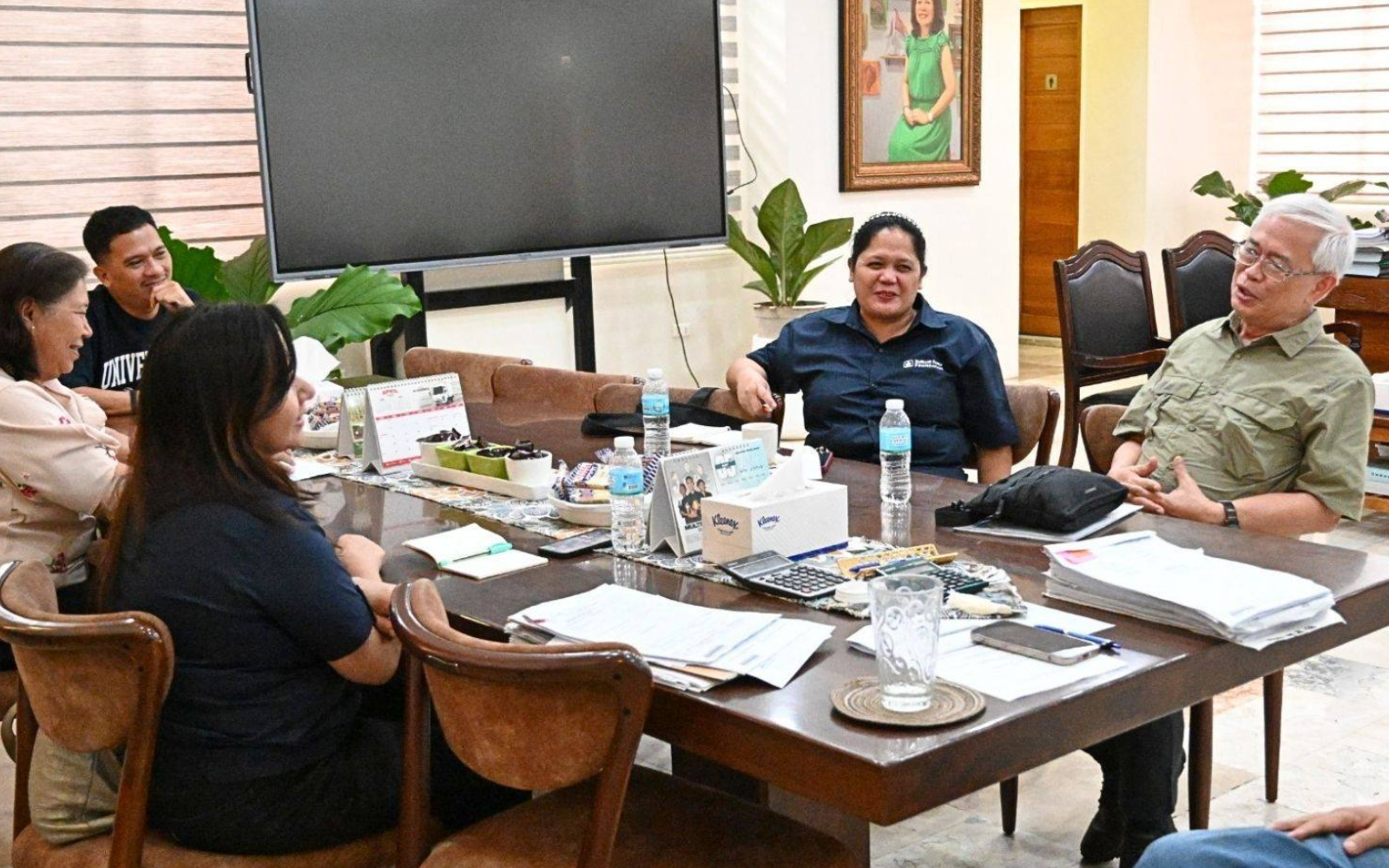
The executive coaching session last May 4, 2026 marked a pivotal moment following the province’s engagement with ZFF as Cotabato took a closer look at its nutrition systems and drilled down on key gaps for improvement. With ZFF President and Executive Director Austere Panadero as governance coach guiding the process, this year’s session focused on sharpening Cotabato’s Provincial Nutrition Action Plan (PNAP), strengthening data systems, and aligning priority interventions for the years ahead.
Related articles:
- NutriLEAP Monitoring and Coaching Visit: Strengthening Nutrition Governance in the Provinces
- NutriLEAP: A Pathway to Healthier Provinces
From Plans to Action: Treating Nutrition Plans as a ‘Bible’
Cotabato entered the executive coaching session with a strong PNAP already in place.
Governor Mendoza underscored the importance of institutionalizing the plan: “It should not just be for compliance; it should be treated like a bible.” Panadero affirmed this direction, encouraging the province to use its finalized plans as leverage for future investments: “You already have a good PNAP. Use that as the basis for your engagement… You don’t need to reinvent it because you already poured effort into it.”
Data as the Backbone of Governance
A major theme of the executive coaching was the urgent need to strengthen data systems and documentation.
Panadero noted that improving data accuracy and coordination systems will unlock Cotabato’s ability to maximize resources and scale impact: “Data really needs improvement and accuracy. Once you solve that: You can maximize your resources. You already have an advantage because you have started many initiatives. Coordination systems at the service delivery level must be institutionalized.”
The session also revealed ongoing challenges with national datasets, population projections, and poverty statistics. Governor Mendoza openly raised concerns about data reliability, reinforcing the need for local data validation and improved documentation of local innovations and outcomes.
Prioritizing Nutritionally At-Risk Pregnant Mothers and Teenage Pregnancy
A key forward-looking priority is addressing nutritionally at-risk pregnant mothers, especially amid rising teenage pregnancy. The provincial team recognized the need for stronger convergence between nutrition programs and adolescent health initiatives.
In the closing part of the session, the province identified potential next steps for partnership: support for teenage pregnancy programs and a convergence program between nutrition and teenage pregnancy. This priority reflects Cotabato’s commitment to breaking the intergenerational cycle of malnutrition by focusing on young mothers and adolescents, an area where NutriLEAP can continue to provide strategic support.
Province-Led Coordination and Systems Strengthening
A strong theme throughout the session was the importance of provincial leadership in coordinating nutrition investments and ensuring accountability.
Governor Mendoza said that programs and funding must be coordinated at the provincial level to ensure proper oversight and technical support: “It should really be coordinated through the province… Sometimes they have not even been capacitated yet, but they are already thinking of different ways to spend the money.” Panadero reinforced this province-led approach, noting that Cotabato is already ahead in preparation for the upcoming Philippine Multisectoral Nutrition Project (PMNP) implementation.
Addressing System Gaps in Child Nutrition
Despite progress, the coaching session identified a critical service gap for children transitioning from daycare to early elementary school. While programs for ages zero to five years old are strong, no single agency clearly owns nutrition for children in kindergarten to first grade.
At the national level, many different agencies share responsibility, but no single office fully owns the issue. Governor Mendoza proposed a local solution: “Maybe this should already fall under the [provincial government]… We should provide funding for that.” This reflects the province’s willingness to step in where local leadership can own the problem and bridge systemic gaps.
Sustaining Gains Amid Resource Constraints
The discussion also brought to light the realities faced by local governments, from vaccine shortages to the need to subsidize medicines and tuberculosis treatment. Governor Mendoza conveyed the province’s commitment to prioritizing health and nutrition even amid competing demands: “If your efforts are not sustained, we will just go back to zero… we redirected the budget toward vaccines, hospitals, and the people’s needs.”
Moving Forward: Transitioning to PMNP
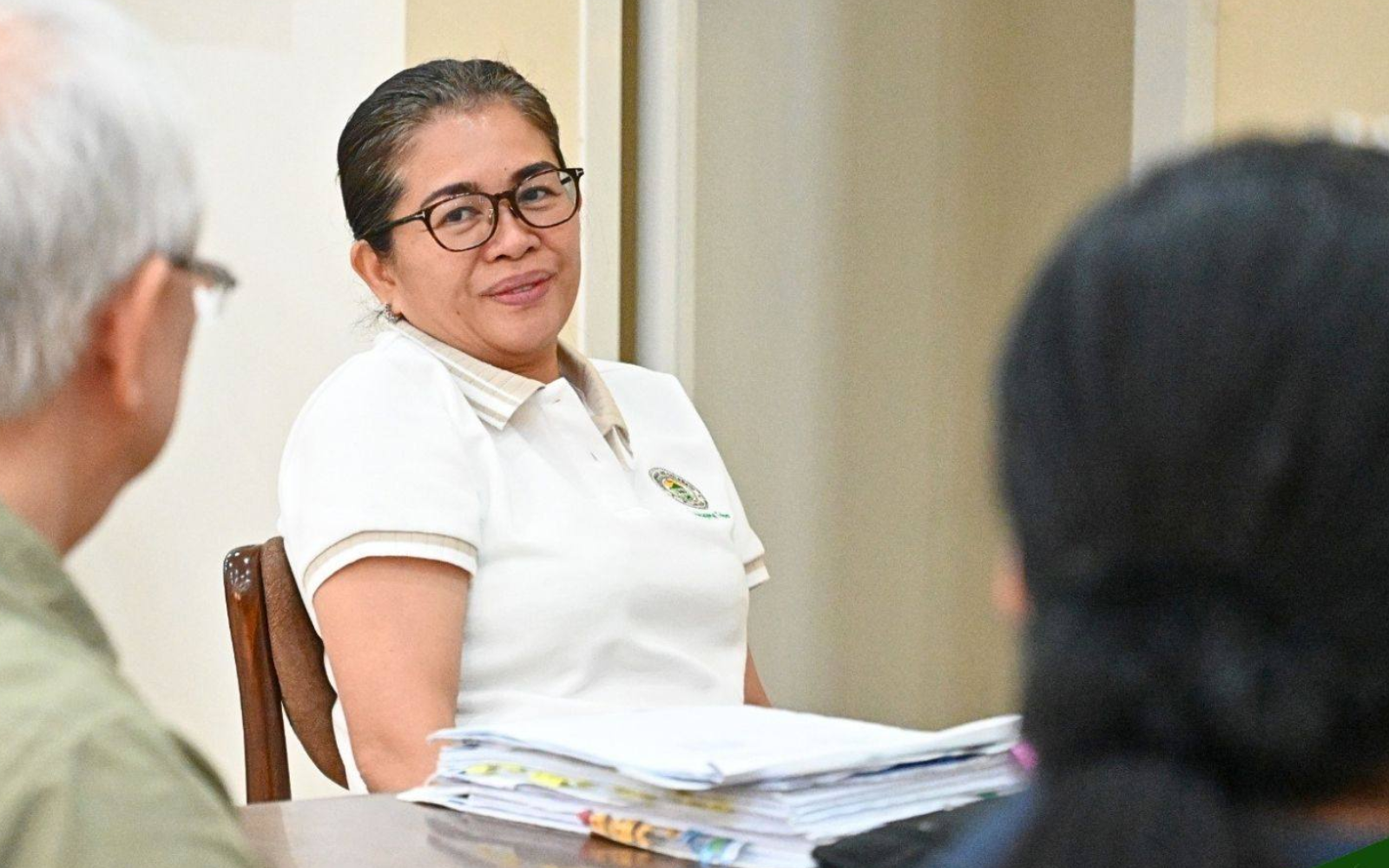
As the NutriLEAP engagement transitions toward the PMNP, the province is focused on refining its PNAP and strengthening information systems. Governor Mendoza summarized Cotabato’s immediate priority: “We just need to improve our [PNAP] in preparation for the PMNP implementation next year.”
With a strong foundation in place, Cotabato is poised to deepen its focus on adolescent health, nutritionally at-risk mothers, and integrated service delivery. As the partnership with ZFF evolves, the province’s experience serves as a model of how local governments can lead the way in building resilient and responsive nutrition systems.
Photos from: Provincial Government of Cotabato Facebook page
Authors: Samantha Morales, ZFF Nutrition Knowledge Management and Communications Associate; Krizzia Esperanza, ZFF Corporate Communications Associate
ZFF President and Executive Director Austere Panadero Reelected Chairman of Association of Foundations Board
Austere Panadero, President and Executive Director of the Zuellig Family Foundation (ZFF), was re-elected Chairman of the Association of Foundations (AF) Board of Trustees during the organization’s 54th General Assembly held on May 13, 2026, at Novotel Manila.
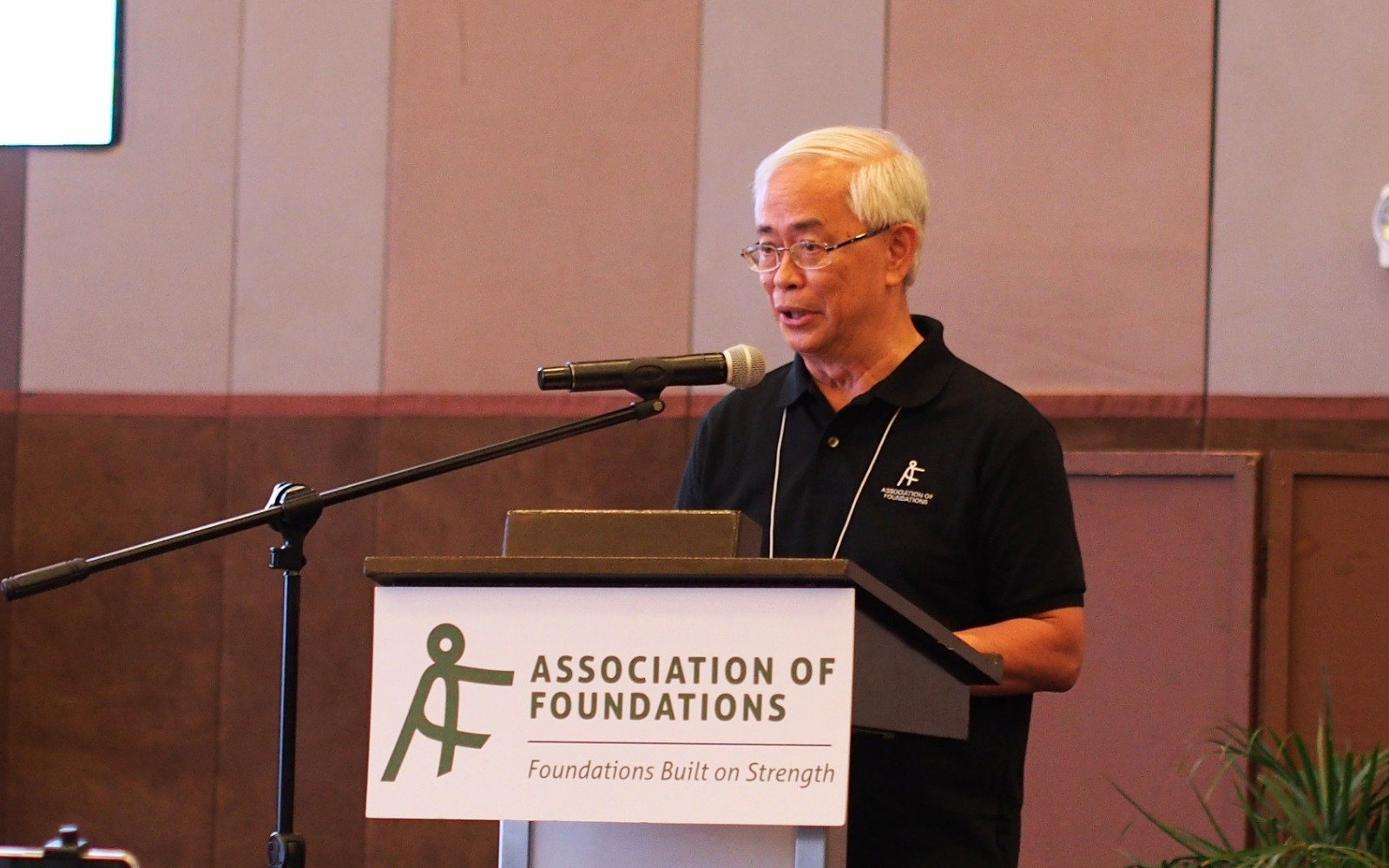
Panadero, who was first elected AF Chair in 2024, will now lead the AF Board for another two-year term, alongside seven newly elected national board seats and a regional board seat for Luzon.
The general assembly also saw the election of new trustees. In the organizational meeting that followed, the newly constituted AF Board elected its executive officers. Panadero was re-elected as Chairperson, alongside Cecile Dominguez-Yujuico as President, Diane Romero as Treasurer, Sebastian Quiniones, Jr. as Internal Auditor, and Phoebe Carrera as Secretary.
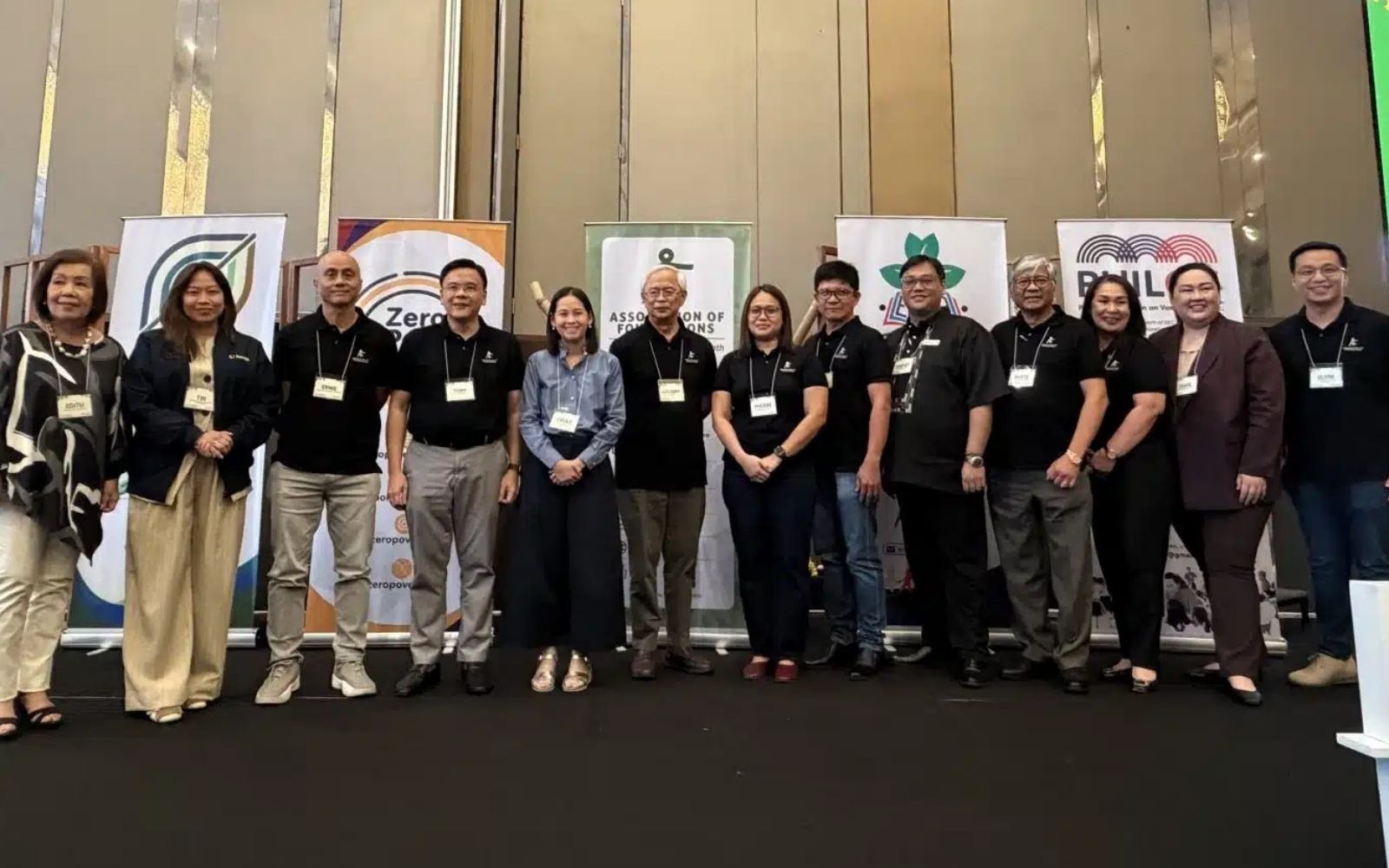
AF, established in 1972, is the first and biggest heterogeneous NGO network in the Philippines and is a pioneer in building and supporting capacities of its more than 250 member-NGOs and foundations towards the achievement of the development agenda.
Read more:
Photos from: AF