TCI-Philippines Draws Lessons from Indonesia’s Family Planning Landscape
Insights from the Field | by Dr. Anthony Faraon
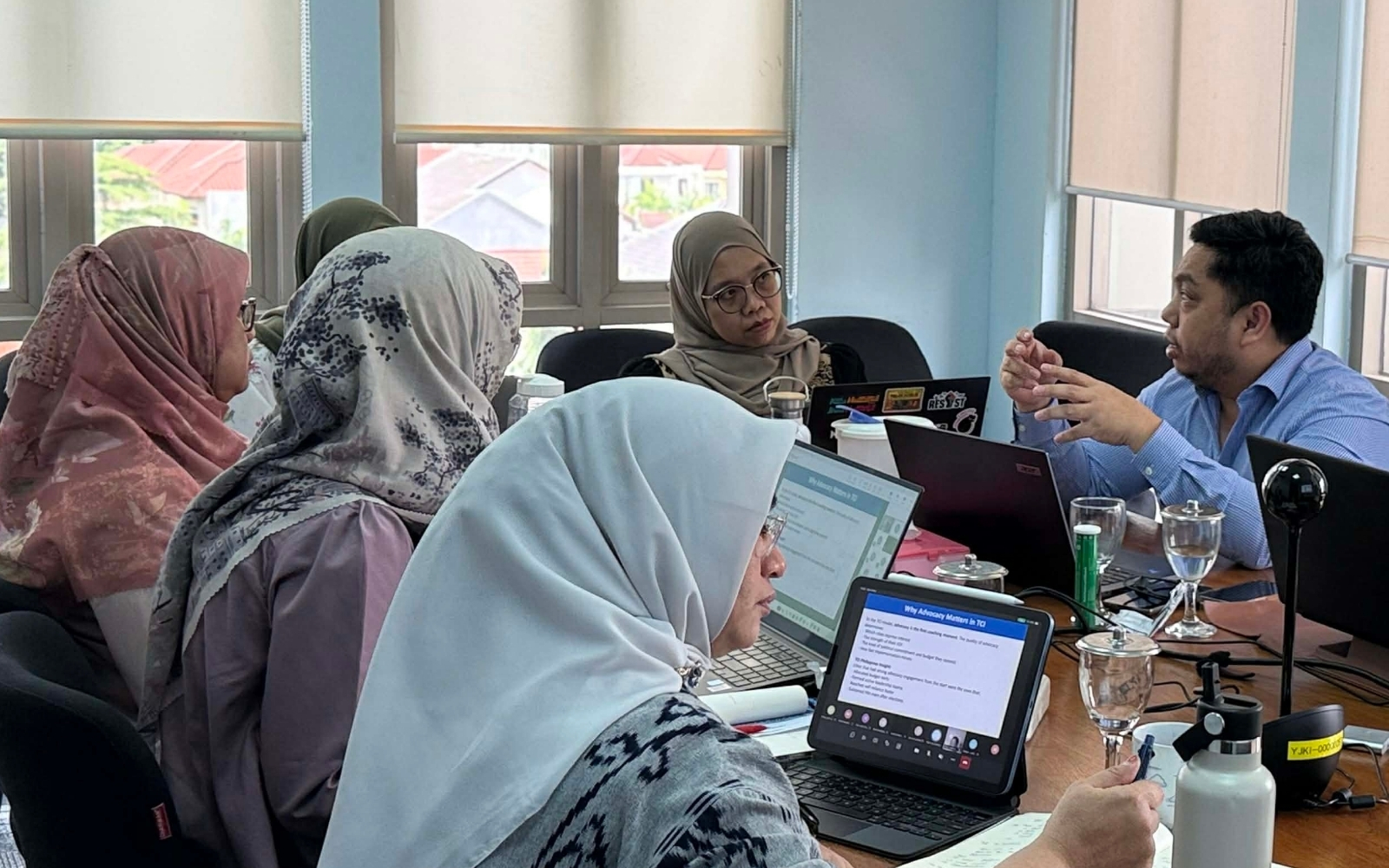
The Indonesia landscaping workshop last December 2025, in partnership with Jalin Foundation and supported by The Challenge Initiative (TCI)-Philippines and global colleagues, offered a rare glimpse into a country with a rich family planning (FP) history and a health system in active transition. Designed to help local partners prepare for the launch of the new TCI Indonesia Hub, the workshop surfaced valuable insights about Indonesia’s strengths, complexities, and emerging opportunities for impact.
A Strong National FP Foundation
Indonesia’s national FP program reflects decades of progress and remains one of the strongest in the region. The 2024 Family Data Update highlights a modern contraceptive prevalence rate (mCPR) of 62.38% among married women, alongside a stable method mix dominated by injectables and pills, with gradual growth in implants and IUDs. These indicators demonstrate a solid foundation on which cities and districts can continue expanding FP access and strengthening quality of care.
A notable structural feature is that these indicators apply only to married women, as public facilities provide FP services exclusively to married clients. Adolescents and unmarried women typically rely on private providers and pay out of pocket—a big difference from the Philippine context, where FP services in public facilities are universally available regardless of marital status.
City-Level Diversity as an Opportunity
Beneath Indonesia’s strong national picture lies significant variation across cities, not as weaknesses, but as opportunities for more tailored, context-driven strategies. mCPR among married women ranges from 37.9% in Central Jakarta to 61.2% in Bandung, while unmet need* ranges from 16.0% to 35.0%. Several cities are already surpassing national targets for long-acting reversible contraceptives (LARC) uptake, while others show steady upward trajectories.
This diversity underscores the value of localized action plans and city-led decision-making—precisely the environment where TCI’s coaching approach can help accelerate progress.
Urban Realities: A Unique Set of Challenges and Strengths
Indonesia’s cities present a mix of robust service platforms and distinct implementation challenges. With more than 53,000 FP service points, the country benefits from wide availability of services. A unique feature is the strong presence of independent midwife practices, which provide FP services to 36.46% of married women, a larger share than in the Philippines, where public health centers are the primary FP providers.
Workshop discussions highlighted several key opportunities for Indonesia’s cities:
- Supporting FP method continuation in fast-paced urban environments.
- Strengthening counselling and side-effect management to reduce switching and discontinuation of FP methods.
- Enhancing postpartum FP, especially given the country’s high postpartum visit coverage (77.63% nationally).
These are natural challenges in any large, diverse urban setting—the very challenges that TCI aims to help cities address through practical tools, coaching, and evidence-based interventions.
A Decentralized System With Parallels, and Distinctive Features
Indonesia, like the Philippines, operates a decentralized governance system where districts and cities oversee FP implementation. The two countries share common experiences related to varying local priorities, the importance of local champions, and the need for strong coordination across sectors.
However, Indonesia’s system also has distinct characteristics, including:
- Centralized procurement of FP commodities handled by BKKBN (Badan Kependudukan dan Keluarga Berencana Nasional, “National Population and Family Planning Board”), ensuring national-level consistency in supply.
- Implementation led by district and city health offices, creating a clear division between national procurement and local service delivery.
- Strong community-based cadres, such as the TPK (Tim Pendamping Keluarga, “Family Support Team”), who play an active role in family development and outreach.
These features shape Indonesia’s FP landscape in unique ways and offer a clear structure for where TCI support can add value.
FP at the Center of Human Capital Development
One of Indonesia’s strongest assets is its ability to position FP within a broader development vision. Under BKKBN’s 2025–2029 Transformation Priorities, FP is deeply connected to:
- reducing stunting,
- supporting youth development,
- strengthening family resilience,
- driving digital innovation through tools like SIGA (Sistem Informasi Keluarga, “Family Information System”), and
- advancing community-based behavior change.
This framing aligns FP with Indonesia’s long-term human capital goals, creating a powerful foundation for TCI to build upon as it supports cities in designing integrated, family-centered FP strategies.
Looking Ahead
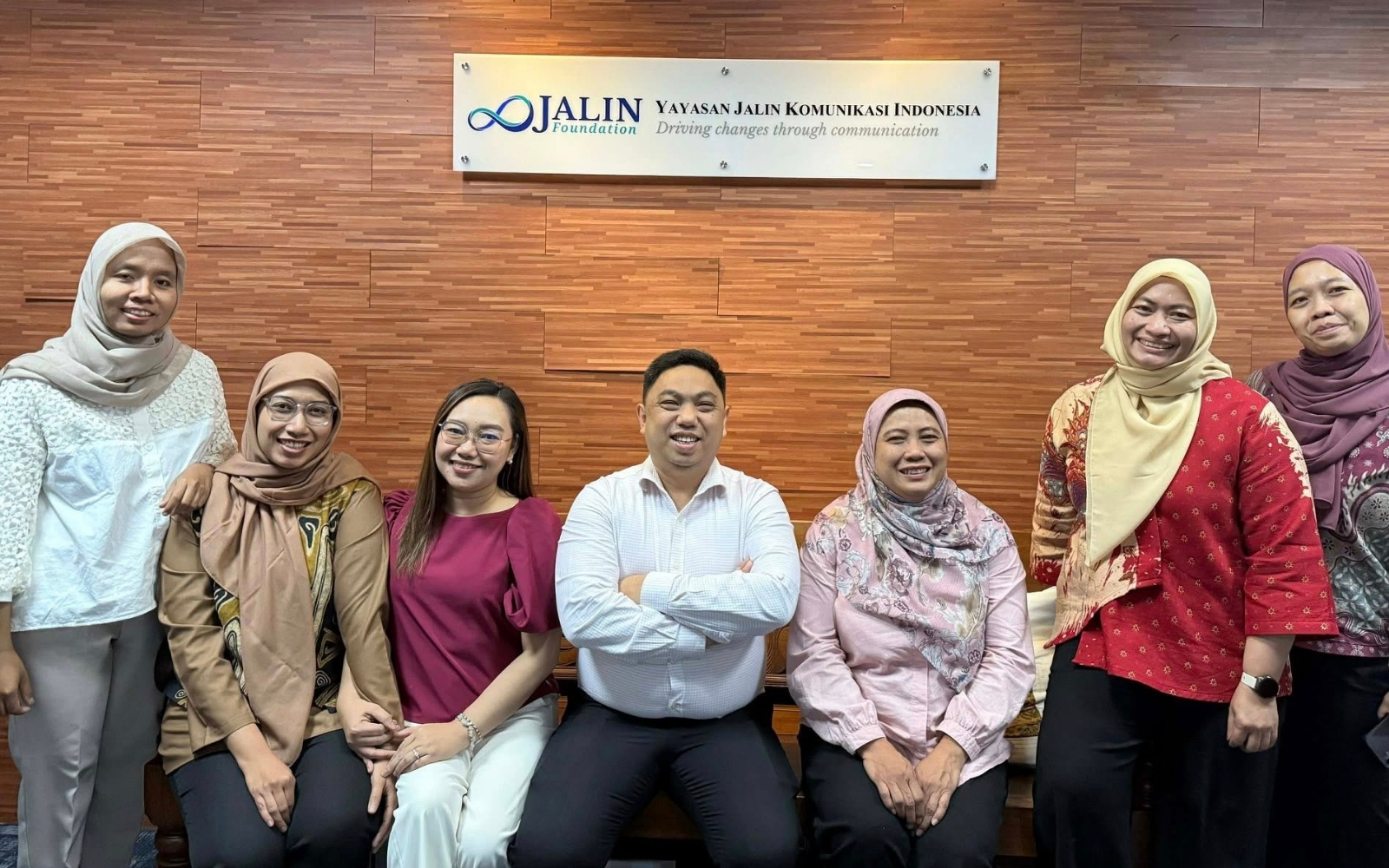
The workshop revealed a country that is not only committed to FP, but also fully prepared to take its next strategic leap. Indonesia’s strong policy environment, extensive service delivery platforms, and energized local actors create an ideal landscape for the establishment of the TCI Indonesia Hub.
The momentum is clear: city leaders, local health offices, community cadres, and national counterparts all demonstrate readiness to adopt practical, and scalable approaches. With TCI’s coaching support, Indonesia is well-positioned to accelerate the translation of national priorities into city-level results, particularly in expanding choice, improving service quality, and reaching underserved urban populations.
* Unmet need refers to the proportion of women of reproductive age who want to delay or stop childbearing but are not using any method of contraception.
