Why The Challenge Initiative and Evidence-based Strategies for Family Planning Matter More Than Ever
Insights from the Field | by Dr. Anthony Faraon
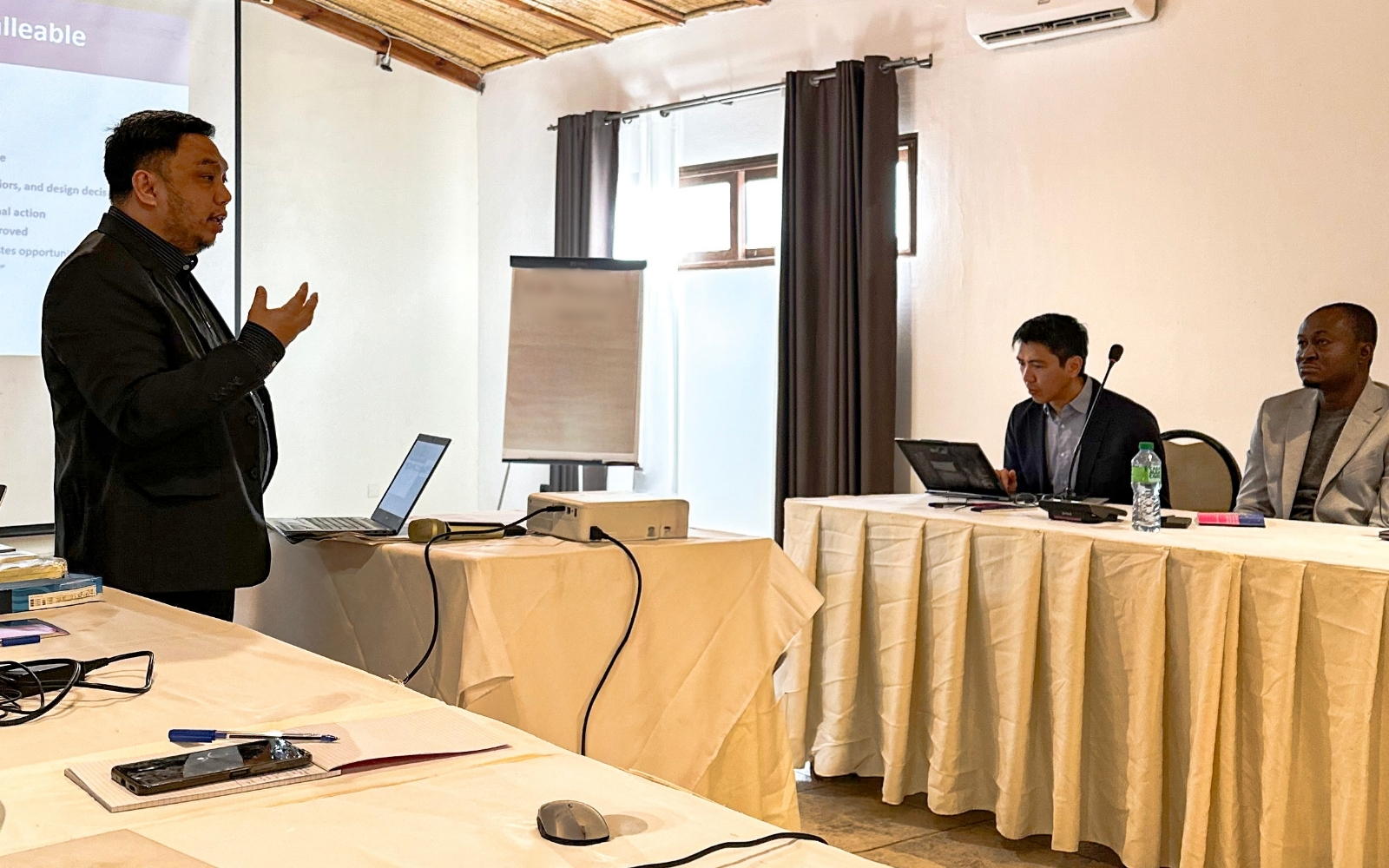
The Challenge Initiative (TCI) is a global platform that supports cities and local governments to rapidly and sustainably scale up proven primary health care solutions, particularly family planning. Rather than introducing new or parallel interventions, TCI transfers evidence-based strategies that are already known to work and supports local governments in institutionalizing these approaches within their own systems. By strengthening leadership, management, and data use at the local level, TCI achieves strong results at scale while promoting long-term sustainability. At a time of shrinking global health funding, this direction offers exceptional value for money—protecting past gains while enabling countries to expand impact with fewer external resources.
The year 2025 marked a challenging transition for TCI with its project completion. For country teams, including ours in the Philippines, 2025 raised critical questions about continuity, expectations, and sustainability. How would momentum be sustained? What would the next phase demand in terms of focus and capacity? And how could gains in family planning and adolescent, youth, and sexual and reproductive health be protected amid tighter global financing?
These questions were very much present as I travelled to Senegal to attend the TCI Global Chief of Party Meeting. There was a strong need for clarity on strategic direction, operating models, and performance expectations. Like many colleagues from other hubs, we arrived seeking reassurance and a clearer understanding of how TCI would move forward.
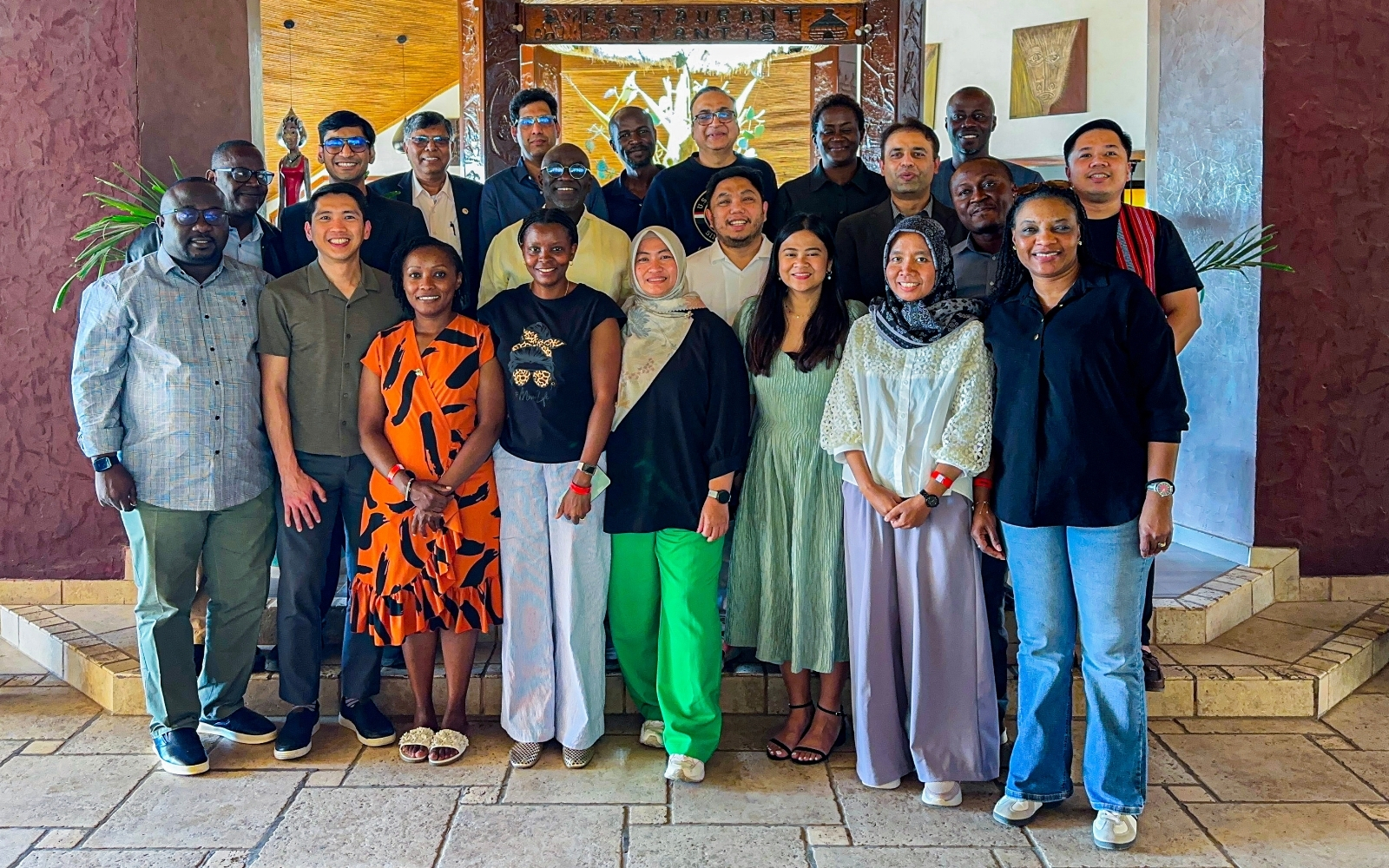
What the meeting ultimately provided was a shared perspective. Listening to the experiences of other hubs across Africa and Asia made it clear that the Philippines was not alone in navigating uncertainty. Many teams had faced similar transitions, pressures, and doubts. At the same time, they shared stories of adaptation, resilience, and continued impact. This collective reflection helped normalize the challenges of the past year and reinforced a shared sense of purpose across the global TCI community.
The discussions were grounded in realism. TCI is operating in a global environment where development assistance for health is increasingly constrained, making efficiency and focus more critical than ever. The meeting acknowledged these realities openly, including leaner global support structures and the need for greater hub-level autonomy. Importantly, this shift was framed not as a setback, but as an evolution toward a more mature and sustainable operating model.
For the Philippines, this message resonated strongly. Over the past years, TCI, in partnership with the Zuellig Family Foundation, has demonstrated its role as a powerful scale-up engine, enabling cities to rapidly expand access to modern family planning services using proven approaches. By working through local governments, TCI strengthens health systems, builds institutional capacity, and embeds data-driven decision-making where it matters most. These are not short-term wins, but foundational improvements designed to endure beyond external support.
This is precisely why TCI matters now more than ever. In a context of shrinking global health budgets, TCI’s model delivers high impact at relatively low cost. By leveraging existing systems, local leadership, and tested practices, TCI maximizes return on investment while reducing long-term dependence on donor funding. It protects what has already been achieved and enables countries to do more with less.
The global meeting reinforced this value proposition. Despite the uncertainties experienced in 2025, the collective results from the NextGen phase demonstrate TCI’s credibility and global reach. Across multiple countries, TCI-supported cities have reached millions of women with family planning services, contributing to healthier families and stronger communities. These results are measurable, well documented, and replicable across diverse contexts.
Encouragingly, the meeting also brought clarity and optimism about the future. Continued funding from Bayer, alongside ongoing discussions with other partners, signals sustained confidence in TCI’s approach. While resource mobilization remains a shared responsibility, the opportunity ahead is clear. TCI offers a compelling platform for donors seeking efficient, scalable, and sustainable investments in primary health care and family planning.
For our team in the Philippines, the meeting was both affirming and energizing. It validated the strategic direction we are taking under TCI 20.30, with an emphasis on prioritization, operational efficiency, and strong local ownership. Approaches such as clustered city support, streamlined reporting, and practical, on-demand access to knowledge at the facility level align well with the global push to simplify systems while safeguarding results.
Leaving the meeting, the uncertainty that characterized much of 2025 gave way to clarity, reassurance, and confidence. TCI is entering its next phase not as an untested initiative, but as a proven mechanism for translating global evidence into local impact. For governments, partners, and donors committed to advancing primary health care and family planning, TCI represents an opportunity to protect past investments and scale what works in a way that is efficient, locally led, and built to last.
