How Central Visayas is Building a Replicable Model for Universal Health Care Acceleration
News | by Krizzia Esperanza
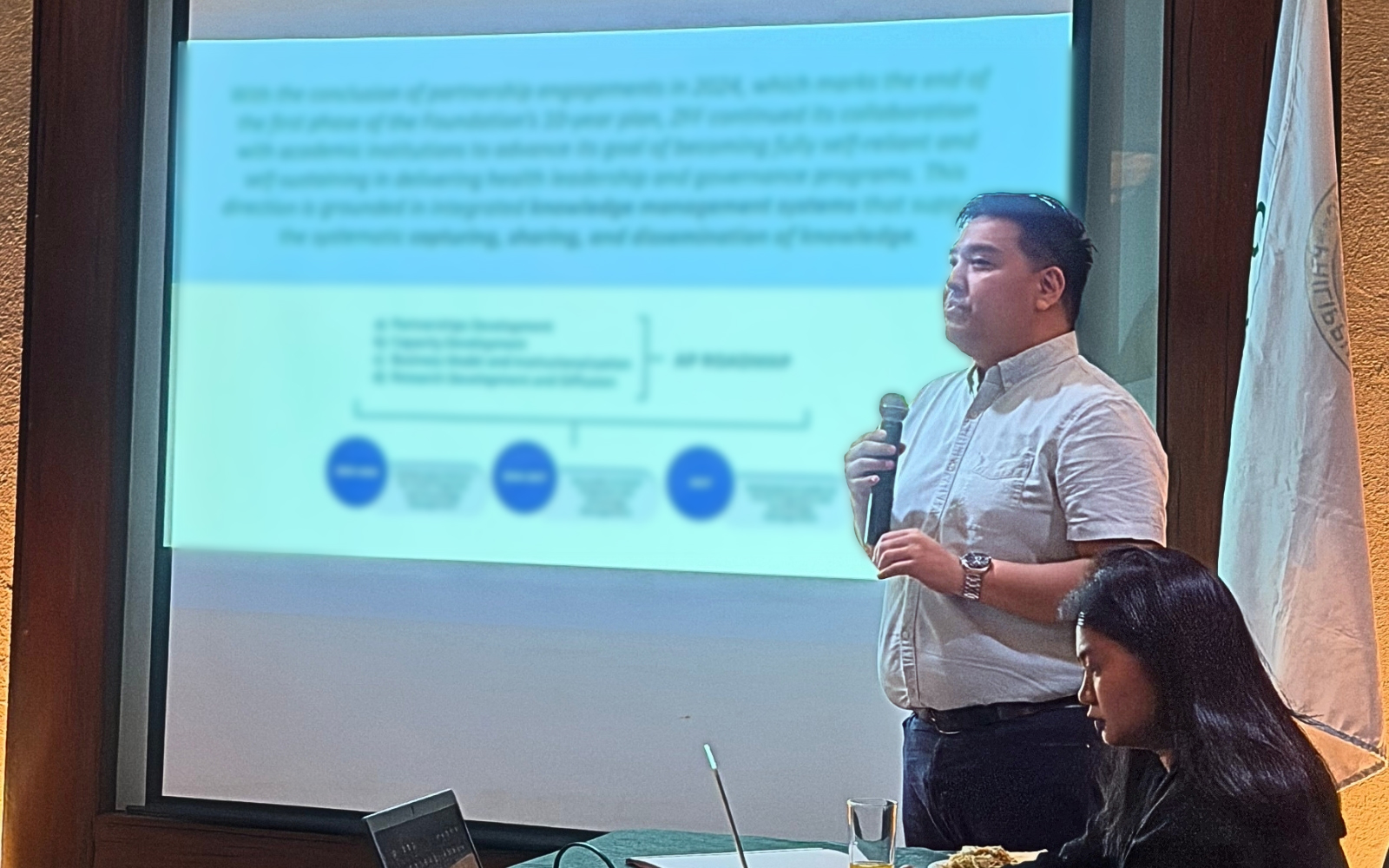
Acting ZFF Institute Director Philip Jerome Flores presents the partnership runway with academic institutions, highlighting the role of universities in sustaining health leadership and UHC implementation.
While Universal Health Care (UHC) implementation often encounters challenges such as fragmented efforts and gaps in governance capacity, a new initiative in Central Visayas is proving that strategic partnerships can break through these barriers.
On June 2–3, 2026, the Zuellig Family Foundation (ZFF), through its Local Health Systems and Institute for Health Leadership teams, convened a joint Training of Trainers with the Department of Health-Center for Health Development (DOH-CHD) Central Visayas, the provincial health teams of Cebu and Bohol, and academic partners from the University of the Philippines (UP) Cebu and Cebu Normal University.
Related article:
But beyond the usual capacity-building activity, this event signaled a deliberate shift to embed UHC acceleration into the daily operations of local health systems by creating a sustainable, multi-level training pipeline.
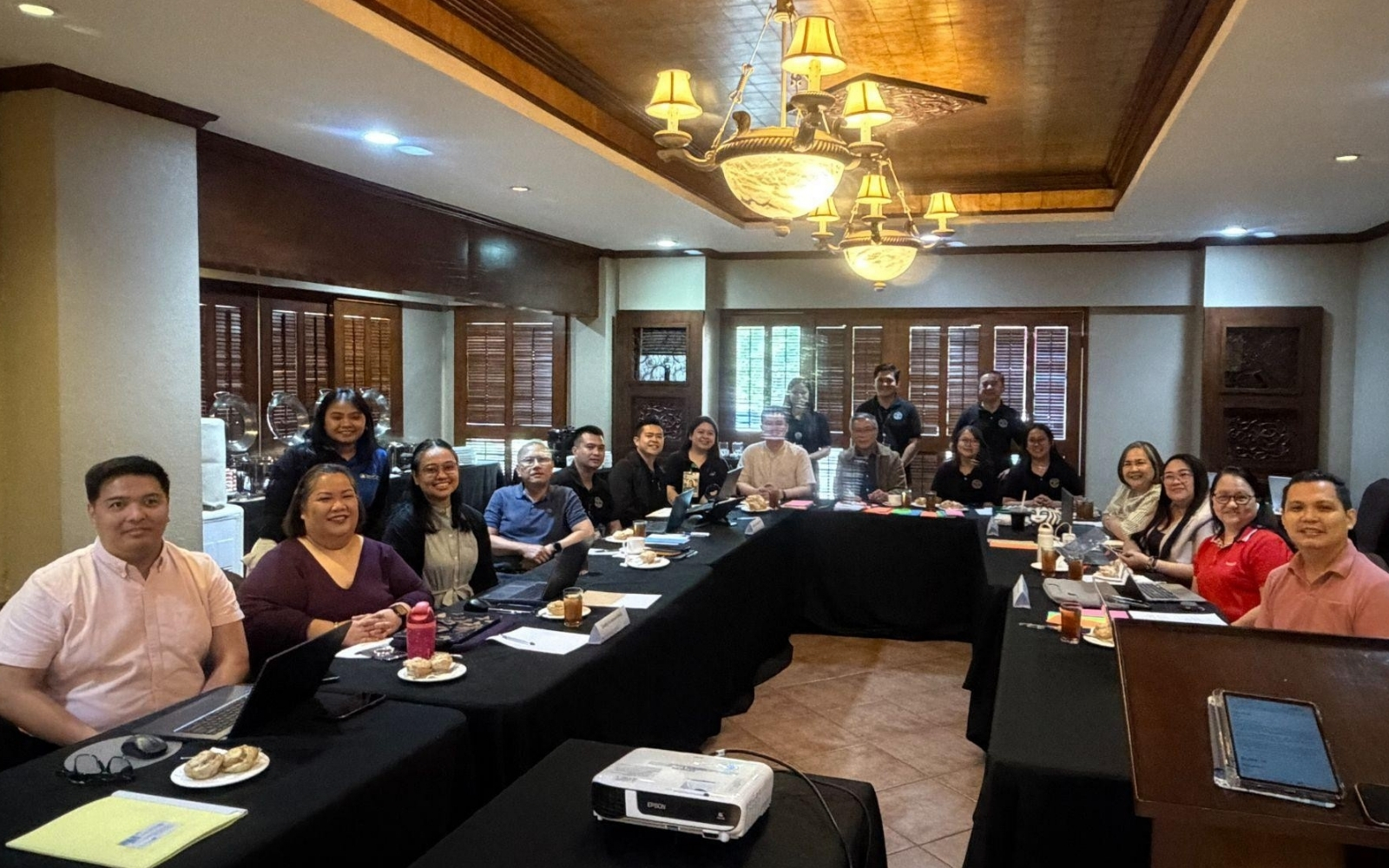
Why this approach works. Instead of relying solely on external consultants or intermittent national programs, the training equips DOH technical staff and provincial health leaders themselves to become internal trainers. This means local governments no longer wait for top-down directives. They gain the on-the-ground ability to strengthen primary health care continuously, adaptively, and accountably.
DOH-CHD Central Visayas Regional Director Joshua Brillantes captured the core insight during the opening. Collaboration between DOH, local government units, academic institutions, and ZFF is re-engineering how health governance functions at the municipal and provincial levels.
The Bayang Malusog advantage. ZFF’s Bayang Malusog Learning and Governance Program provides the foundation and framework: leadership development, governance strengthening, and multi-sectoral collaboration. However, the pivot in Central Visayas is the formal integration of academic partners, UP Cebu and Cebu Normal University, into the training ecosystem. This ensures that evidence, local data, and community realities directly shape how health leaders are trained.
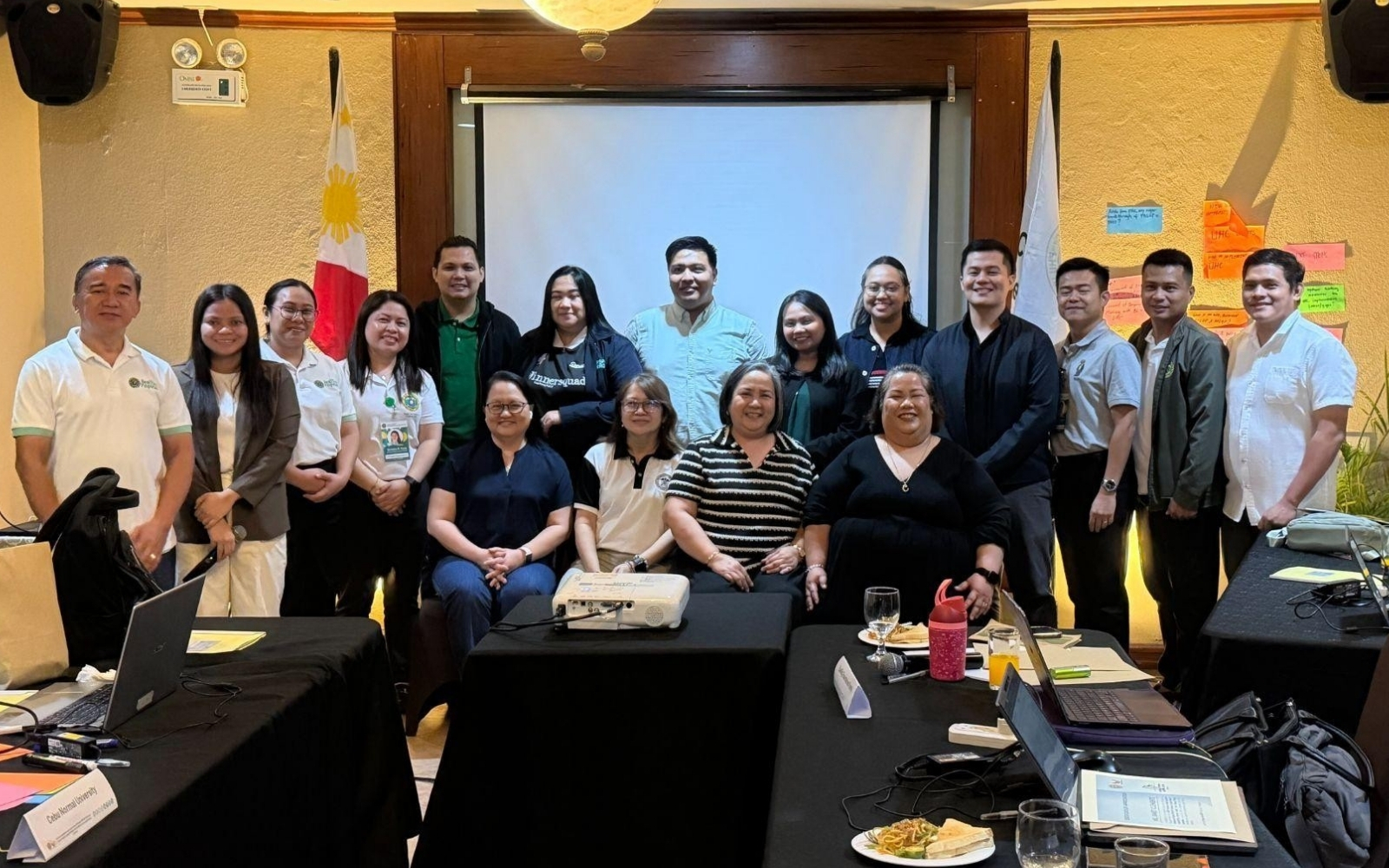
What this means for other regions. The Central Visayas model offers three replicable lessons for UHC implementation nationwide:
- The “train the trainer” model works especially when it targets both DOH and provincial teams simultaneously.
- Academic integration bridges theory and practice, preventing classroom solutions from failing in real-world settings.
- Leadership continuity, not just one-off workshops, drives long-term responsiveness.
As the region continues its UHC journey, this partnership demonstrates that accelerating health reform is about embedding the capacity to lead, train, and adapt within local institutions. For other regions struggling with slow UHC rollout, Central Visayas is building the blueprint.
