Understanding Child, Early and Forced Marriage and Unions (CEFMU) in the Philippines
Stories | by Krizzia Esperanza
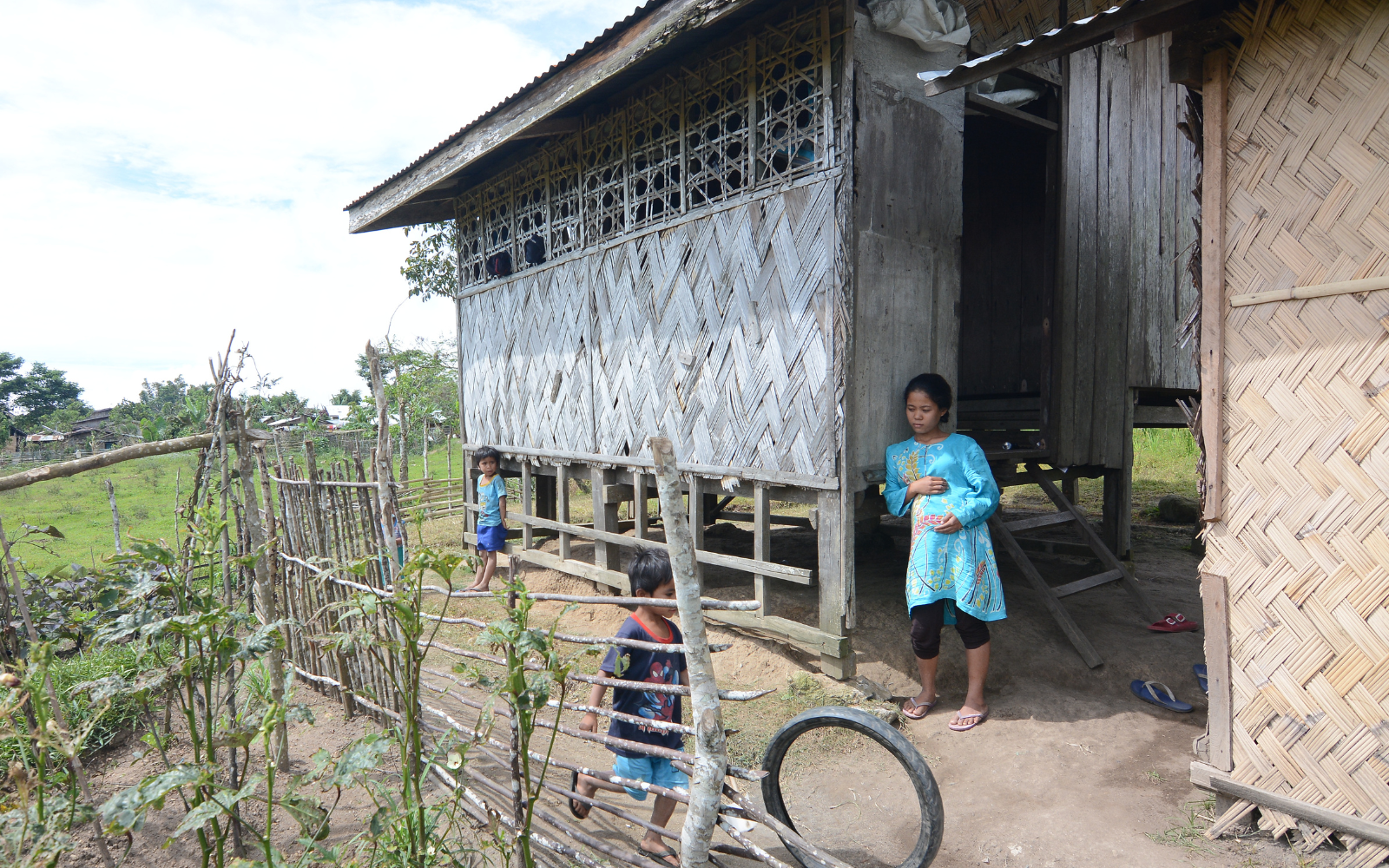
Research Findings Reveal Complex Pathways and Consequences of Child Marriage
A study on Child, Early and Forced Marriage and Unions (CEFMU) has uncovered critical insights into the drivers, patterns, and consequences of this pressing issue affecting Filipino adolescents.
The findings, presented during the Final CEFMU Study Results Dissemination and Policy Development Workshop, organized by the Zuellig Family Foundation in partnership with United Nations Population Fund (UNFPA) last August 24–26, 2026, reveal the call for evidence-based and institutionalized interventions through local policy to protect young people from early marriage and its devastating consequences.
CEFMU is an umbrella term that captures formal and informal marriages and unions where either one or both spouses are under 18 years of age, and/or where full and free informed consent has not been obtained. Under Republic Act No. 11596, the Prohibition of Child Marriage Act, child marriage refers to any marriage entered into where one or both parties are children under 18 years of age, solemnized in civil, church, or customary proceedings, including informal unions or cohabitation between an adult and a child, or between children.
The research, conducted by the University of San Carlos-Office of Population Studies Foundation, Inc. (USC-OPSFI) with support from the United Nations Population Fund (UNFPA), used a qualitative approach to paint a picture of CEFMU in the Philippines. The study, conducted in Southern Leyte, Samar, and Eastern Samar, identified three primary pathways leading to CEFMU:
- Pathway 1: Sexual Initiation as Precursor. Many adolescent girls experienced early sexual initiation characterized by a short interval from first meeting to sexual intercourse. These encounters often occurred without adequate preparation or understanding of consequences, driven by desire for intimacy, peer influences, alcohol, and lack of agency in dealing with older partners.
- Pathway 2: Pregnancy to CEFMU. This emerged as the most common path to CEFMU. Pregnancy, combined with desire for intimacy, or escaping difficult home circumstances, often led adolescents to view union as the expected recourse. Notably, the majority of those who had ever been pregnant experienced repeat pregnancies.
- Pathway 3: Union Without Pregnancy. Some adolescents entered unions driven by the desire to start a family, escape family situations, financial difficulties, or societal pressures to justify sexual activity, with pregnancy often occurring shortly after the union.
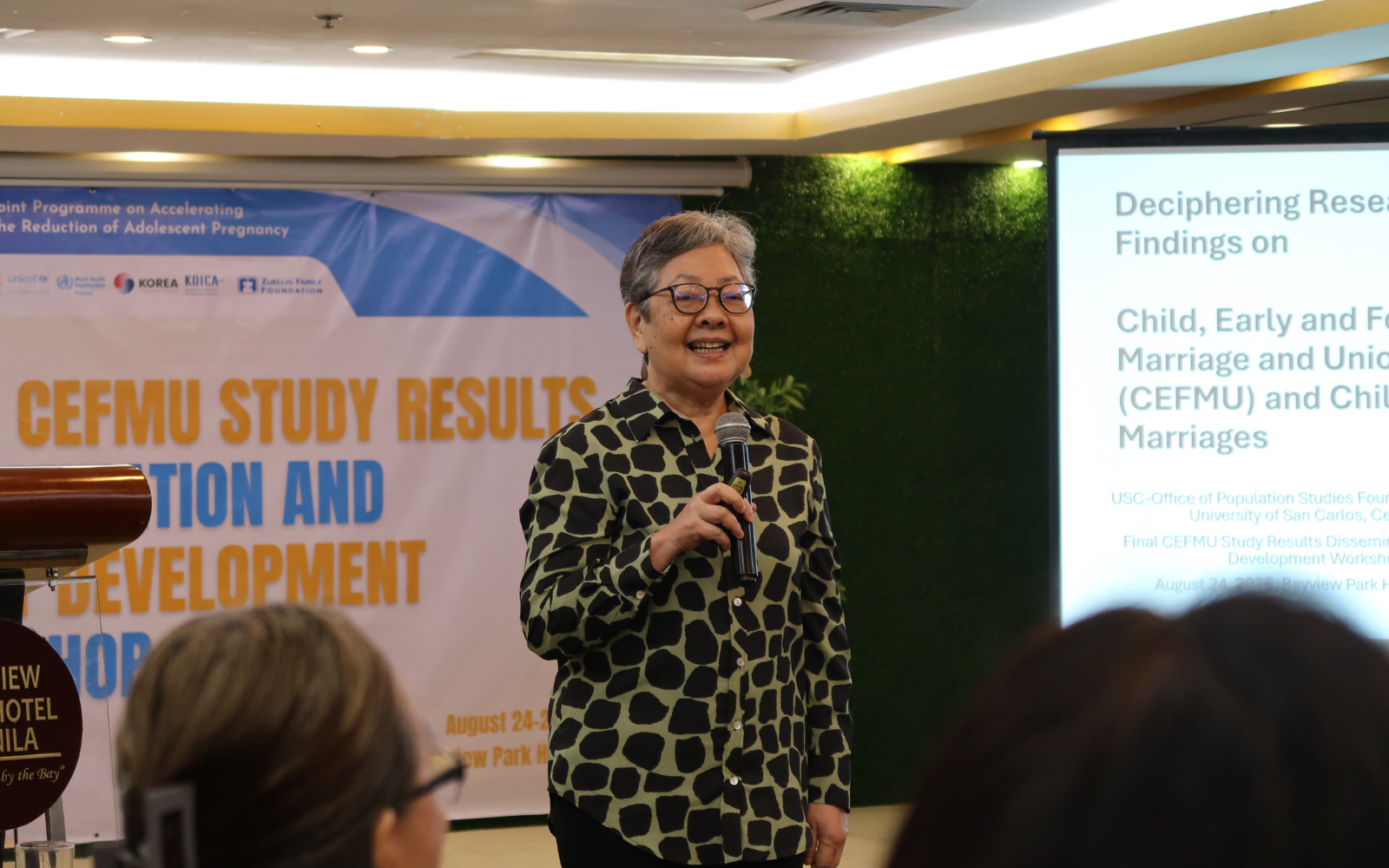 Photo above: Dr. Judith Borja of the USC-OPSFI presents the findings of the CEFMU study.
The study documented severe consequences affecting adolescents who experienced CEFMU:
- Schooling Disruption. Adolescents frequently dropped out of school due to pregnancy, with poor prospects of returning. Parenting responsibilities, gendered family roles expecting females to care for families, and lost motivation further reduced education opportunities.
- Financial Difficulties. Young couples were often unprepared for the responsibilities of starting a family, facing significant economic strain.
- Parenting Challenges. Young mothers bore the majority of childcare responsibilities while dealing with financial constraints.
- Health Complications. Pregnancy and delivery complications were common, compounded by poor access to healthcare and increased risk of repeat pregnancies.
- Mental Health Burdens. Adolescents faced relationship challenges, pressure to terminate pregnancies, social stigma, isolation, financial strain, and physical and emotional abuse from partners and families.
The Longitudinal Cohort Study on the Filipino Child (LCSFC), a 15-year study tracking a nationally representative sample of Filipino children from age 10 to 24, is currently ongoing and has yielded valuable preliminary insights into the prevalence and drivers of child marriage. Early findings from the study indicate that child marriage remains a significant concern in the Philippines, with girls facing higher vulnerability. The study is identifying early childhood factors that may increase the risk of child marriage, including socioeconomic conditions, educational trajectories, and family circumstances.
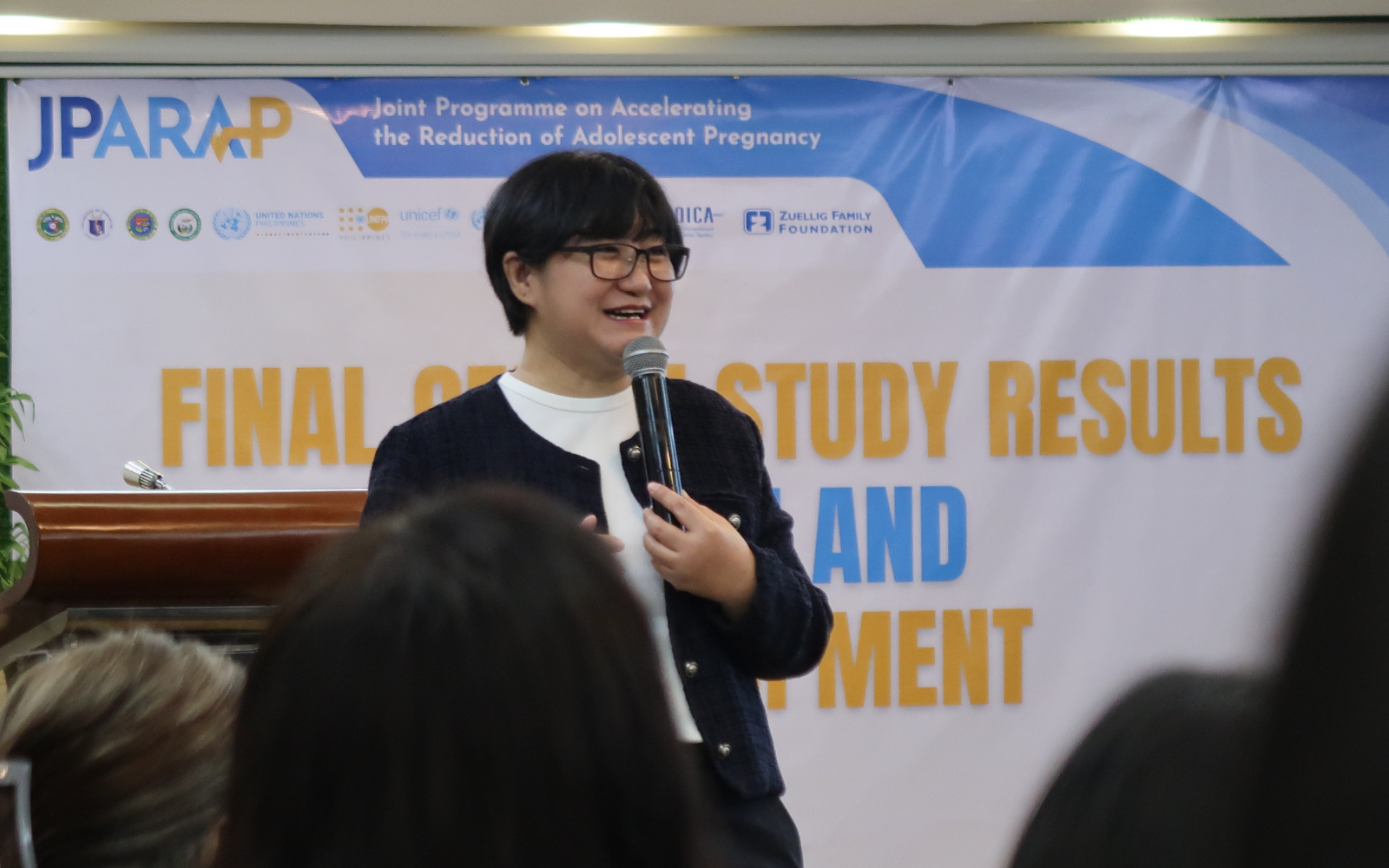 Photo above: Dr. Nanette Mayol of the USC-OPSFI shares quantitative evidence from the LCSFC.
The research findings underscore several critical considerations for policy and program development:
- Addressing Sexual Initiation. Circumstances leading adolescents to early sexual initiation play an important role in understanding CEFMU risk and require targeted interventions.
- Multi-Level Approach. The decision to engage in early union involves interplay of factors at adolescent, family, and community levels, necessitating comprehensive, multi-sectoral responses.
- Support for those in CEFMU. While prevention is crucial, addressing the consequences for adolescents already in CEFMU is equally essential. Young people in CEFMU must be supported in their human capital formation rather than left behind.
- Community Engagement. Community players need to be equipped with proper information on CEFMU and take more active roles in both prevention and response.
The National Action Plan to End CEFMU (2025-2028), led by the Department of Social Welfare and Development and the Council for the Welfare of Children in partnership with UNFPA, the United Nations Children’s Fund (UNICEF), and the Philippine Legislators’ Committee on Population and Development (PLCPD), outlines four key objectives: norm transformation, strengthening child protection systems, support for CEFMU survivors, and increasing youth and community participation.
The CEFMU Research Study was conducted by USC-Office of Population Studies Foundation, Inc. with support from UNFPA. The Longitudinal Cohort Study on the Filipino Child is jointly supported by the Philippine Government, UNFPA, UNICEF, the Australian Government, and the Joint SDG Fund.

Comments
Daisy Apat
1 months agoUseful information.