Understanding the Gendered Vulnerabilities of Filipino Adolescents
Stories | by Krizzia Esperanza

Updates from the Longitudinal Cohort Study on the Filipino Child
The Longitudinal Cohort Study on the Filipino Child (LCSFC) is now in its 10th year.
LCSFC is a 15-year national study that follows nearly 5,000 Filipino children from age 10 until they reach 24 in 2030, the target year of the Sustainable Development Goals (SDGs). By tracking the same children over time, the study aims to put a human face on the SDGs, showing the real challenges and opportunities young Filipinos experience as they move from adolescence into adulthood. The Australian Government, the Philippine Government, UNFPA, UNICEF, and the Joint SDG Fund support the study, with the Zuellig Family Foundation (ZFF) helping to disseminate results and insights.
This year’s updates, shared by Prof. Francisco Largo and Dr. Nanette Lee Mayol of the University of San Carlos–Office of Population Studies Foundation, Inc., focus on gendered vulnerabilities—the different risks and pressures that boys, girls, and gender-diverse adolescents face because of social expectations, roles, and conditions—which shape their experiences in school, health, work, and relationships.
Education
While school enrollment remains high overall, a clear drop appears at age 17, where only 89.1% are still in school. Throughout most of adolescence, girls stay enrolled at higher rates and remain more “on track” in school than boys.
Absences also increase sharply by age 17, especially among boys. Illness remains the top reason for both sexes, but lack of interest becomes more prominent among boys.
Work begins to shape daily life by age 16: 27% of adolescents have worked in the past year.
Health and Mental Health
One of the clearest findings is the “double burden” among male adolescents—they are more likely to be both thin and overweight compared to girls at all ages.
Disability or impairment is more commonly reported by girls at age 17/18 (21% vs. 10% among boys), with vision difficulties being the most frequent for both groups.
For mental health, girls tend to report higher levels of depressive symptoms and anxiety. Boys, however, are more likely to fall into the severe category because the clinical thresholds differ by sex.
Boys also exhibit more rule-breaking behaviors, while girls tend to show more aggression within interpersonal contexts. These patterns point to different manifestations of stress and risk that require tailored support.
Risk Behaviors, Relationships, and Early Unions
By age 16, 8.4% of adolescents report having had sexual intercourse, with a significantly higher proportion among boys (12.3%) than girls (4.0%).
Key early sexual initiation risk factors—first measured when the adolescents were only 11 years old—include being poor, off-track in school, having less educated mothers, being in a young romantic relationship, chatting with strangers online, and witnessing violence at home.
Early pregnancy affects 2.5% of girls by age 16. Meanwhile, 2.0% of adolescents have been in child, early, or forced marriages and unions (CEFMU), affecting more girls (3.2%) than boys (1.0%).
Dr. Mayol explained how the team protects young respondents. They interview adolescents within sight of an adult but out of hearing, and they let young people answer sensitive questions privately on a tablet.
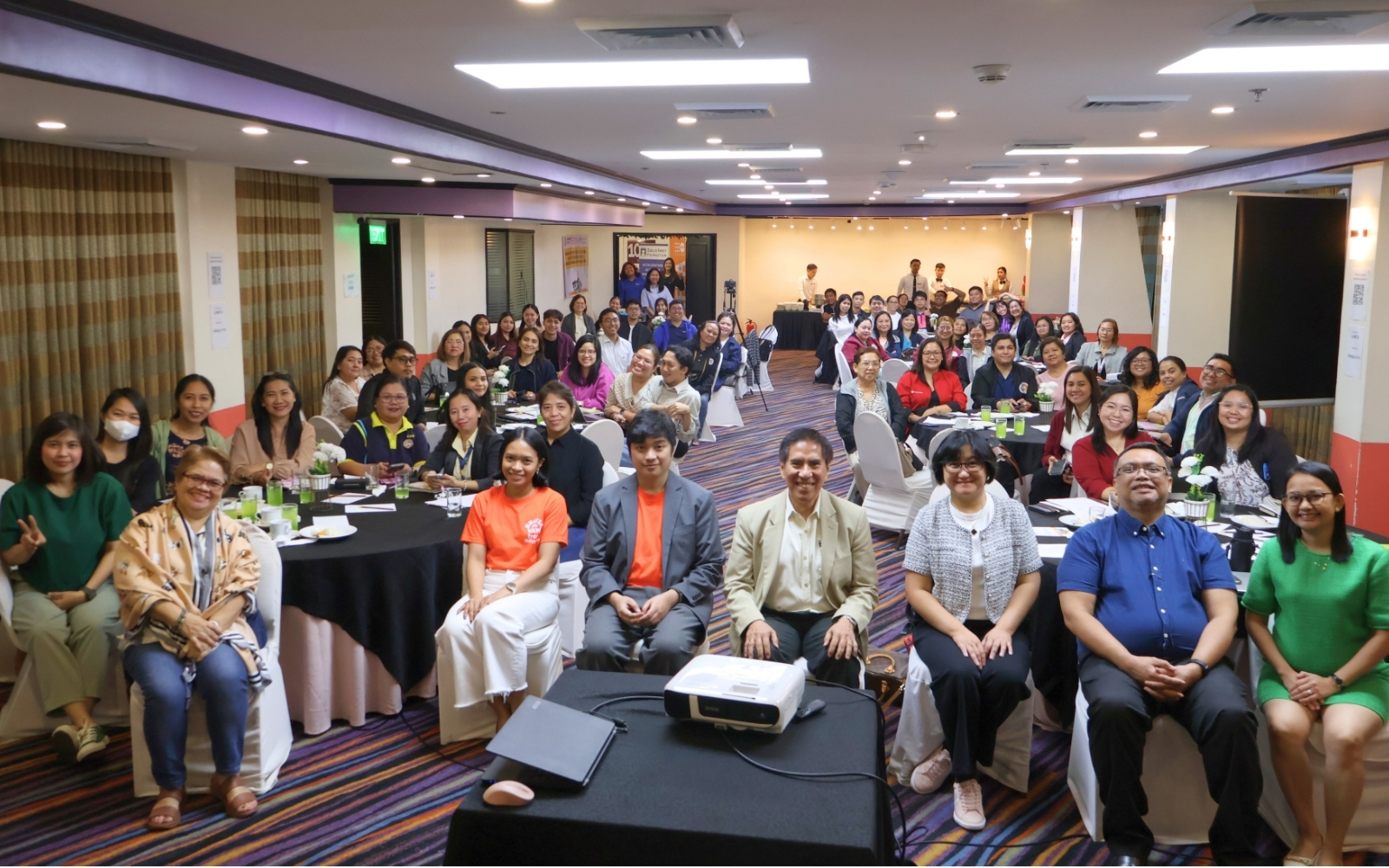
Key points from the open forum during the dissemination activity and workshop last November 28, 2025:
- Early socioeconomic conditions and mothers’ education remain linked to teen pregnancy.
- A separate qualitative study explores the experiences of children with disabilities, indigenous children, those affected by conflict, and LGBTQ+ youth.
- The study represents Luzon, Visayas, and Mindanao.
- The Child Behavior Checklist has Filipino translations and uses simple, direct questions.
- Many teen parents manage to return to school with the help of supportive parents and flexible learning programs.
A Call for a Child-Friendly Society
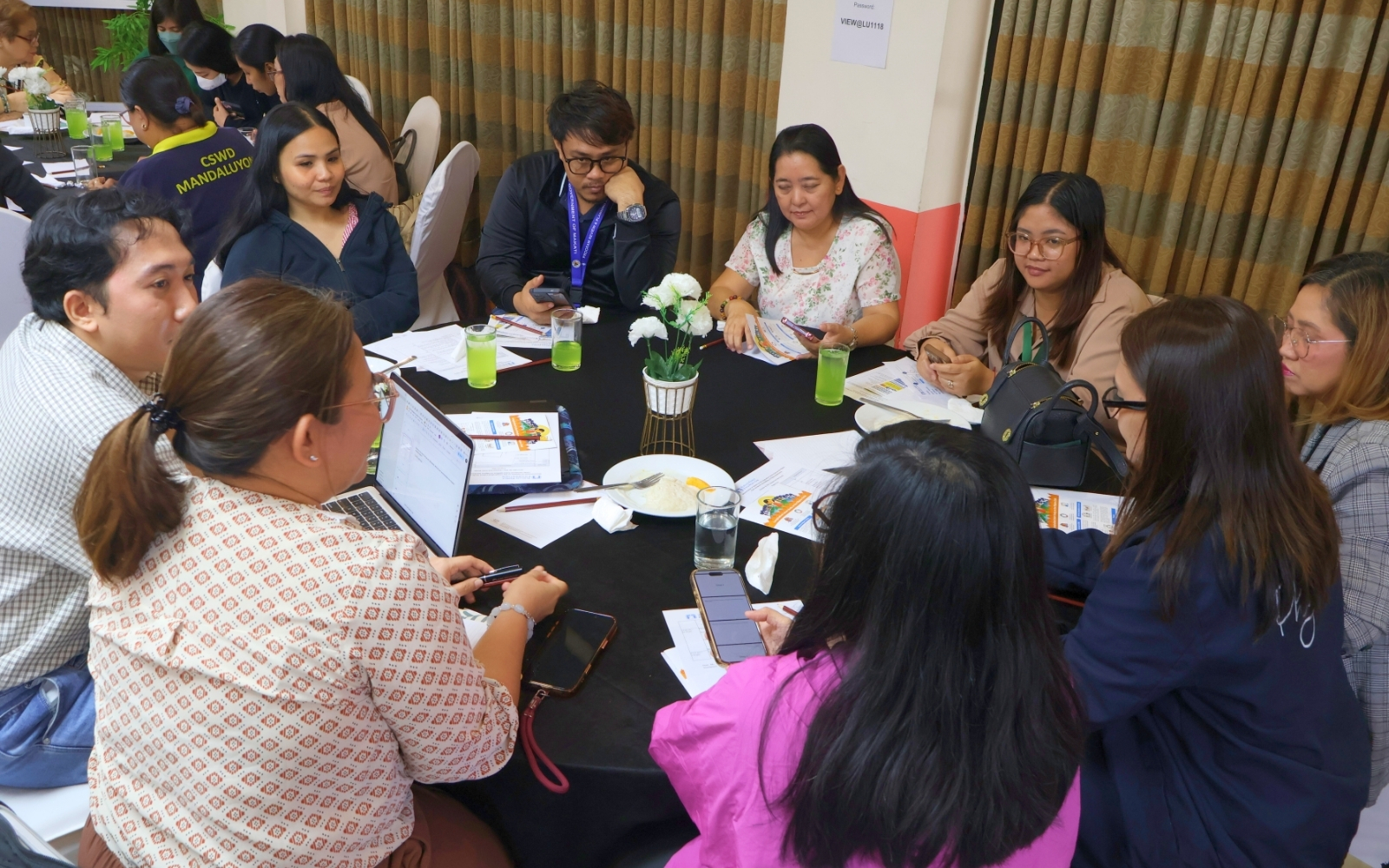
Participants also joined small group breakout discussions with representatives from local governments and civil society groups. They explored practical entry points for action based on the LCSFC findings.
Groups discussed three guiding questions: What entry points can we pursue in our own areas of work? What can LGUs, CSOs, and ZFF do together to address gendered adolescent vulnerabilities? What enabling mechanisms—policies, programs, partnerships—can strengthen adolescent well-being? The conversations surfaced ideas on coordinated local action, more youth-friendly spaces, and stronger family support systems.

ZFF Chairman Dr. Manuel M. Dayrit shared how the study can guide long-term planning. He encouraged the participants to use the findings to build child-friendly and adolescent-friendly communities, noting that today’s children will form the country’s population by 2050. He said, “The data in this study will provide the impetus, hopefully, for plans and programs that would really make our society truly child-friendly. On behalf of ZFF, we are proud to be a part of this—in disseminating the study so that it really becomes a useful instrument for us to build our country better.”
The LCSFC will continue until 2030 and will keep offering insights that can guide programs for young people. Its findings show early gender differences but also stories of resilience. With the right support from families, schools, and communities, adolescents can stay safe, continue learning, and move toward a better future.
