What Happens When a City Owns the Solution: Health Systems Strengthening and Governance in Mandaue City
Insights from the Field | by Dr. Anthony Faraon
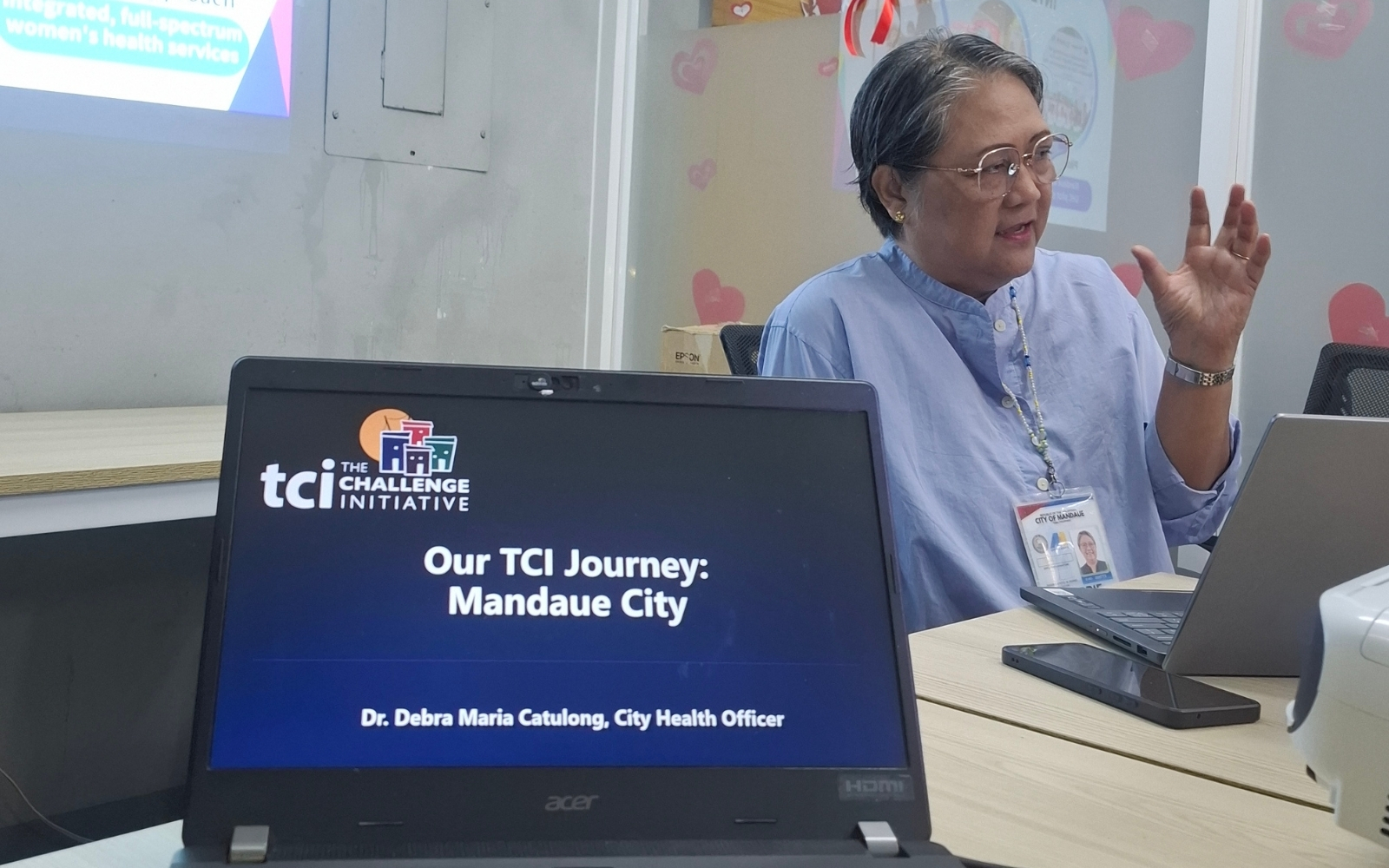
A recent learning visit to Mandaue City provided an opportunity to showcase how local governments can strengthen health systems to improve outcomes for women, adolescents, and families. Originally envisioned as a site visit focused on maternal and child health, the discussions quickly expanded into a broader conversation on governance, leadership, financing, service delivery, and sustainability.
The visit included discussions with the City Health Office and members of the city core group, followed by a field visit to Barangay Cabancalan. Together, these engagements offered a practical demonstration of how local governments can move beyond implementing isolated health activities and instead build systems that enable sustained improvements in health outcomes.
Related articles:
- Mandaue City’s Path Toward Sustainable Family Planning and Adolescent Health
- Mandaue City Redefines Reproductive Care through Women’s Health Caravan
One theme emerged consistently throughout the discussions: transformation begins when local governments own both the problem and the solution.
City officials reflected on how their partnership with the Zuellig Family Foundation through The Challenge Initiative (TCI)-Philippines differed from traditional development assistance. Rather than introducing a predefined package of interventions, the approach focused on helping the city understand its own challenges, strengthen local capacities, and design solutions that fit its unique context. Family planning (FP) and adolescent and youth sexual reproductive health (AYSRH) served as entry points, but the broader objective was strengthening the systems that support health service delivery.
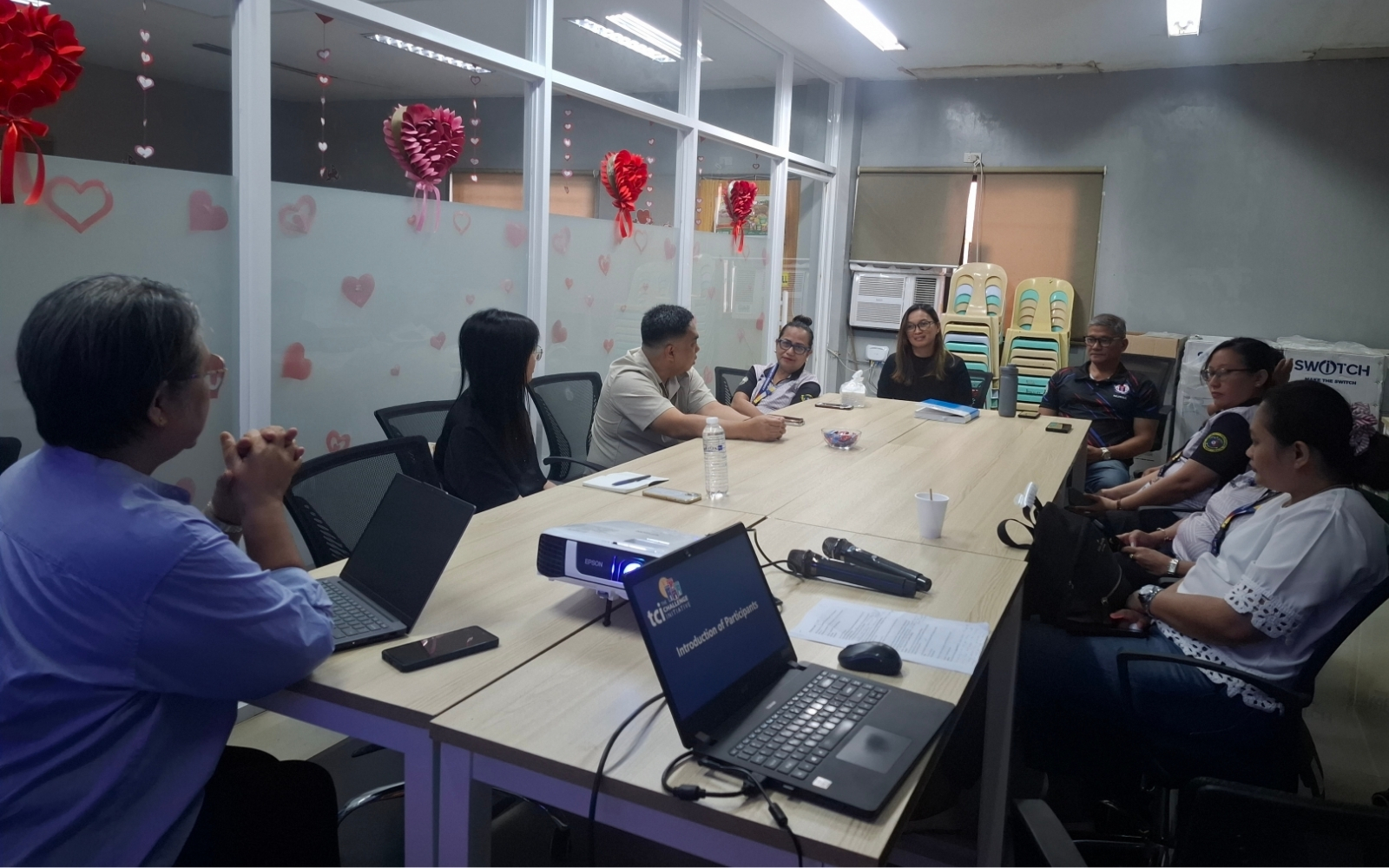
Among the most significant changes cited by city leaders was the establishment of the City Leadership Team. By bringing together representatives from health, education, social welfare, youth development, and barangay governments, the city created a platform for collective problem solving and shared accountability. Health challenges that were once viewed as the responsibility of a single office became shared concerns across sectors.
The city also highlighted the value of leadership development in enabling systems change. Stakeholders described how leadership approaches centered on stakeholder engagement, root cause analysis, and collaborative action helped build confidence in addressing complex and often sensitive issues such as FP and AYSRH.
Another recurring theme was accessibility.
The Women’s Health Caravan demonstrated how health services can be brought closer to communities rather than expecting clients to navigate barriers related to transportation cost, convenience, and stigma. What began as a family planning initiative has evolved into a more comprehensive platform delivering maternal health, AYSRH, human immunodeficiency virus and other sexually transmitted infection services, mental health support, and cancer screening. The model reflects an understanding that community needs rarely fit neatly into a single program area.
The discussions also highlighted how systems strengthening can directly improve access to services. Prior to the city’s engagement with TCI, FP services requiring specialized providers were available only at limited times and locations. Through provider training, services are now available much closer to where women live, reducing missed opportunities and improving access across communities.
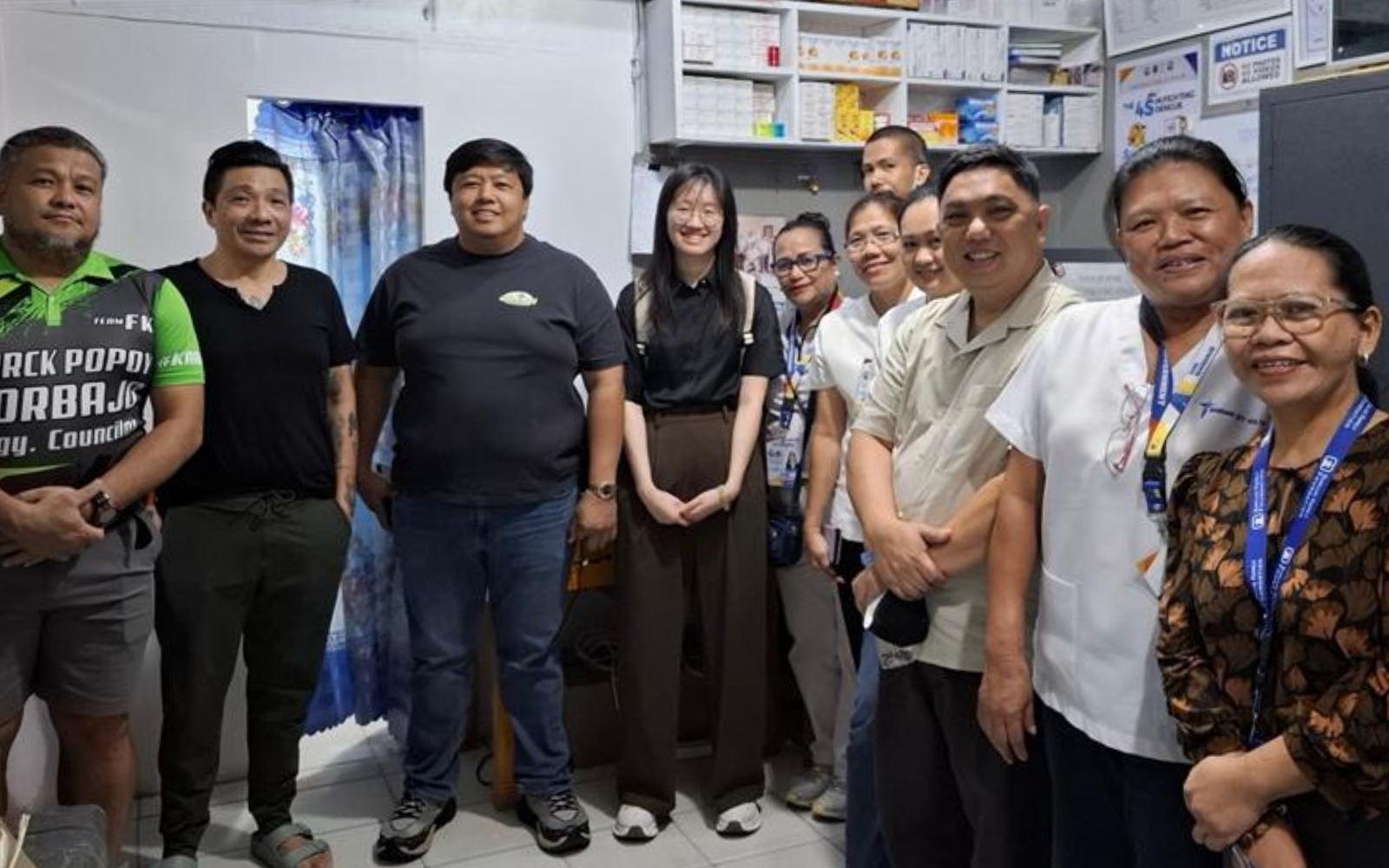
The field visit to Barangay Cabancalan brought these concepts to life.
Conversations with barangay leaders and frontline providers underscored the importance of local ownership in sustaining health programs. Barangay officials described their active role in identifying community needs, mobilizing residents, supporting outreach activities, and allocating local resources. The visit demonstrated how city level policies and investments are translated into community level action through strong partnerships between local governments and frontline implementers.
The debriefing discussion reinforced the value of governance and systems strengthening approaches. While investments in leadership, governance, planning systems, and financing mechanisms may appear less tangible than direct service delivery, they often have greater long term impact because they influence how decisions are made, how resources are allocated, and how programs are sustained.
Particular interest was expressed in understanding the relationship between city governments and barangays, especially in areas such as planning, budgeting, and shared accountability. These discussions highlighted the importance of cultivating ownership at multiple levels of the local health system.
The conversation also explored how lessons from successful cities can be adapted and replicated elsewhere. Knowledge products such as implementation playbooks and city case stories generated interest because they provide practical guidance for other local governments seeking to strengthen health systems and improve outcomes in their own settings.
An important reflection from the visit was the natural alignment between maternal and child health and broader human development objectives. While sectors and organizations may use different language and frameworks, many are ultimately working toward the same goal: improving the well-being of children, families, and communities.
The visit reinforced a lesson that has consistently emerged across TCI cities. Sustainable improvements in health outcomes are rarely the result of a single project or intervention. They are achieved when local governments strengthen leadership, governance, financing, service delivery systems, and community ownership in ways that endure beyond external support.
Mandaue City provided a compelling example of how this approach can work in practice. More importantly, it demonstrated that when systems are strengthened, the benefits extend far beyond any single health program and create conditions for lasting impact across the broader health and development agenda.
