Building Stronger Local Health Systems for UHC and Climate Resilience
News | by Krizzia Esperanza
Universal Health Care (UHC) requires local health systems that can deliver accessible, responsive, and continuous health services while adapting to emerging public health challenges. As local governments work to advance national health reforms, they must also prepare for environmental risks that can disrupt health services and threaten community well-being.
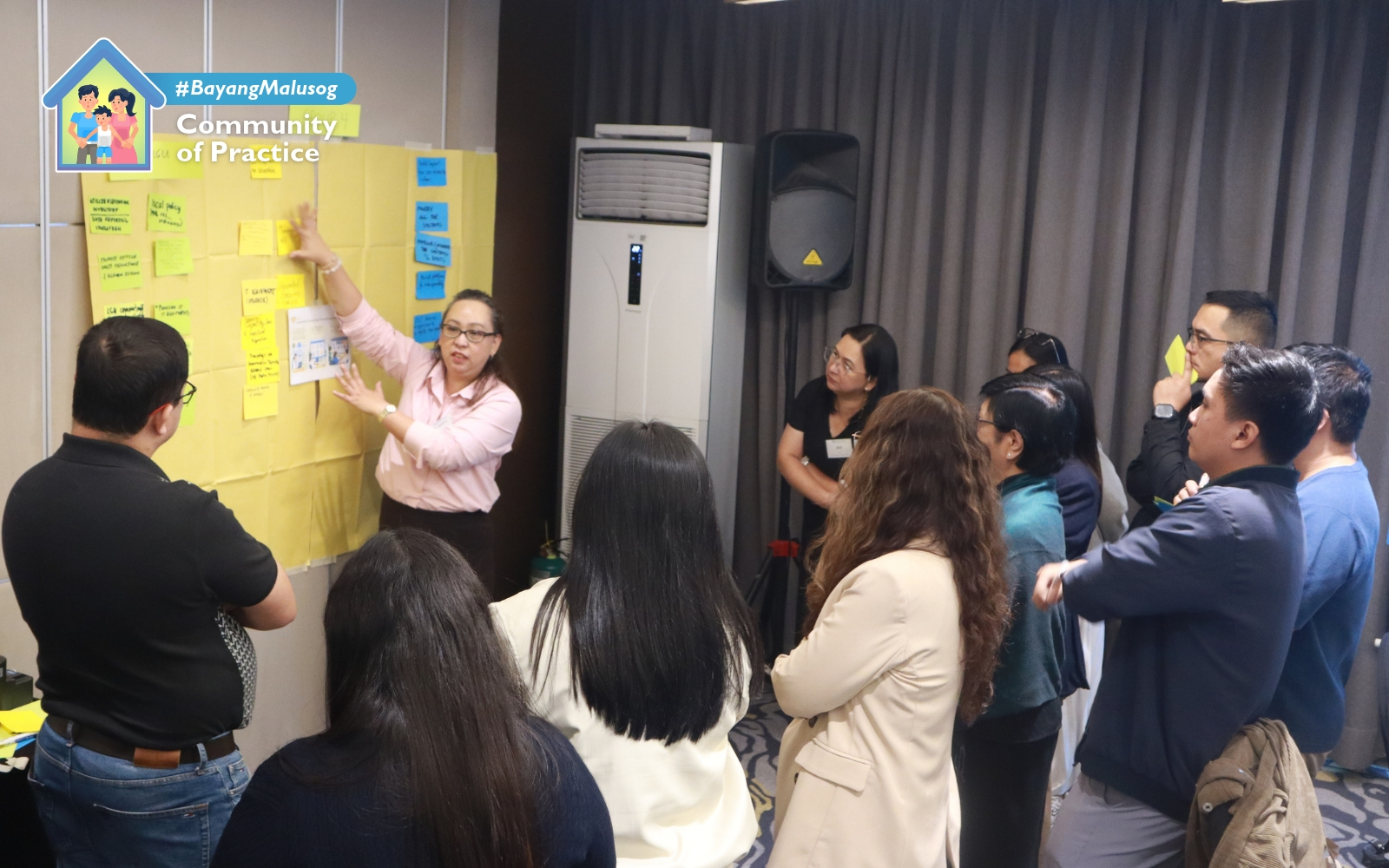
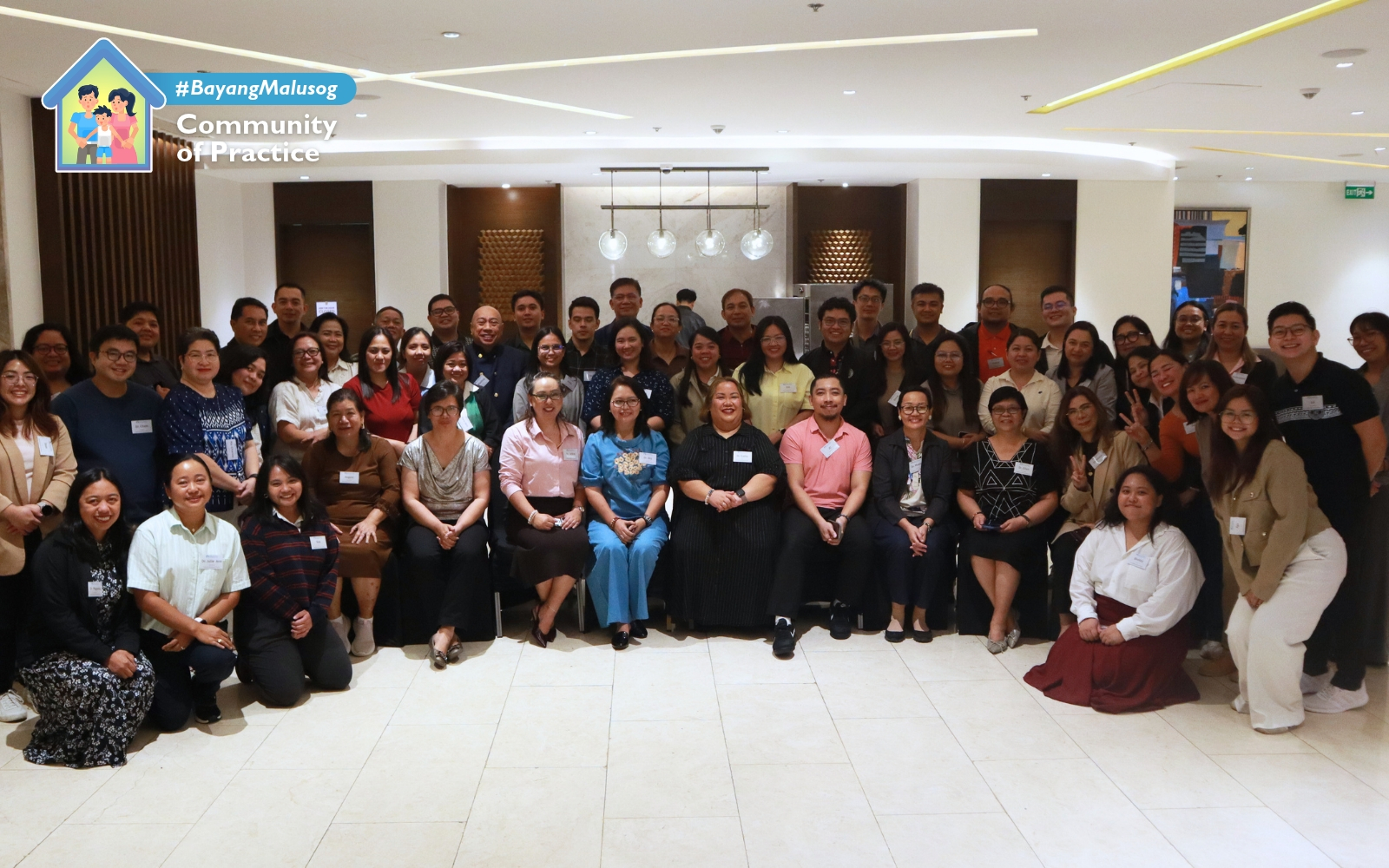
To address these priorities, the Zuellig Family Foundation (ZFF) convened the Bayang Malusog Community of Practice (CoP) workshop last November 11–12, 2026, gathering 45 healthcare leaders from 17 provinces and 12 representatives from Department of Health (DOH) Centers for Health Development.
Related article:
The workshop focused on translating the Unified National Agenda for Health (UNA Para sa Kalusugan) into local action, examining PhilHealth network engagement policies, and identifying ways to prepare provincial health systems for the impacts of a Very Strong El Niño.
A Very Strong El Niño is forecasted to bring prolonged extreme heat and significant rainfall deficits, raising the risk of drought and water shortages. These conditions are expected to increase heat-related illness, food and nutrition insecurity, and waterborne and vector-borne disease outbreaks, while straining health facility operations through water scarcity and power disruptions.
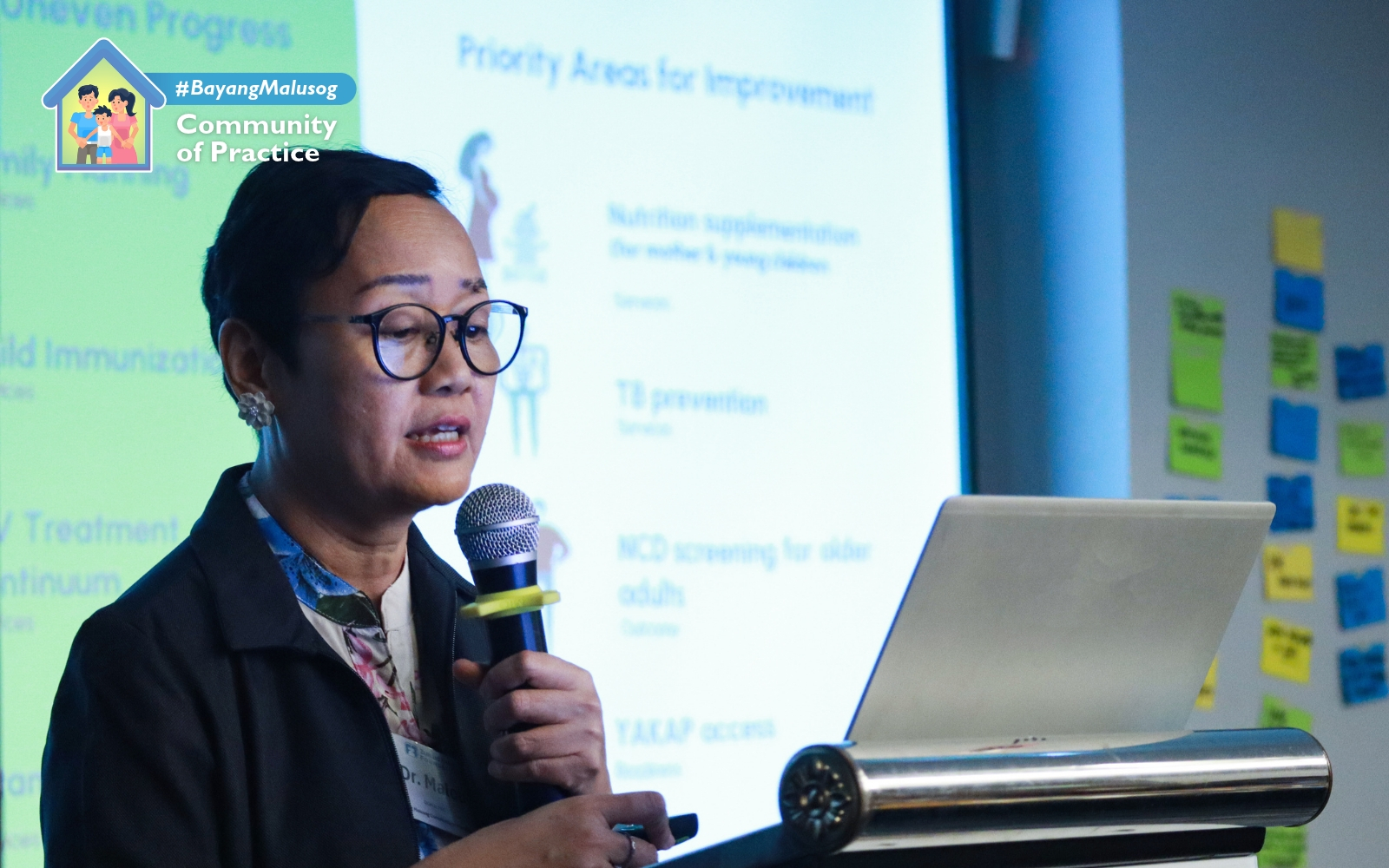 Dr. Maria Lourdes Gajitos of the DOH Bureau of Local Health Systems Development presents UNA Para sa Kalusugan.
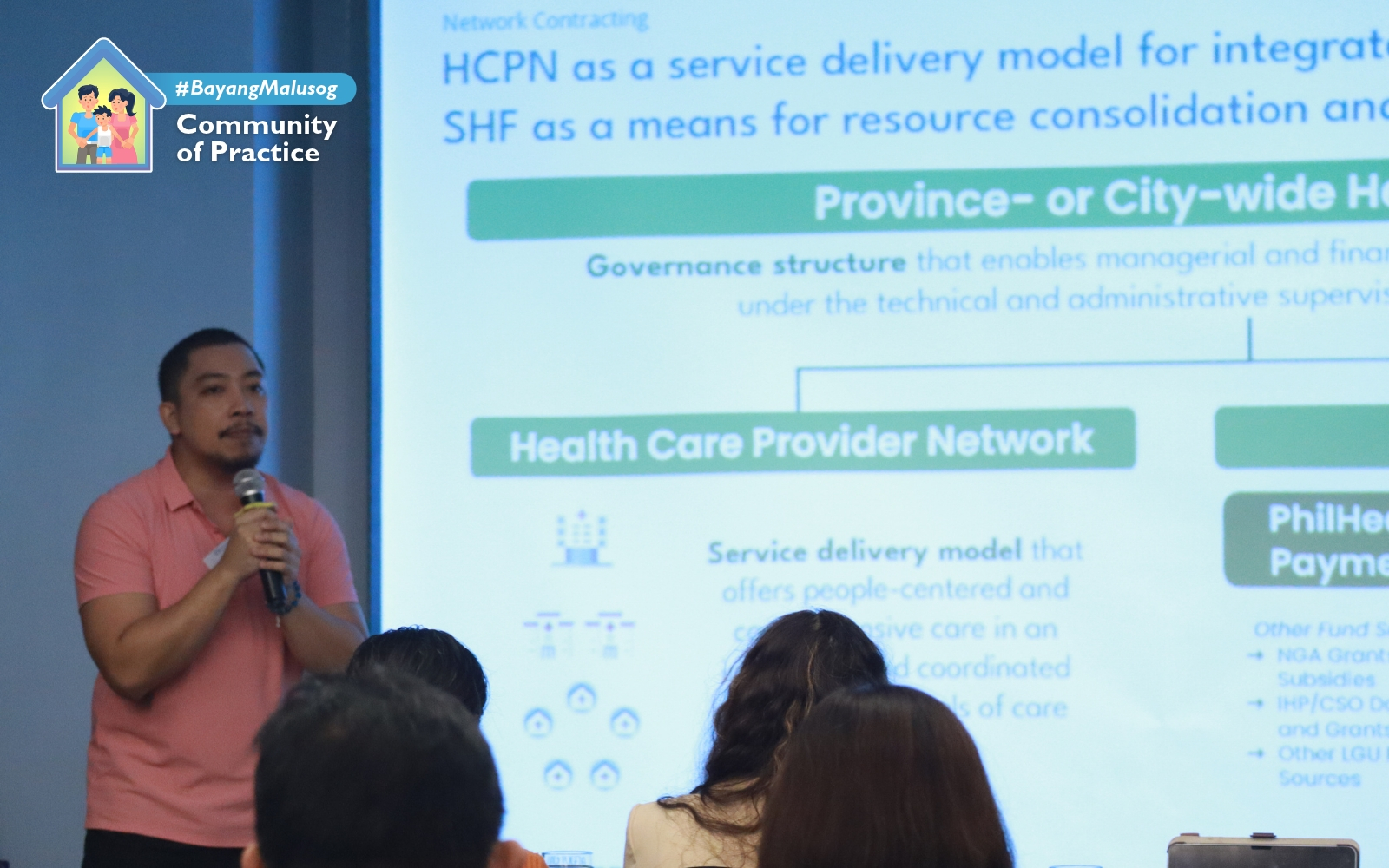 John Carlo Morillo, Senior Health Promotion Officer of PhilHealth UHC Surge, leads the presentation and consultation on updates to the network engagement process.
Aligning local health systems with national priorities
Discussions centered on the role of provincial and local governments in advancing UHC reforms, particularly the institutionalization of the Special Health Fund (SHF), expansion of Yaman ng Kalusugan Program (YAKAP) coverage and utilization, and public-private network contracting to improve primary care access.
ZFF also presented its study on the PhilHealth Guaranteed and Accessible Medications for Outpatient Treatment (GAMOT) program in selected Benguet health facilities and pharmacies. The findings pointed to adaptive governance, public-private pharmacy networks, reliable information systems, and sustainable provider incentives as key factors in improving access to essential medicines.
Through a collaborative workshop, participants identified local government contributions, capacity requirements, and technical support needed to advance the five pillars of the UNA: healthy settings, functional primary care, quality and efficient hospitals, information technology transformation, and strong institutions and workforce.
Preparing for a Very Strong El Niño
The workshop also examined the potential public health impacts of a Very Strong El Niño. Dr. Ronald Law, Director of the DOH Health and Climate Change Office, introduced the Department’s five-pillar operational model for preparedness: detecting risks through timely alerts, deciding on appropriate response plans, delivering preventive interventions, deploying essential supplies, and defending the continuity of health facility operations.
The discussion also identified practical measures for local health systems, including establishing community cooling havens, ensuring access to potable drinking water, preparing healthcare workers for heat-related illnesses, and maintaining water reserves and emergency power systems to support at least 72 hours of critical facility operations.
Making resilience part of health governance
The workshop reinforced that UHC and climate resilience require the same foundations: capable local leadership, coordinated governance, reliable information, and sustainable resource management.
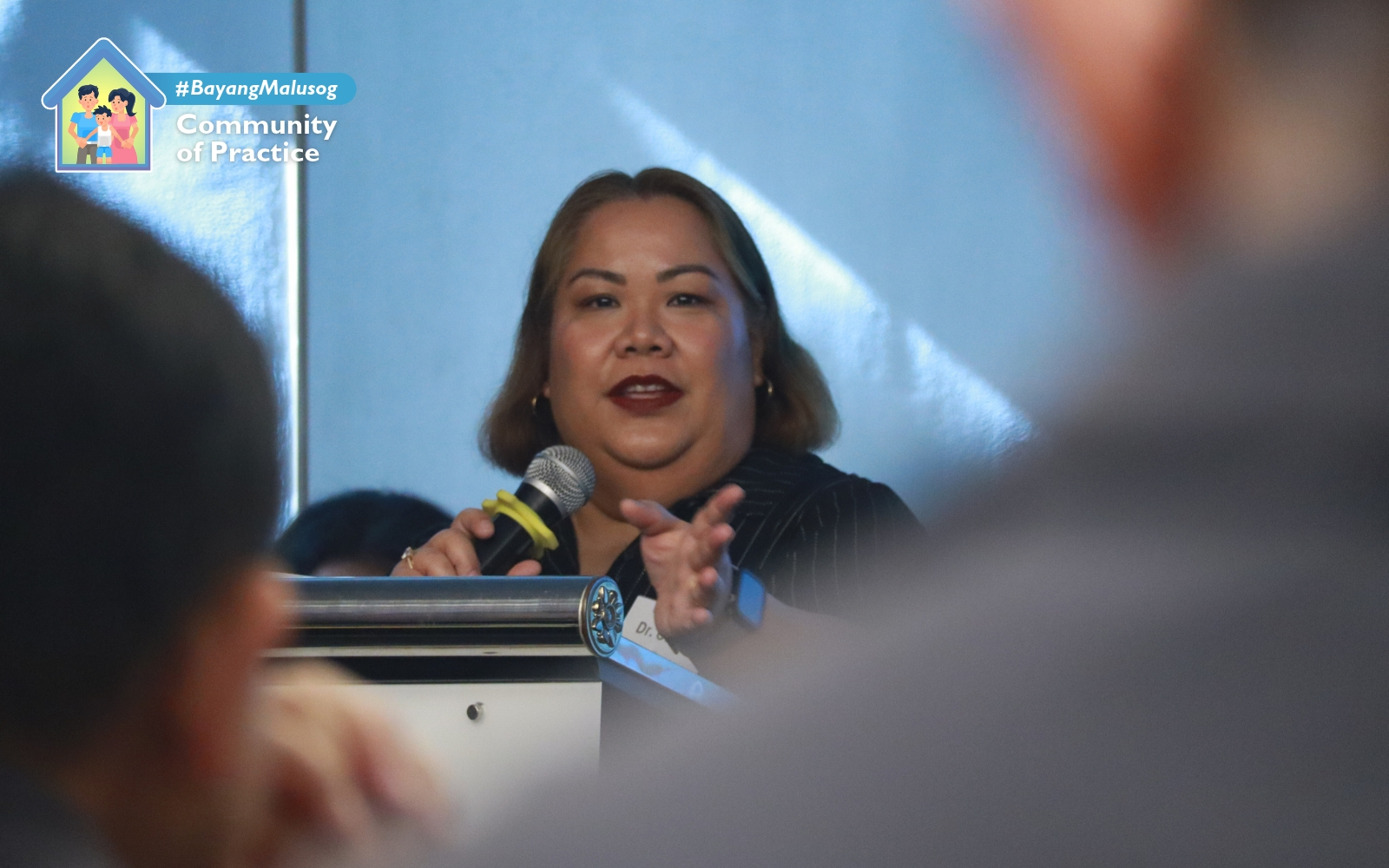
For local governments, this means moving beyond responding to immediate health concerns and anticipating risks that could affect service delivery. Dr. Catherine Chung, ZFF Local Health Systems Director, noted in her synthesis, “Aside from being a bridging leader and adaptive leader, we need to be an anticipatory leader.” Integrating climate preparedness into local health plans can help provinces protect health gains and maintain essential services during emergencies.
Ultimately, the success of UHC depends on how effectively national priorities translate into local action. Through the Bayang Malusog Community of Practice, ZFF continues to provide a platform for provincial health leaders to exchange lessons, address implementation gaps, and build more responsive and resilient local health systems.
