Beyond Technical Assistance: What Value Do We Bring to Our UHC Partners?
Dr. Catherine Chung, Local Health Systems (LHS) Director at Zuellig Family Foundation (ZFF), reflects on what effective technical assistance truly means: not just transferring knowledge, but building local partners’ capacity, connections, and accountability. Drawing on the recent Governance and Accountability for Better Access through YAKAP Implementation (GABAY) pilot for Universal Health Care (UHC), she argues that development partners should aim to become less necessary over time, walking alongside local governments until UHC becomes a lived reality for every Filipino.
—
With close to 19 years working in public health and local health systems strengthening, I have continually asked myself: What is the most effective technical assistance we can provide to our partners—one that goes beyond knowledge transfer and truly adds value to their work?
This question became even more relevant after we concluded the pilot implementation of GABAY (Governance and Accountability for Better Access through YAKAP Implementation), held on September 22–24, 2026, in Baguio City.
The pilot brought together our partner areas from Benguet Province, the municipalities of Kapangan and Kibungan, and Baguio City, together with the PhilHealth Social Health Insurance Academy (SHIA) team, Regional and Provincial PhilHealth teams and the Department of Health-Center for Health Development in the Cordillera Administrative Region. Provincial, city, and municipal health officers, budget officers, accountants, treasurers, and planning officers also participated. The initiative was co-designed to support Universal Health Care (UHC) implementation, particularly by strengthening financial integration at the local level.
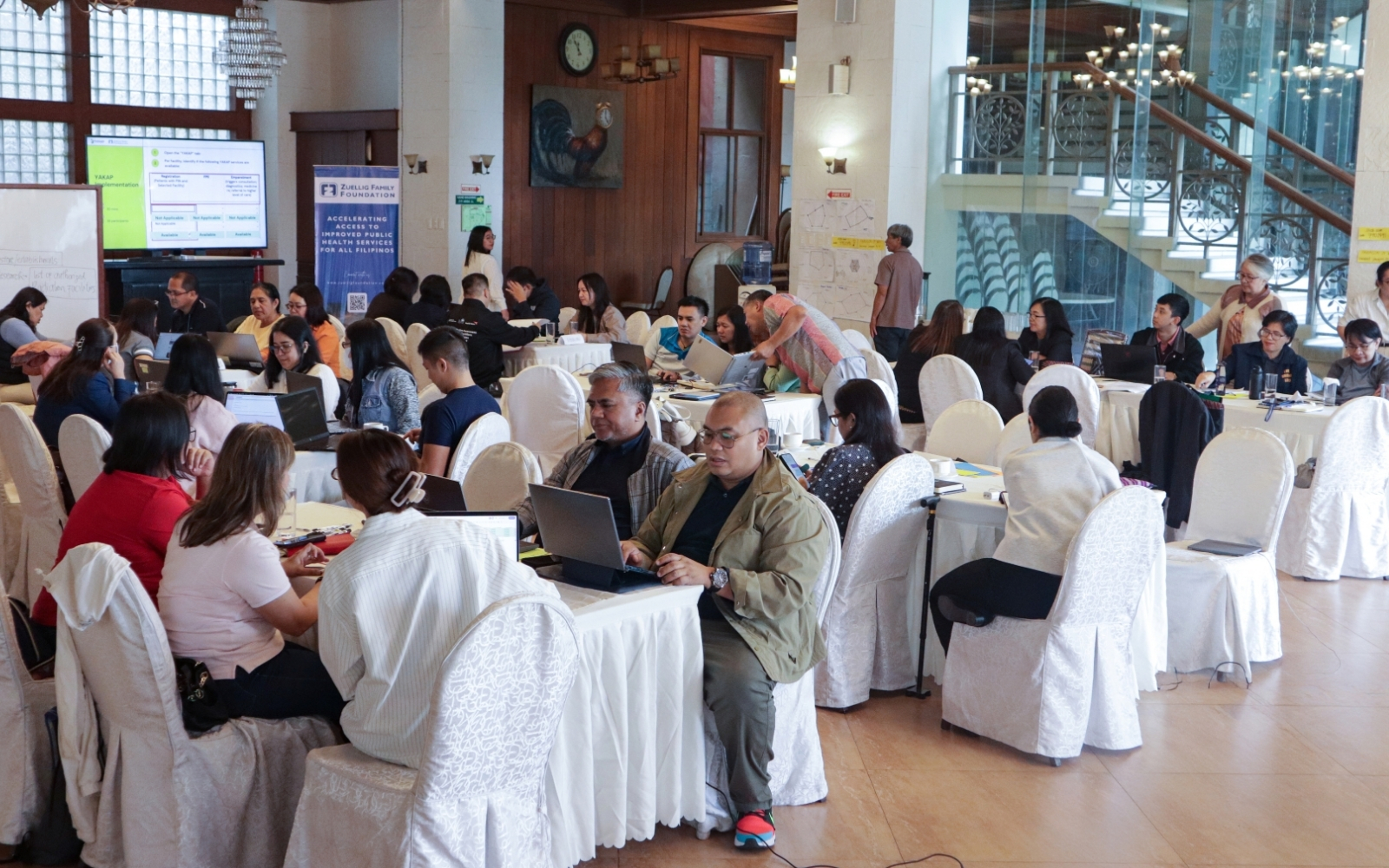 Photo above: Participants work together in small groups during the GABAY pilot.
As we work toward full province- and city-wide health systems integration, one of the most challenging areas has consistently been health financing. Financial integration is not simply a matter of understanding policies and processes. It requires specialized knowledge, strong governance, coordinated planning, and the ability of different stakeholders to work together around a shared understanding of local needs and priorities.
This is where technical assistance must evolve.
Effective technical assistance should not merely provide answers or introduce new tools. It should bring the right people together, build their capacity to analyze their own challenges, strengthen decision-making, and enable them to develop solutions that are responsive to their local context.
The PhilHealth GABAY pilot experience reinforced for me that financing decisions ultimately affect people. Resources must be planned and allocated strategically to ensure that essential health services are sustained, primary care remains accessible, and no one is left behind, including the health workers who serve at the frontline of the health system.
For technical assistance providers, therefore, the question should not only be “What technical support can we give?” but rather “What capabilities, connections, and values can we help our partners build so that they can lead, plan better, utilize resources effectively, and deliver quality health care services, ensuring that UHC is felt even in the farthest communities?”
Financial integration is one of the critical components that will bind together and strengthen effective UHC implementation. Primary care financing, in particular, has historically been one of the more difficult areas to navigate because it involves multiple stakeholders, systems, processes, and layers of accountability.
The GABAY pilot is therefore not an endpoint. It is one of many learning opportunities and technical assistance initiatives that our partners will undertake as they move toward greater financial maturity and stronger local health systems.
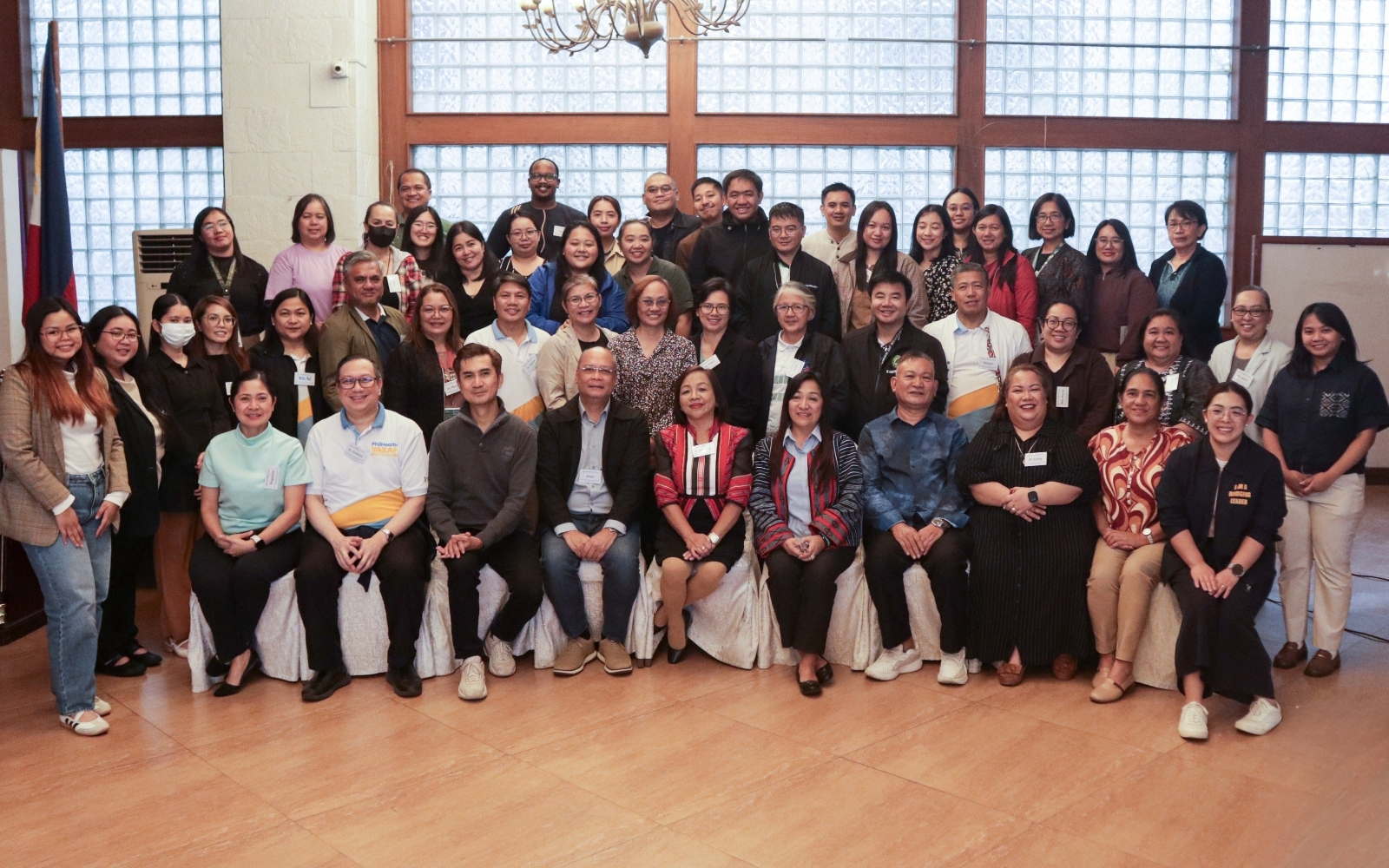 Photo above: Stakeholders from across the Cordillera Administrative Region together with PhilHealth SHIA and ZFF gather for a group photo, symbolizing shared commitment and partnership needed to advance UHC.
Perhaps this is the real measure of effective technical assistance: not how much we provide, but how much stronger, more capable, and more accountable our partners become because of it, and how sustainable the reforms become when we are no longer there as partners.
Our goal as development partners should be to make ourselves less necessary over time, not because local governments need less support, but because they have gained the capability, confidence, and systems to lead their own change.
This is the essence of our work as development partners: to walk alongside our partners, strengthen their capacity, and help build systems that can sustain progress beyond our engagement.
We will continue this noble work until, together, Universal Health Care becomes not only a policy or aspiration, but a reality that is felt by every Filipino, even in the farthest communities.
Author: Dr. Catherine Chung, ZFF LHS Director
Amagen Tako: Benguet Health Leaders Strengthen Collaboration for Sustainable Universal Health Care
Okak (mine or my responsibility), oka tako (ours or our shared responsibility), amagen tako (let’s do it together).
These local expressions, shared by Dr. Hydre Nga-ew, Municipal Health Officer of Kibungan, Benguet, captured the essence of Bridging Leadership: moving from individual ownership to shared ownership and collective action. The reflections echoed the central message of the Bayang Malusog Leadership and Governance Program (BMLGP) Module 2: achieving Universal Health Care (UHC) requires leaders who can unite teams, communities, and stakeholders around a common vision.
Photo above: Kapangan municipal health team, together with Mayor Harris Dizon (third from the right), reviews the municipality’s health system performance.
Related articles:
- The Universal Health Care Journey in Benguet and Baguio: Celebrating Gains, Navigating Hurdles
- From an Empathy-Driven Learning Visit to a Stronger Commitment to Health
- From Data to Dignity: How a Bedside Visit in Kibungan, Benguet Changed a Mayor’s Approach to Universal Health Care
The Zuellig Family Foundation facilitated the module last July 23–24, 2026 in Baguio City for the municipal health teams of Kapangan and Kibungan, Benguet. Representatives from the Benguet Provincial Department of Health (DOH) Office, as well as Kapangan Mayor Harris Dizon participated in the activity, demonstrating strong local and provincial support for advancing health leadership and governance.
Building on the Bridging Leadership framework introduced in Module 1, participants reflected on their leadership practicum experiences, celebrated early wins, and examined persistent challenges in delivering primary health care. Through interactive sessions, they explored strategies for engaging communities, strengthening team dynamics, navigating conflict, and institutionalizing multisectoral partnerships that support responsive, people-centered health systems.
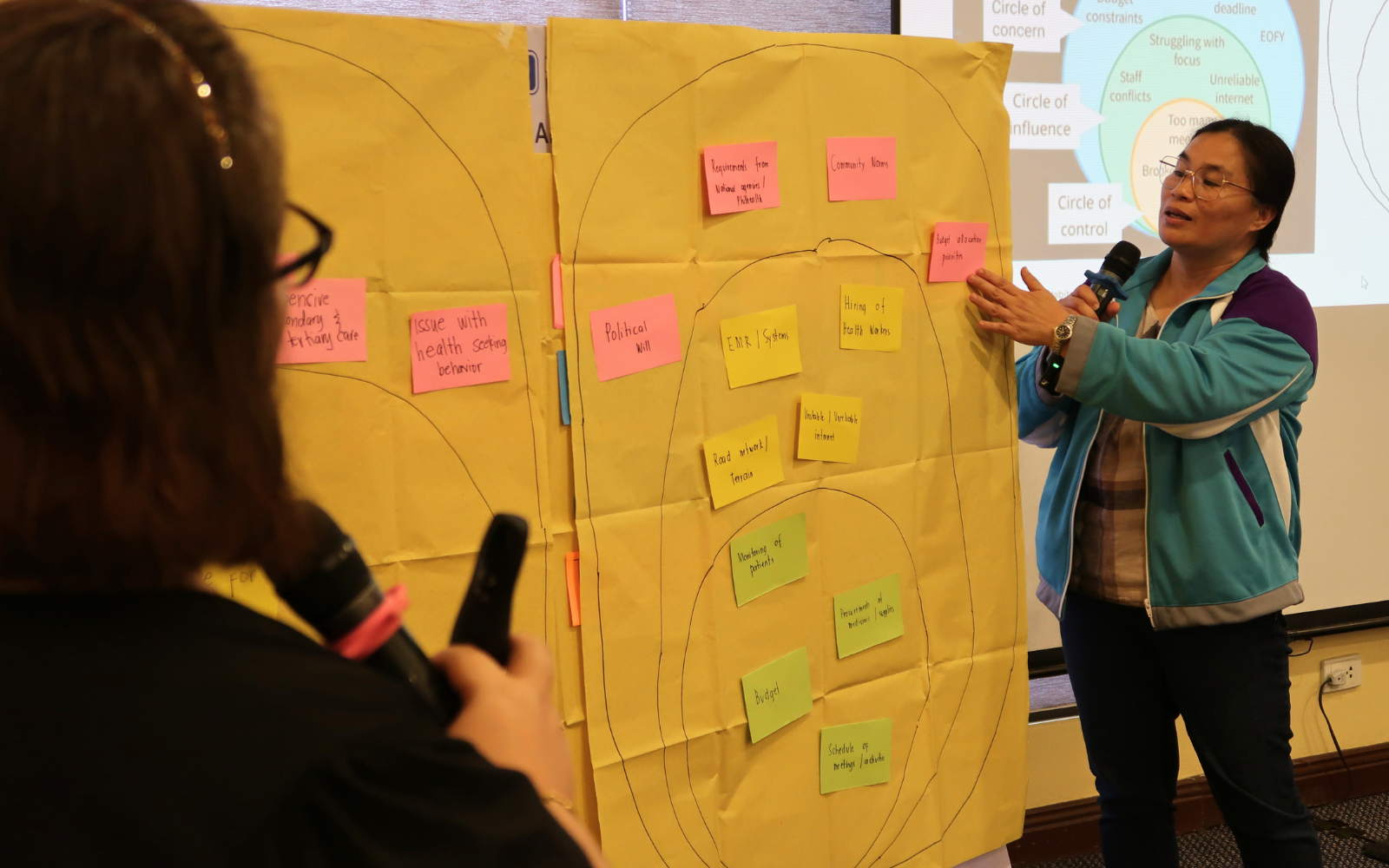 Photo above: Participants present their Circles of Concern, Influence, and Control group output, reflecting on areas where they can lead change to strengthen local health systems.
During the reportback sessions, the municipalities shared their local health realities. Kapangan identified noncommunicable diseases (NCD), particularly hypertension, as its leading health concern. Community participation, integrated service delivery, and medicine availability have enabled better NCD services, while limited human resources, insufficient funding, the absence of dedicated NCD policies, and patient compliance remain key challenges.
Meanwhile, Kibungan reported pneumonia as its leading cause of morbidity, while cancer, cardiovascular disease, and undetermined natural causes accounted for the highest mortality. The municipality cited DOH support for health workforce augmentation, increased health financing through PhilHealth, and committed health workers as important enablers. However, limited medicine coverage and the high cost of maintaining electronic medical records continue to affect service delivery.
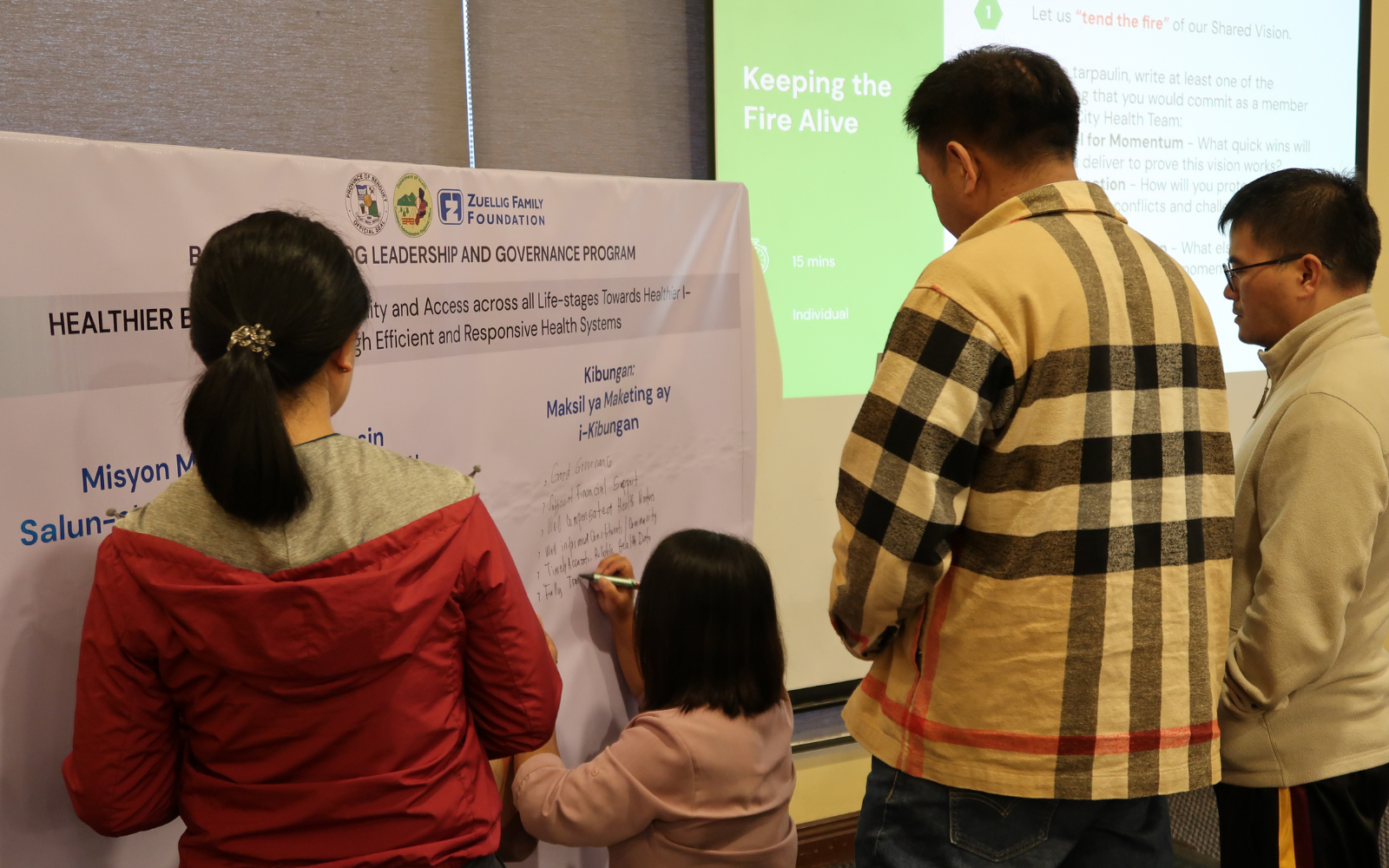 Photo above: Kibungan municipal health team shares strategies for keeping the “fire” of their shared vision alive.
Throughout the two-day learning session, participants noted that effective leadership goes beyond fulfilling individual roles. They recognized the importance of understanding community concerns, collaborating across sectors, and encouraging others to take ownership of a shared vision. They also reflected on conflict as an opportunity for learning and stronger collaboration rather than an obstacle to progress.
Dr. Mary Joy Fermin, former Municipal Health Officer of Kapangan, underscored that achieving better health outcomes requires strong leadership, collaboration, continuous learning, people-centered approaches, and sustained delivery of services. Participants likewise committed to becoming more accommodating leaders, stronger team players, and catalysts for change in their respective municipalities.
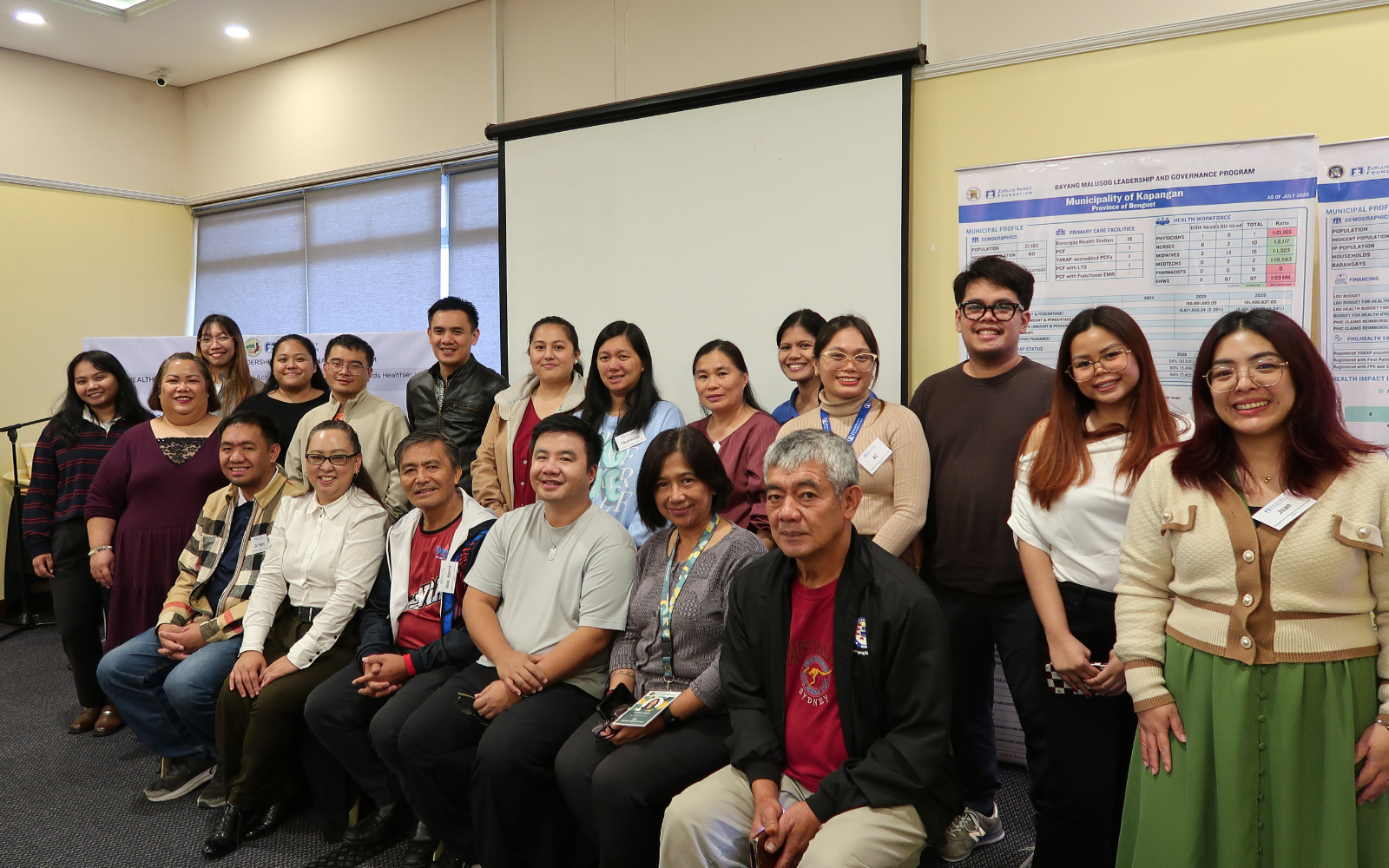
Towards the end of the activity, Dr. Andrew Chamson Bacuso of the Benguet Provincial DOH Office, encouraged participants to strengthen collaboration, innovate with purpose, and embrace servant leadership as they continue advancing UHC in their communities. As reflected in the words okak, oka tako, and amagen tako, sustainable health systems are built through shared ownership, collective action, and co-creation with the communities they serve.
From Data to Dignity: How a Bedside Visit in Kibungan, Benguet Changed a Mayor’s Approach to Universal Health Care
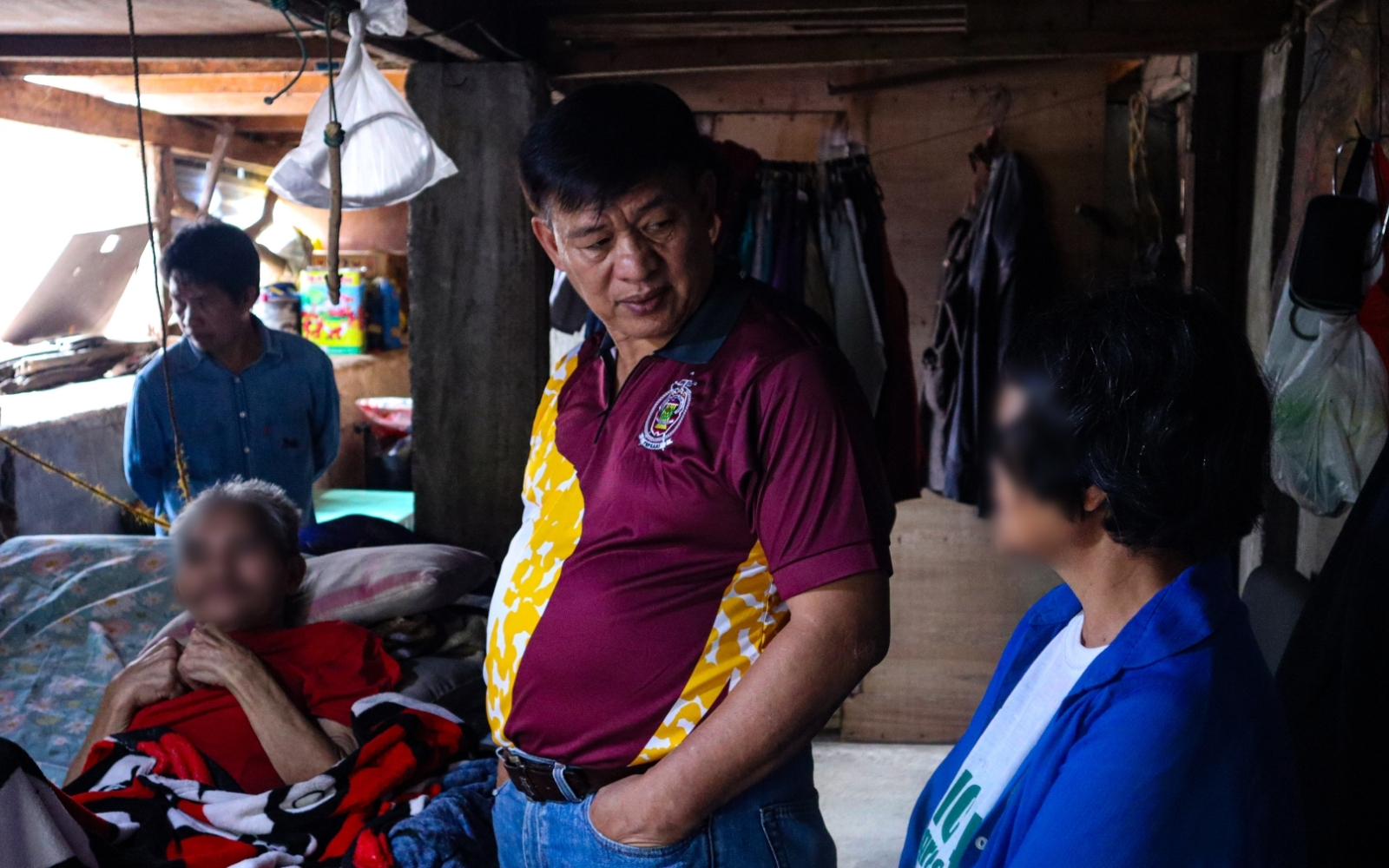
In the highlands of Benguet, where fog often obscures the mountain trails, a different kind of clarity emerged on April 28, 2026. Kibungan Mayor Agustin Tello sat beside the bed of a three-time stroke survivor: a former sayote farmer now unable to work, cared for by his elderly wife in a modest home in Barangay Sagpat. What the Mayor heard in that small room is now reshaping how Kibungan delivers Universal Health Care (UHC).
The visit is referred to as Deep Dive, a guided leadership learning activity, part of the Bayang Malusog Leadership and Governance Program (BMLGP) of the Zuellig Family Foundation (ZFF). Unlike traditional field visits, the Deep Dive immerses leaders directly into the lives of the most vulnerable, requiring them to see, listen, observe, and reflect.
A Mayor Confronts the “Face Behind the Number”
Mayor Tello is no stranger to community engagement. His administration has long practiced consultative governance, and he has regularly visited barangays. But this visit was different. For the first time, he sat across from a family too exhausted to perform—a wife uncertain whether they even qualified for government aid, and a patient whose children, all farmers themselves, had already incurred significant debt from medical expenses. Reflecting on the experience, the Mayor admitted “iba talaga kapag face-to-face,” explaining that in group settings, people hesitate to voice shortcomings, but in a private household, the truth emerges naturally.
The revelation that the family was unaware of their PhilHealth eligibility struck the Mayor as a systemic failure. The experience affirmed that data, no matter how accurate, cannot capture the shame, exhaustion, or confusion of a family navigating a fragmented support system. As Dr. Anjelica Joy Nacnac of ZFF framed it during the processing session, the Deep Dive “puts a face [to data]. Itong numbers na ‘to ay may tao, at itong taong ito ay may kwento.”
Municipal Health Officer Dr. Hydre Nga-ew, who accompanied the Mayor, described the moment as deeply validating. For years, his team had been implementing programs for noncommunicable diseases (NCD), but sitting in that home gave emotional weight to their daily work. The visit confirmed that even small interventions were reaching patients but also revealed how much more needed to be done, particularly in rehabilitation services and medicine continuity.
The Silent Crisis: Elderly Caregivers Left Behind
Beyond the patient himself, the Deep Dive exposed the growing number of elderly residents caring for other elderly residents. As younger family members migrate to Baguio City and other urban areas for work, Kibungan’s senior citizens are increasingly left to fend for one another. Mayor Tello observed that while community ties and neighborly support remain strong, serious illness quickly overwhelms these informal arrangements. “Ang naiiwan dito sa lugar iyong mga matatanda, at usually walang magbantay kaya kawawang-kawawa sila,” he said, adding that in a few years, the municipality may need a home for the aged as traditional care structures buckle under demographic and economic pressures.
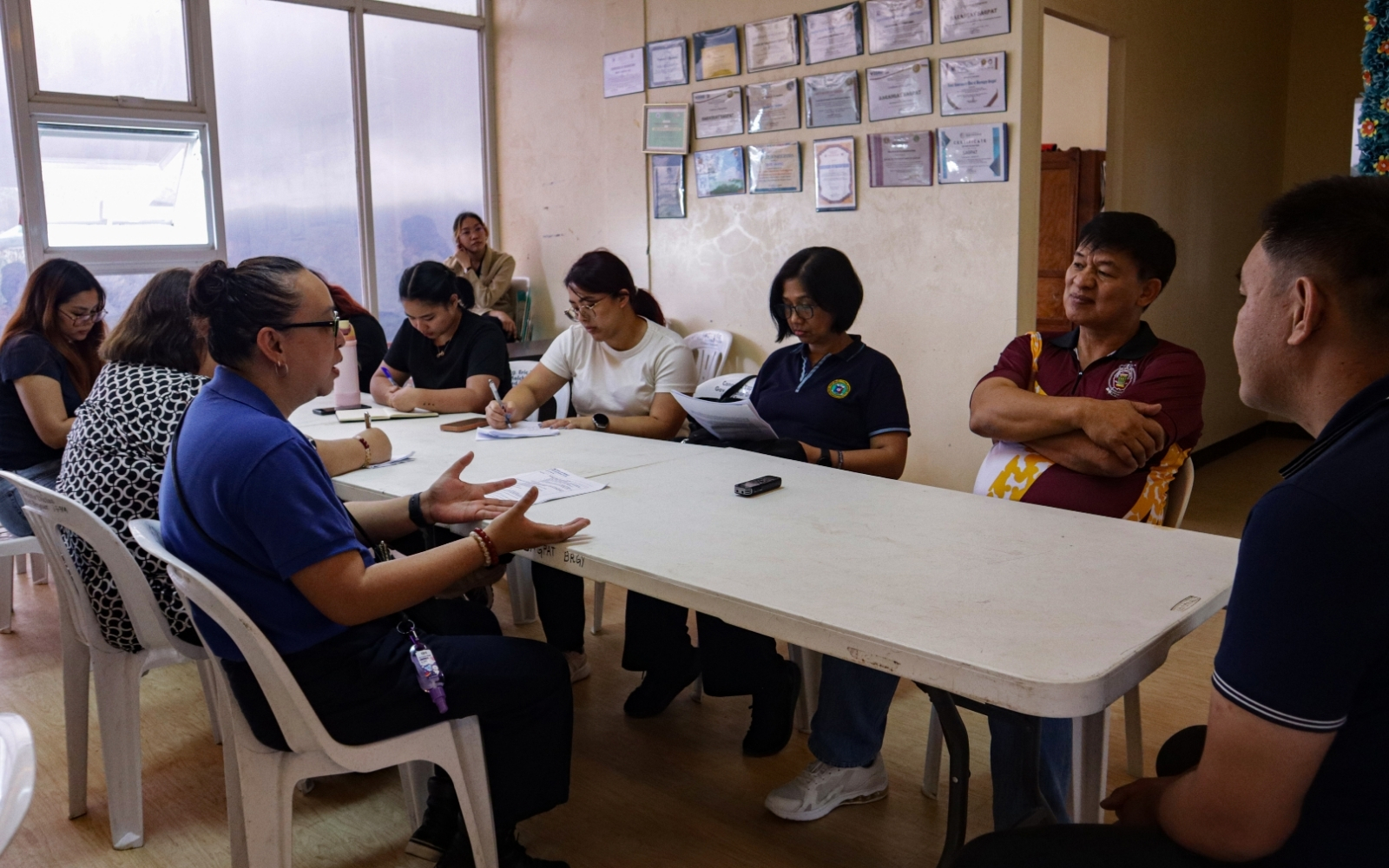
Josephine Fawayan, Development Management Officer IV of the Baguio-Benguet Provincial Department of Health (DOH) Office, amplified this concern by highlighting the double vulnerability of elderly women who serve as primary caregivers. These women, she noted, often balance caregiving with household management and livelihood activities while their spouses work elsewhere. “Care for the caregivers,” she urged, pointing out that DOH still lacks robust community-based rehabilitation programs. With only one physical therapist serving all 13 municipalities, many post-stroke patients miss the critical window for rehabilitation, leading to permanent stiffness and disability.
From Reflection to Action: A Three-Point Agenda
The Deep Dive was designed not merely to evoke empathy but to catalyze concrete action. Following the household visit and a structured processing session, Mayor Tello committed to immediate priorities aligned with his 2026 timeline. First, he will issue an executive order to integrate the work of various local government unit (LGU) committees on health, social welfare, and the like so that support systems operate cohesively rather than in isolation. He noted that while individual committees are functional, their fragmentation often results in duplicated efforts and missed opportunities.
Second, he prioritized the hiring of a municipal pharmacist to strengthen the PhilHealth Guaranteed and Accessible Medications for Outpatient Treatment (GAMOT) program. The Local Health Board had previously discussed this need, but the Deep Dive accelerated its urgency. Without a dedicated pharmacist, patients with maintenance medications for hypertension, diabetes, and other NCDs face dangerous gaps in treatment. Third, the Mayor committed to deepening community participation in health program design, implementation, and monitoring. “The community will not be part of what is being programmed if they will not be part of the decision process,” he argued. “When you are part of it, you will take care of it.” Programs imposed from above, he noted, rarely survive beyond the political term that created them.
“Health is Number One”
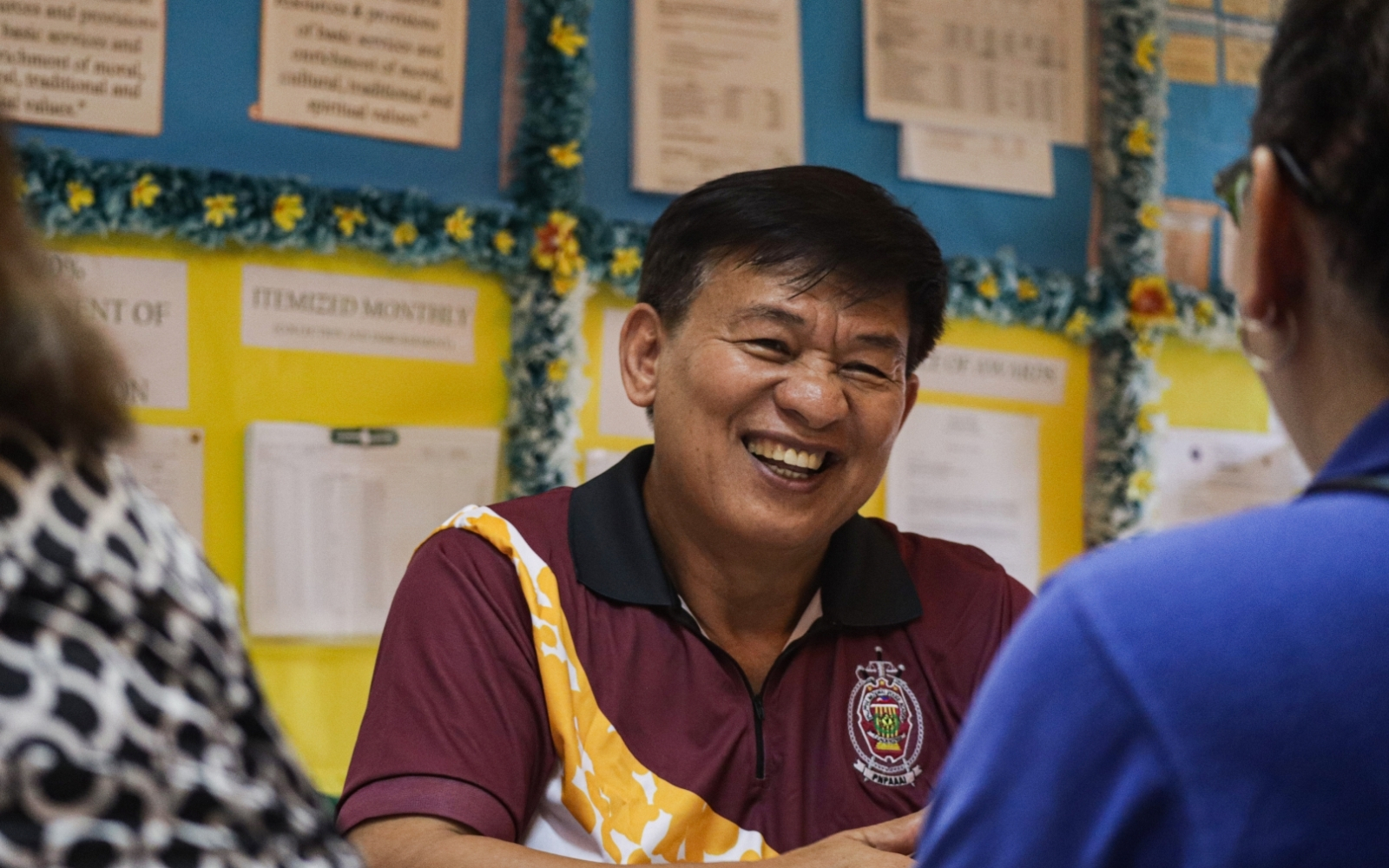
For Mayor Tello, the Deep Dive reinforced a philosophy he first articulated during his campaign. “Noong nagca-campaign ako, sabi ko tatlo lang ang kailangan ng bayan para mabuhay: health, education, economy,” he recalled. Without health, he argued, neither learning nor labor is possible. “Health is number one.”
He further committed to advocating with the Sangguniang Bayan for increased investment in satellite health facilities, particularly in geographically isolated areas. Some barangay health stations, he noted, lack even basic amenities like toilets and kitchens, making it difficult for health workers to serve their communities with dignity.
Dr. Catherine Chung, ZFF Local Health System Director, formally welcomed Kibungan into the network of over 700 LGUs that have completed the Deep Dive journey. The goal, she said, is to ensure that health governance is never purely statistical but always grounded in the lived realities of the people it is meant to serve.
What began as a household visit had become a blueprint for a more responsive, more humane local health system. Mayor Tello put it simply: without direct engagement, the LGU would have continued operating on assumptions. With it, Kibungan now has something more valuable than data: a story, a face, and a renewed sense of purpose.
Municipalities of Kibungan and Kapangan, Benguet Receive Grants to Enhance Primary Health Care
The Zuellig Family Foundation, under its Bayang Malusog Leadership and Governance Program (BMLGP), reinforced its commitment to strengthening primary health care in Benguet through a ceremonial turnover of partnership grants to the Municipalities of Kibungan and Kapangan on February 16, 2026.
The ceremonies took place at the Kibungan Municipal Hall and Kapangan Municipal Hall, with the two municipalities serving as pilot sites of BMLGP in the province. ZFF implements the program in partnership with the Provincial Government of Benguet and the Department of Health-Cordillera Administrative Region (DOH-CAR).
Related articles:
- Kibungan and Kapangan’s Grand March Toward a Shared UHC Vision
- Bridging Leadership in Action: Benguet’s Mayors Reaffirm Commitment to UHC Integration
- Moving Forward with Health Reforms in Benguet
The partnership grants equip local government units with resources to bolster their primary health care systems at the frontline level. The grant package includes primary care instruments and equipment, health information system (HIS) support, home visit kits, and barangay health worker (BHW) kits. These resources enhance the capacity of Municipal Health Offices and Rural Health Units to deliver more responsive, coordinated, and community-centered health services.
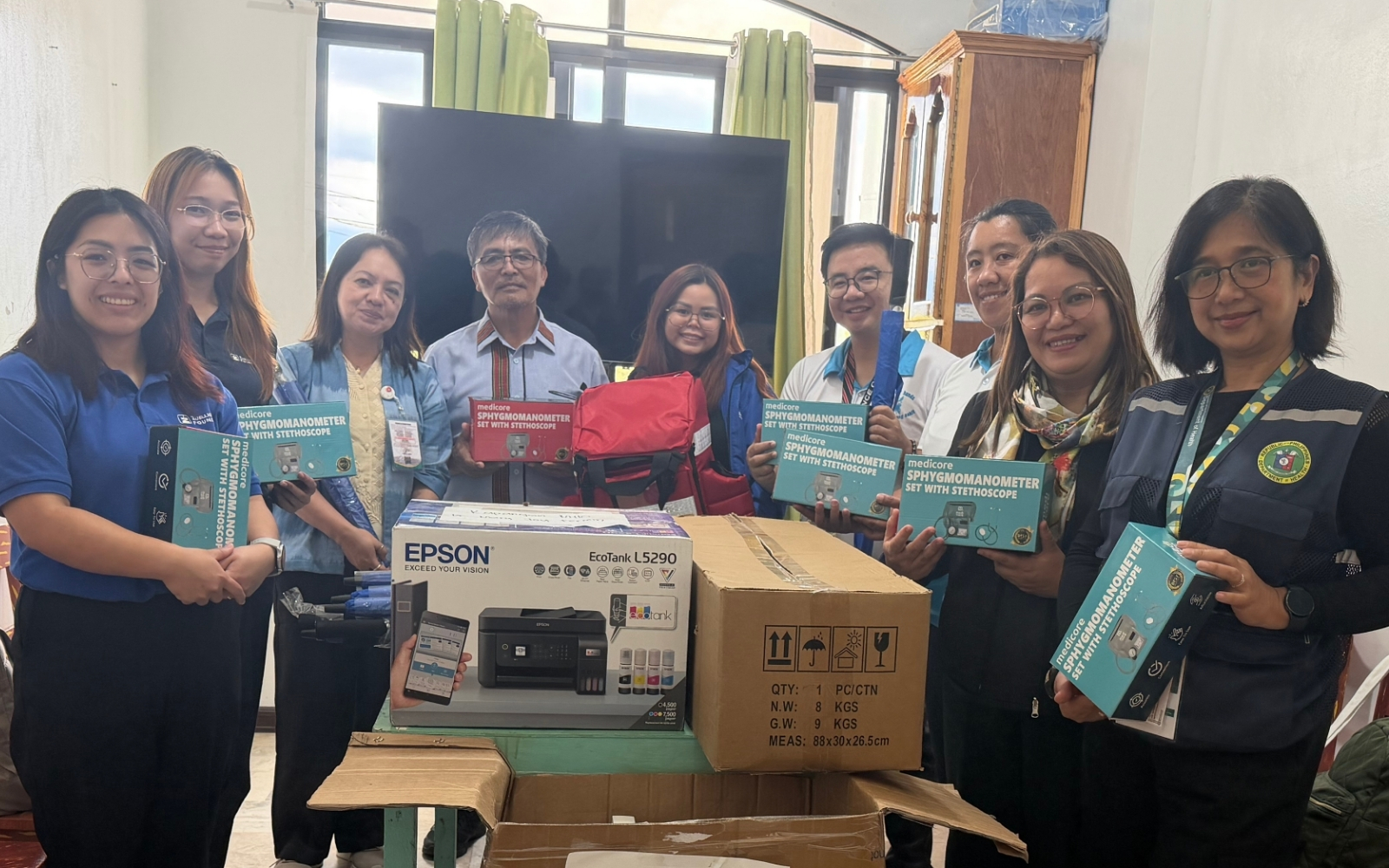
Beyond equipment, the grants aim to improve primary care delivery and local health system management. The equipment strengthens frontline service provision, while HIS support enables local health teams to track patient data, monitor priority health conditions, and base decisions on evidence. Home visit kits and BHW kits further empower community-level care by equipping frontline health workers who serve as the first point of contact for many families.
Representatives from the Benguet Provincial Health Office (PHO)—Dr. Andrew Chamson Bacuso, Rural Health Physician, and Rubelyn Tomas, Senior Health Program Officer—joined them. Representatives from the Department of Health, Dr. Mercedes Calpito, Development Management Officer V and Provincial Health Team Leader, and Jocephine Fawayan, Development Management Officer IV, also attended.
During the Kibungan ceremony, Dr. Hydre Nga-ew highlighted noncommunicable diseases (NCDs) as a key focus of the municipality’s health agenda under the program. Emphasizing the importance of data-driven governance, Dr. Nga-ew stated, “What you cannot measure, you cannot manage,” underscoring the need for strong health information systems and collective support to strengthen the local health system and improve NCD implementation.
Both Mayor Agustin Tello of Kibungan and Mayor Harris Dizon of Kapangan expressed their gratitude to ZFF, PHO, and DOH for their continued support. They also reaffirmed their commitment to strengthening local governance and empowering their communities to achieve better health outcomes.
Banner photo: Turnover of partnership grants to the Kibungan Municipal Government with Mayor Agustin Tello (sixth from the right)
Author: Ayeza De Mesa, ZFF BMLGP Associate
ZFF Strengthens Primary Care to Advance UHC in Benguet and Baguio City
The Zuellig Family Foundation (ZFF), through its Bayang Malusog Leadership and Governance Program (BMLGP), is helping strengthen primary health care (PHC) systems in Kapangan and Kibungan in Benguet and Baguio City to support the country’s Universal Health Care (UHC) goals.
Guided by the UHC Act’s vision of accessible, equitable, and people-centered health services, the Bayang Malusog Program focuses on improving local leadership and governance so that government units can effectively manage integrated primary care networks. To support this, ZFF provided partnership grants to the City Camp and Irisan District Health Centers in Baguio City, and the Rural Health Units of Kapangan and Kibungan in Benguet.
Related articles:
- Kibungan and Kapangan’s Grand March Toward a Shared UHC Vision
- Baguio City Advance Universal Health Plans
- Moving Forward with Health Reforms in Benguet
The grants help frontline health workers deliver better care through:
- Home visit kits for community outreach;
- Personal protective equipment (PPE) for Barangay Health Workers (BHWs);
- Essential primary health care equipment; and
- Health Information System (HIS) support.
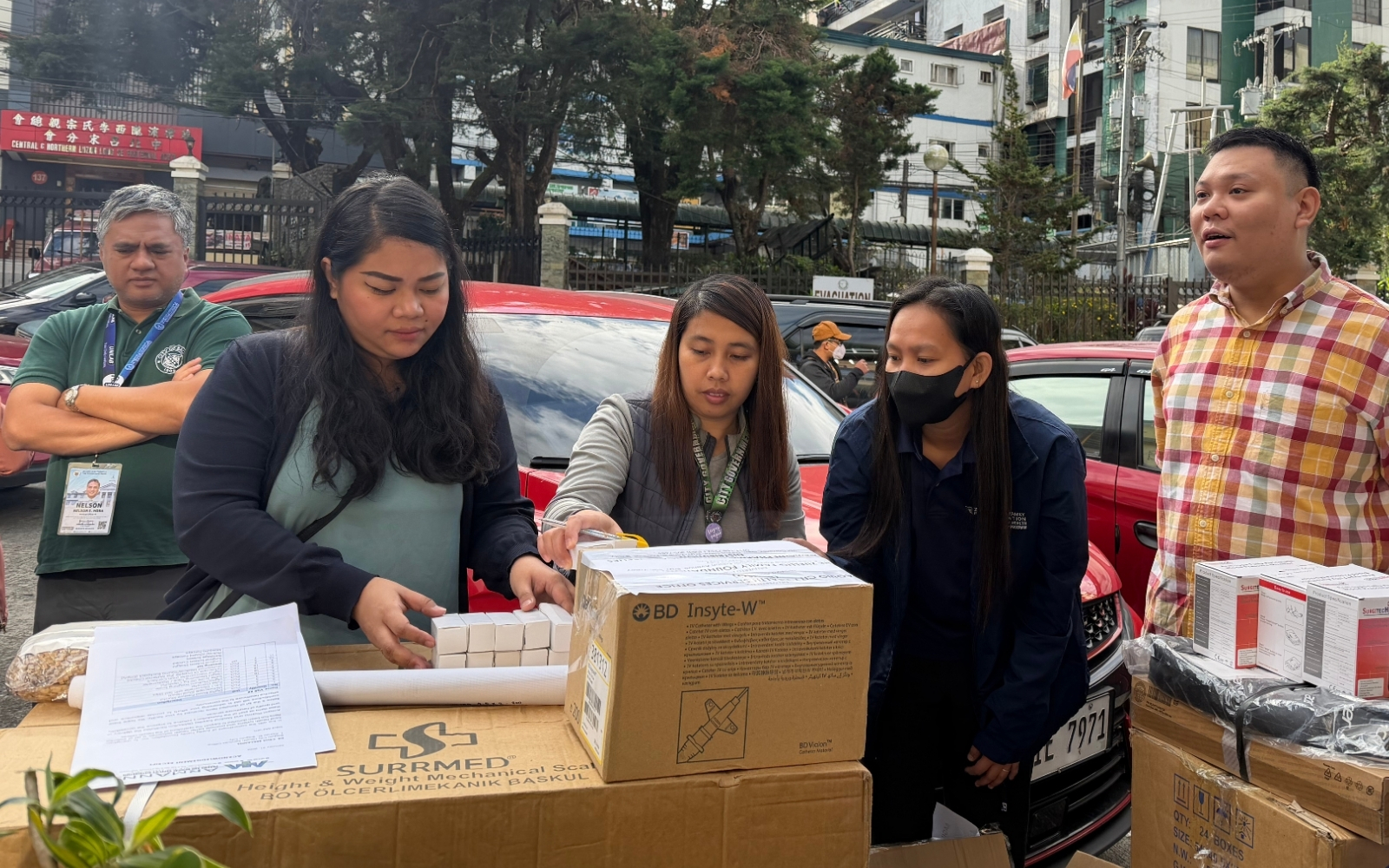
These tools enable continuous, quality care at the community level.
The turnover ceremony on January 22, 2025, marked a shared commitment to making primary care facilities strong and functional. Baguio City officials present were Dr. Ma. Lourdes Pakoy, Assistant City Health Officer; Dr. Nelson Hora, City Camp District Health Center Medical Officer; and Dr. Vanessa Fagcangan, Irisan District Health Center Medical Officer. From Benguet, Dr. Meliarazon Dulay and Dr. Jocelyn Legaspi, Provincial Health Officers, and Ms. Rubelyn Tomas, Senior Health Program Officer, attended, along with Dr. Joy Fermin, Municipal Health Officer of Kapangan. Department of Health-Cordillera Administrative Region officials Dr. Janice Bugtong and Dr. Mercedes Calpito also joined.
Through the Bayang Malusog Program, ZFF continues to show that strong leadership, well-supported health workers, and integrated primary care systems form the foundation of UHC—ensuring every Filipino family can access quality, responsive, and people-centered health services.
Banner photo: Provincial Health Office of Benguet
Authors: Joan Kidatan, ZFF BMLGP Associate for Baguio City
Kibungan and Kapangan’s Grand March Toward a Shared UHC Vision
During Module 1 of the Bayang Malusog Leadership and Governance Program (BMLGP) held on November 27–28, 2025, representatives from the municipalities of Kibungan and Kapangan in Benguet—including Kapangan Mayor Harris Dizon—came together to reflect on their leadership journeys and shape a shared vision for Universal Health Care (UHC).

By the end of the module, both groups had crafted messages that captured their hopes for their people: “Maksil ya maketing ay i-Kibungan” (Healthy and resilient people of Kibungan) and “Misyon man-aabat para sin salun-at for a healthier Kapangan” (Our mission for health—together for a healthier Kapangan).
Reflections Rooted in Community
The reflections from the group grew naturally from the Day 1 sessions, where participants explored their values, motivations, and lived experiences through the three-step Bridging Leadership framework of Ownership, Co-Ownership, and Co-Creation.
As part of the Ownership process, the group examined their “why” as leaders—what shaped them, what drives them, and how their stories connect to the health of their communities.
This grounding in personal purpose set the tone for the collective work that followed.

Bryan Alacdis, Kibinungan Municipal Accountant, explained that in their town, support for each other is deeply woven into their way of life. “Our main [quality in Kibungan] is we support each other. Awan ti milak-laksid, awan ti maibat-bati. (No one is left out, no one is left behind.)”
Dizon also connected their collective effort to a familiar cultural symbol in Benguet, the grand march, a traditional dance that brings people together across social, political, and religious lines.
In the same way, leaders from both municipalities recognized that UHC is a shared movement—everyone stepping in rhythm, carrying their role, and supporting one another.

Co-Ownership, Co-Creation, and Action Planning
On the second day, the groups moved from personal awareness to shared responsibility. Guided by the Zuellig Family Foundation’s Local Health System and BMLGP team, they practiced trust-building, stakeholder mapping, and open dialogue—activities that helped them understand the bigger system they are part of.
With this stronger sense of co-ownership, the teams drafted action plans aligned with the Benguet UHC Roadmap. These plans focused on strengthening primary care, improving coordination between offices, supporting health financing, and making sure resources are used wisely and transparently.

The two-day module ended with a meaningful moment. Participants recited the Pledge of Commitment as Bridging Leaders, affirming their promise to lead with compassion, integrity, and shared responsibility. Afterward, they joined in the grand march—a symbol of unity, community spirit, and moving forward together.
Like the grand march, the UHC journey in Benguet is a collective movement. With visions strengthened by both personal purpose and shared commitment, Kibungan and Kapangan now step forward in rhythm, carrying with them a shared hope for a healthier and stronger Benguet.
Benguet Charts Path to Stronger Health Governance
Health leaders and partners from Benguet gathered in Baguio City for a Program Implementation Planning Workshop under the Zuellig Family Foundation (ZFF)’s Bayang Malusog Leadership and Governance Program (BMLGP) last May 28-29, 2025. The workshop brought together stakeholders to assess Benguet’s current health landscape, agree on strategic interventions, and build a shared commitment to health leadership and accountability.
One of the major outcomes of the workshop was the identification of two critical focus areas: health data management and health financing. Participants noted the importance of improving how health data is collected, analyzed, and used. A stronger health information system would allow for more accurate monitoring of health indicators, better resource distribution, and faster responses to health concerns. Alongside this, the group highlighted the need for sustainable and equitable health financing. This involves making the most of existing budgets, exploring innovative ways to fund health programs, and enhancing the financial management skills of local health offices.
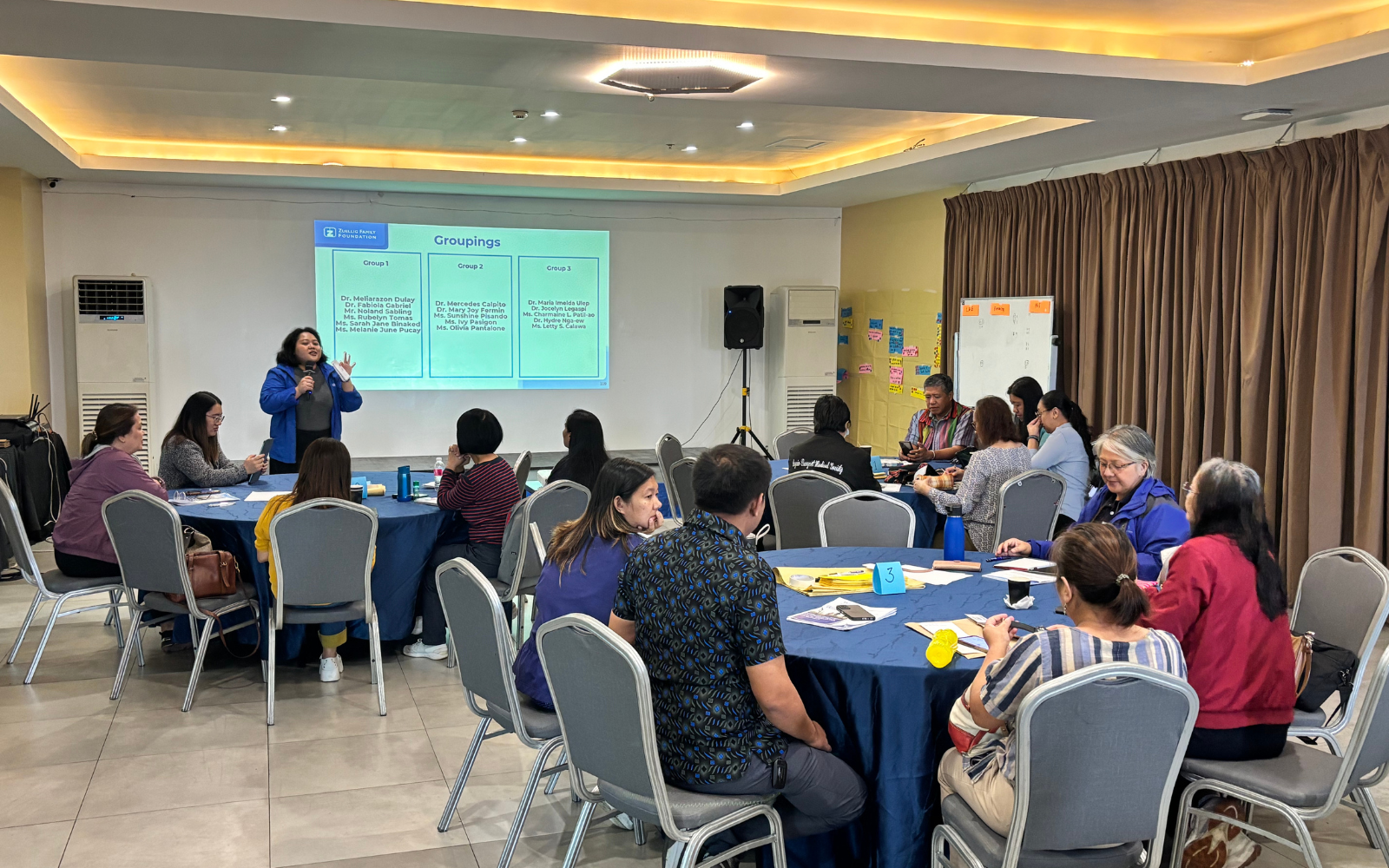
Twenty health leaders and staff from various agencies and local government units attended the two-day workshop. From the Benguet Provincial Health Office, Provincial Health Officer II Dr. Meliarazon Dulay, Provincial Health Officer I Dr. Jocelyn Legaspi, and Senior Health Program Officer Rubelyn Tomas joined the discussions. Benguet General Hospital was represented by Chief of Hospital Dr. Maria Imelda Ulep.
From the Department of Health (DOH), Dr. Mercedes Calpito, Melanie June Pucay and Sunshine Pisando attended. Sarah Jane Binaked represented the DOH Center for Health Development-Cordillera Administrative Region (CHD-CAR).
Representatives from the two pilot municipalities also played an active role in the workshop. From Kibungan, attendees included Dr. Hydre Nga-ew (Municipal Health Officer), Ivy Pasigon, and Letty Calawa. From Kapangan, Dr. Mary Joy Fermin (Municipal Health Officer), Charmaine Patil-ao, and Olivia Pantalone joined the group. Dr. Fabiola Gabriel, President of the Benguet Association of Municipal Health Officers of the Philippines (AMHOP), and Noland Sabling, Acting Chief Social Insurance Officer of PhilHealth Benguet, also took part.

With the implementation plan now in development, BMLGP is set to support stronger leadership, more effective governance, and improved primary care services in Benguet. The program will start with a focused approach in Kibungan and Kapangan supporting their health leadership and governance needs, with the goal of eventually expanding benefits to families across the entire province.
The Universal Health Care Journey in Benguet and Baguio: Celebrating Gains, Navigating Hurdles
Benguet Province and Baguio City have marked a major step forward in health governance with the successful conduct of the Practicum Assessment Activity under the Bayang Malusog Leadership and Governance Program (BMLGP) of the Zuellig Family Foundation.
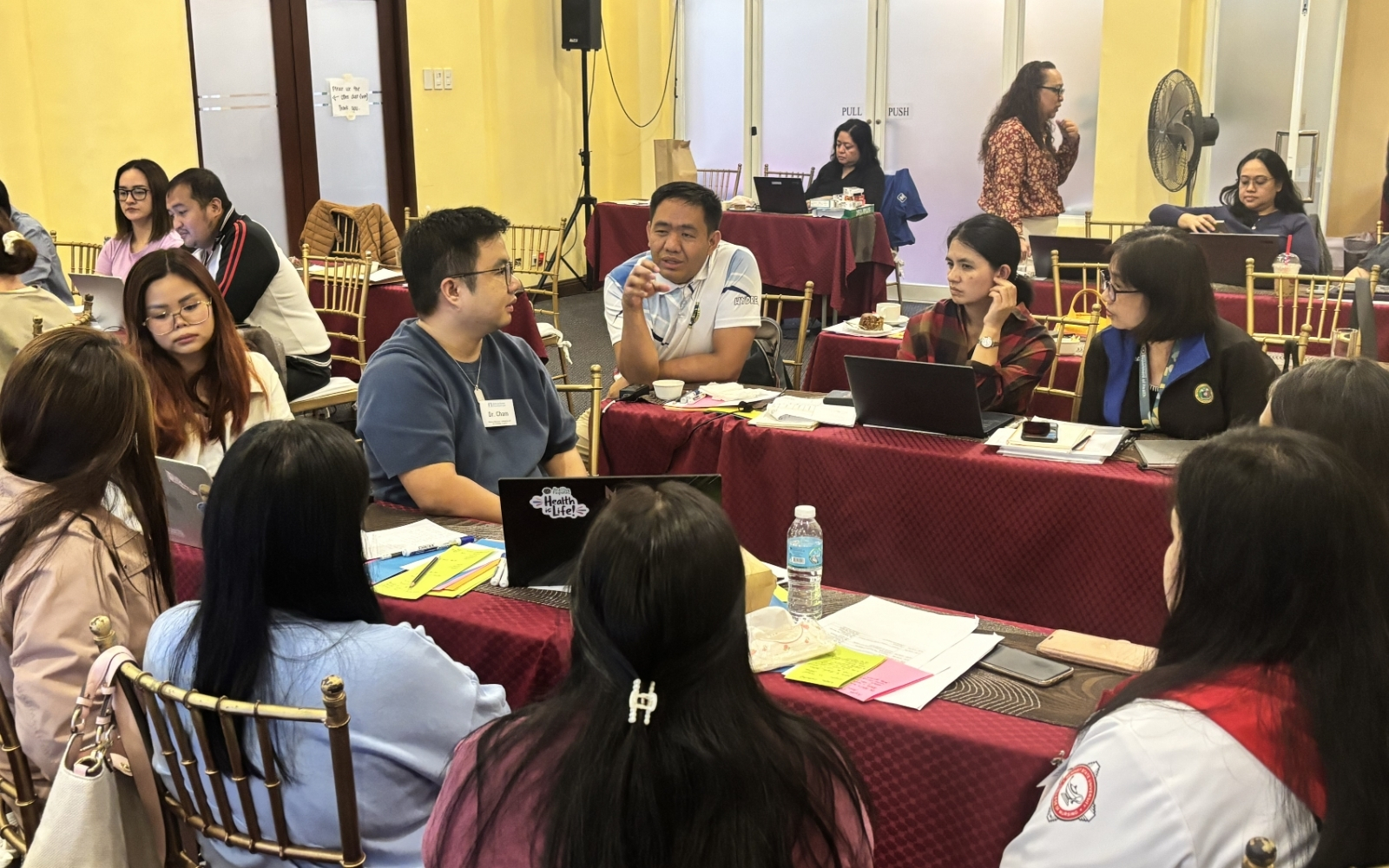
Held on June 9–10, 2026 at Hotel Elizabeth Fersal in Baguio City, the event convened 27 public health leaders, including the provincial and city health teams, municipal and district health teams from the BMLGP pilot areas of Kibungan, Kapangan, City Camp, and Irisan, as well as non-communicable disease (NCD) program coordinators. Also in attendance were institutional partners from the Department of Health (DOH) Center for Health Development in the Cordillera Administrative Region and the provincial and city DOH offices.
Related articles:
- From an Empathy-Driven Learning Visit to a Stronger Commitment to Health
- From Data to Dignity: How a Bedside Visit in Kibungan, Benguet Changed a Mayor’s Approach to Universal Health Care
- Mayor Magalong Completes ‘Deep Dive’ to Assess Baguio Health System
The assessment showcased notable early successes, particularly the significant mid-year progress in the NCD roadmaps of the pilot areas. Baguio City achieved a full 100% accomplishment rate in the DOH Local Health System-Maturity Level, while Benguet came close to full integration at nearly 100%.
Equally encouraging, health leaders observed a meaningful shift in community behavior. More residents are now aware of the primary care packages (PhilHealth YAKAP and GAMOT packages) leading to a marked increase in self-initiated consultations at primary care facilities. This growing public trust underscores how primary health care is steadily becoming the solid foundation of Universal Health Care (UHC).
Beyond celebrating these wins, the activity served as a vital platform for reflection. It allowed the participating local government units (LGUs) to assess how their action plans and initiatives from the BMLGP training—backed by concrete data and system improvements—have translated into real-world results.
A central feature of the workshop was a comprehensive competency assessment, designed to ensure that ZFF’s Bridging Leadership principles are not just theoretical but are actively shaping better health outcomes for communities. The session also provided a transparent space for consolidating key insights, identifying emerging challenges, and documenting best practices drawn from the actual experiences of the partner sites.
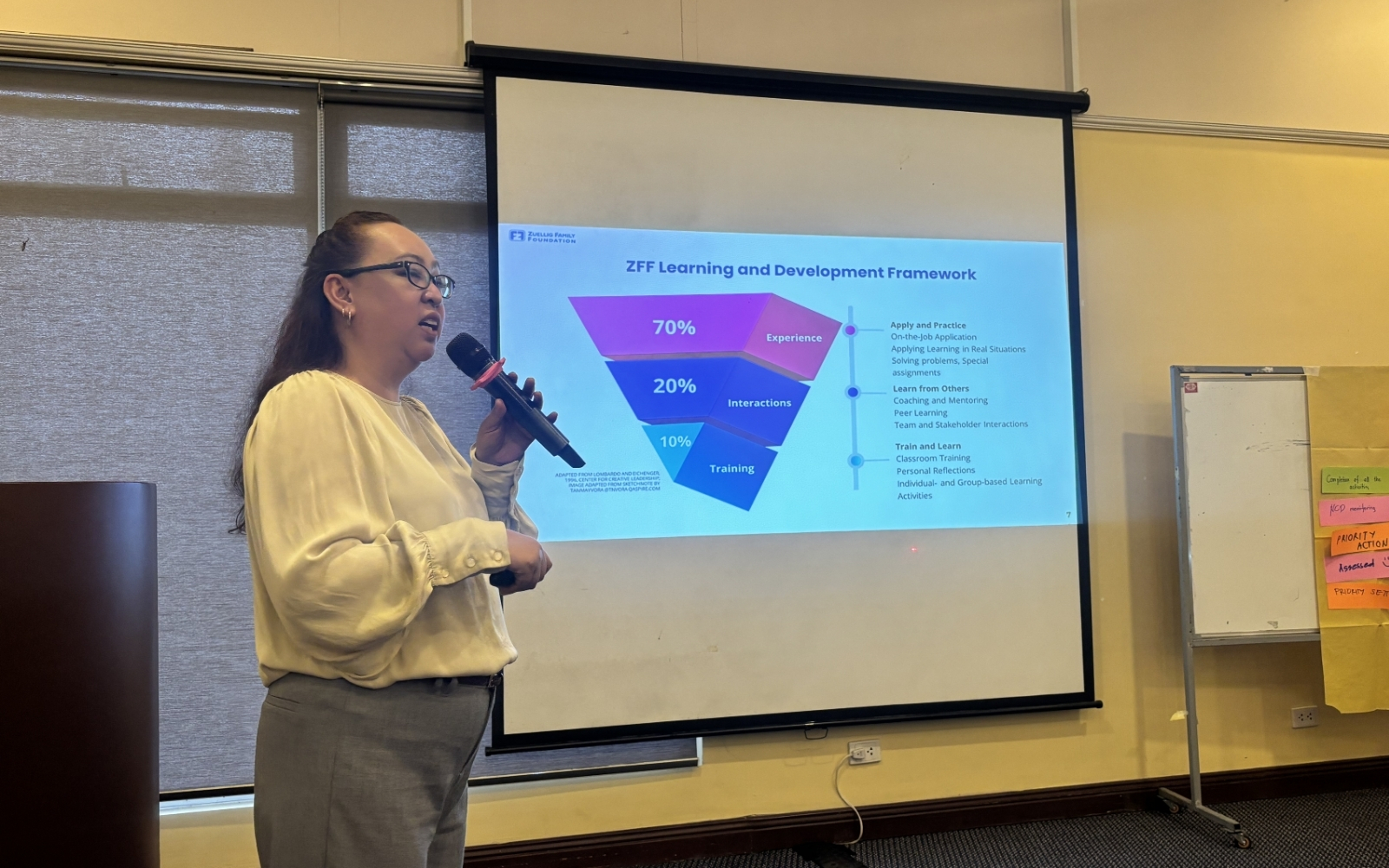
Despite the geographic and structural differences between urban Baguio and rural Benguet, participants found striking common ground. The sharing sessions revealed that both settings face similar systemic hurdles in NCD program implementation and overall UHC rollout. These shared challenges sparked action-oriented discussions and fostered a sense of unity in addressing them.
What stood out most in the reflections, however, was the deep human element driving these institutional changes. Leaders expressed genuine appreciation for how their personal leadership competencies directly influenced their LGUs’ health outputs, enabling continuous personal growth and more effective governance. A recurring theme was the immense value of empowering frontline health workers, especially Barangay Health Workers, who serve as the critical ground implementers of these programs. Ultimately, participants voiced pride in how Benguet and Baguio are steadily advancing UHC, emphasizing that every small victory along the path to health equity deserves recognition and celebration.
To sustain this momentum, the workshop concluded with concrete, actionable blueprints aimed at advancing UHC and NCD programs across all governance levels. By aligning provincial, city, and municipal strategies, participants clearly defined how higher-level governments can better support the pilot sites.
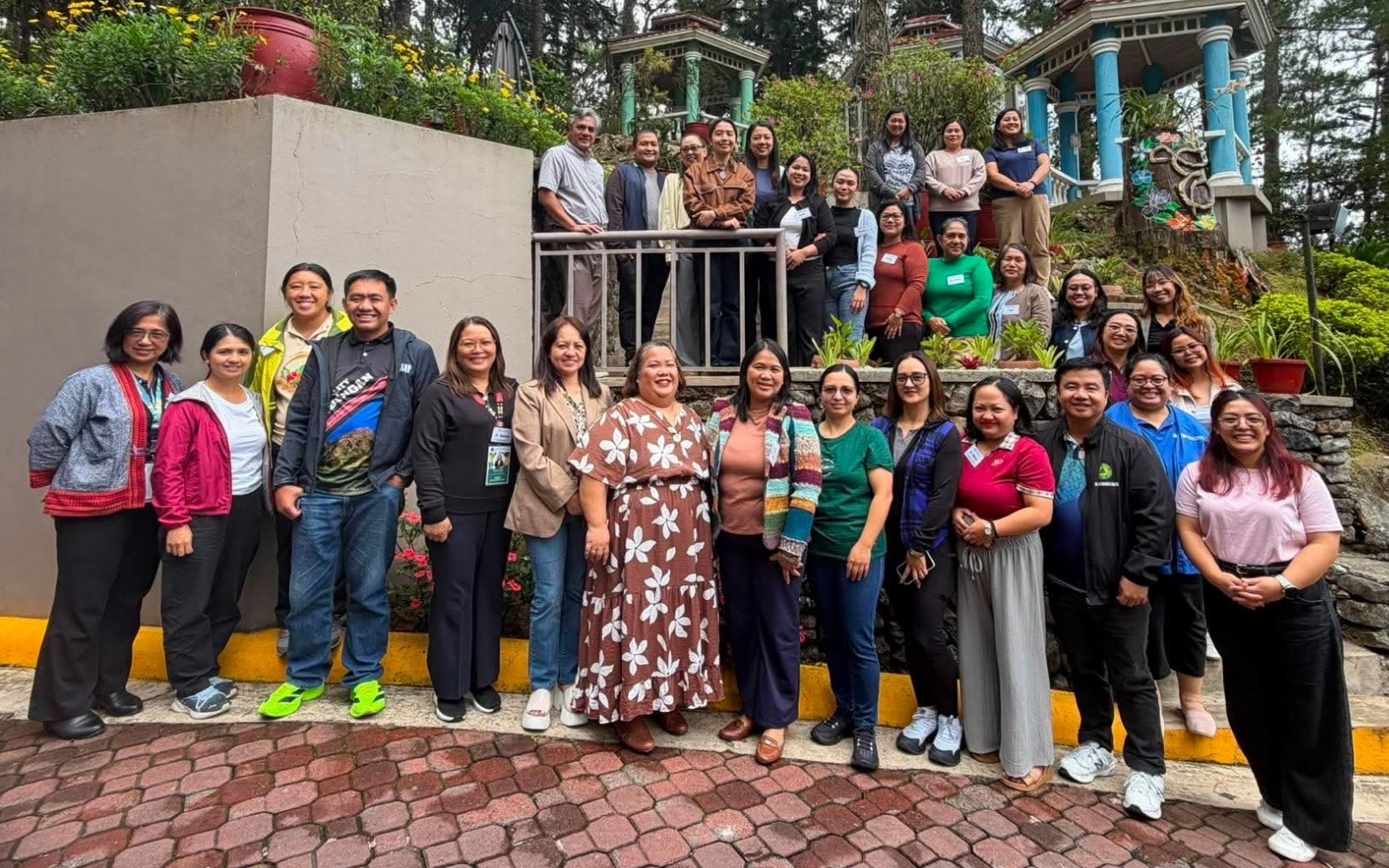
Looking ahead, the outputs from this session—assessment findings, reflections, and priority actions—will serve as a roadmap for future implementation. They will also guide targeted coaching and inform the next phases of the program, ensuring that province-wide and city-wide UHC and NCD outcomes are not only achieved but sustained.