Del Carmen, Siargao Integrates Nutrition Care into eKonsulta Platform
The Municipality of Del Carmen in Siargao Island, Surigao del Norte is improving nutrition service delivery by integrating care into the government eKonsulta platform. This move enables more timely, coordinated, and data-driven support for nutritionally at-risk pregnant women and young children.
As part of the Zuellig Family Foundation’s (ZFF) roadmap for strengthening local nutrition systems, representatives from ZFF’s Nutrition team visited Del Carmen last June 17, 2026 to engage local health leaders and frontline workers. The sessions focused on role-specific technical modules that demonstrate how digital tools can improve nutrition governance and primary health care delivery.
Related article:
A key area of discussion was integrating the Pook Malusog Dashboard, a ZFF-developed digital health and nutrition information system, with the eKonsulta platform. This integration allows health workers to systematically identify, monitor, and manage at-risk mothers and children. By strengthening digital tracking and embedding nutrition data into routine primary care, providers can deliver timely interventions, track client progress, and ensure continuity of care throughout the maternal and child health continuum.
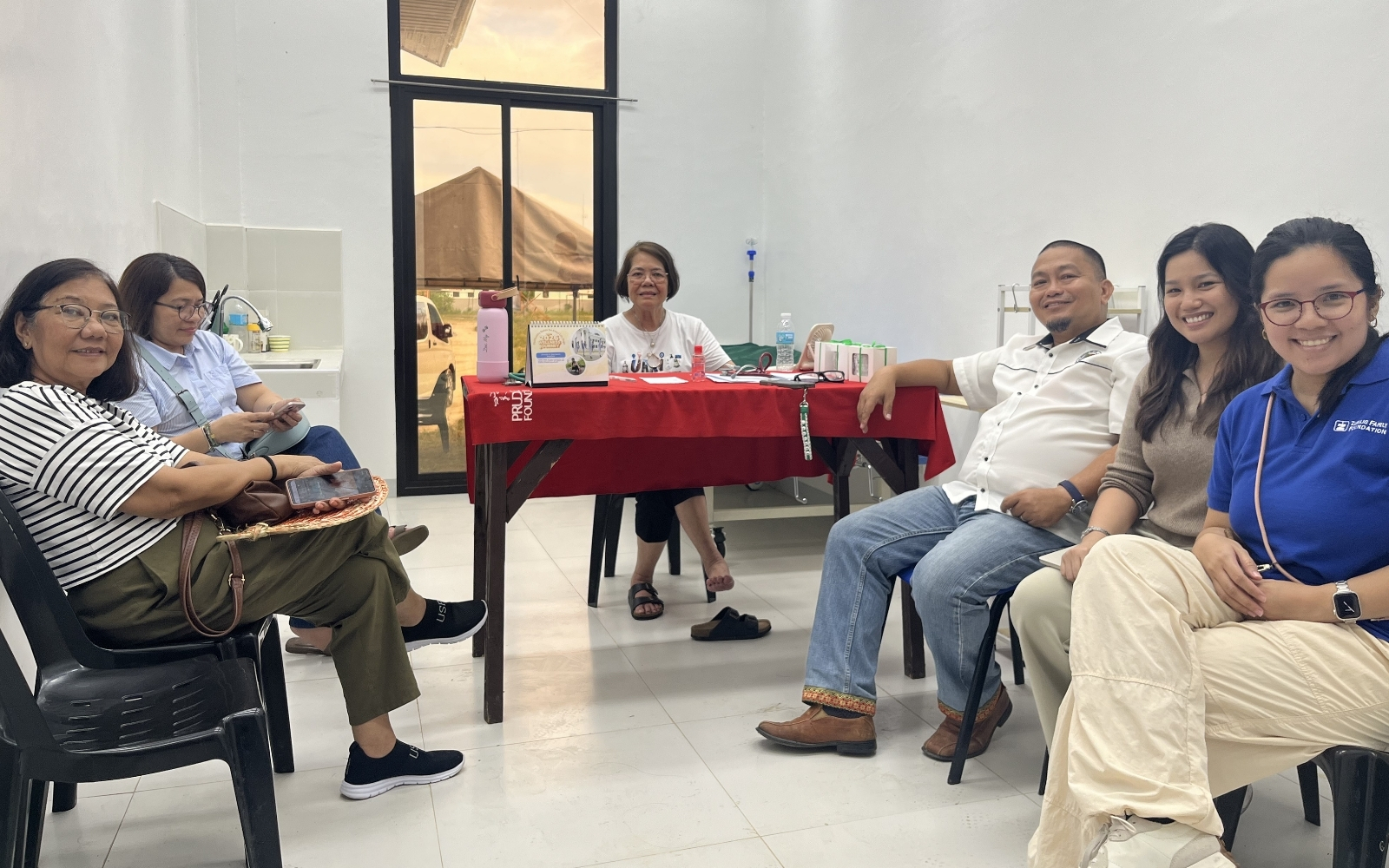 Photo above: ZFF Nutrition team meets with Mayor Alfredo Coro II (third from right) and frontline health workers at the Del Carmen Super Health Center.
The initiative supports a broader vision of building a responsive digital ecosystem where nutrition data guides decision-making at both municipal and provincial levels. With better data capture and interoperability, health workers can more easily identify service gaps, prioritize high-risk clients, and coordinate referrals and follow-up care.
Del Carmen is one of the country’s municipalities with a Super Health Center, providing a strong foundation for integrating digital health innovations into comprehensive primary care. By leveraging existing government platforms like eKonsulta, the municipality is demonstrating how digital transformation can strengthen local nutrition governance while expanding access to quality services.
For ZFF, Del Carmen serves as a key learning site for developing a scalable model of digital nutrition governance. Insights gathered here will help shape future strategies that enable local governments to identify at-risk individuals earlier, manage cases more responsively, and improve health outcomes for mothers and children.
Author: Samantha Morales, ZFF Nutrition Knowledge Management and Communications Associate
Beyond the Success, What Bangladesh’s Family Planning Journey Teaches Us Next
In this field note, Dr. Anthony Faraon, Chief of Party of The Challenge Initiative (TCI)-Philippines at Zuellig Family Foundation (ZFF), reflects on Bangladesh’s family planning success and the need to adapt as progress plateaus. Observing a TCI workshop in Dhaka, he notes that sustaining gains now requires stronger urban governance, local ownership, and coordination—shifts he saw emerging among city leaders, with lessons drawn from the Philippines’ experience.
—
Bangladesh has long been recognized as one of the world’s family planning (FP) success stories. Despite many social and economic challenges, the country achieved impressive gains in contraceptive use and fertility reduction through strong national leadership, an extensive community based workforce, and consistent support from government and development partners.
After spending a week in Dhaka supporting The Challenge Initiative (TCI) Bangladesh’s first Master Training of Trainers (MTOT), I came away with a deeper appreciation of how health systems must continue to evolve. Bangladesh has built a solid foundation in FP, but like many countries, it is now facing a different set of challenges. The question is no longer simply how to increase access to services, but how to sustain progress in rapidly growing cities.
Related articles:
- Why The Challenge Initiative and Evidence-based Strategies for Family Planning Matter More Than Ever
- TCI-Philippines Draws Lessons from Indonesia’s Family Planning Landscape
What struck me most was not the technical discussions on FP, but how the health system is organized.
Compared with the Philippines, Bangladesh has a different way of delivering urban health services. Responsibilities are shared among several national ministries, city corporations, specialized agencies, and a large number of non-government organizations (NGOs). Together they have built a system that has delivered results for many years. At the same time, this arrangement also means that improving services depends not only on good technical interventions but also on strong coordination among many different actors.
In many ways, Bangladesh was once the poster country for FP. Today, however, it appears to be entering a new phase where earlier gains have started to level off. This does not diminish what the country has accomplished. Rather, it suggests that the strategies which worked well in the past may now need to be complemented by approaches that strengthen urban governance, local ownership, and health system performance.
Throughout the workshop, three topics kept coming up during discussions and group work: data, leadership, and financing. These themes reflected many of the issues identified in the baseline assessment. While facilities continue to serve large numbers of clients, most clients still use short acting methods. NGOs continue to provide a significant share of urban FP services. Gaps also remain in counselling, facility infrastructure, and provider capacity. These findings suggest that improving FP is no longer just about increasing service volume. It is about improving quality, expanding method choice, strengthening systems, and helping cities use data to guide decisions.
One observation stayed with me throughout the workshop.
The MTOT brought together the leadership of the Dhaka South City Corporation. During the different workshop exercises, I saw how discussions gradually shifted from identifying problems to recognizing the city’s own role in addressing them. There was a noticeable sense of ownership developing as participants discussed what they themselves could do moving forward.
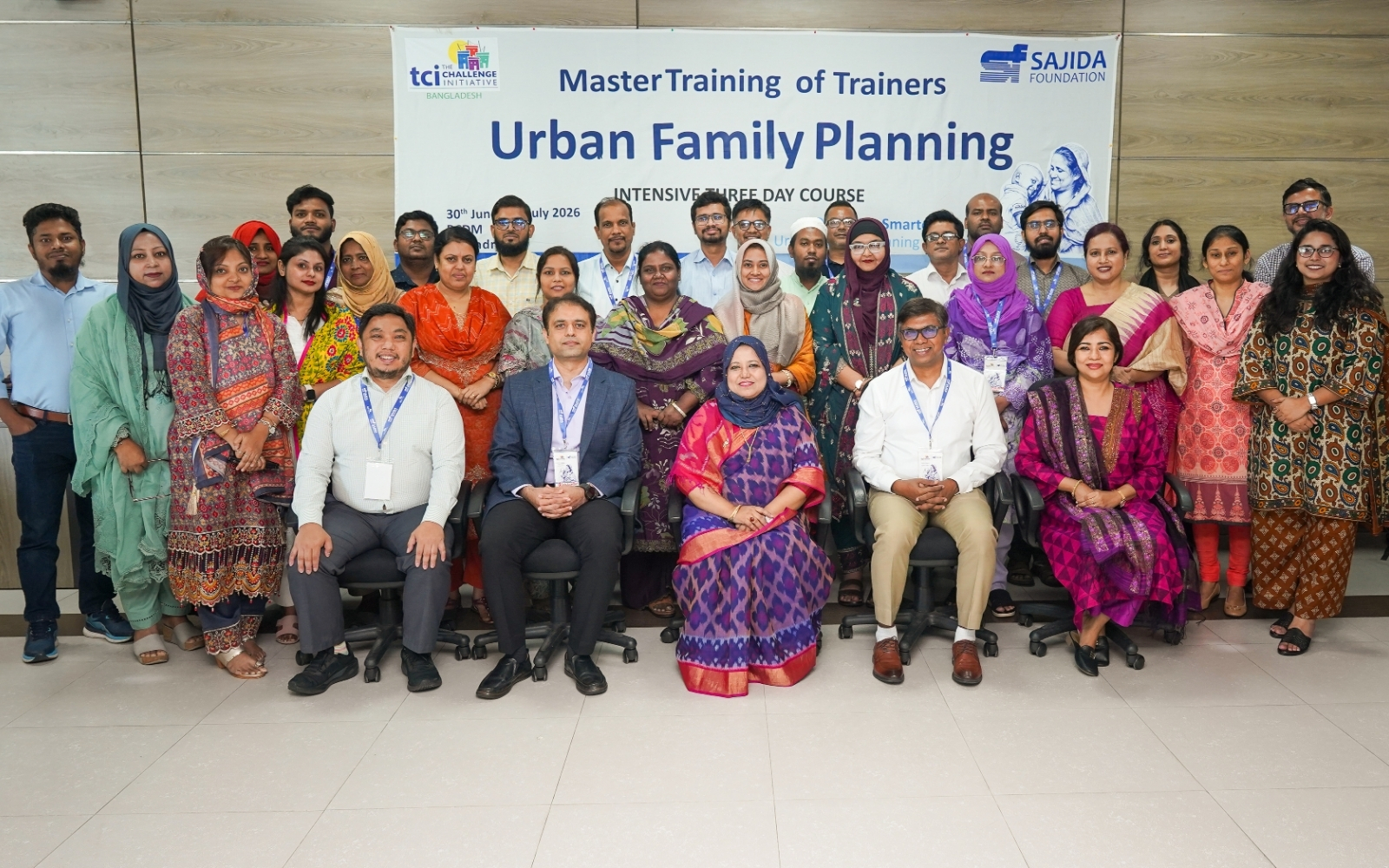 Photo above: City leaders and TCI facilitators gather in Dhaka, representing the collaborative network sustaining Bangladesh’s urban family planning gains.
Another reflection relates to the role of NGOs.
Bangladesh’s FP achievements would not have been possible without them. NGOs have expanded access, introduced new approaches, and reached communities that government services alone may not have been able to serve. Their contribution remains one of the country’s greatest strengths. Looking ahead, however, there may be an opportunity to continue strengthening public institutions so that government and NGOs work side by side as partners, rather than having public services depend heavily on external support. This is not about reducing the role of NGOs. It is about building a system where both sectors continue to complement one another in a sustainable way.
This is where I saw an interesting comparison with the Philippines.
Over the years, the Philippine health system has gradually strengthened local government ownership, planning, financing, and accountability. Bangladesh, on the other hand, has shown how partnerships with NGOs can significantly expand reach and service delivery. Neither approach is better than the other because each reflects its own history and context. Instead, both countries have something to learn from one another. The Philippines can continue improving how it works with NGOs as long term implementation partners. Bangladesh may find opportunities to further strengthen city leadership, local financing, and institutional ownership of urban health services.
Perhaps my biggest takeaway was that sustaining success often requires different solutions from those that created the success in the first place.
Bangladesh’s earlier achievements were built on strategies that responded well to the country’s needs at that time. As cities grow and health systems evolve, the next phase may require renewed attention to governance, financing, coordination, and the use of data. It is less about introducing entirely new programs and more about helping existing institutions work better together and strengthening the capacity of cities to lead improvements themselves.
As I left Dhaka, I was reminded that health systems strengthening is not only about better policies or better technologies. It is also about helping institutions work together, building local ownership, and creating conditions where improvements can continue long after projects have ended.
Bangladesh has already shown the world what is possible through sustained investment in family planning. The next chapter may be about helping cities build on that foundation and take greater ownership of the gains they have worked so hard to achieve.
If the discussions and commitment I witnessed during the MTOT are any indication, that next chapter is already beginning.
Author: Dr. Anthony Faraon, ZFF TCI-Philippines Chief of Party
Cebu Partners with ZFF and DOH to Combat Child Stunting through Stronger Nutrition Governance
Cebu Province is making progress in tackling child stunting, one of its most urgent public health challenges, collaborating with the Zuellig Family Foundation (ZFF) and the Department of Health-Center for Health Development (DOH-CHD) Central Visayas.
Following meetings with the Provincial Health Office (PHO) and Governor Pamela Baricuatro, Provincial Health Consultants Dr. Nikki Catalan, and Dr. Tristan Rebalde convened with the ZFF Nutrition team to explore strategic partnerships aimed at improving nutrition outcomes across the province.
The discussions focused on Cebu’s current nutrition situation and the critical need to strengthen local nutrition governance. Although the province is classified as having a medium level of public health significance based on stunting prevalence, it records one of the highest absolute numbers of stunted children in the country due to its large population. Poverty, food insecurity, and other social determinants continue to impede child nutrition improvements, making coordinated, systems-oriented interventions as urgent matters.
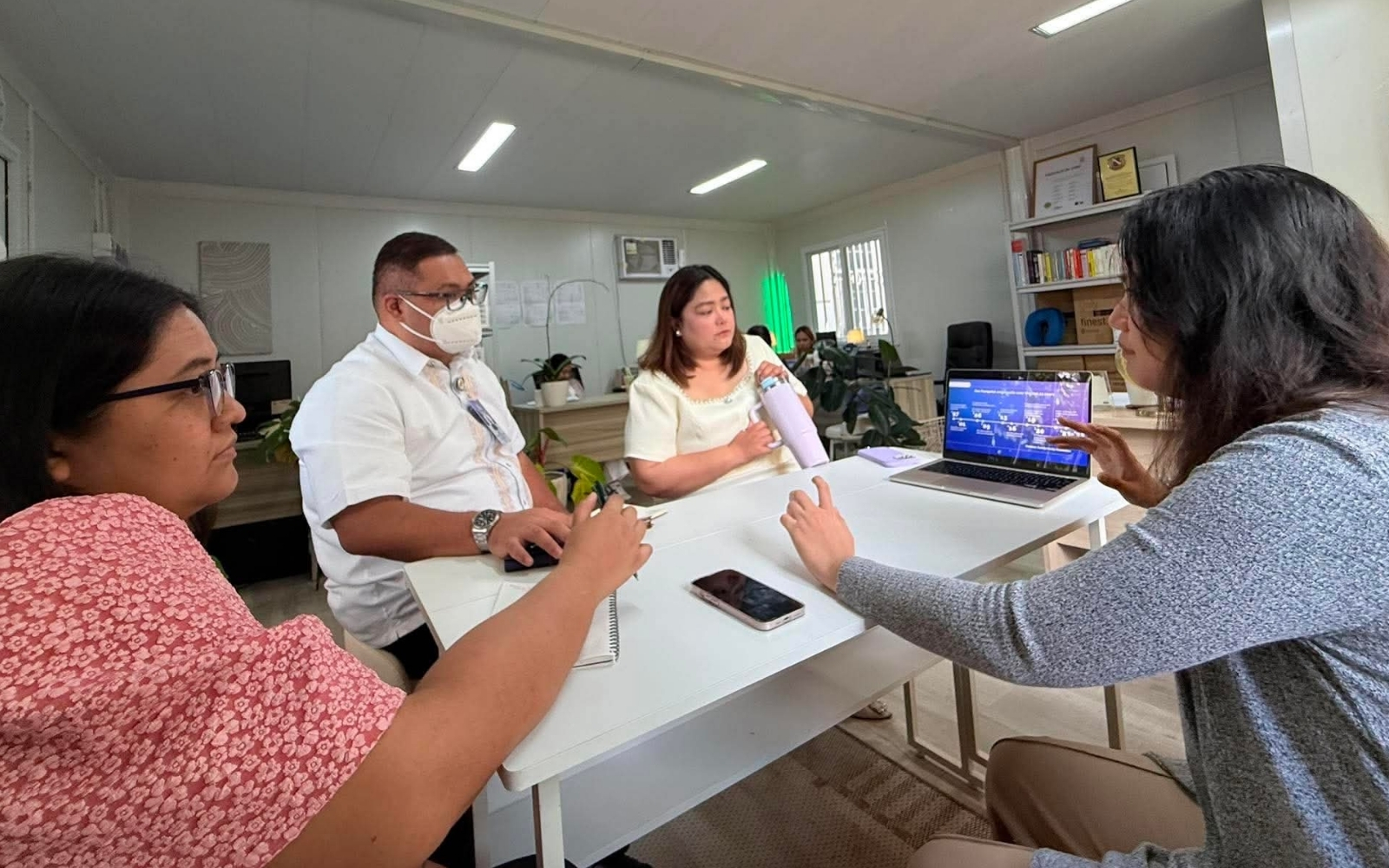 Photo above: PHO-ZFF partnership meeting last June 15, 2026 lays the groundwork for resilient local nutrition systems to combat child stunting in Cebu.
In response, both parties identified concrete opportunities to reinforce local nutrition committees and enhance multisectoral collaboration across provincial and municipal governments. Through its Bridging Leadership approach and proven governance frameworks, ZFF aims to help Cebu build more resilient local nutrition systems capable of delivering responsive and sustainable services for children and families.
Dr. Catalan underscored the importance of strengthening existing local nutrition structures, emphasizing that effective governance, leadership, and cross-sector cooperation are essential to addressing malnutrition’s complex root causes. She noted that ZFF’s technical expertise and leadership development programs can empower local government units to better coordinate nutrition planning, implementation, and accountability.
Complementing these efforts, the DOH-CHD Central Visayas has initiated a Memorandum of Agreement with several provinces, including Cebu, in partnership with ZFF. This collaboration seeks to advance Universal Health Care by embedding stronger nutrition governance into local health systems and promoting healthier, well-nourished families throughout the region.
As Cebu Province deepens its commitment to nutrition, this partnership marks a pivotal step toward creating resilient local systems that place children and families at the center of development.
Author: Samantha Morales, ZFF Nutrition Knowledge Management and Communications Associate
Turning Data into Action for a HEALTHIER Benguet
Harnessing better health data to improve planning, strengthen investments, and deliver better health outcomes took center stage during the second Bayang Malusog Leadership and Governance Program (BMLGP) Executive Session for Benguet on July 2, 2026.
Guided by Governor Melchor Diclas’ HEALTHIER Benguet agenda (Health Equity and Access across all Life-stages Towards Healthier I-Benguet through Efficient and Responsive Health Systems), the Province of Benguet reaffirmed its commitment to building a more responsive and data-informed health system that advances Universal Health Care (UHC).
Related articles:
- The Universal Health Care Journey in Benguet and Baguio: Celebrating Gains, Navigating Hurdles
- Moving Forward with Health Reforms in Benguet
Collaborative Leadership for Health Transformation
The Executive Session brought together the Provincial Government of Benguet, national government partners, and the Zuellig Family Foundation (ZFF) to revisit commitments from the first Executive Session in 2025 and align on priority actions for the next phase of health systems transformation.
The Province of Benguet was led by Governor Melchor Diclas, together with the Provincial Health Office headed by Dr. Meliarazon Dulay. Also joining the discussions were Dr. Maria Imelda Ulep, Chief of Hospital of Benguet General Hospital; Dr. Mercedes Calpito, Provincial Health Team Leader of the Baguio-Benguet Department of Health (DOH) Office; and Ms. Marilyn Dizon, representing PhilHealth Local Health Insurance Office Benguet. The ZFF delegation was led by Chairman Dr. Manuel Dayrit.
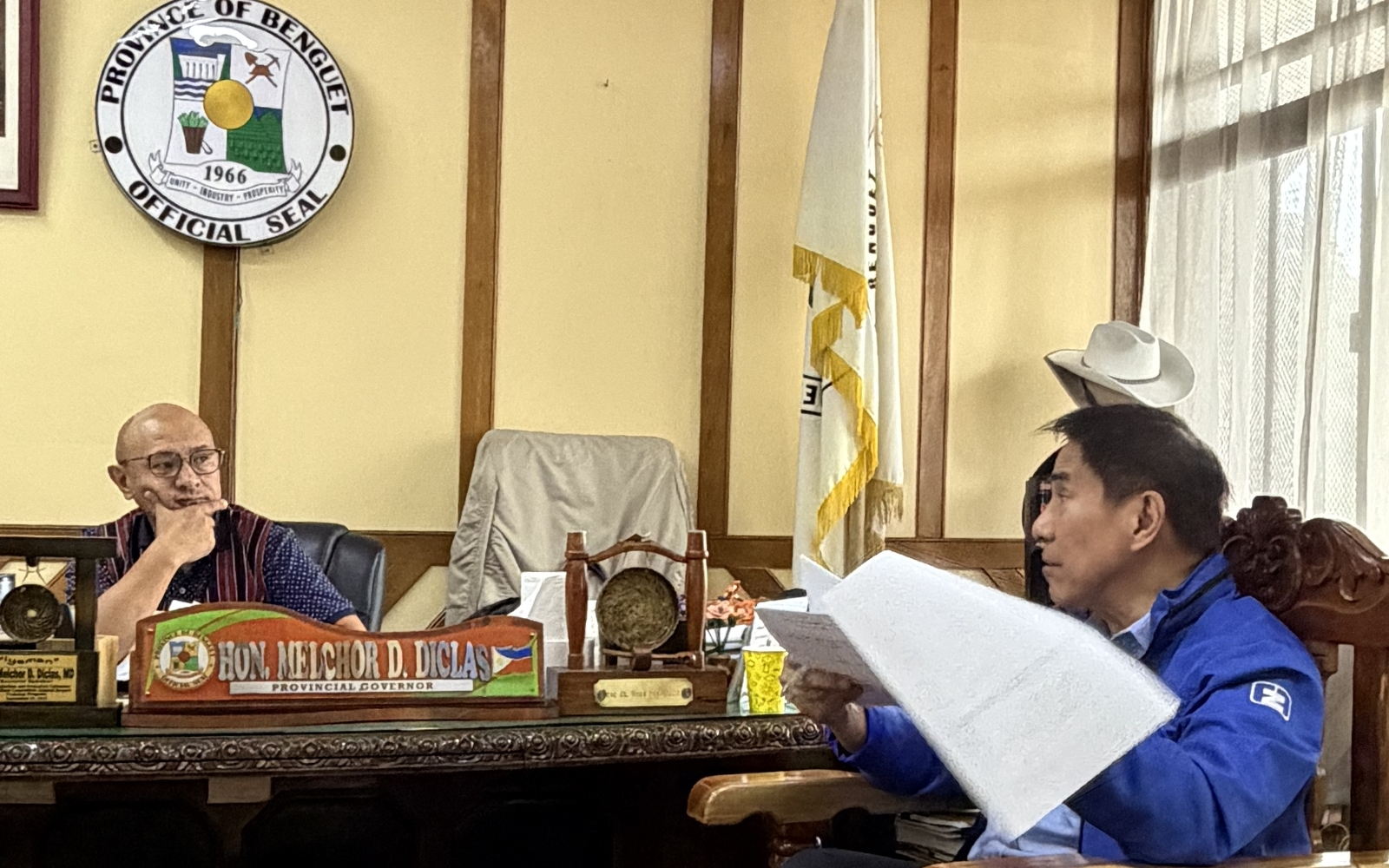 Photo above: ZFF Chairman Dr. Manuel Dayrit and Benguet Governor Melchor Diclas tackle how to turn health data into better services for the province.
Building on Progress
The Provincial Health Office highlighted key milestones achieved since the first Executive Session, including:
- The enactment of the Provincial-wide Health System (PWHS) Ordinance.
- The development of the Special Health Fund (SHF) Manual of Operations.
- Ongoing efforts to strengthen electronic medical records (EMR), telemedicine, and community-based health services through the HEALTHIER Benguet Caravans.
The province also shared continuing challenges, including fragmented health information systems, delayed fund releases, medicine availability, and the realities of delivering services to geographically isolated and disadvantaged communities.
Strengthening Data for Better Health Governance
Recognizing that better health data leads to better decisions, Governor Diclas highlighted the importance of strengthening the province’s EMR system to improve care coordination, monitor service utilization, and support more strategic resource allocation across the province.
He also noted the need to clearly demonstrate how public investments translate into better health services and outcomes—strengthening the province’s ability to advocate for continued investments in health.
Alongside these efforts, Governor Diclas identified completing hospital and dialysis infrastructure, as well as sustaining investments in nutrition and noncommunicable disease prevention, as key priorities under the HEALTHIER Benguet agenda.
From Investments to Measurable Outcomes
Supporting this direction, Dr. Manuel Dayrit encouraged the province to move beyond tracking expenditures and focus on measuring how health investments improve access, service delivery, and population health. He underscored the importance of documenting progress, strengthening health information systems, and using disaggregated data to identify gaps and guide future investments across municipalities.
“You are more clear with what you want to do. You are aware of your bottlenecks,” Dr. Manuel Dayrit said, emphasizing that a clear understanding of both the province’s progress and remaining challenges provides a strong foundation for more focused and measurable health systems transformation.
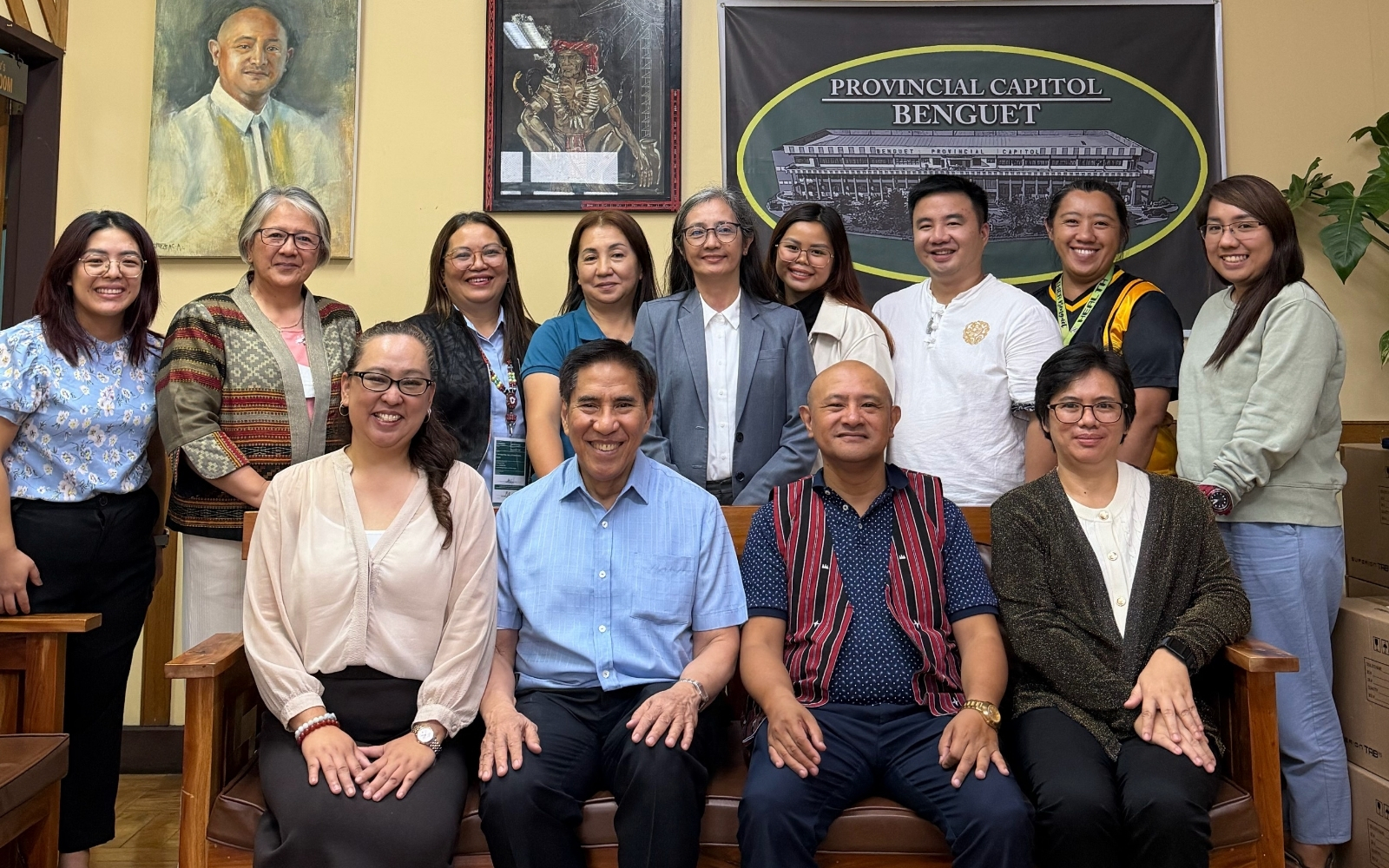 Photo above: Participants unite during the Executive Session to reaffirm their shared commitment to a data-informed and collaborative health system for a healthier Benguet.
Sustaining the Momentum
The Executive Session concluded with renewed commitments from the Provincial Government of Benguet, the Provincial Health Office, DOH, PhilHealth, and ZFF to strengthen health governance through better data, collaborative leadership, and sustained partnerships.
By advancing stronger health information systems, operationalizing the Special Health Fund, and improving equitable access to quality healthcare, Benguet continues to lay the groundwork for a healthier future for every I-Benguet.
Author: Ayeza De Mesa, ZFF BMLGP Associate
Baguio City Raises the Bar for Universal Health Care, Turning Growth into Greater Impact
Zuellig Family Foundation (ZFF)’s Executive Dialogue with Baguio City highlights how the city’s health system transformation is creating new opportunities to strengthen primary health care, deepen partnerships, and improve access for every community.
Photo above: Baguio City Mayor Benjamin Magalong personally thanks ZFF Chairman Dr. Manuel Dayrit for his guidance, which helped transform the city’s frustrations into renewed motivation for its UHC journey.
“What we discovered today is that Baguio City has experienced massive organizational growth in just a few years. There has been growth in the budget, growth in human resources for health, and growth in population access to health services and the capacity of District Health Centers to provide care. What this tells me is that while your organization and capacity are growing, you are also uncovering more needs. As the Mayor said, ‘Hindi pa natin naaabot lahat.’ You are growing and increasing your budget, but as you grow, you continue to uncover more needs. Umaangat nang umaangat ang accomplishment ninyo, but the bar keeps getting higher.”
This was the central message of Dr. Manuel Dayrit, ZFF Chairman, during the Executive Dialogue with Baguio City officials as they reflected on the city’s continuing journey toward Universal Health Care (UHC).
Despite these remarkable gains, city officials acknowledged that many families living in pockets of poverty continue to face barriers in accessing quality health care. The discussion reflected both the accomplishments and the persistent challenges of local leaders committed to making UHC a reality.
Related articles:
- The Universal Health Care Journey in Benguet and Baguio: Celebrating Gains, Navigating Hurdles
- Mayor Magalong Completes ‘Deep Dive’ to Assess Baguio Health System
The Challenge of Translating Policy into Impact
Baguio City Mayor Benjamin Magalong observed that while national health reforms have expanded policy guarantees and strengthened people’s entitlement to health services, these commitments have also raised public expectations. Local governments, however, often face the challenge of translating national policies into tangible improvements on the ground, where implementation requires time, resources, and sustained collaboration. As a result, communities may become frustrated when the benefits envisioned by policy are not immediately realized.
Echoing the Mayor’s observations, City Councilor Hon. Elmer Datuin shared his experience in facilitating guarantee letters for indigent patients seeking access to health services. While the city has continuously worked to bridge health inequities through local legislation and financial assistance, he acknowledged that reaching every marginalized family remains a challenge.
He also noted Baguio City’s legislative gains in advancing public health, including ordinances supporting non-communicable disease (NCD) prevention through alcohol and liquor regulation, anti-smoking and anti-vaping measures, and the city’s ongoing efforts to strengthen healthy procurement systems.
PhilHealth’s Perspective: Financial Protection and Its Limits
Offering the perspective of the Philippine Health Insurance Corporation (PhilHealth), Dr. Glenn Lamsis acknowledged the frustration expressed by Baguio City leaders over the continuing challenge of reaching the city’s most marginalized communities. He recognized that despite the collective efforts of national agencies and the local government, some families continue to face barriers in accessing the health services they need.
Dr. Lamsis explained that PhilHealth’s primary role in UHC is to provide financial risk protection by reducing the financial burden of seeking health care. While financial risk protection is essential, he noted that it cannot, by itself, address the broader challenge of poverty.
He said, however, that PhilHealth continues to strengthen its benefit packages to narrow existing gaps. From initially covering 21 medicines, PhilHealth has expanded its formulary to 75 medicines, enabling more patients to receive medicines for many common illnesses at no cost. While not every medicine is included, medicines covered under the approved benefit package are provided free to eligible members.
Recognizing that UHC is a shared responsibility, Dr. Lamsis reaffirmed PhilHealth’s commitment to supporting Baguio City through technical assistance and by reimbursing eligible services within existing policy guidelines as the city continues to strengthen its local health system.
Rethinking Progress: From Frustration to Motivation
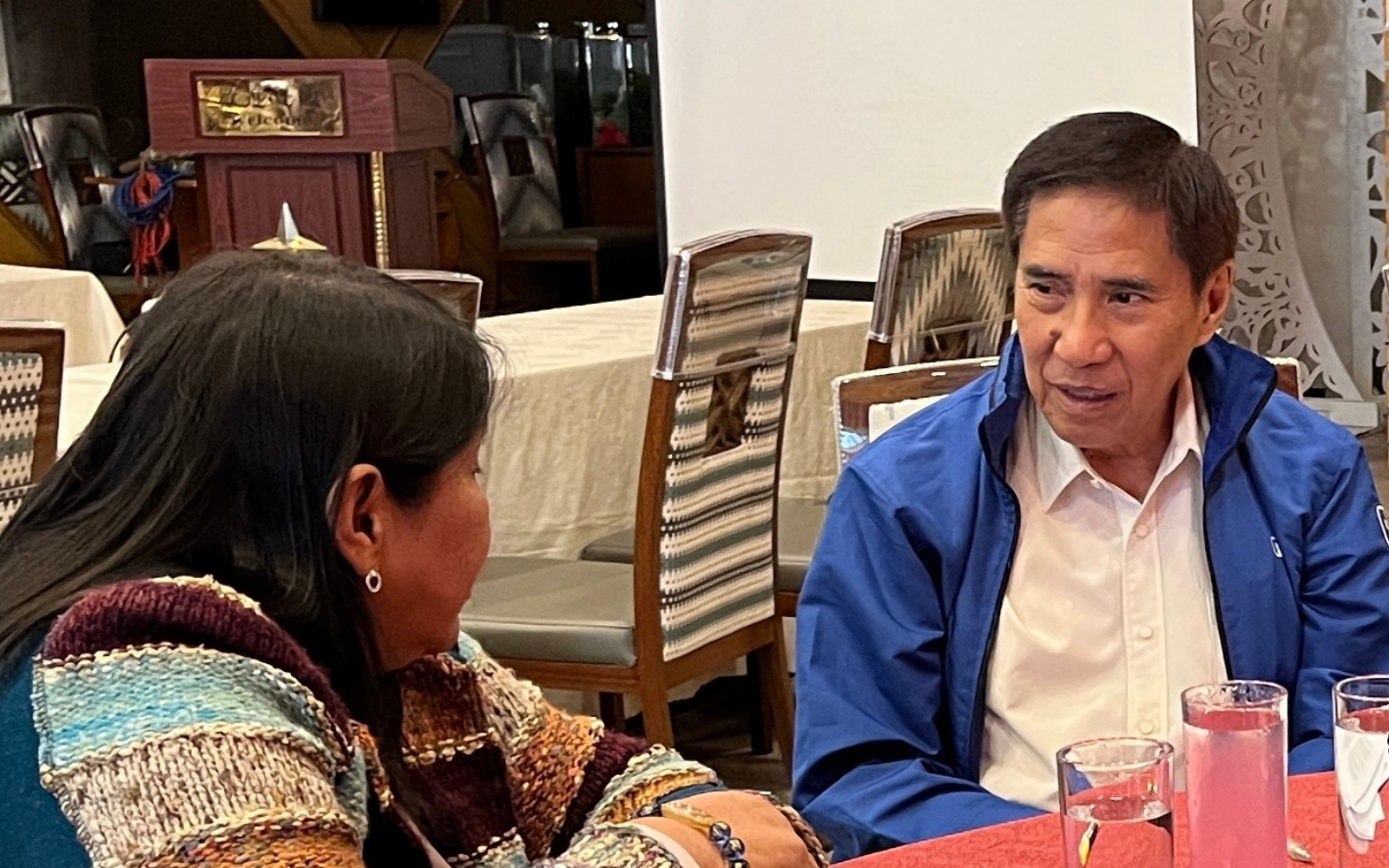 Photo above: Dr. Dayrit huddles with Baguio City Health Officer Dr. Celia Flor Brillantes to map out actionable next steps for strengthening primary care and expanding partnerships across Baguio’s health system.
Building on these perspectives, Dr. Dayrit explained that the relationship between national policies and local implementation often produces both intended and unintended effects.
While UHC reforms are designed to expand access to individual health services, one unintended effect is that local governments devote considerable time and resources to meeting implementation requirements, leaving less capacity for community-based health promotion and disease prevention.
Rather than waiting for policies to evolve, he encouraged Baguio City to continue innovating, thinking beyond conventional approaches, and co-creating solutions with partners who share the same vision for healthier communities.
“The best way forward is to think outside the box. Work with others who share the same goal of improving people’s health.”
While the dialogue covered operational updates and implementation challenges, its defining moment came when Dr. Dayrit reframed the city’s frustrations as evidence of progress.
Dr. Dayrit emphasized that Baguio’s frustrations should not be viewed as signs of failure, but as evidence that its health system is maturing. As services expand, expectations naturally rise, hidden gaps become more visible, and the standard for success continues to move higher.
The familiar Filipino expression, “Malayo na, pero malayo pa,” is often heard in conversations about UHC. While it reminds us that much work remains, it can also overshadow the remarkable progress that has already been achieved. Dr. Dayrit challenged the city to embrace both realities—to celebrate its gains while remaining committed to continuous improvement.
Mayor Magalong welcomed this perspective, sharing that the discussion transformed his frustration into renewed motivation. “When we create solutions to one problem, new problems emerge. It is a continuous process that requires us to keep innovating. It is our responsibility to continue finding solutions. And, of course, our greatest virtue here is always patience.”
A Collaborative Platform for Reflection and Action
The Executive Dialogue was held on July 3, 2026, in Baguio City as part of ZFF’s Bayang Malusog Leadership and Governance Program (BMLGP). It brought together members of the Local Health Board headed by Mayor Magalong and co-chaired by City Health Officer Dr. Celia Flor Brillantes, alongside representatives from the Department of Health-Center for Health Development Cordillera Administrative Region (DOH-CHD CAR) led by Regional Director Dr. Amelita Pangilinan, PhilHealth represented by Dr. Glenn Lamsis, and ZFF headed by Dr. Dayrit.
Rather than simply reporting accomplishments, the Executive Dialogue created a space for national and local leaders to reflect on Baguio City’s UHC journey, openly discuss implementation challenges, and identify collaborative strategies for further strengthening the city’s health system.
In his closing message, Mayor Magalong appealed to DOH and PhilHealth to continue listening to the experiences and insights of local government implementers, emphasizing that the realities on the ground provide valuable lessons for strengthening national policies.
Dr. Dayrit likewise encouraged Baguio City to identify more “force multipliers” through strategic partnerships that can strengthen health promotion efforts. As the city continues its transition toward a primary health care-oriented system, initiatives such as YAKAP have understandably required significant organizational focus. Expanding partnerships, he noted, will help ensure that health promotion remains a strong pillar of the city’s health agenda.
Echoing this recommendation, Regional Director Dr. Amelita Pangilinan encouraged the city to further strengthen partnerships with private health facilities, intensify its health promotion and information campaign, and continue transforming District Health Centers into fully functional one-stop shops by maximizing reimbursements from the YAKAP package.
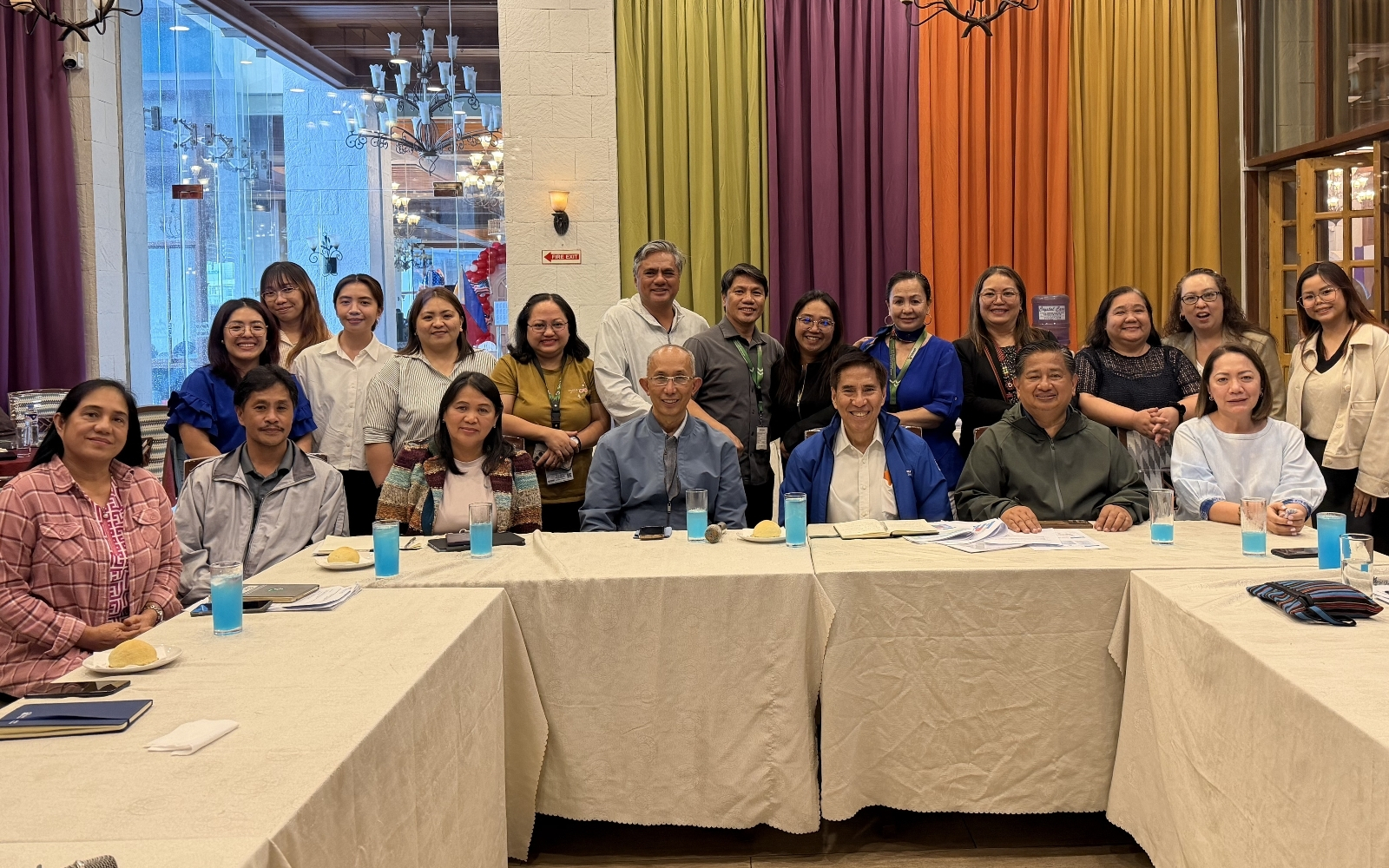 Photo above: Participants stand together after the Executive Dialogue, reaffirming their collective resolve to turn Baguio’s growing capacity into tangible health gains.
Baguio’s UHC Milestones: A Model for Transformation
Baguio City’s experience demonstrates that implementing UHC is not simply about complying with national policies. It is about continuously strengthening institutions, investing in people, learning from implementation, and responding to the changing needs of communities.
As one of the country’s pilot sites for UHC, Baguio has become a model for local health system transformation:
- In 2025, the city achieved 100% of the DOH’s Local Health System Maturity Level, reflecting full compliance with the preparatory, organizational, and functional requirements for UHC implementation.
- For its primary care facilities, the city secured a DOH License to Operate and obtained PhilHealth accreditation as a YAKAP provider, along with other PhilHealth benefit packages.
- It expanded its human resources for health and upgraded plantilla positions.
- It fully implemented the Magna Carta for Public Health Workers.
- It developed one of the country’s pioneering locally developed health information systems through the Baguio Medical Record System (BMRS).
These milestones demonstrate that Baguio is not merely keeping pace with health reform. It is helping shape its future. The Executive Dialogue affirmed that progress is not measured by the absence of challenges, but by the willingness to confront increasingly complex ones.
As Dr. Dayrit reminded the city, growth inevitably uncovers more needs and raises the bar even higher. For Baguio, this is not a setback, but a sign that its health system is moving in the right direction.
Author: Joan Kidatan, ZFF BMLGP Associate
Building Local Champions to End Stunting in Davao Oriental
Barangay health workers, nutrition scholars, municipal health staff, and community volunteers completed a three-day Training of Trainers for the Zuellig Family Foundation (ZFF)’s Family Stunting Reduction (FaStR) Program in the Municipality of Governor Generoso, Davao Oriental. The training was conducted under the Nutrition Leadership and Equity Acceleration Program (NutriLEAP) partnership between ZFF and the Province of Davao Oriental.
A total of 40 Barangay Health Workers and Barangay Nutrition Scholars, together with 19 community volunteers from Compassion International, were equipped to serve as local trainers and facilitators. Their new role is to help families address the root causes of stunting using a family-centered approach that encourages positive behavior change.
Related article:
The FaStR Program is a practical coaching framework that helps frontline workers understand each household’s unique circumstances and guide families toward sustainable nutrition, health, and caregiving practices. Rather than focusing only on a child’s nutritional status, the program empowers families to identify their own barriers, strengthen healthy habits, and build long-term resilience.
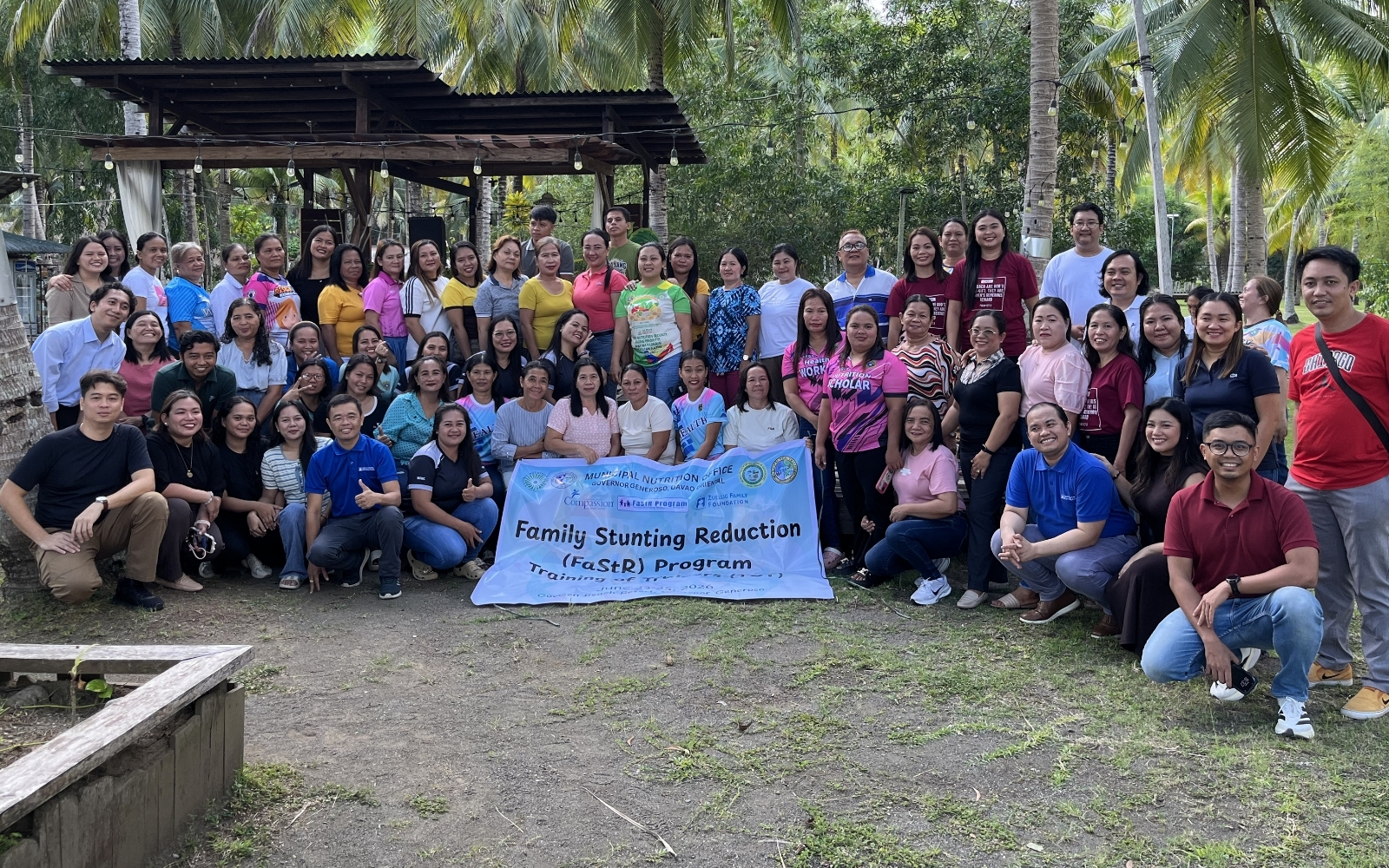 Photo above: Over 50 frontline workers and volunteers are now trained as facilitators under ZFF’s FaStR Program equipped to coach families toward better health and nutrition.
Governor Generoso was chosen as a priority municipality because it continues to have one of the highest stunting rates in Davao Oriental. The strong leadership demonstrated by Mayor Juanito Inojales and his municipal team, along with their sense of urgency, inspired a shared commitment among the Provincial Government, Compassion International, and ZFF—showing that reducing stunting is a responsibility all share.
During the training, one Barangay Nutrition Scholar shared, “[FaStR] program is not about judging families but about holding their hand so they can stand on their own.” Together, we are building local champions who will help every child and every family thrive, one household at a time.
Author: Samantha Morales, ZFF Nutrition Knowledge Management and Communications Associate
Building Nutrition Resilience: Lessons from Indonesia
Dr. Joyce Viar, Nutrition Director at Zuellig Family Foundation (ZFF), distills key lessons from the AVPN Forum and Learning Visit in Indonesia: effective interventions do not guarantee sustainability without genuine government ownership. Malnutrition is a systemic challenge requiring coordinated governance, not isolated projects. These insights are shaping ZFF’s Pook Malusog strategy as it shifts toward nutrition resilience.
—
The AVPN Forum and Learning Visit in Indonesia provided an opportunity to reflect on some of the most pressing issues in nutrition and early childhood development and nutrition across Asia. While countries differ in context and development trajectories, many of the challenges discussed during the forum resonated strongly with the Philippine experience, persistent malnutrition despite available interventions, fragmented systems, insufficient financing, and the struggle to sustain innovations beyond donor support.
The forum reinforced a critical realization: malnutrition is not simply a health problem. It is a systems challenge that requires coordinated action across sectors, strong governance, sustained financing, and community ownership. Equally important, the learning visit to Tanoto Foundation’s Rumah Anak SIGAP (RAS) program demonstrated both the promise and limitations of innovative community-based interventions. Evidence of effectiveness alone does not guarantee scale or sustainability; ultimately, government ownership determines whether promising interventions become lasting solutions.
Several insights emerged from the experience that are highly relevant to ongoing efforts to strengthen nutrition systems and build nutrition resilience.
Malnutrition is a Systems Problem
One of the strongest messages from the forum was the recognition that malnutrition is inherently multidimensional. Nutrition outcomes are shaped by the interaction of food systems, maternal health, education, social norms, governance, and economic conditions. Consequently, addressing malnutrition requires moving beyond isolated interventions toward a systems approach.
This insight reinforces the importance of viewing nutrition not as a standalone sector but as an outcome produced by multiple interconnected systems. Fragmented interventions may yield short-term gains, but sustainable improvements require stronger coordination across sectors and alignment of policies, programs, and investments.
For nutrition resilience efforts, this means strengthening the capacity of systems to adapt and continue delivering essential nutrition services even in the face of shocks and competing priorities.
The First 1,000 Days Remain Foundational
The forum reiterated that maternal health and nutrition during pregnancy and early childhood continue to be among the most powerful determinants of child nutrition outcomes. Persistent challenges in Infant and Young Child Feeding (IYCF) practices indicate that technical interventions alone are insufficient.
Behavior change begins at home. Families and caregivers ultimately determine feeding practices, care behaviors, and health-seeking decisions. This highlights the need to complement service delivery interventions with stronger community engagement and social and behavior change strategies.
The emphasis on early childhood also broadened the understanding of nutrition outcomes. Child development extends beyond physical growth and includes cognitive, emotional, and social development, all of which are profoundly influenced by nutrition during the earliest years of life.
Frontline Workers are the Face of the System
Another recurring theme was the critical role of frontline workers. The quality of nutrition services is highly dependent on the competencies, confidence, and motivation of health workers and community volunteers.
The experience from Indonesia further demonstrated how community-based facilitators can bridge service delivery gaps, particularly in early childhood development and parenting support. However, it also exposed the limitations of relying solely on volunteerism without institutionalized competency standards and government support.
Strengthening frontline capacity therefore remains an essential investment. Building resilient nutrition systems requires not only technical interventions but also a capable workforce that can effectively translate policies into services that reach families and communities.
Data Must Inform Decisions, Not Just Reporting
The forum emphasized that data should serve as a tool for decision-making rather than merely a reporting requirement.
Many local governments have access to substantial amounts of nutrition information, yet translating these data into strategic action remains a challenge. Data literacy among local leaders and implementers is equally important as data availability.
When local decision-makers understand and use data effectively, they are better positioned to prioritize interventions, allocate resources efficiently, and target the populations most in need. Ultimately, evidence-informed governance is a cornerstone of effective nutrition systems.
Investing in Girls is Investing in Nutrition
An important insight from the discussions was the recognition that education, particularly for girls, functions as a long-term nutrition intervention.
Girls who remain in school are more likely to delay pregnancy, seek health services, adopt better caregiving practices, and attain improved economic opportunities. These outcomes collectively contribute to better nutrition for both women and children.
This reinforces the need to frame nutrition not only as a health issue but also as a human capital and development agenda that cuts across multiple sectors.
Financing Determines Sustainability
The forum repeatedly highlighted that successful interventions often fail to achieve scale because of insufficient and unsustained financing.
Development partners and philanthropic organizations can provide catalytic funding and demonstrate innovative approaches. However, long-term impact depends on whether governments adopt, finance, and institutionalize these interventions.
The experience of the RAS program illustrates this reality clearly. Despite strong evidence of positive child development outcomes, only three of the fourteen pilot sites were sustained by local governments. The primary barriers were the absence of dedicated government programs and insufficient budget allocations.
This experience reinforces an important lesson: sustainability planning must begin from the outset. Interventions should be designed with a clear pathway toward government financing and institutionalization.
Government Ownership is the Ultimate Measure of Success
Perhaps the most compelling lesson from both the forum and the learning visit is that evidence alone is insufficient. Innovative programs often assume that successful pilots will naturally be adopted by governments. However, the RAS experience demonstrates that effectiveness does not automatically translate into policy uptake or financing commitments.
Government ownership must therefore be intentionally cultivated through continuous engagement, alignment with government priorities, policy advocacy, and integration into existing systems.
Programs that remain external or operate in parallel structures face significant risks once donor support ends. Sustainable change occurs when governments and communities perceive interventions as their own and commit resources toward their continuation.
Integrating Nutrition and Early Childhood Development
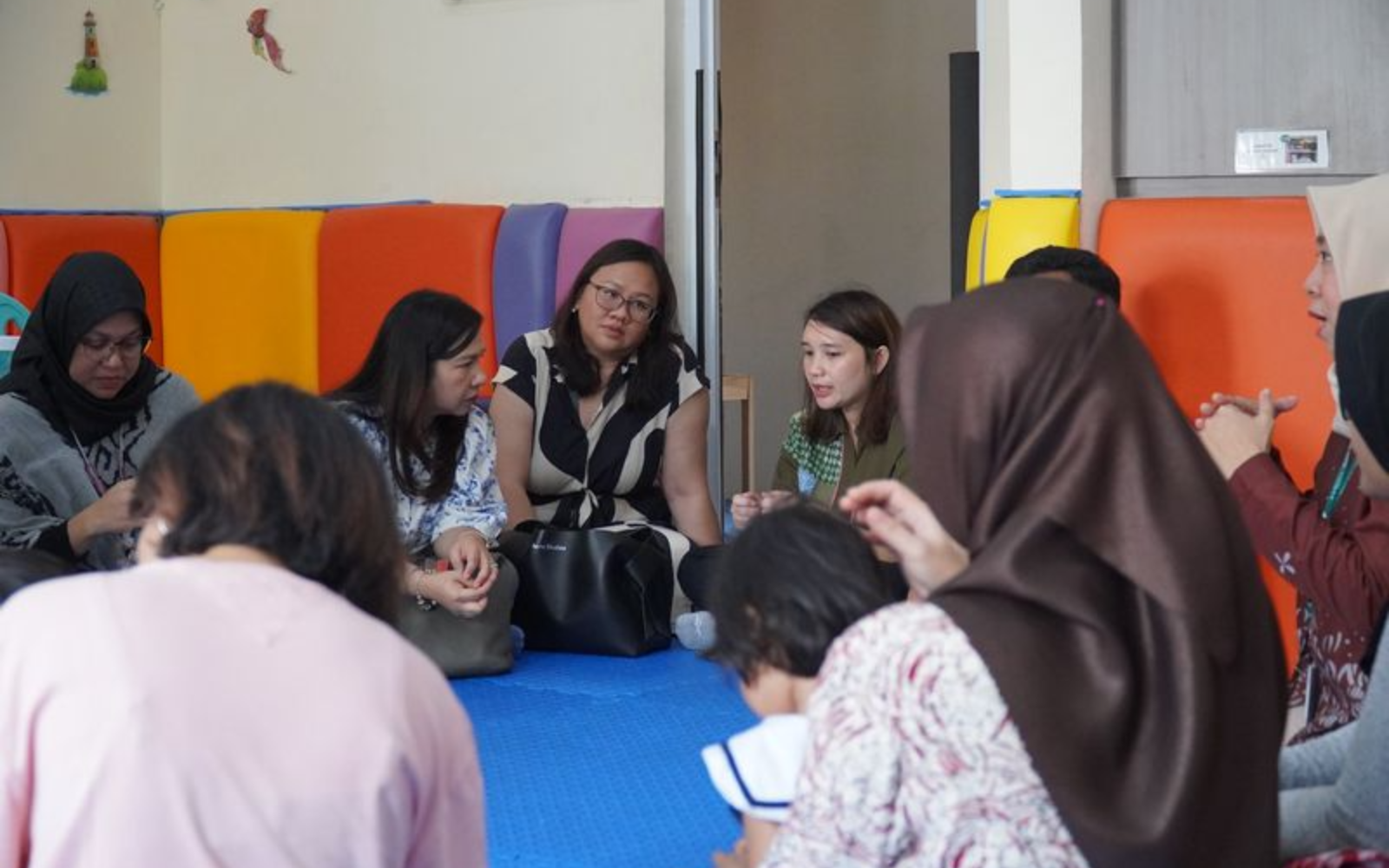
The learning visit further underscored the inseparable relationship between nutrition and early childhood development.
Nutrition interventions that focus solely on physical growth miss opportunities to influence cognitive and socio-emotional development. Likewise, early learning programs that do not address nutrition risk limiting children’s developmental potential.
The RAS model demonstrates how integrated approaches that combine responsive caregiving, nutrition, parenting support, and early stimulation can produce holistic benefits for children.
This integrated perspective has significant implications for nutrition programming, particularly in strengthening life-course approaches and advancing multisectoral collaboration.
Implications for Nutrition Resilience
Collectively, the insights from the AVPN Forum and Learning Visit point toward a broader understanding of nutrition
resilience.
Resilient nutrition systems are not merely those that continue operating during crises. They are systems that possess strong governance, capable frontline workers, evidence-informed decision-making, sustainable financing, and deep government and community ownership.
Building nutrition resilience therefore requires:
- Strengthening systems rather than implementing isolated interventions;
- Investing in the first 1,000 days and early childhood development;
- Building frontline capacities and community engagement;
- Enhancing data use for decision-making;
- Securing sustainable financing and government ownership; and
- Integrating nutrition within broader human development agendas
The AVPN Forum and Learning Visit reaffirmed that the pathway to improved nutrition outcomes extends far beyond technical interventions. Lasting progress depends on the ability of governments, communities, and development partners to build systems that are adaptive, coordinated, and owned by those responsible for sustaining them.
The experiences from Indonesia offer an important reminder: successful innovations do not achieve impact simply because they work. They achieve impact when they become embedded within government systems, supported by public financing, and embraced by communities.
These lessons strongly resonate with the evolution of the ZFF’s Pook Malusog strategy. Since its inception, Pook Malusog has recognized that sustainable nutrition gains cannot be achieved through project-based interventions alone. Instead, it has focused on strengthening local governance, generating political commitment, building multisectoral coordination, and enabling local governments to lead and sustain nutrition actions. The program’s emphasis on local ownership, evidence-informed decision-making, and institutionalization mirrors the key success factors highlighted during the forum.
As Pook Malusog transitions toward a nutrition resilience agenda, these insights become even more relevant. Nutrition resilience calls for systems that can not only deliver nutrition interventions effectively under normal conditions but can also adapt, respond, and recover amid shocks, competing priorities, and changing contexts. This requires strengthening governance systems, ensuring sustainable financing, investing in frontline capacities, and embedding nutrition within broader development and human capital agendas.
Ultimately, the journey toward nutrition resilience is a journey from demonstration to institutionalization, from externally supported interventions to locally owned systems, and from short-term program successes to enduring government commitment. The experiences from Indonesia reaffirm that the future of nutrition lies not merely in implementing effective interventions, but in building resilient systems that enable these interventions to be sustained, scaled, and continuously owned by communities and governments alike.
Author: Dr. Joyce Viar, ZFF Nutrition Director
What Happens When a City Owns the Solution: Health Systems Strengthening and Governance in Mandaue City
A recent learning visit to Mandaue City provided an opportunity to showcase how local governments can strengthen health systems to improve outcomes for women, adolescents, and families. Originally envisioned as a site visit focused on maternal and child health, the discussions quickly expanded into a broader conversation on governance, leadership, financing, service delivery, and sustainability.
The visit included discussions with the City Health Office and members of the city core group, followed by a field visit to Barangay Cabancalan. Together, these engagements offered a practical demonstration of how local governments can move beyond implementing isolated health activities and instead build systems that enable sustained improvements in health outcomes.
Related articles:
- Mandaue City’s Path Toward Sustainable Family Planning and Adolescent Health
- Mandaue City Redefines Reproductive Care through Women’s Health Caravan
One theme emerged consistently throughout the discussions: transformation begins when local governments own both the problem and the solution.
City officials reflected on how their partnership with the Zuellig Family Foundation through The Challenge Initiative (TCI)-Philippines differed from traditional development assistance. Rather than introducing a predefined package of interventions, the approach focused on helping the city understand its own challenges, strengthen local capacities, and design solutions that fit its unique context. Family planning (FP) and adolescent and youth sexual reproductive health (AYSRH) served as entry points, but the broader objective was strengthening the systems that support health service delivery.
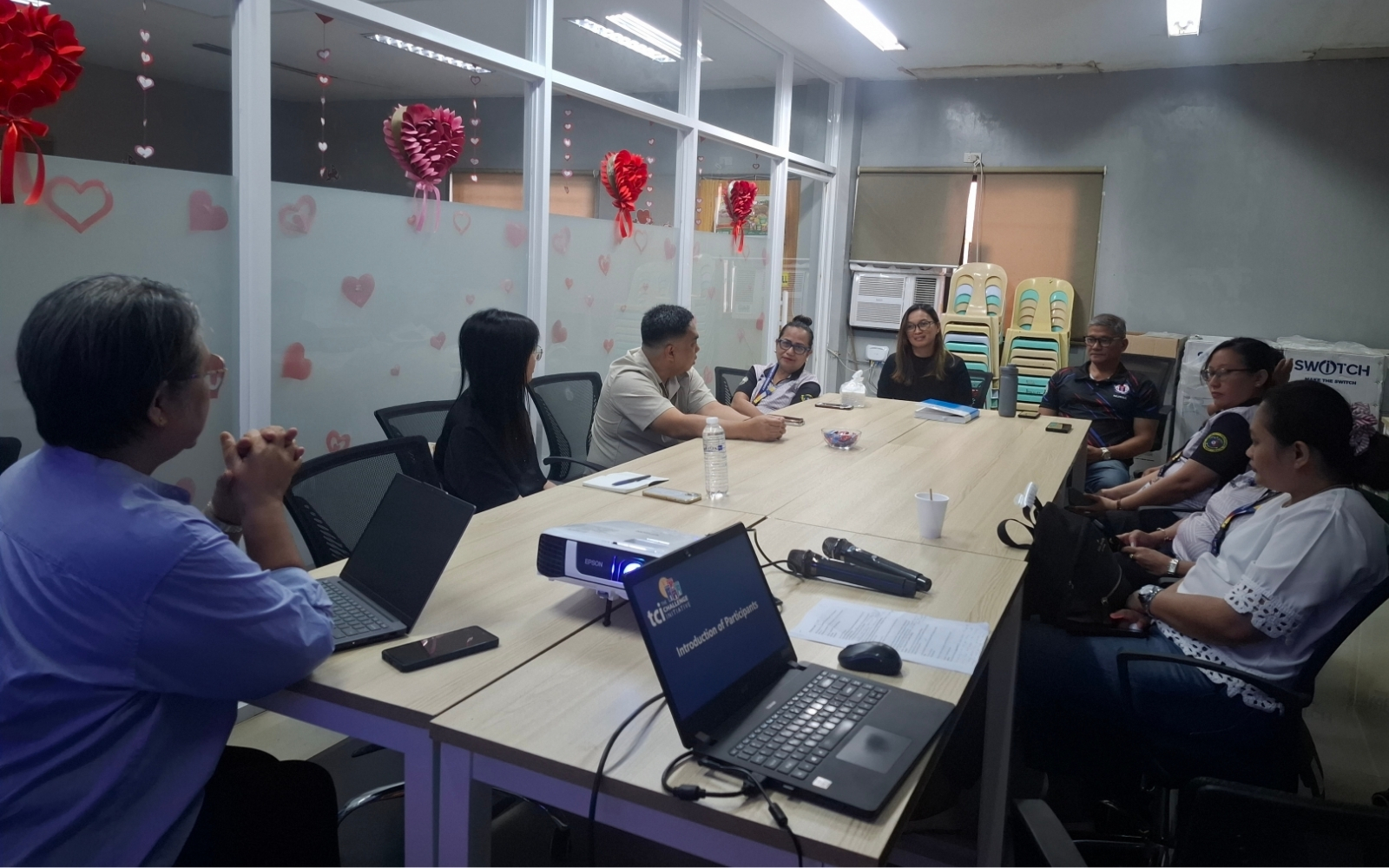
Among the most significant changes cited by city leaders was the establishment of the City Leadership Team. By bringing together representatives from health, education, social welfare, youth development, and barangay governments, the city created a platform for collective problem solving and shared accountability. Health challenges that were once viewed as the responsibility of a single office became shared concerns across sectors.
The city also highlighted the value of leadership development in enabling systems change. Stakeholders described how leadership approaches centered on stakeholder engagement, root cause analysis, and collaborative action helped build confidence in addressing complex and often sensitive issues such as FP and AYSRH.
Another recurring theme was accessibility.
The Women’s Health Caravan demonstrated how health services can be brought closer to communities rather than expecting clients to navigate barriers related to transportation cost, convenience, and stigma. What began as a family planning initiative has evolved into a more comprehensive platform delivering maternal health, AYSRH, human immunodeficiency virus and other sexually transmitted infection services, mental health support, and cancer screening. The model reflects an understanding that community needs rarely fit neatly into a single program area.
The discussions also highlighted how systems strengthening can directly improve access to services. Prior to the city’s engagement with TCI, FP services requiring specialized providers were available only at limited times and locations. Through provider training, services are now available much closer to where women live, reducing missed opportunities and improving access across communities.
The field visit to Barangay Cabancalan brought these concepts to life.
Conversations with barangay leaders and frontline providers underscored the importance of local ownership in sustaining health programs. Barangay officials described their active role in identifying community needs, mobilizing residents, supporting outreach activities, and allocating local resources. The visit demonstrated how city level policies and investments are translated into community level action through strong partnerships between local governments and frontline implementers.
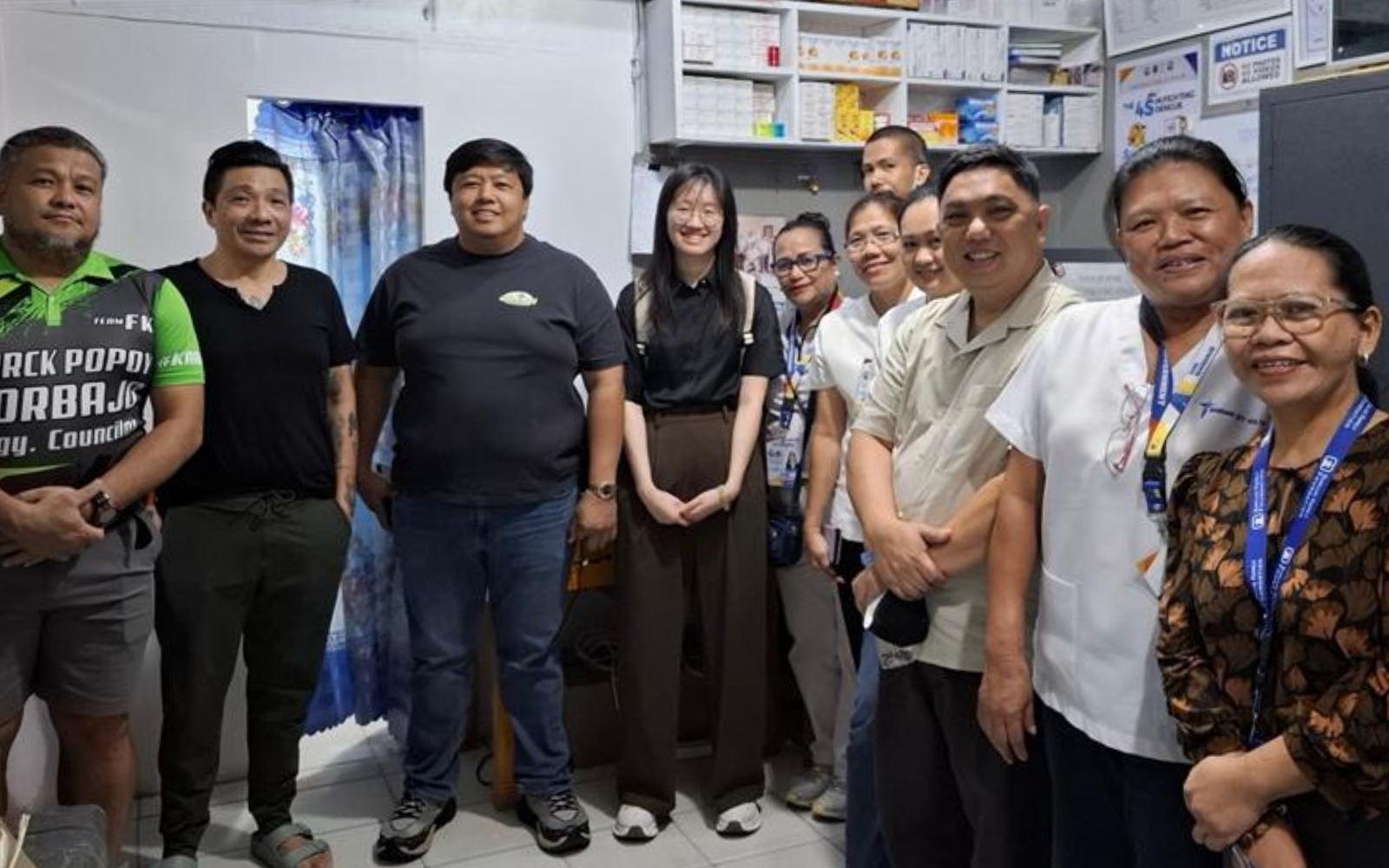
The debriefing discussion reinforced the value of governance and systems strengthening approaches. While investments in leadership, governance, planning systems, and financing mechanisms may appear less tangible than direct service delivery, they often have greater long term impact because they influence how decisions are made, how resources are allocated, and how programs are sustained.
Particular interest was expressed in understanding the relationship between city governments and barangays, especially in areas such as planning, budgeting, and shared accountability. These discussions highlighted the importance of cultivating ownership at multiple levels of the local health system.
The conversation also explored how lessons from successful cities can be adapted and replicated elsewhere. Knowledge products such as implementation playbooks and city case stories generated interest because they provide practical guidance for other local governments seeking to strengthen health systems and improve outcomes in their own settings.
An important reflection from the visit was the natural alignment between maternal and child health and broader human development objectives. While sectors and organizations may use different language and frameworks, many are ultimately working toward the same goal: improving the well-being of children, families, and communities.
The visit reinforced a lesson that has consistently emerged across TCI cities. Sustainable improvements in health outcomes are rarely the result of a single project or intervention. They are achieved when local governments strengthen leadership, governance, financing, service delivery systems, and community ownership in ways that endure beyond external support.
Mandaue City provided a compelling example of how this approach can work in practice. More importantly, it demonstrated that when systems are strengthened, the benefits extend far beyond any single health program and create conditions for lasting impact across the broader health and development agenda.
Author: Dr. Anthony Faraon, ZFF TCI-Philippines Chief of Party
From an Empathy-Driven Learning Visit to a Stronger Commitment to Health
In Kapangan, Benguet, where 11 out of 15 barangays are geographically isolated, the path to better health is rarely easy.
Last May 15, 2026, Kapangan Mayor Harris Dizon with Dr. Joy Fermin, Municipal Health Officer, joined a guided community immersion referred to as Deep Dive, as part of the Bayang Malusog Leadership and Governance Program (BMLGP) of the Zuellig Family Foundation.
Related articles:
- From Data to Dignity: How a Bedside Visit in Kibungan, Benguet Changed a Mayor’s Approach to Universal Health Care
- Kibungan and Kapangan’s Grand March Toward a Shared UHC Vision
Following their training in November 2025, the mayor together with the municipal health team committed to a learning journey rooted in empathy. The Deep Dive asked leaders to see the health system through the eyes of the poor and marginalized.
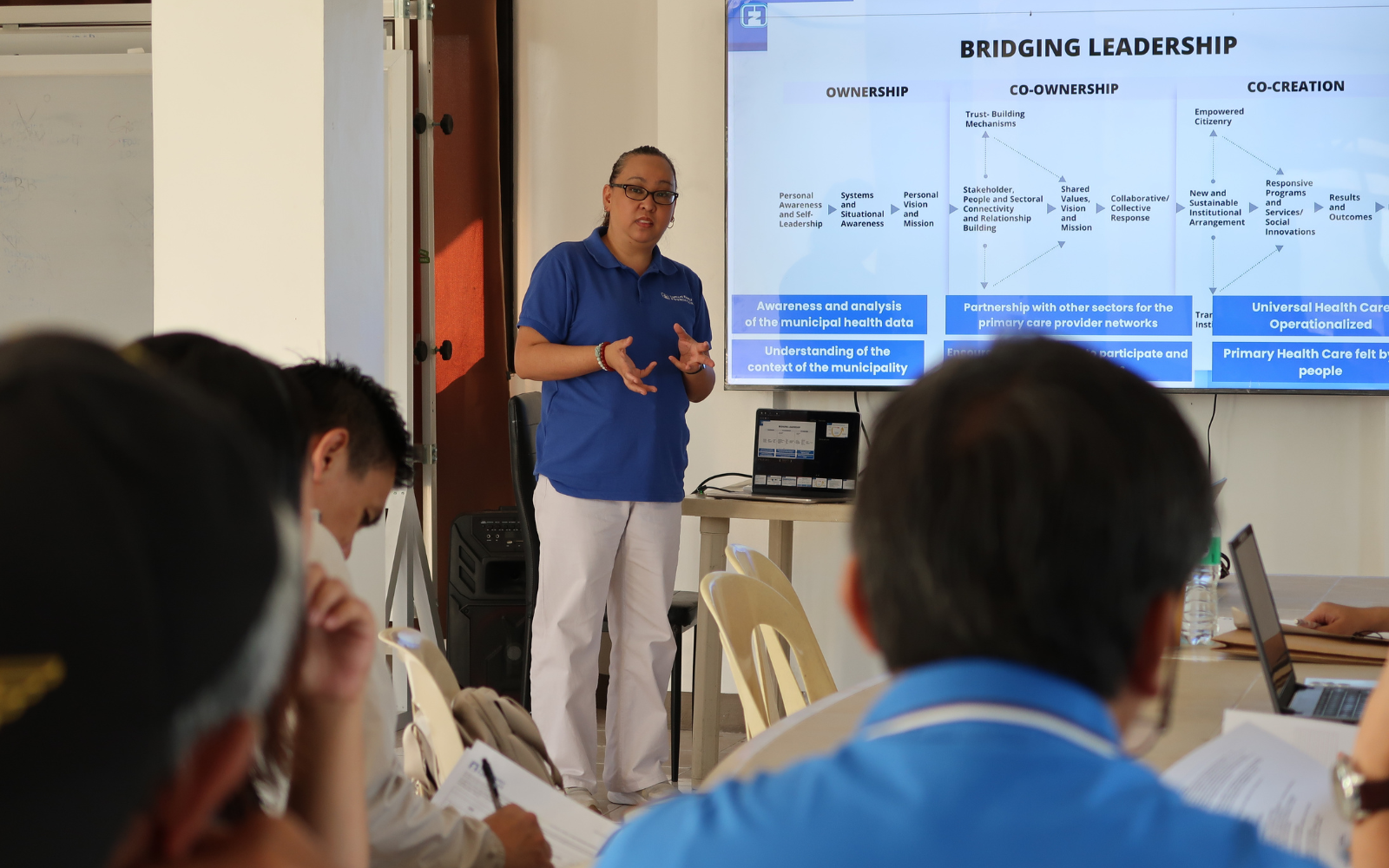
During the orientation, Dr. Fermin presented the municipality’s key health indicators, which set the lens for the Deep Dive that followed. In Kapangan, hypertension is the number one cause of outpatient visits and a leading cause of death, alongside cancer and stroke. In 2025, thirteen percent of all deaths were premature Non-Communicable Disease (NCD) deaths involving individuals under seventy years old.
The team identified several barriers. At the facility level, the clinical laboratory remains unlicensed, preventing essential cholesterol testing. There are periodic stockouts of maintenance medicines. At the community level, patients face out-of-pocket costs, cultural beliefs that normalize very high blood pressure, and the challenge of treatment fatigue. The mountainous terrain and frequent bad weather also keep many seniors from reaching the health stations.
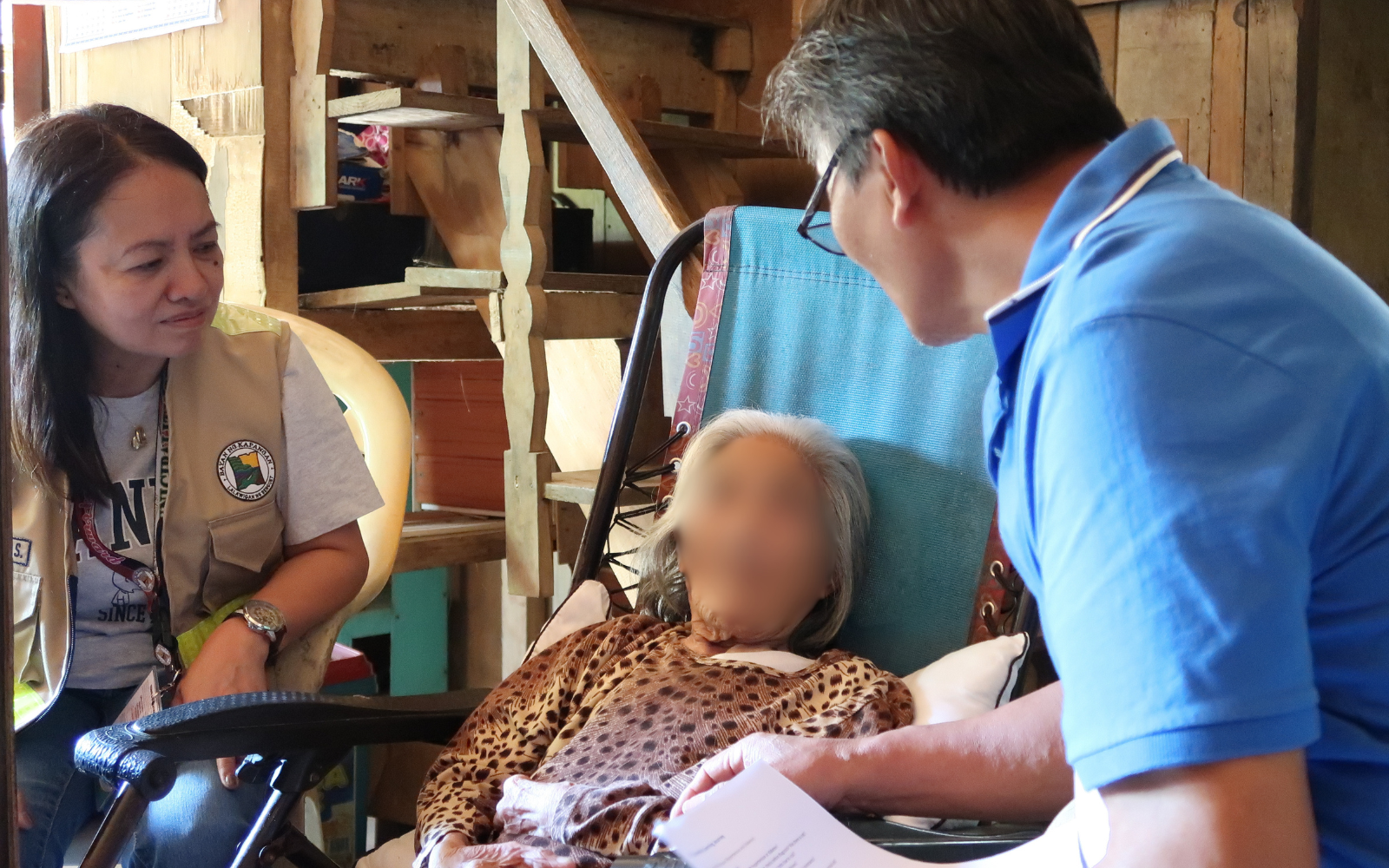
To ground these problems in real life, the team visited an 89-year-old hypertensive living in a household of ten family members who survive on farming and a small pension. The visit shifted the team’s perspective dramatically. The mayor admitted that seeing her difficulty in walking reminded him of his own vulnerabilities.
During the debriefing, the team moved from emotion to action. The mayor committed to a house-to-house visiting program for immobile seniors and pointed to the upcoming July budget cycle as the time to allocate more funds for health. The MHO proposed creating a dedicated NCD technical working group under the Local Health Board. She also pushed for a functional Electronic Medical Record system, since the current manual tracking only reveals that a patient has stopped their medication months after the fact.
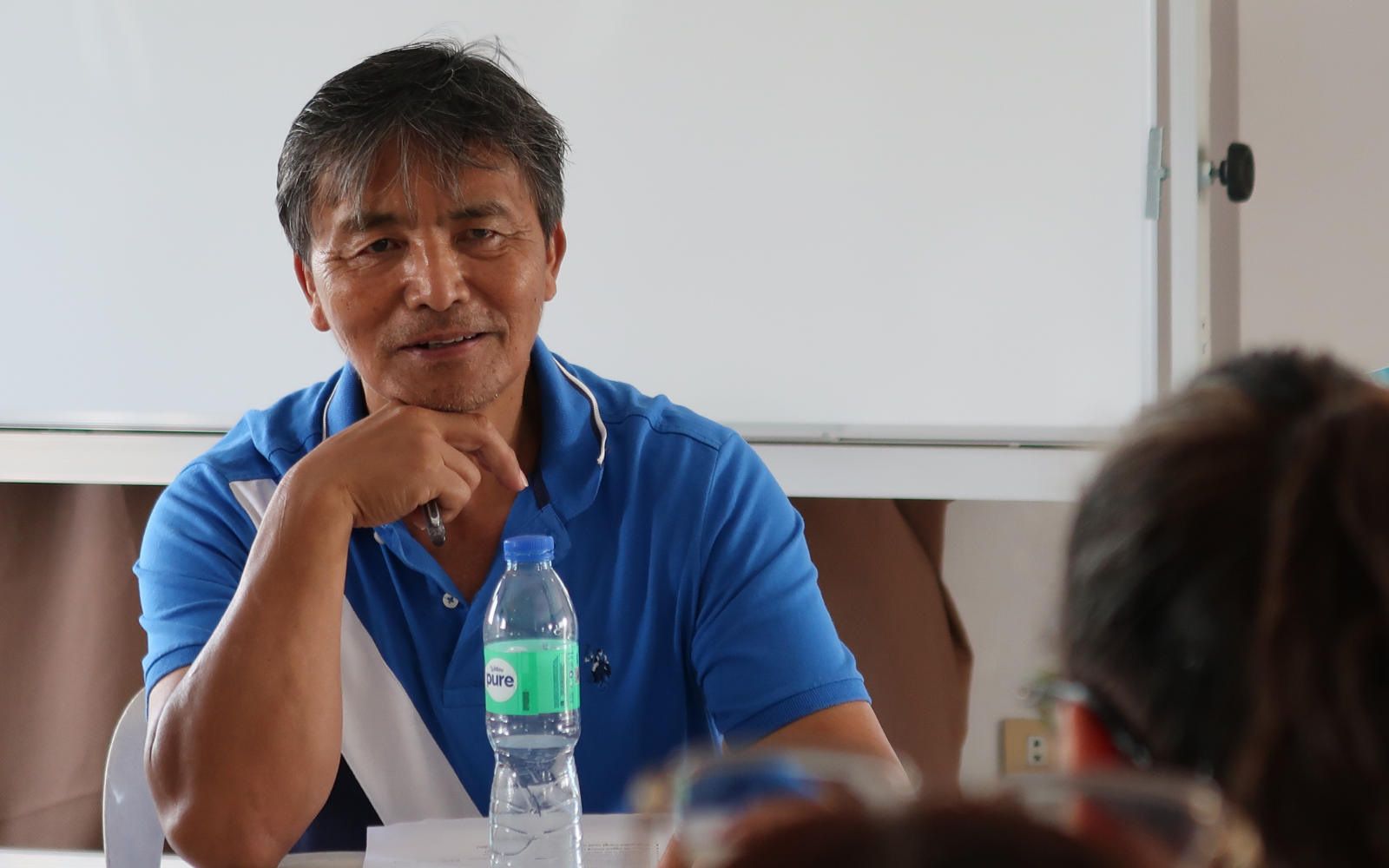
Despite admitting that he considers himself an older learner, Mayor Harris closed the session with a strong statement of commitment. He said he is ready to learn every day to ensure the success of Kapangan’s health programs. The team will reconvene in June 2026 for a practicum assessment and the BLMGP Module 2 training will be held in July to refine their municipal health roadmap.
BMLGP is a three-year commitment (2025–2027) to strengthen Primary Health Care in Benguet and Baguio City by empowering local leaders in operationalizing Universal Health Care.