Amagen Tako: Benguet Health Leaders Strengthen Collaboration for Sustainable Universal Health Care
News | by Krizzia Esperanza
Okak (mine or my responsibility), oka tako (ours or our shared responsibility), amagen tako (let’s do it together).
These local expressions, shared by Dr. Hydre Nga-ew, Municipal Health Officer of Kibungan, Benguet, captured the essence of Bridging Leadership: moving from individual ownership to shared ownership and collective action. The reflections echoed the central message of the Bayang Malusog Leadership and Governance Program (BMLGP) Module 2: achieving Universal Health Care (UHC) requires leaders who can unite teams, communities, and stakeholders around a common vision.
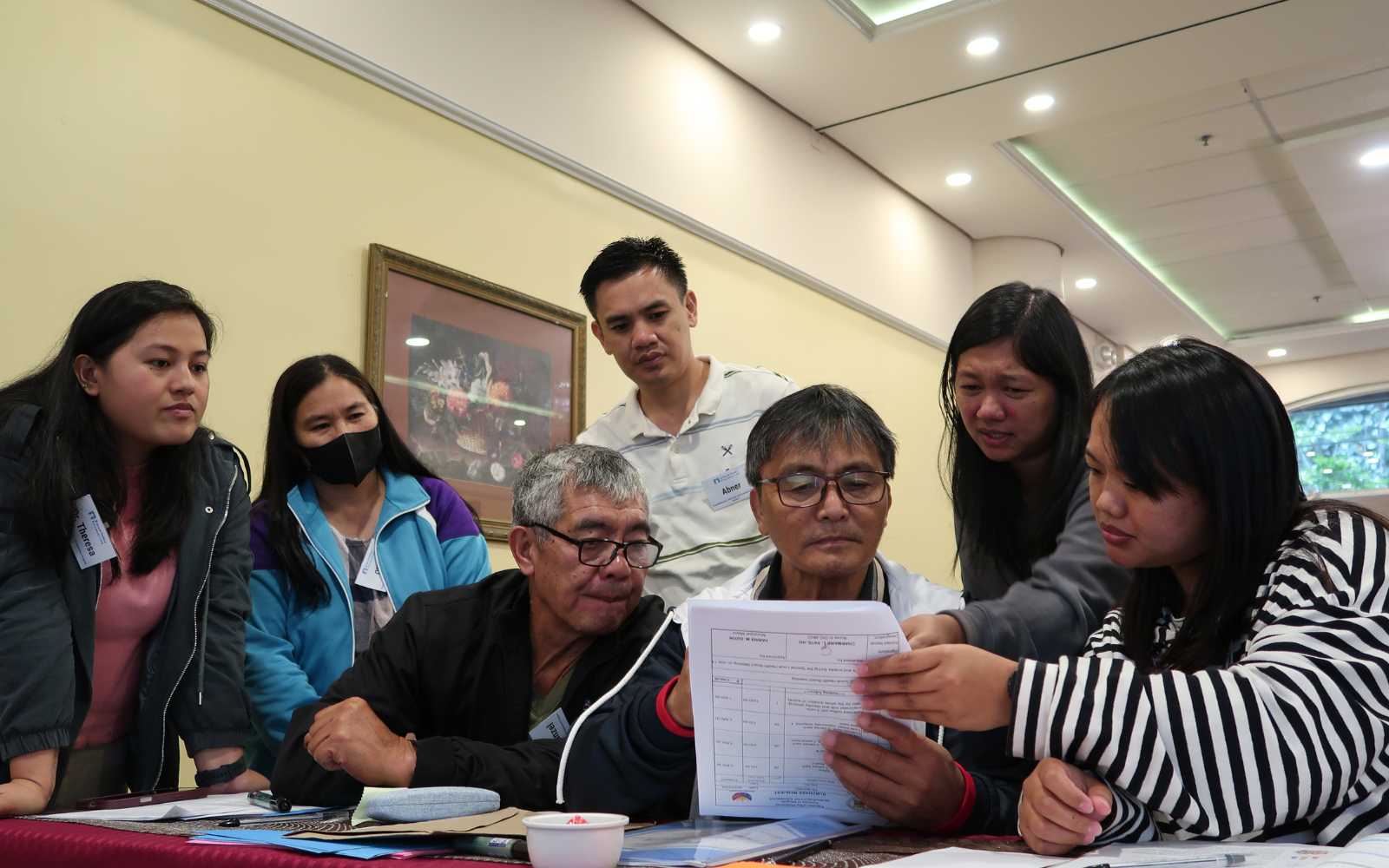
Photo above: Kapangan municipal health team, together with Mayor Harris Dizon (third from the right), reviews the municipality’s health system performance.
Related articles:
- The Universal Health Care Journey in Benguet and Baguio: Celebrating Gains, Navigating Hurdles
- From an Empathy-Driven Learning Visit to a Stronger Commitment to Health
- From Data to Dignity: How a Bedside Visit in Kibungan, Benguet Changed a Mayor’s Approach to Universal Health Care
The Zuellig Family Foundation facilitated the module last July 23–24, 2026 in Baguio City for the municipal health teams of Kapangan and Kibungan, Benguet. Representatives from the Benguet Provincial Department of Health (DOH) Office, as well as Kapangan Mayor Harris Dizon participated in the activity, demonstrating strong local and provincial support for advancing health leadership and governance.
Building on the Bridging Leadership framework introduced in Module 1, participants reflected on their leadership practicum experiences, celebrated early wins, and examined persistent challenges in delivering primary health care. Through interactive sessions, they explored strategies for engaging communities, strengthening team dynamics, navigating conflict, and institutionalizing multisectoral partnerships that support responsive, people-centered health systems.
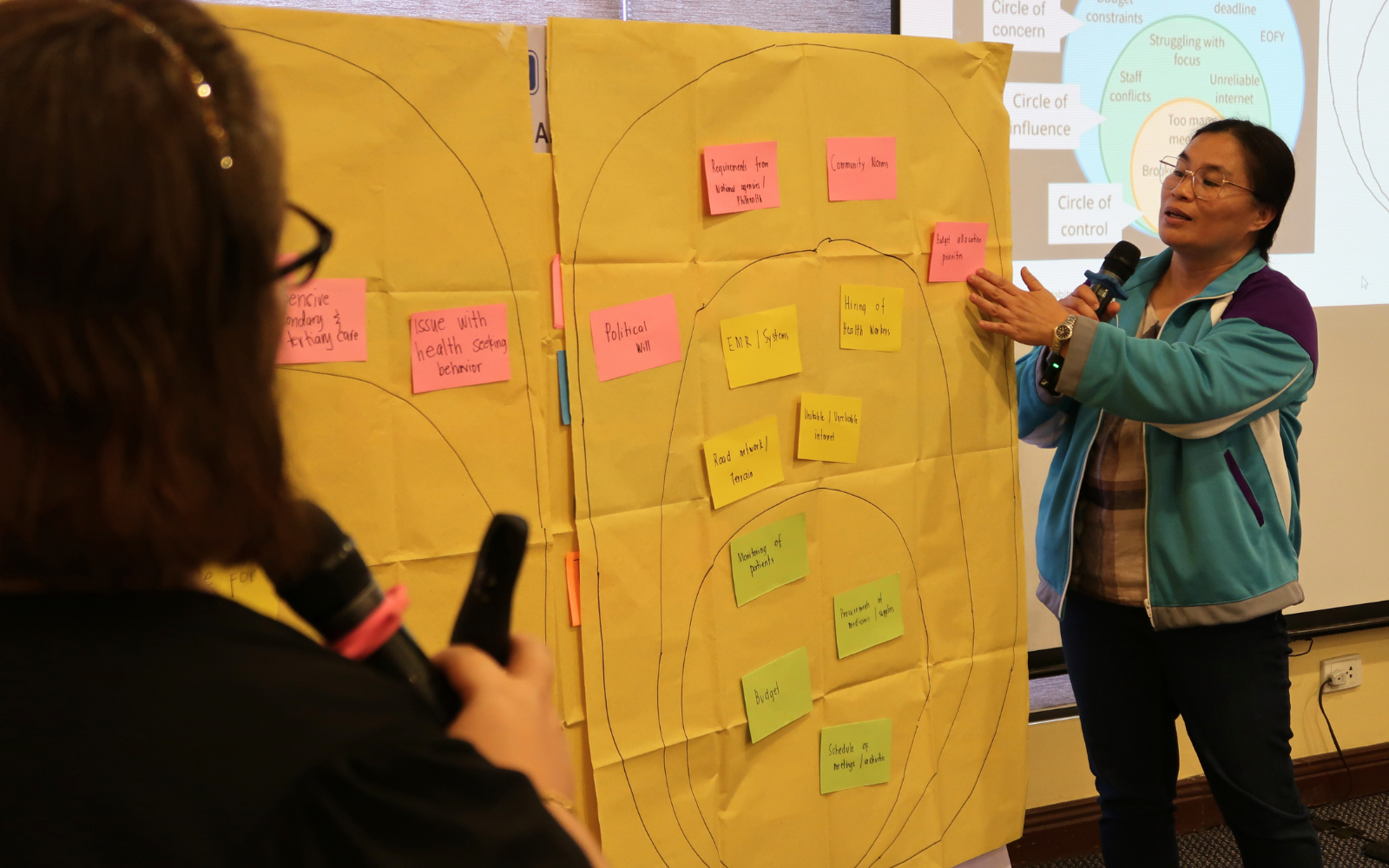 Photo above: Participants present their Circles of Concern, Influence, and Control group output, reflecting on areas where they can lead change to strengthen local health systems.
During the reportback sessions, the municipalities shared their local health realities. Kapangan identified noncommunicable diseases (NCD), particularly hypertension, as its leading health concern. Community participation, integrated service delivery, and medicine availability have enabled better NCD services, while limited human resources, insufficient funding, the absence of dedicated NCD policies, and patient compliance remain key challenges.
Meanwhile, Kibungan reported pneumonia as its leading cause of morbidity, while cancer, cardiovascular disease, and undetermined natural causes accounted for the highest mortality. The municipality cited DOH support for health workforce augmentation, increased health financing through PhilHealth, and committed health workers as important enablers. However, limited medicine coverage and the high cost of maintaining electronic medical records continue to affect service delivery.
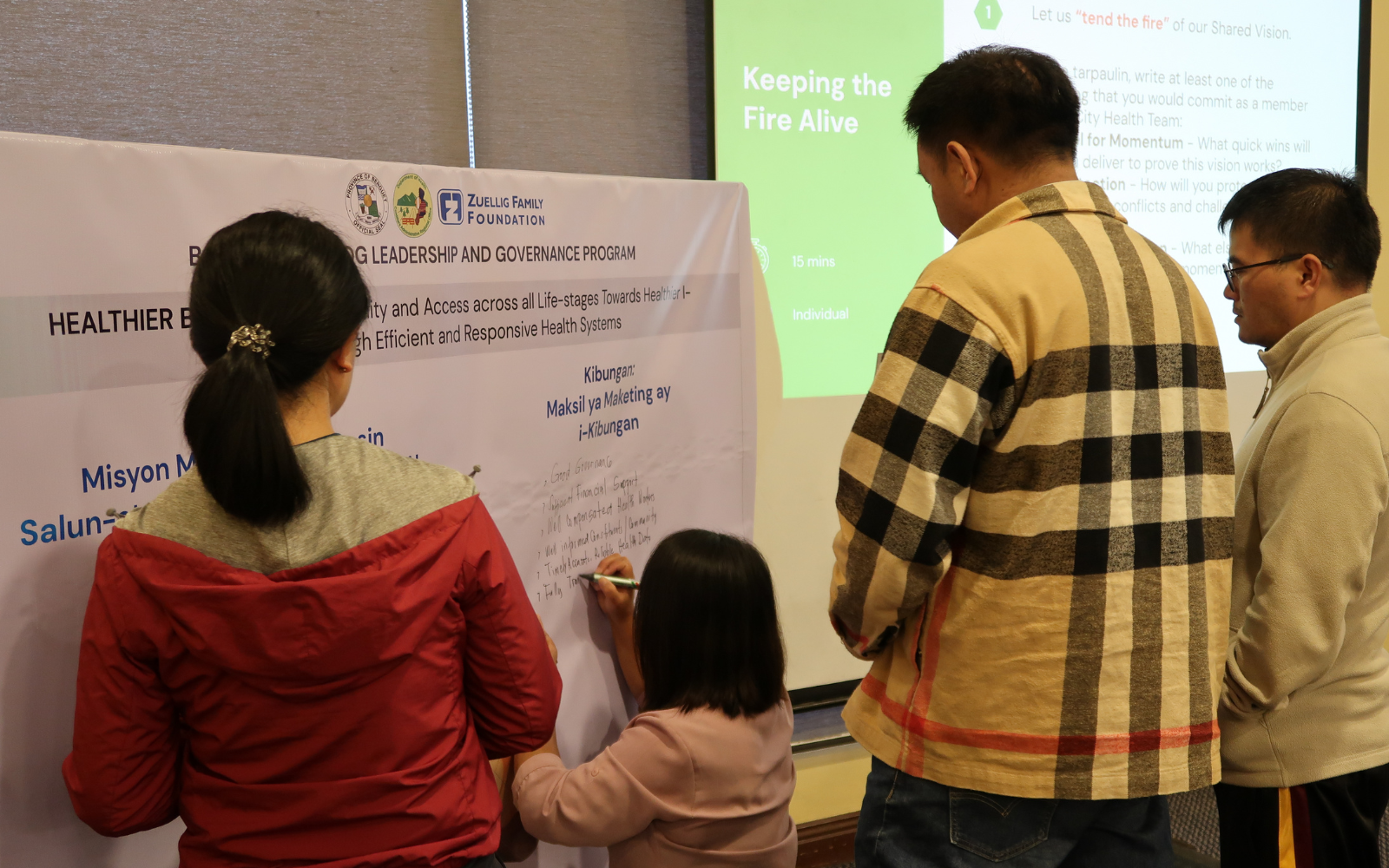 Photo above: Kibungan municipal health team shares strategies for keeping the “fire” of their shared vision alive.
Throughout the two-day learning session, participants noted that effective leadership goes beyond fulfilling individual roles. They recognized the importance of understanding community concerns, collaborating across sectors, and encouraging others to take ownership of a shared vision. They also reflected on conflict as an opportunity for learning and stronger collaboration rather than an obstacle to progress.
Dr. Mary Joy Fermin, former Municipal Health Officer of Kapangan, underscored that achieving better health outcomes requires strong leadership, collaboration, continuous learning, people-centered approaches, and sustained delivery of services. Participants likewise committed to becoming more accommodating leaders, stronger team players, and catalysts for change in their respective municipalities.
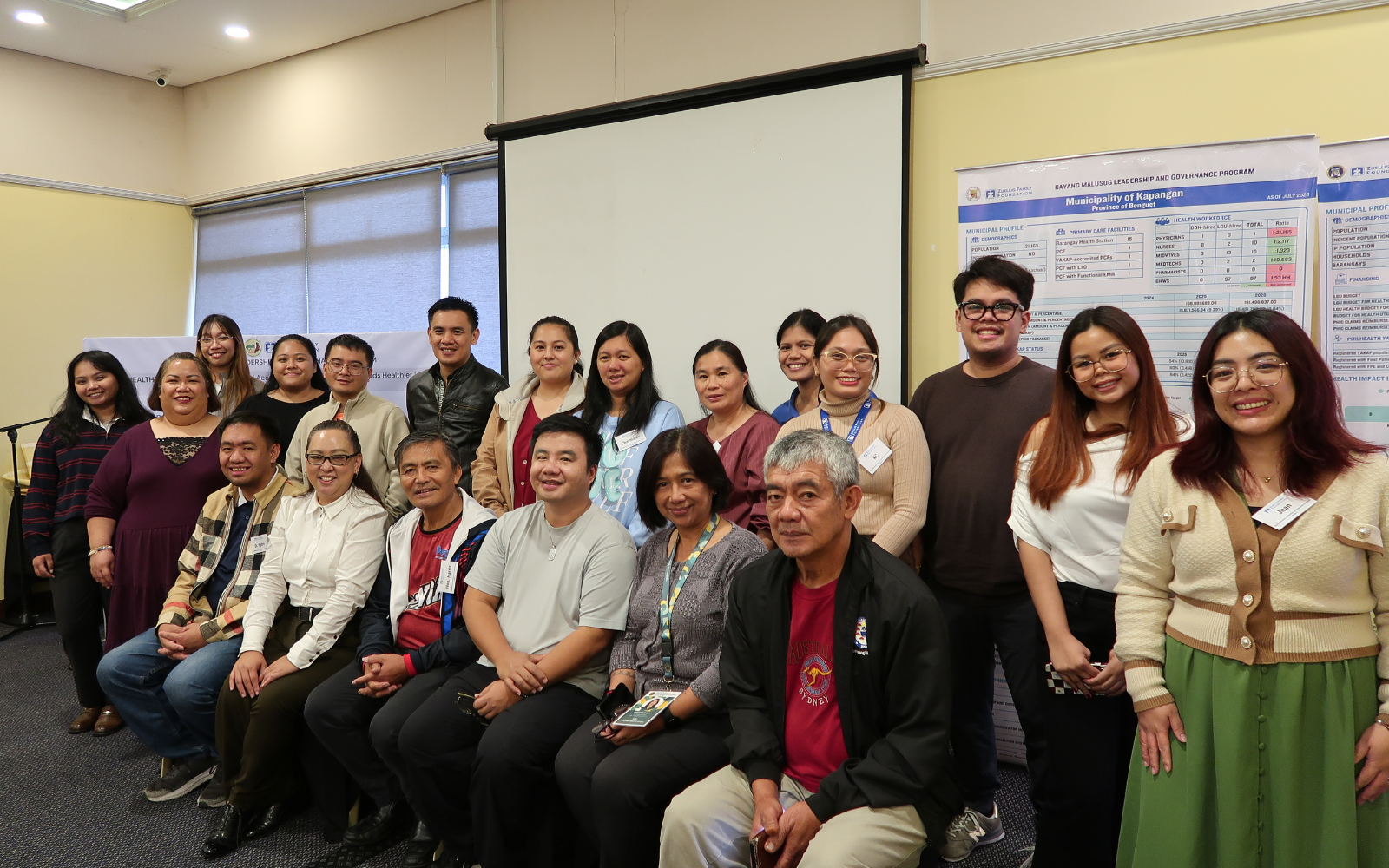
Towards the end of the activity, Dr. Andrew Chamson Bacuso of the Benguet Provincial DOH Office, encouraged participants to strengthen collaboration, innovate with purpose, and embrace servant leadership as they continue advancing UHC in their communities. As reflected in the words okak, oka tako, and amagen tako, sustainable health systems are built through shared ownership, collective action, and co-creation with the communities they serve.
