Cebu’s Zero Hunger Agenda: Governor Champions a Whole-of-Government Response to Malnutrition
Cebu’s response to malnutrition commits to go beyond feeding programs and address the conditions that determine whether families can consistently access nutritious food.
During the Zuellig Family Foundation (ZFF)–League of Provinces of the Philippines (LPP) Executive Session with Cebu Governor Pamela Baricuatro under the Nutrition Leadership and Equity Acceleration Program (NutriLEAP), the Governor proposed integrating a Zero Hunger initiative into the province’s Comprehensive Nutrition Action Plan, recognizing that food security and nutrition are deeply interconnected.
Related article:
For Governor Baricuatro, addressing malnutrition means looking beyond nutrition-specific interventions and confronting the broader conditions that shape nutrition outcomes, including poverty, food insecurity, access to health services, and the availability of nutritious food. “Zero Hunger should be integrated in the whole Comprehensive Nutrition Action Plan because food security should be prioritized too—they are interrelated.”
The Executive Session, held at the Executive Conference Room of the Provincial Capitol, brought together provincial health and nutrition officials, the National Nutrition Council (NNC) Region VII, the Department of Health Center for Health Development Region VII, ZFF, and LPP to examine Cebu’s nutrition situation and identify concrete actions for the provincial government.
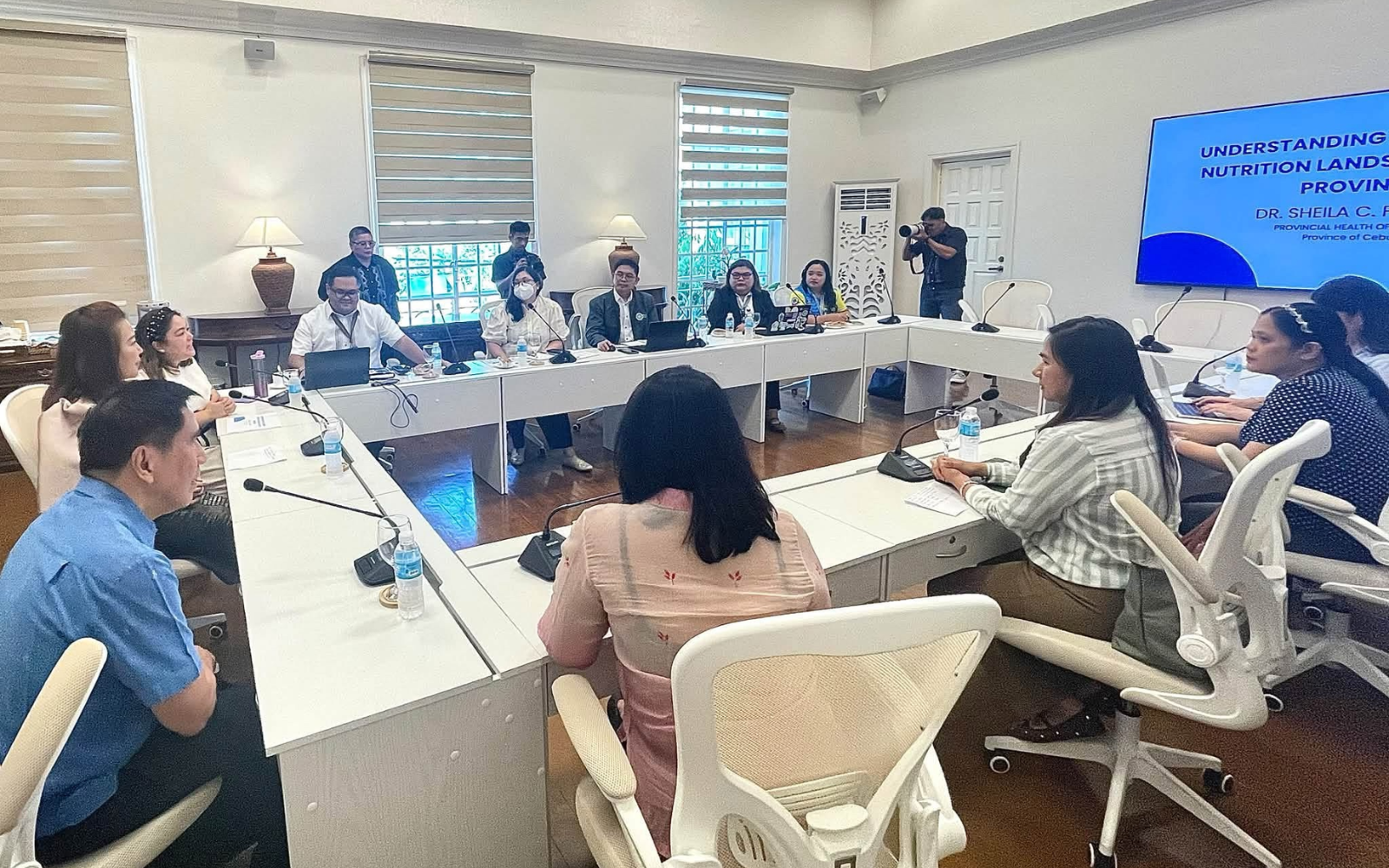 Photo above: Provincial health and nutrition officials, national government agencies, and development partners gather at the Provincial Capitol Executive Conference Room for the ZFF-LPP Executive Session on Cebu’s nutrition situation.
Cebu’s nutrition challenge: beyond the numbers
Dr. Sheila Faciol, Provincial Health Officer II, presented the province’s nutrition situation, highlighting both progress and persistent gaps in financing, human resources, service delivery, and nutrition outcomes.
Cebu’s scale makes the challenge particularly significant. The province is composed of 44 municipalities, six cities, and 1,066 barangays, with a population of more than 3.4 million.
The province has also allocated substantial resources to health, with health programs accounting for around 40.8 percent of the provincial budget. However, nutrition-specific spending has historically faced challenges in utilization. Following previous underspending from the original Php 100 million nutrition allocation, the 2026 budget was adjusted to Php 75 million. At the same time, budget utilization has improved, reaching 65.6 percent as of September 2026.
The discussion underscored, however, that nutrition-specific investments alone cannot solve malnutrition. Nutrition-sensitive interventions, including food security, water and sanitation, social protection, agriculture, education, livelihood, and poverty reduction, must also form part of Cebu’s strategy.
This is particularly important given the province’s continuing burden of child stunting. Recent data show that Cebu continues to account for the country’s highest magnitude of stunting cases. The province recorded 20,659 stunted children, highlighting the scale of the challenge despite recent progress in reducing the number of affected children. The magnitude of the problem, coupled with Cebu’s large and geographically diverse population, reinforces the need for a response that is strategic, targeted, and coordinated across government.
Targeting where the need is greatest
For Governor Baricuatro, the response must begin with identifying where the burden is greatest, and then directing resources and partnerships toward those communities.
Following the presentation, the Governor supported a whole-of-government approach focused initially on the 10 local government units (LGUs) with the highest magnitude of stunting, which together account for nearly half of the province’s total cases. These communities also represent areas where poverty and geographic accessibility remain significant barriers to health and nutrition services. “We identify where they are, and then we will partner with them.”
The approach reflects a shift toward data-informed prioritization, where interventions and resources are concentrated in communities with the greatest burden and the greatest barriers to accessing services.
The Governor also emphasized that malnutrition cannot be viewed simply as a feeding problem. “Poverty incidence is directly related to nutrition outcomes delivery. This is not merely a feeding program.” Her proposed Zero Hunger initiative reinforces this perspective by placing food security alongside nutrition as a central concern of the provincial government.
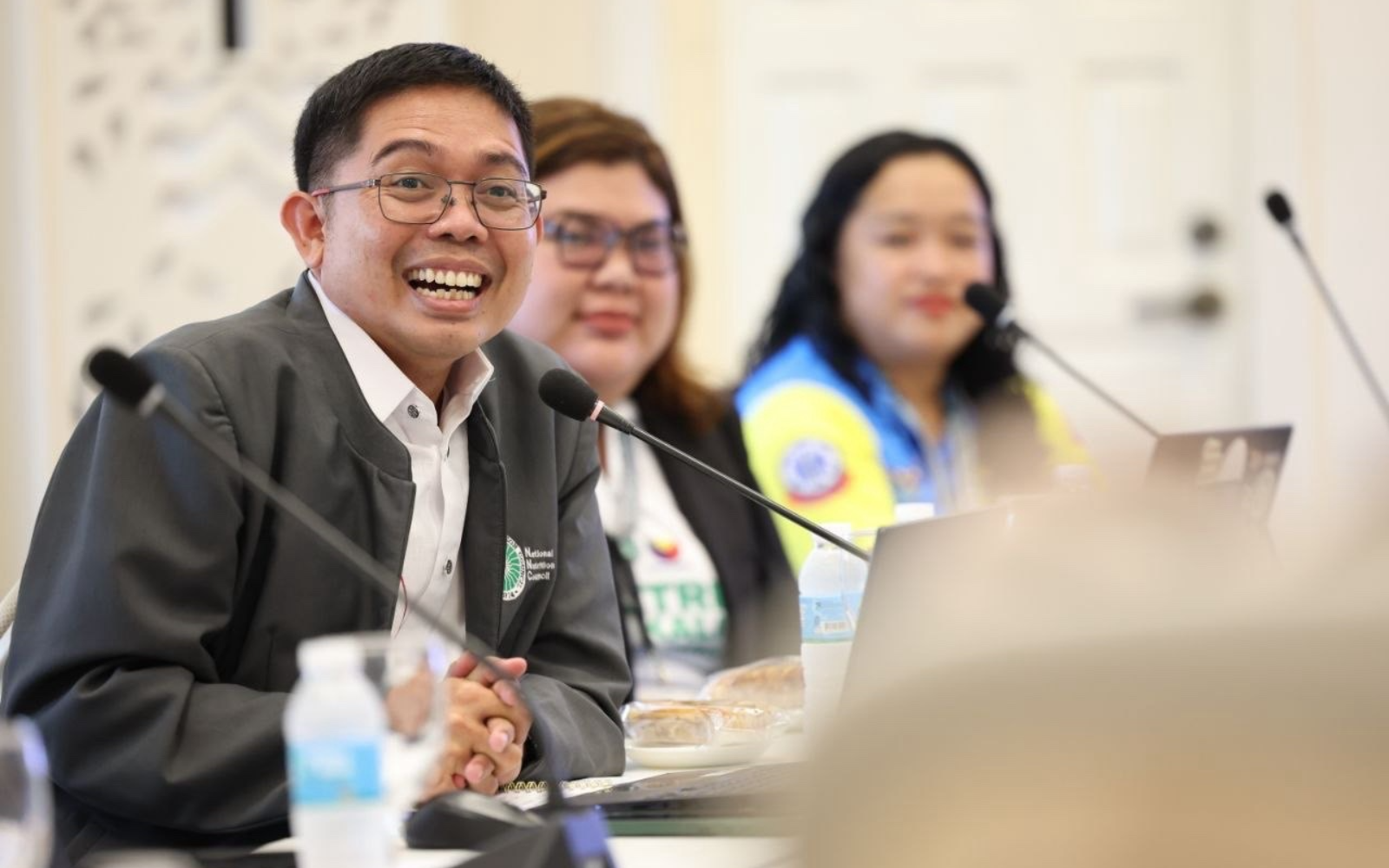 Photo above: Dr. Niño Archie Labordo, Regional Nutrition Program Coordinator, NNC-7
From political commitment to nutrition governance
Dr. Manuel Dayrit, Chairman of ZFF, emphasized that Cebu’s nutrition challenge is multifactorial and therefore requires a multifaceted response. He pointed to four critical areas that must come together: financing, information, human resources, and technical capacity.
The province needs to know where children are being affected, ensure that resources reach those communities, strengthen the workforce, including Barangay Nutrition Workers, and equip local governments with the technical knowledge necessary to respond effectively. He also commended the province’s move toward a 12-month operational plan and stressed the importance of rallying mayors behind the provincial nutrition agenda. “You really have to rally the mayors with you on this advocacy.”
Dr. Joyce Ann Viar, Nutrition Director of ZFF, presented the Foundation’s 8 Critical Knobs of Nutrition Governance as a framework for strengthening the systems that enable local governments to deliver better nutrition outcomes. These include:
- Strong governance structures for health and nutrition;
- Sustained strategic planning and financing for nutrition;
- An adequate and competent health and nutrition workforce;
- Responsive information management systems and community feedback mechanisms; and
- Competent LGU officials and staff in nutrition governance.
These governance mechanisms support interventions such as First 1,000 Days client-centered care, healthier diets at the community and household level, and behavior-centered approaches to food, health, and nutrition.
For Cebu, the challenge is therefore not simply to introduce another nutrition program, but to build the governance conditions that allow nutrition and food-security interventions to reach families consistently and at scale.
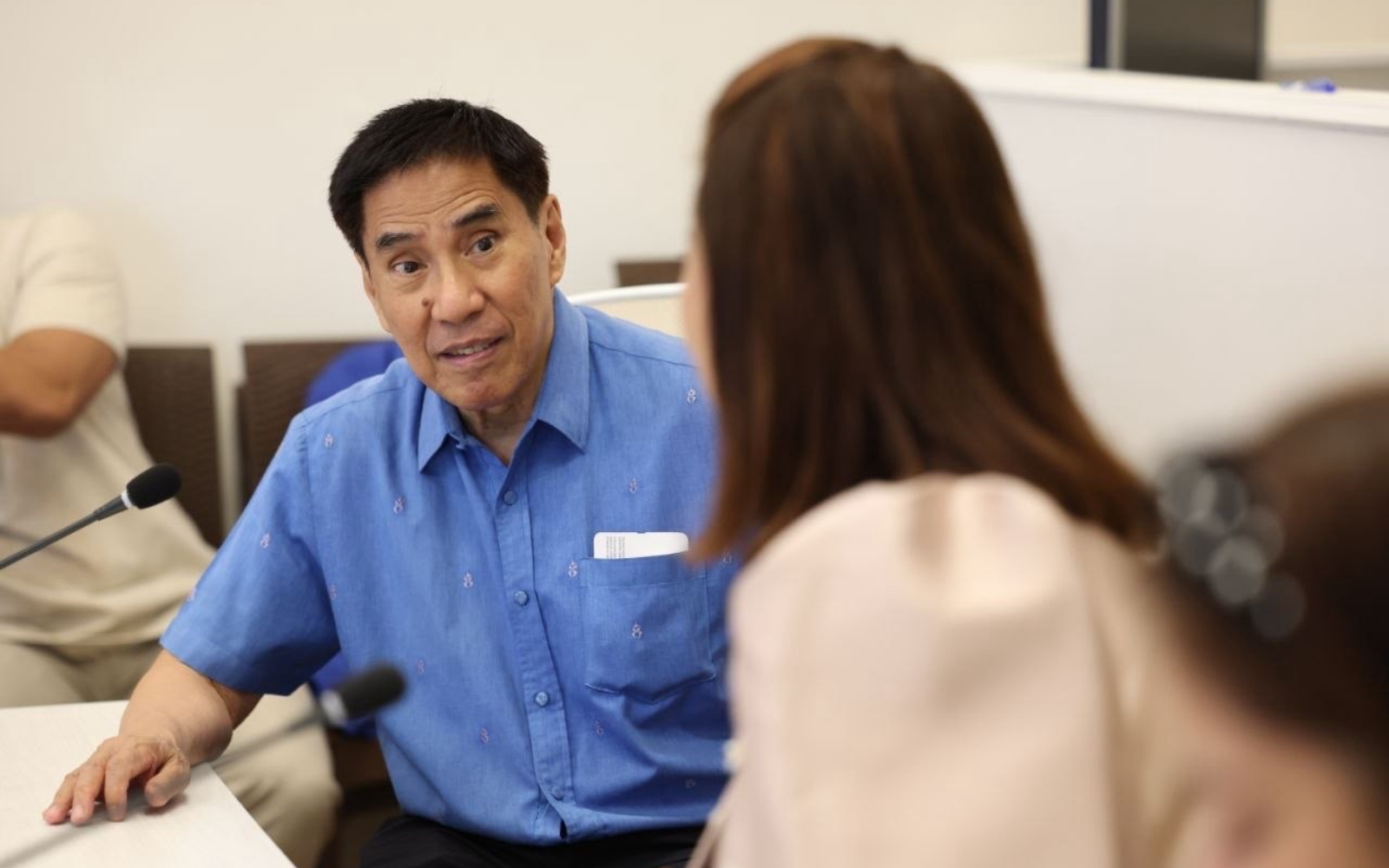 Photo above: ZFF Chairman Dr. Manuel Dayrit
Bringing nutrition to the grassroots
Governor Baricuatro expressed her commitment to strengthening collaboration among the provincial government, LGUs, national government agencies, and development and private-sector partners. “That is why we are here, and we want to focus on serving whatever programs we have at the national, and private sector—making sure that we can reach the grassroots, right away.”
The session also surfaced opportunities to bring nutrition interventions closer to households. Among these is the potential establishment of community kitchens at the barangay level, particularly in areas where households face difficulties accessing nutritious food. Rather than functioning solely as feeding sites, the proposed community kitchens could become community-based spaces where families can access and learn to prepare healthy, nutritious, and affordable food. ZFF will explore potential private-sector partnerships, including through its existing engagements with the Jollibee Foundation and the League of Corporate Foundations, to help advance this initiative.
The discussion also highlighted opportunities to strengthen nutrition interventions among adolescents and young mothers, including schools and youth caravans targeting nutritionally at-risk pregnant women and addressing concerns around teenage pregnancies. Emerging concerns around vaccine hesitancy and community trust were likewise recognized as issues requiring stronger engagement at the local level.
Strengthening the provincial nutrition workforce
The Governor also recognized that stronger nutrition outcomes will require a stronger local workforce. As part of the province’s commitment, Governor Baricuatro expressed support for hiring a nutritionist-dietitian within the provincial government who can be deployed to municipalities and cities. The proposed investment responds to identified gaps in human resources, including medical doctors, Municipal Nutrition Action Officers, and barangay health and nutrition workers. Strengthening this workforce will be essential in ensuring that provincial plans translate into sustained action within communities.
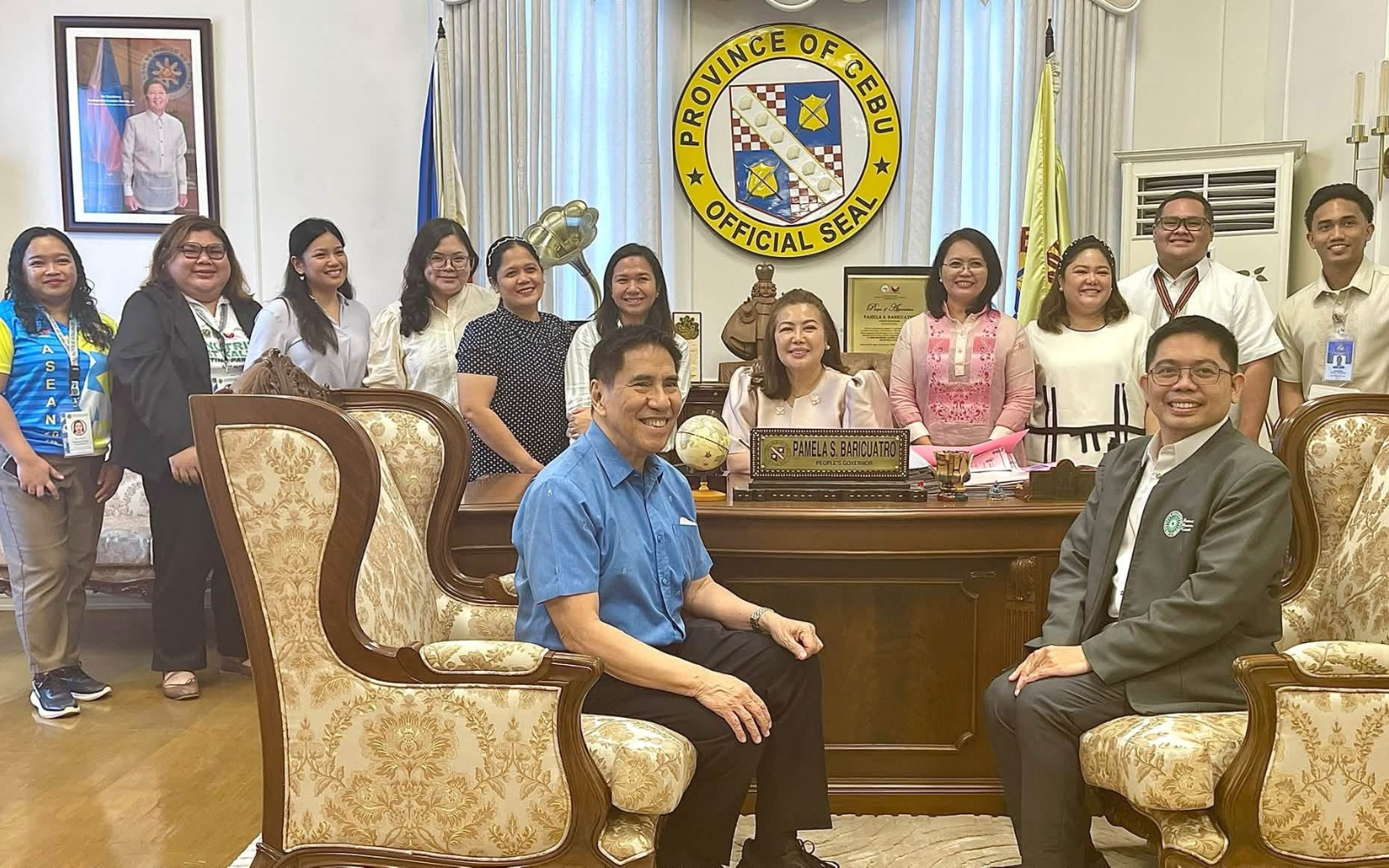 Photo above: Governor Pamela Baricuatro joins ZFF, LPP, NNC-7, and provincial officials in a show of shared commitment to Cebu’s Zero Hunger agenda.
Institutionalizing the provincial response
The Executive Session also highlighted the importance of institutionalizing nutrition governance within the provincial government. Among the proposed next steps is the strengthening of the Provincial Nutrition Council, supported by a provincial ordinance and executive order that will establish the technical working group and identify focal persons across sectors to take action on malnutrition.
The experience of Sarangani, which has undergone eight years of strengthening nutrition governance through leadership, organizational structures, policy environment, resource capacity, and political commitment, also provided a reference point for Cebu.
For Governor Baricuatro, this institutionalization is critical because nutrition often competes with other priorities at the local level. The challenge, therefore, is to make nutrition and food security a sustained political and development priority, not simply an activity implemented when resources or programs become available.
A shared commitment for Cebu
The Executive Session underscored a shared understanding: Cebu’s nutrition challenge cannot be solved by one office, one program, or one sector. The province has an opportunity to build on recent progress while directing greater attention to the communities where the burden remains highest.
Governor Baricuatro’s proposal to integrate Zero Hunger into Cebu’s Comprehensive Nutrition Action Plan provides a broader platform for bringing together food security, nutrition, health, poverty reduction, and local governance. The next challenge is to translate this commitment into action: identify where the need is greatest, bring the right partners together, strengthen local capacity, and ensure that resources reach the grassroots.
For Cebu, the ambition is not simply to reduce the number of children affected by malnutrition. It is to address the conditions that produce malnutrition in the first place, and build a provincial system capable of sustaining that response. At the heart of this effort is a clear direction from the Governor: Zero Hunger must become part of Cebu’s collective response to malnutrition, because ensuring that families have access to nutritious food is inseparable from ensuring that children have the opportunity to grow, learn, and thrive.
Photos from: Provincial Government of Cebu
Author: Samantha Morales, ZFF Nutrition Knowledge Management and Communications Associate
Negros Occidental Governor Joins Community ‘Deep Dive’ to Address Child Malnutrition
San Enrique, Negros Occidental family case highlights multi-generational malnutrition challenges
Negros Occidental Governor Eugenio Jose Lacson participated in a community immersion activity in the municipality of San Enrique on September 8, 2026, meeting directly with a family whose child was identified as severely acutely malnourished.
The Deep Dive activity formed part of the Nutrition Leadership and Equity Acceleration Program, implemented by the Zuellig Family Foundation (ZFF) in partnership with the Provincial Government of Negros Occidental.
Related article:
During the debriefing session, participants reviewed the case of the child in the family who recorded a mid-upper arm circumference (MUAC) of 11.5 centimeters, placing them under severe acute malnutrition. Dr. Ma. Ayessa Hugnatan, Provincial Health Officer I and Provincial Nutrition Action Officer, recounted the family’s situation: the household includes grandparents and two siblings of the mother who have mental health conditions and are unemployed. The child’s father and grandfather, both manual laborers, serve as the family’s sole earners.
“For me I would admit that this is the first time I joined a Deep Dive activity wherein I faced the mother concerned and learned about the family,” Lacson said. “Hope to see this become a benchmark to focus our attention on malnutrition so we can solve this issue.”
San Enrique Mayor Jilson Tubillara acknowledged the financial constraints facing the municipality, describing San Enrique as the “poorest town” in the area. He directed the Municipal Health Office to develop a nutrition program and the budget needed to sustain nutrition interventions. “This opened our eyes also that we have to do something about this problem so this will not happen again,” Tubillara said.
ZFF Chairman Dr. Manuel Dayrit traced the family’s vulnerability across generations. He noted that the presence of two siblings with mental health conditions already signaled a household at risk, a family in “chronic acute distress.” Dr. Dayrit advised, “Continuous monitoring would help. Observing the phenomenon changes the phenomenon.”
The Deep Dive involved a visit to the family’s home followed by a debriefing session attended by provincial and local officials, health and nutrition workers, and ZFF representatives. The activity aimed to deepen ownership of the malnutrition problem among leaders—a core principle of ZFF’s Bridging Leadership Framework—by grounding them in the lived realities of the communities they serve.
—
The Nutrition Leadership and Equity Acceleration Program (NutriLEAP) is a capacity-building initiative by ZFF, supported by the League of Provinces of the Philippines, to improve nutrition outcomes in provinces nationwide. It strengthens leadership and governance against malnutrition by equipping governors and their teams to assess local nutrition systems, identify gaps, engage stakeholders, and implement sustainable actions. By fostering accountability and collaboration, NutriLEAP helps local leaders turn goals into lasting change.
Translating Field Realities into Policy Action to Fight Child Malnutrition
In Bohol, where island barangays and mountainous interiors often separate families from timely health care, the journey toward Universal Health Care requires leaders to walk alongside the most vulnerable.
On September 2, 2026, Bohol Governor Erico Aristotle “Aris” Aumentado and the Provincial Health Office (PHO) team completed an intensive field immersion known as a Deep Dive. A core component of ZFF’s Bridging Leadership, the Deep Dive pushes local chief executives and health officers to step out of executive offices and witness systemic health challenges through the eyes of local stakeholders.
This immersion follows the Provincial Leadership Health Development Program (PLHDP) Module 1 training held in Mandaue City, Cebu, co-organized by ZFF, the Department of Health–Central Visayas (DOH-7), University of the Philippines Cebu, and Cebu Normal University. “We cannot transform if we are not aware of the gaps and realities on the ground,” Governor Aumentado emphasized during the executive session.
Opening the immersion orientation, Provincial Health Officer Dr. Fruserma Mary A. Uy outlined Bohol’s current nutrition profile. While the province has made steady strides in maternal and child health, persistent gaps remain. Data from 2024 through mid-2026 shows stunting rates hovering near 5%, underweight cases exceeding 2%, and a subtle rise in child obesity.
To see what those numbers mean in daily life, Governor Aumentado and the provincial health team visited three households struggling with severe undernutrition in Barangay Tapon, Ubay. In one home, a father’s meager earnings as a tricycle driver meant meals were irregular and nutrient-deficient–a clear look at how economic instability directly drives health inequities.
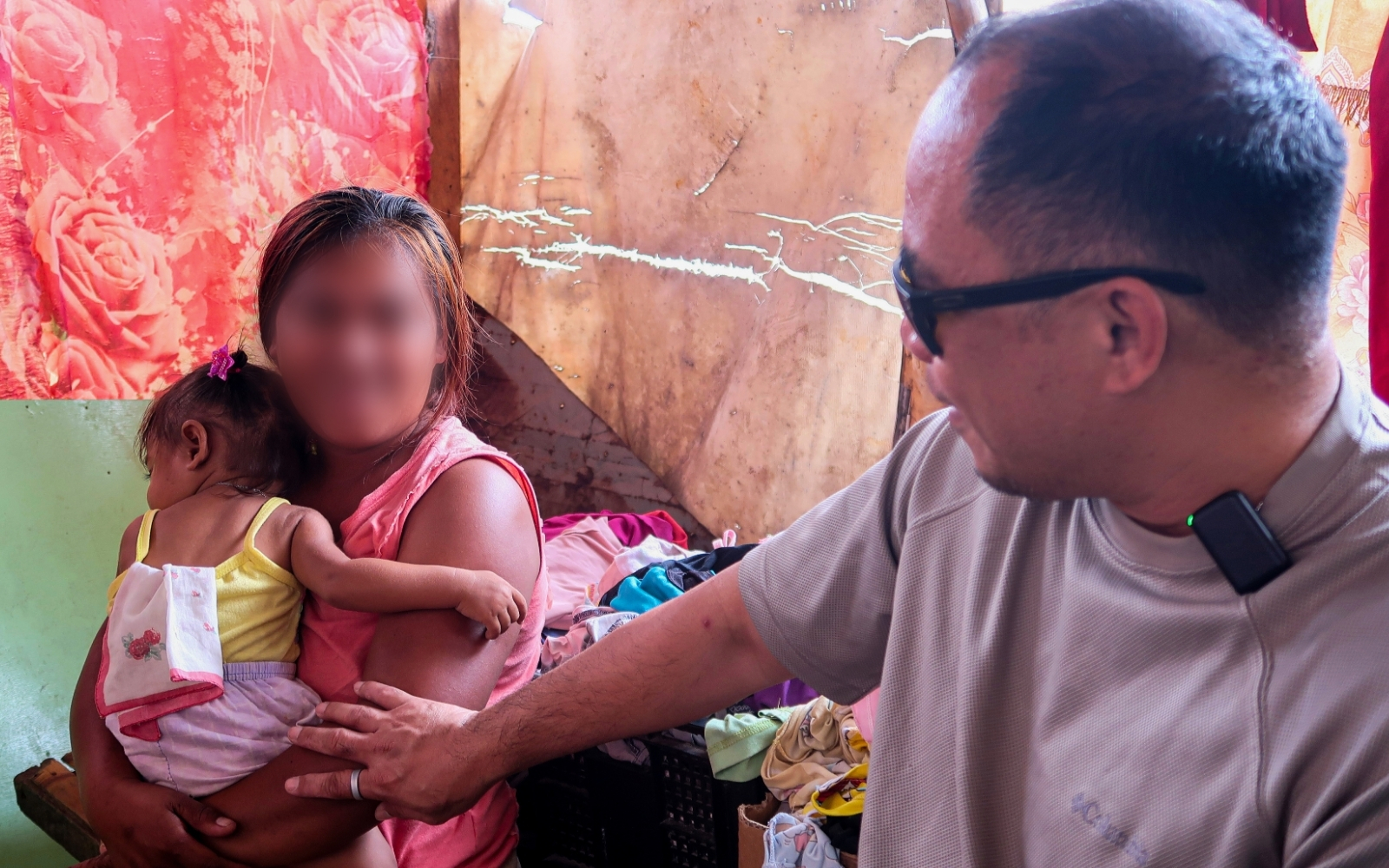 Photo above: Deep Dive proper
Reflecting on the experience, Governor Aumentado acknowledged that social protection programs often fail because they lack validation from community realities. Moving forward, he pledged to restructure provincial strategy by delivering direct livelihood support to individual vulnerable households rather than relying solely on group-level grants.
He also targeted the province’s fragmented feeding initiatives, proposing a unified, targeted approach that pools resources from the Department of Social Welfare and Development (DSWD), Department of Education (DepEd), Office of Provincial Social Welfare and Development (OPSWD), and local municipal units.
“If it is a meal, well-prepared, well-thought of, studied talaga for a month, focused on these pupils in one or two schools, then at the end we measure the output. We pool resources, focus on where the problem is highest. That’s the broad stroke of the program we should get started on,” he explained.
PHO Dr. Uy added that tackling undernutrition requires addressing its root drivers: “Malnutrition is just the tip of the iceberg. We will sustain our gains, adopt best practices from neighboring provinces, and move forward with a clearer direction.”
Austere A. Panadero, President and Executive Director of ZFF, framed the immersion’s broader lesson: “Health was our entry point but clearly, there are more issues to solve. Nakita natin na importante ang kalusugan, kaalaman, at kabuhayan.”
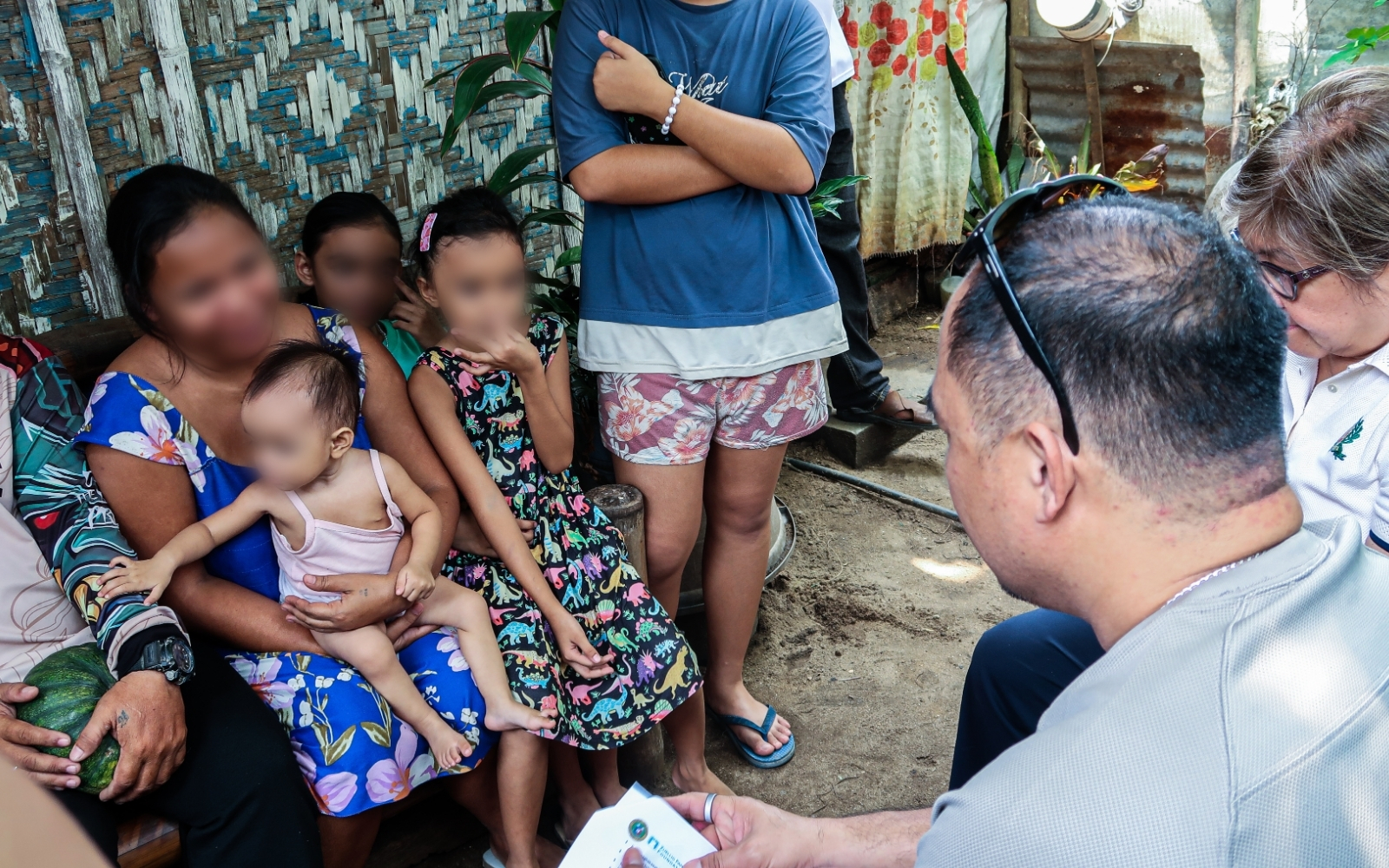 Photo above: A former Barangay Nutrition Scholar shares their struggles as a family during the Deep Dive.
The Bohol team will reconvene in November 2026 for the BMLGP Module 2 training to refine the provincial health roadmap. Governor Aumentado closed the session with a statement of resolve, affirming his commitment to prioritize child nutrition and ensure that no family is left behind.
Local Governments in Samar and Southern Leyte Convene to Translate Child Marriage Study into Local Policy
The Zuellig Family Foundation (ZFF), in partnership with the United Nations Population Fund (UNFPA), convened a three-day workshop for partner LGUs in Samar and Southern Leyte. The Final Child, Early and Forced Marriage and Unions (CEFMU) Study Results Dissemination and Policy Development Workshop, held August 24-26, 2026, at Bayview Park Hotel in Manila, aimed to transform research findings on CEFMU into actionable local policies.
The workshop engaged legislative and executive representatives from ZFF Expanded Youth Leadership and Governance Program (EYLGP) partner LGUs, who play complementary roles in policy development and implementation. Technical resource persons from the University of San Carlos-Office of Population Studies Foundation, Inc. (USC-OPSFI) and the Philippine Legislators’ Committee on Population and Development (PLCPD) provided expert guidance throughout the event.
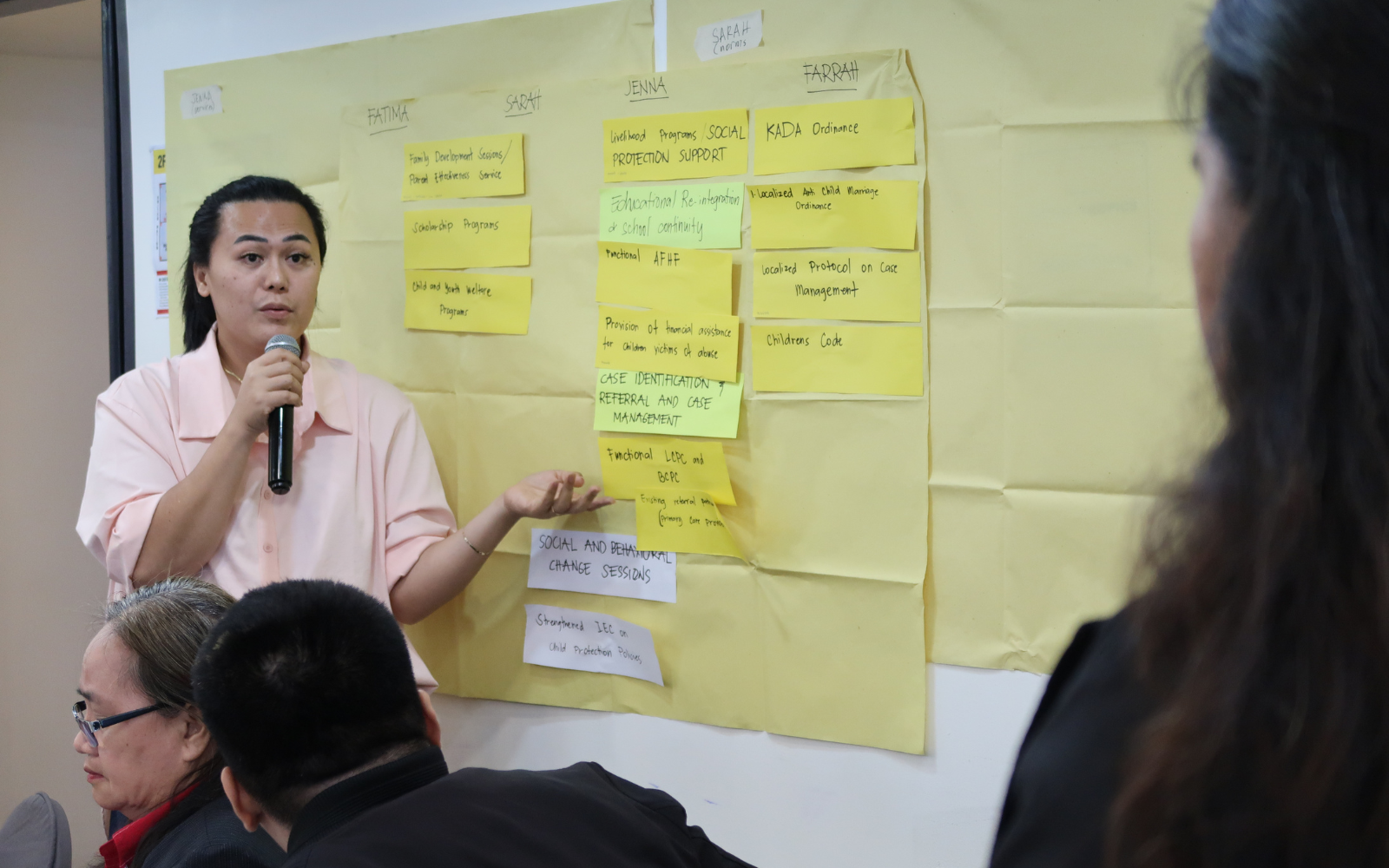 Photo above: Participant presents group activity output mapping their communities’ existing policies, programs, and service gaps around the “four faces of CEFMU”: Fatima (child empowerment), Sarah (shifting socio-cultural norms), Jenna (strengthening services and systems), and Farrah (supportive policy and governance).
The first day focused on disseminating the final findings of the CEFMU study. Researchers from USC-OPSFI presented key findings from both the qualitative study conducted in Samar and Southern Leyte and the quantitative Longitudinal Cohort Study on the Filipino Child (LCSFC). The afternoon session transitioned from understanding evidence to identifying local policy gaps. PLCPD resource persons oriented participants on the local legislative process and advocacy access points, preparing them for the policy-writing sessions to follow.
On the second and third days, PLCPD provided a draft CEFMU policy as a starting point. The resource persons guided participants through the parts of the ordinance, explaining the structure, key provisions, and critical considerations for effective local legislation. LGU teams then engaged in writeshop sessions where they discussed and refined the model policy, adapting provisions to reflect their community’s unique realities, existing programs, available resources, and specific vulnerabilities. LGU teams presented their refined policies, receiving technical feedback from resource persons.
 Photo above: Participants edit and refine the draft CEFMU policy provided by PLCPD.
The workshop concluded with an emotional commitment session where LGU representatives voiced their promises to champion the cause of vulnerable children and youth. As one participant declared, “I promise to stand firm with the girls and all the victims of the child marriage. And I will continue to raise my voice, to use myself to advocate.”
As participants departed with refined policy drafts and concrete action plans for advocacy and adoption, the workshop marked a milestone in the ongoing effort to end CEFMU in the Philippines. The activity, part of ZFF and UNFPA’s continuing partnership under the Joint Programme on Accelerating the Reduction of Adolescent Pregnancy (JPARAP), represents a model for evidence-based policy development that can be replicated across the country.
Head, Heart, and Hand in Action: Municipal Health Leaders Drive Universal Health Care in Negros Oriental and Siquijor
On August 5–6, 2026, municipal health teams from seven localities—comprising mayors, municipal health officers, and key local officials (such as the Sangguniang Bayan member for health, administrative officer, budget officer, etc.)—convened for Module 1 of the Municipal Leadership Development Program (MLDP). The two-day workshop, titled “Leading Change to Accelerate Universal Health Care (UHC),” was organized by the Department of Health-Center for Health Development (DOH-CHD) Negros Island Region (NIR), in partnership with the Zuellig Family Foundation (ZFF) and Silliman University as the academic partner.
The workshop challenged health leaders to critically reflect on their accountability to their communities in expanding health access and improving health outcomes through UHC. This shared commitment was captured in the taglines of the participating municipalities:
- Larena: “Larena making a difference”
- San Juan: “Sa San Juan, ikaw ampingan” (In San Juan, we care for you)
- Ayungon: “Abante Ayungon” (Forward Ayungon)
- Zamboanguita: “Sa Bayang Malusog, Patsada Zamboanguita” (For a healthy town, move forward Zamboanguita)
- San Jose: “San Jose, First”
- Bindoy: “Sa UHC, sulbo Bindoy” (For UHC, rise Bindoy)
- Bayawan: “Ikaw, Ako, Kita ang Bayawan. Ibayaw Bayawan” (You, Me, We are Bayawan. Lift Bayawan)
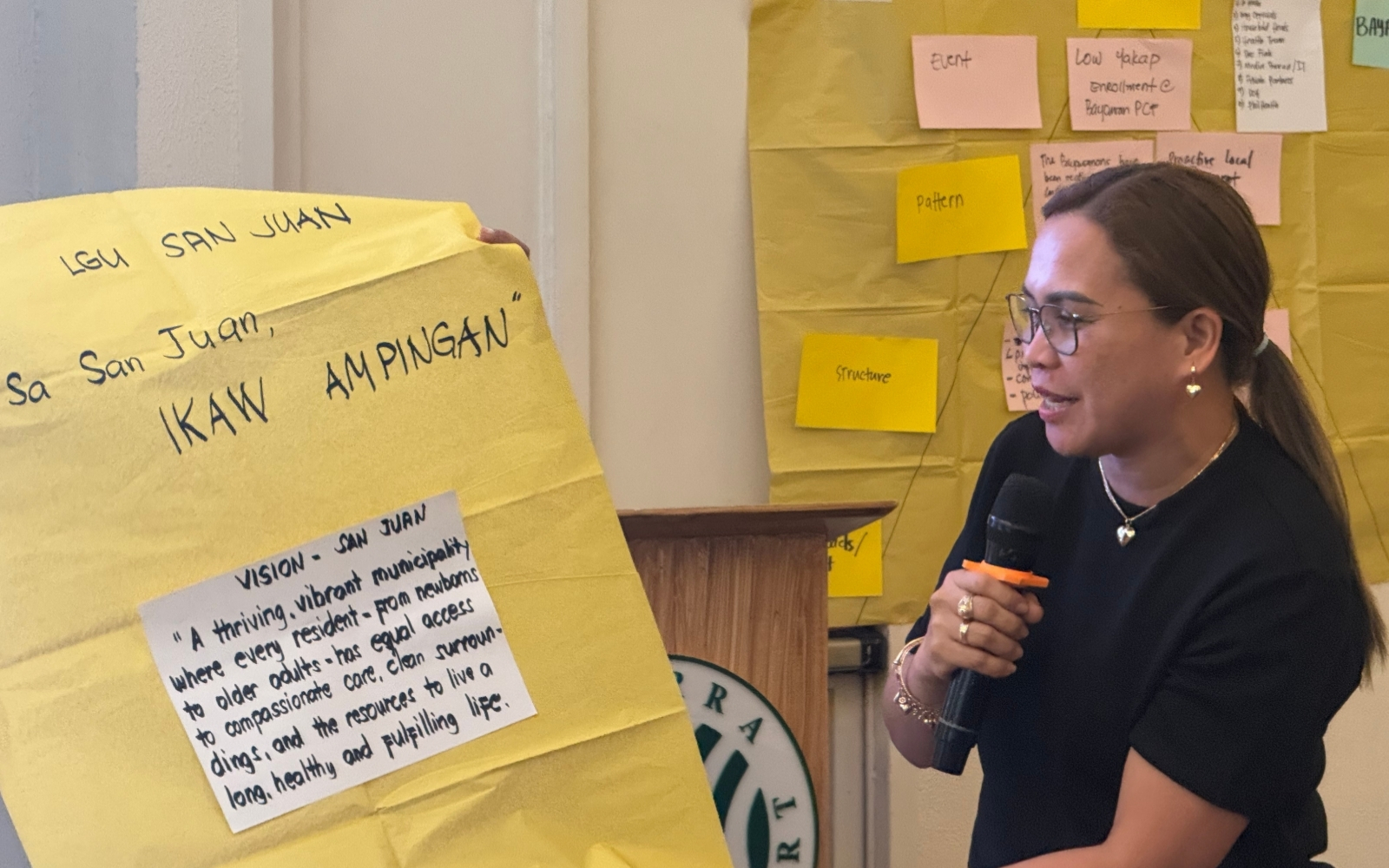 Photo above: A participant shares their team’s articulated change vision for advancing UHC.
“UHC is the glue of our health system,” emphasized Jennifer Remollo, Head of the DOH-CHD NIR Health System Integration Cluster, setting the tone for the entire activity. To put this vision into practice, participants grounded themselves in the Bridging Leadership Framework, which calls on leaders to practice Ownership, Co-Ownership, and Co-creation. They then worked through the first five steps of Kotter’s Change Framework to guide their health system transformation:
- Establishing Urgency – Using a Head and Heart approach, leaders applied systems thinking to understand their municipality’s health challenges and took accountability for the barriers their constituents face in accessing deserved health services.
- Creating a Guiding Coalition – They identified key stakeholders and leaders who could help navigate these challenges.
- Creating a Change Vision – Teams articulated a clear vision for advancing UHC implementation.
- Communicating the Change Vision – They learned effective principles for conveying their vision to diverse audiences.
- Empowering Broad-Based Actions – They identified barriers to change and mapped out strategies to overcome them.
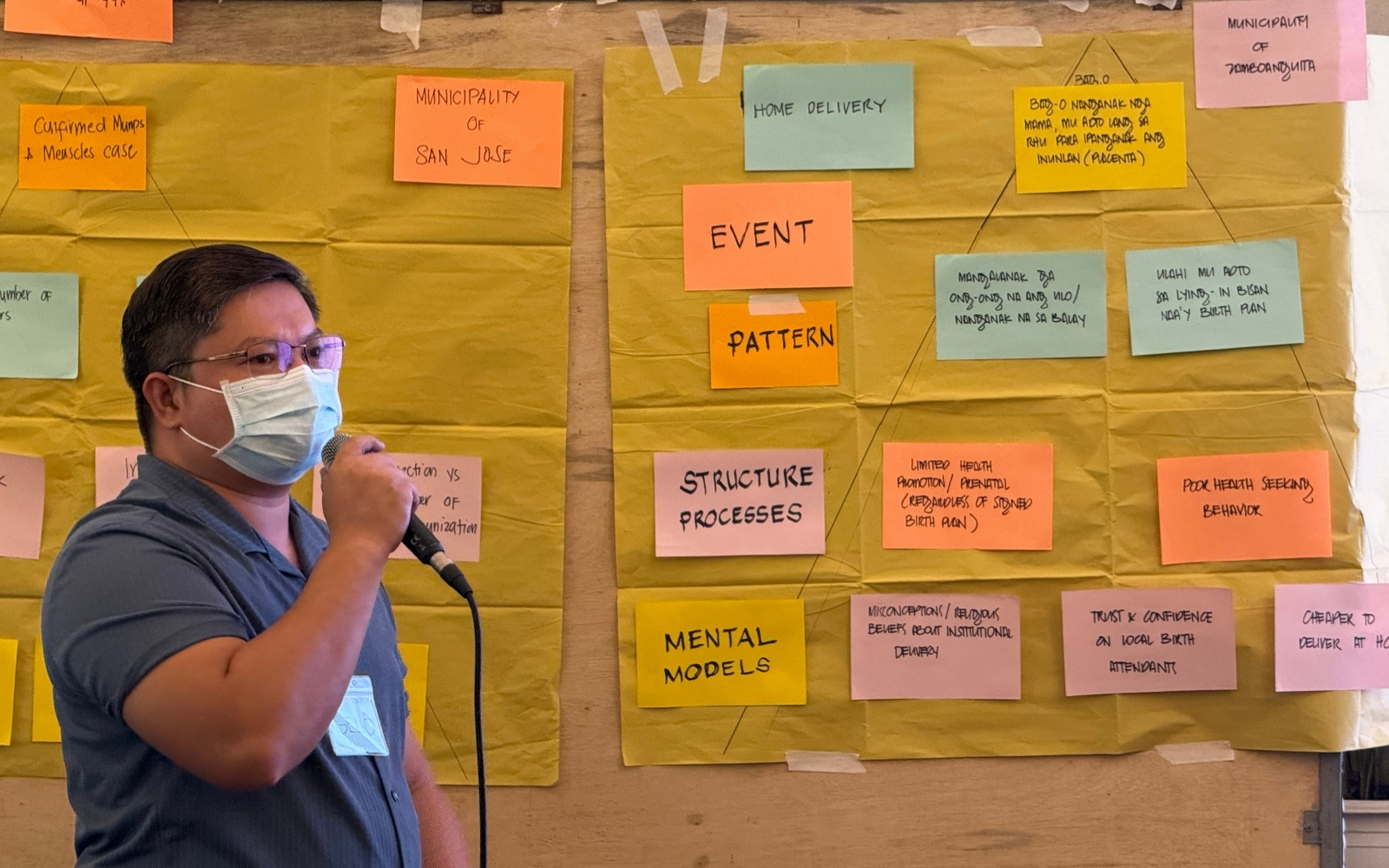 Photo above: A participant walks through their group’s systems thinking model, illustrating the interconnected health challenges and systemic bottlenecks their municipality must navigate to expand health access.
The workshop was structured around three core dimensions: Head, Heart, and Hand.
- Head (Realization): Leaders gained a deeper awareness of systemic bottlenecks. As one participant noted, “What is easy is clear—but the “how” is difficult.” They recognized that achieving health equity requires moving beyond individual efforts to co-owning problems with their guiding coalition.
- Heart (Commitment): Empathy emerged as a central theme. Participants acknowledged that creativity, selflessness, and genuine love for service make the heavy work of bridging care gaps manageable. One leader summed it up: “Forget oneself, serve genuinely, and be accountable to the people we serve.”
- Hand (Action): Guided by the MLDP roadmap, teams co-created priority actions to dismantle health system barriers and accelerate UHC implementation in their respective municipalities.
Armed with renewed clarity, shared empathy, and concrete action plans, the seven municipal health teams returned to their communities ready to turn local leadership into lasting health transformation.
After the Law Is Passed: The Hard Work of Health Reform
Seven years after the Universal Health Care Act’s passage, Dr. Anthony Faraon, Chief of Party of The Challenge Initiative (TCI)-Philippines at Zuellig Family Foundation, argues that the real challenge is no longer about passing new laws but understanding why existing policies falter at the local level. Drawing from the Jesse M. Robredo Foundation’s GoodGov Exchange Round Table Discussion last July 30, 2026, he emphasizes that meaningful reform requires bridging the gap between national mandates and the on-the-ground realities of local governments, health workers, and the Filipino families they serve.
—
I went to the GoodGov Exchange Round Table Discussion expecting to give a short presentation on strengthening local health systems. I ended up learning as much from the conversation that followed.
Around the table were eight members of the House of Representatives, many of them relatively young legislators. Earlier that morning, they had heard from the Department of Health about two persistent challenges: health facilities and our health workforce. My task was to share what we at Zuellig Family Foundation (ZFF) have learned from working with local governments, and what these experiences might mean for Universal Health Care (UHC).
I presented familiar realities: fragmented services, shortage of health workers, financing constraints, weak referral systems, and the different capacities of local government units (LGUs) to implement national policies.
But the more interesting part came after the slides.
The discussion moved from UHC implementation to malnutrition, the health workforce, hospitals and primary care, medicines and new technologies, and even whether some devolved health services should be returned to the national government.
Different issues, but one question kept coming back: Why do good policies sometimes struggle when they reach the ground?
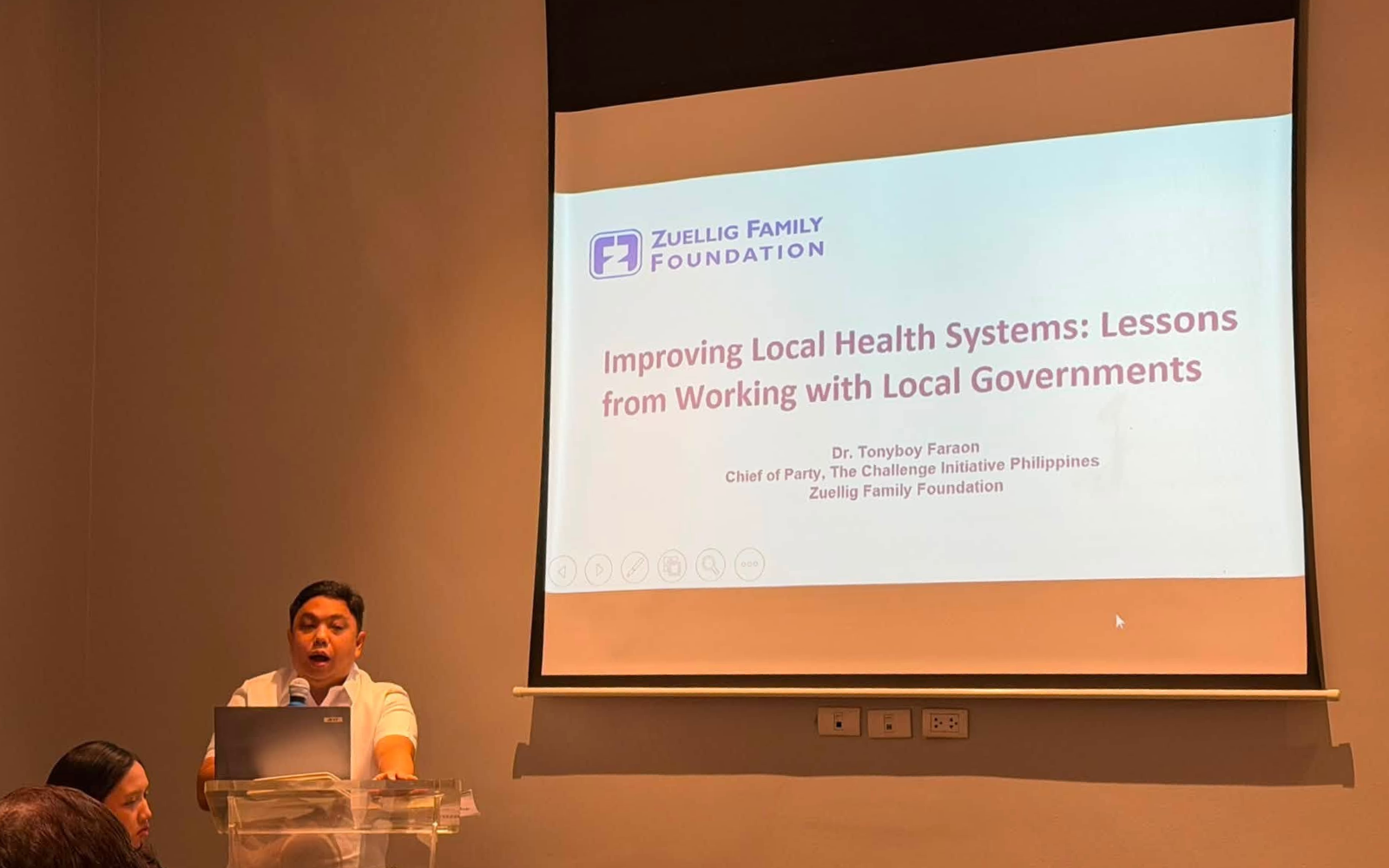 Photo above: Dr. Faraon shares lessons from the ZFF’s work with LGUs on strengthening health systems.
Seven years of UHC: what have we learned?
The UHC Act gave the country a strong framework for reform. Seven years after its passage, however, implementation remains uneven.
We see this in our work with LGUs. Some local governments have moved much further in integrating their health systems, strengthening primary care, using data, and mobilizing resources. Others continue to struggle with workforce shortage, financing, referrals, and governance.
Perhaps the UHC conversation now needs to move beyond asking, “What new law do we need?” We should also ask, “What have we learned from implementing the law we already have?”
There may be provisions Congress needs to revisit. But any amendments should be informed by what governors, mayors, health officers, frontline workers, and patients are actually experiencing.
Sometimes the problem is the law. Sometimes it is the implementing rules or financing. And sometimes local institutions simply do not yet have the capacity to do what national policy expects of them.
Knowing the difference matters.
The learning crisis may begin before school
One discussion that particularly stayed with me was malnutrition.
Despite the First 1,000 Days Law, stunting remains disturbingly high. Recent national data cited by the Second Congressional Commission on Education (EDCOM 2) showed that 25.3 percent of Filipino children under five are stunted, roughly one in four, and that the rate had increased for the first time in a decade.
This should concern not only those working in health and nutrition. It should concern everyone working in education.
EDCOM 2 has highlighted how poor nutrition in early childhood affects children’s readiness and ability to learn. We often discuss the learning crisis in terms of classrooms, teachers, textbooks, and curriculum. All are important. But some children arrive at school already disadvantaged by what happened, or failed to happen, during pregnancy and their first two years of life.
Health, nutrition, and education cannot be treated as separate problems when they converge in the same child.
 Photo above: A rural health unit staff member conducts a check-up on an infant, a critical primary care service for early detection of malnutrition and other health issues.
We don’t just need more health workers
The usual health workforce conversation focuses on numbers: How many doctors, nurses, and midwives do we lack?
But our discussion went further. We also need to ask where health workers are located, whether their competencies match population needs, what they are legally allowed to do, and whether our different professional laws work together as a coherent health workforce policy.
The laws governing medicine, nursing, midwifery, and other professions were enacted at different times and developed largely within their respective professions. Perhaps it is time to examine them together.
Could a comprehensive review, or even an omnibus health workforce framework, address outdated or conflicting provisions and clarify task sharing, career pathways, deployment, and emerging roles in primary care?
This is not about lowering professional standards. It is about asking whether our regulatory framework still matches the health system we are trying to build.
Hospitals matter, but so does what happens before the hospital
There will always be pressure to build and upgrade hospitals. Understandably so. People can see a new hospital and immediately recognize the government’s investment in health.
But UHC cannot be built around hospitals alone.
For most Filipinos, the health system should begin much closer to home: the health center, barangay health station, or primary care provider.
That is where children should receive vaccines, women should have access to family planning and maternal care, hypertension and diabetes should be detected early, malnutrition should be identified, and common illnesses should be managed before they become emergencies.
So yes, let us continue improving hospitals. But we should be equally serious about strengthening the front door of the health system.
A new facility without enough health workers, medicines, diagnostics, information systems, or a working referral network is not yet a functioning primary care system.
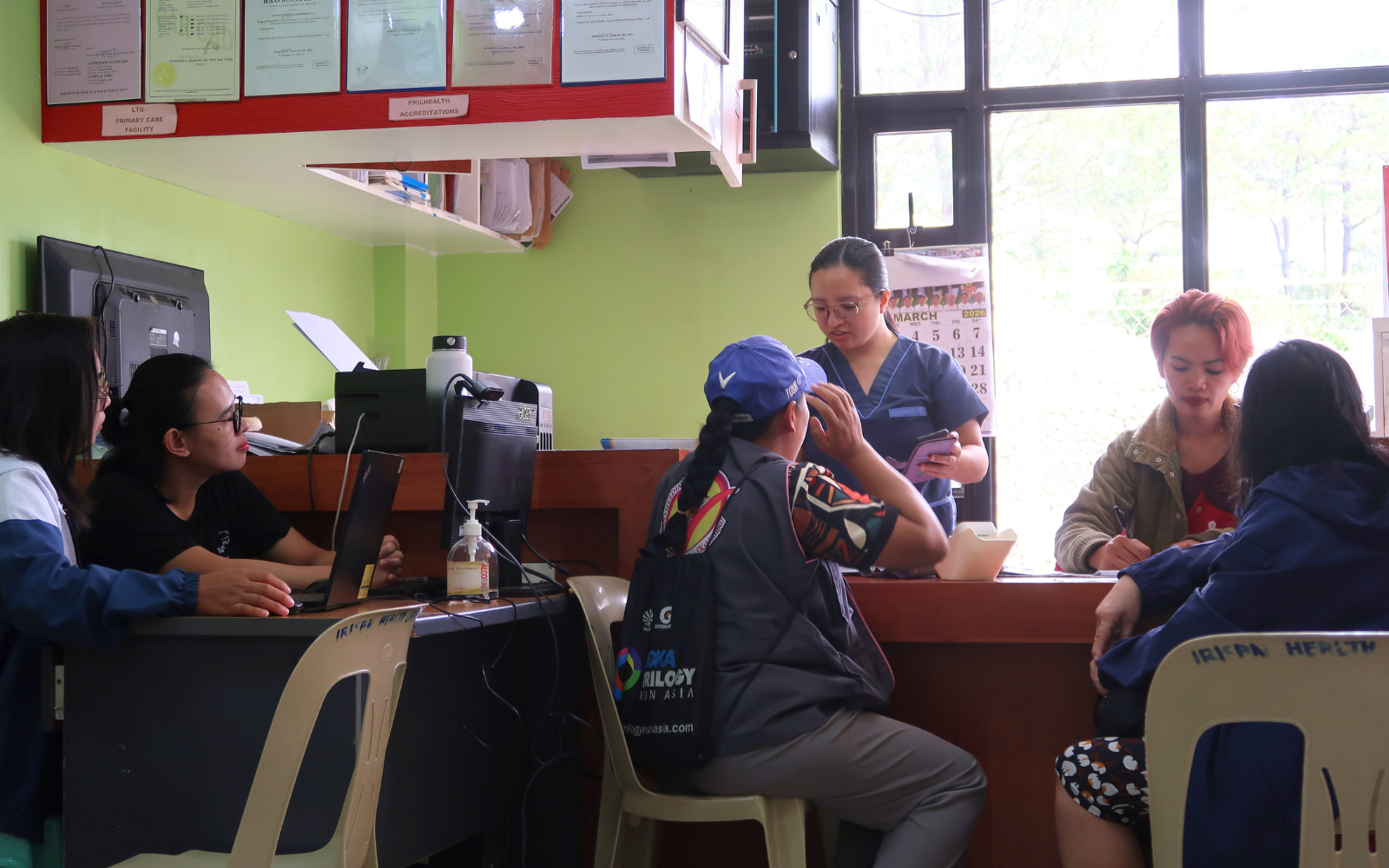 Photo above: Barangay health workers assist with patient registration at a primary care facility.
Innovation must eventually reach the patient
Our conversation on medicines raised another difficult question: How can Filipinos gain earlier access to innovative medicines and technologies while ensuring rational use, affordability, and value for limited public resources?
We need to look at the whole pathway: FDA regulation, health technology assessment, formulary decisions, procurement, financing, and ultimately whether the medicine reaches the patient.
Innovation and rational use need not be opposing goals. We need institutions capable of evaluating new technologies rigorously but efficiently. When something provides meaningful benefit and value, the health system should be able to make it accessible beyond those who can afford to pay out of pocket.
Congress can help by looking at where existing processes have become unnecessarily slow, fragmented, duplicative, or no longer fit for purpose.
National or local?
At one point, we discussed whether provincial hospitals and other devolved health services should simply be returned to the national government.
I understand the attraction. LGUs vary enormously in resources and management capacity.
But simply changing who owns a hospital will not automatically solve weak financing, management, or accountability.
Perhaps the better question is: What should the national government do, what should LGUs do, and what should they do together?
The UHC Act points toward integration, pooled financing, provider networks, and shared accountability. Before reversing devolution, we should understand why these mechanisms have not worked as well or as quickly as intended.
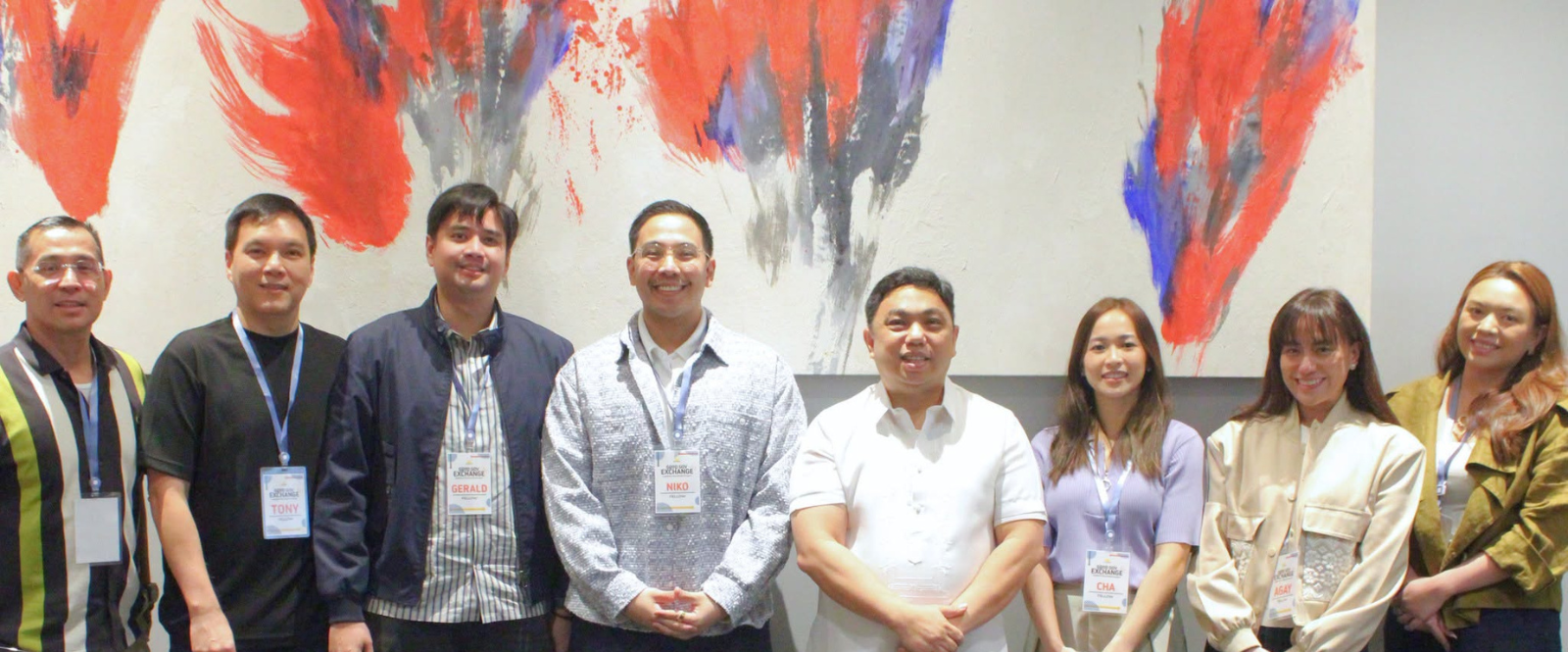 Photo above: Participants of the July 30 GoodGov Exchange round table discussion pose following a productive exchange on UHC implementation.
Where reform becomes real
I left the session encouraged, not because we agreed on everything. We didn’t. That was precisely what made the exchange worthwhile.
The legislators asked practical questions. They challenged assumptions. More importantly, they seemed interested not only in what another law could mandate, but in what happens after Congress passes one.
From years of working with local governments, we know that the better-performing LGUs are not necessarily the wealthiest. What often distinguishes them is committed leadership, functioning institutions, good use of data, strong partnerships, and the ability to translate resources into services people actually experience.
Congress has an important role in creating the laws, budgets, and incentives that make this possible. But local governments also have something valuable to offer Congress: evidence from implementation.
Perhaps we need more conversations where those two worlds meet.
Because Filipinos do not experience Universal Health Care through the text of a law.
They experience it when the health center is open, when a health worker is available, when a child receives the right nutrition and vaccines, when medicines are in stock, when referrals actually work, and when getting sick does not push a family into poverty.
That is where health reform becomes real.
Zuellig Family Foundation Showcases Philippine Health Leadership Innovation at TUFH 2026
The Zuellig Family Foundation (ZFF) proudly presented its research at the 2026 Towards Unity for Health (TUFH) Conference highlighting the Foundation’s commitment to strengthening local health systems and advancing Universal Health Coverage (UHC) in the Philippines.
Dr. Catherine A. Chung, ZFF Local Health Systems Director, delivered an oral presentation on the study, “Provincial Leadership and Governance Program: A Public-Private Collaboration Model for Local Health Systems Strengthening towards Universal Health Coverage in the Philippines.” The research showcased how strategic collaboration among local government units, the private sector, and national partners has strengthened leadership and governance, contributing to more resilient and responsive local health systems.
Related articles:
- Zuellig Family Foundation’s Provincial Leadership and Governance Program Featured in 2025 Voluntary National Review
- PRESENTATION: Provincial Leadership and Governance Program: A Public-Private Collaboration Model for Local Health Systems Strengthening Towards Universal Health Coverage in the Philippines
The presentation shared key lessons from the Provincial Leadership and Governance Program, emphasizing the importance of investing in local leadership, fostering multisectoral partnerships, and providing sustained coaching and technical assistance to enable meaningful health system transformation.
Participation in TUFH 2026 provided an opportunity for ZFF to exchange knowledge with global health leaders, researchers, and practitioners from 37 countries committed to improving health equity and strengthening health systems worldwide. The conference also served as a platform to share the Philippines’ experiences in advancing UHC through leadership and governance innovations.
ZFF extends its gratitude to its partners from the Department of Health, PhilHealth, local government units, academic institutions, and development partners whose collaboration continues to drive meaningful and sustainable improvements in health outcomes for Filipino communities.
Together, we continue to strengthen local leadership, build resilient health systems, and accelerate the journey toward UHC.
View the poster below:
Amagen Tako: Benguet Health Leaders Strengthen Collaboration for Sustainable Universal Health Care
Okak (mine or my responsibility), oka tako (ours or our shared responsibility), amagen tako (let’s do it together).
These local expressions, shared by Dr. Hydre Nga-ew, Municipal Health Officer of Kibungan, Benguet, captured the essence of Bridging Leadership: moving from individual ownership to shared ownership and collective action. The reflections echoed the central message of the Bayang Malusog Leadership and Governance Program (BMLGP) Module 2: achieving Universal Health Care (UHC) requires leaders who can unite teams, communities, and stakeholders around a common vision.
Photo above: Kapangan municipal health team, together with Mayor Harris Dizon (third from the right), reviews the municipality’s health system performance.
Related articles:
- The Universal Health Care Journey in Benguet and Baguio: Celebrating Gains, Navigating Hurdles
- From an Empathy-Driven Learning Visit to a Stronger Commitment to Health
- From Data to Dignity: How a Bedside Visit in Kibungan, Benguet Changed a Mayor’s Approach to Universal Health Care
The Zuellig Family Foundation facilitated the module last July 23–24, 2026 in Baguio City for the municipal health teams of Kapangan and Kibungan, Benguet. Representatives from the Benguet Provincial Department of Health (DOH) Office, as well as Kapangan Mayor Harris Dizon participated in the activity, demonstrating strong local and provincial support for advancing health leadership and governance.
Building on the Bridging Leadership framework introduced in Module 1, participants reflected on their leadership practicum experiences, celebrated early wins, and examined persistent challenges in delivering primary health care. Through interactive sessions, they explored strategies for engaging communities, strengthening team dynamics, navigating conflict, and institutionalizing multisectoral partnerships that support responsive, people-centered health systems.
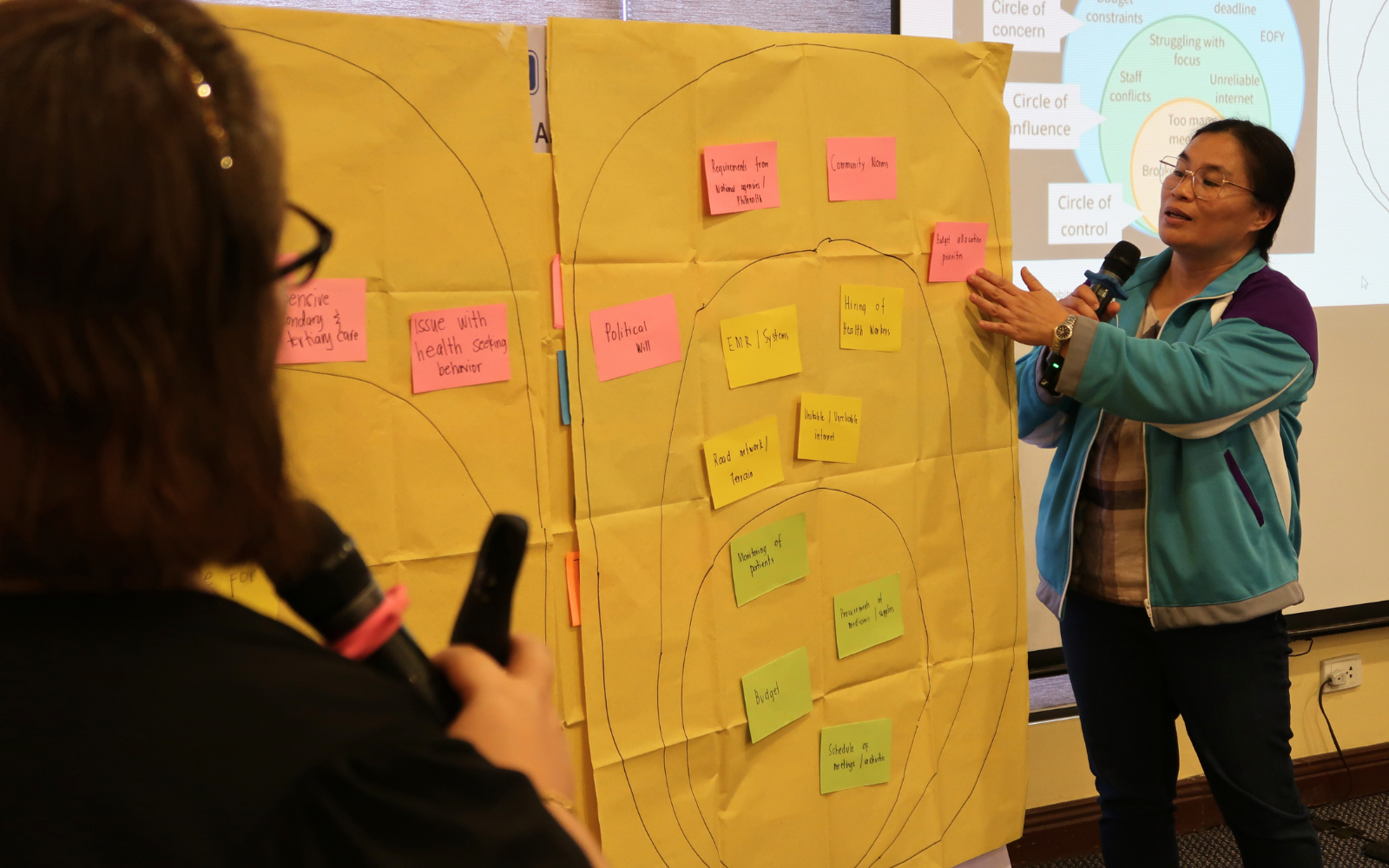 Photo above: Participants present their Circles of Concern, Influence, and Control group output, reflecting on areas where they can lead change to strengthen local health systems.
During the reportback sessions, the municipalities shared their local health realities. Kapangan identified noncommunicable diseases (NCD), particularly hypertension, as its leading health concern. Community participation, integrated service delivery, and medicine availability have enabled better NCD services, while limited human resources, insufficient funding, the absence of dedicated NCD policies, and patient compliance remain key challenges.
Meanwhile, Kibungan reported pneumonia as its leading cause of morbidity, while cancer, cardiovascular disease, and undetermined natural causes accounted for the highest mortality. The municipality cited DOH support for health workforce augmentation, increased health financing through PhilHealth, and committed health workers as important enablers. However, limited medicine coverage and the high cost of maintaining electronic medical records continue to affect service delivery.
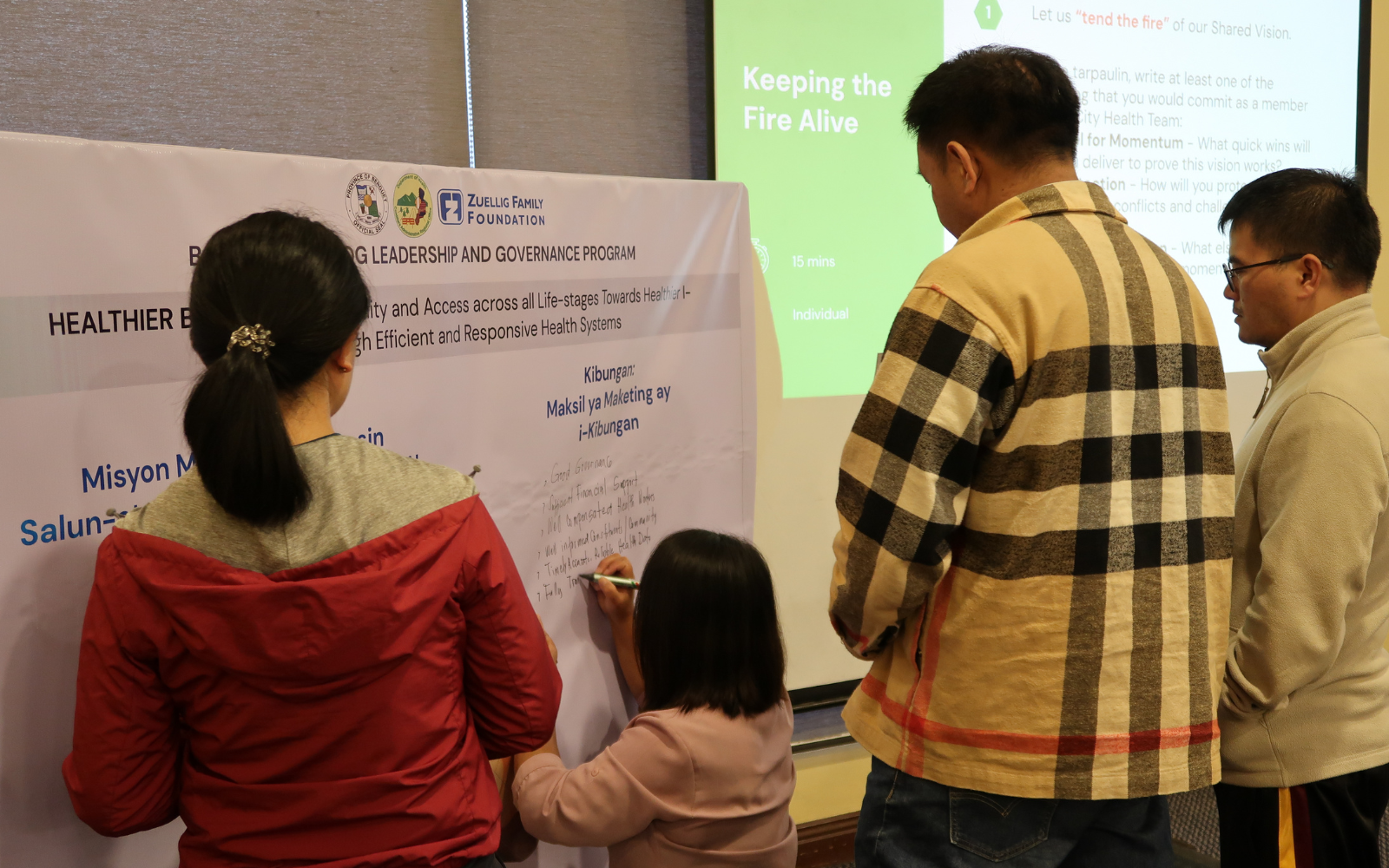 Photo above: Kibungan municipal health team shares strategies for keeping the “fire” of their shared vision alive.
Throughout the two-day learning session, participants noted that effective leadership goes beyond fulfilling individual roles. They recognized the importance of understanding community concerns, collaborating across sectors, and encouraging others to take ownership of a shared vision. They also reflected on conflict as an opportunity for learning and stronger collaboration rather than an obstacle to progress.
Dr. Mary Joy Fermin, former Municipal Health Officer of Kapangan, underscored that achieving better health outcomes requires strong leadership, collaboration, continuous learning, people-centered approaches, and sustained delivery of services. Participants likewise committed to becoming more accommodating leaders, stronger team players, and catalysts for change in their respective municipalities.
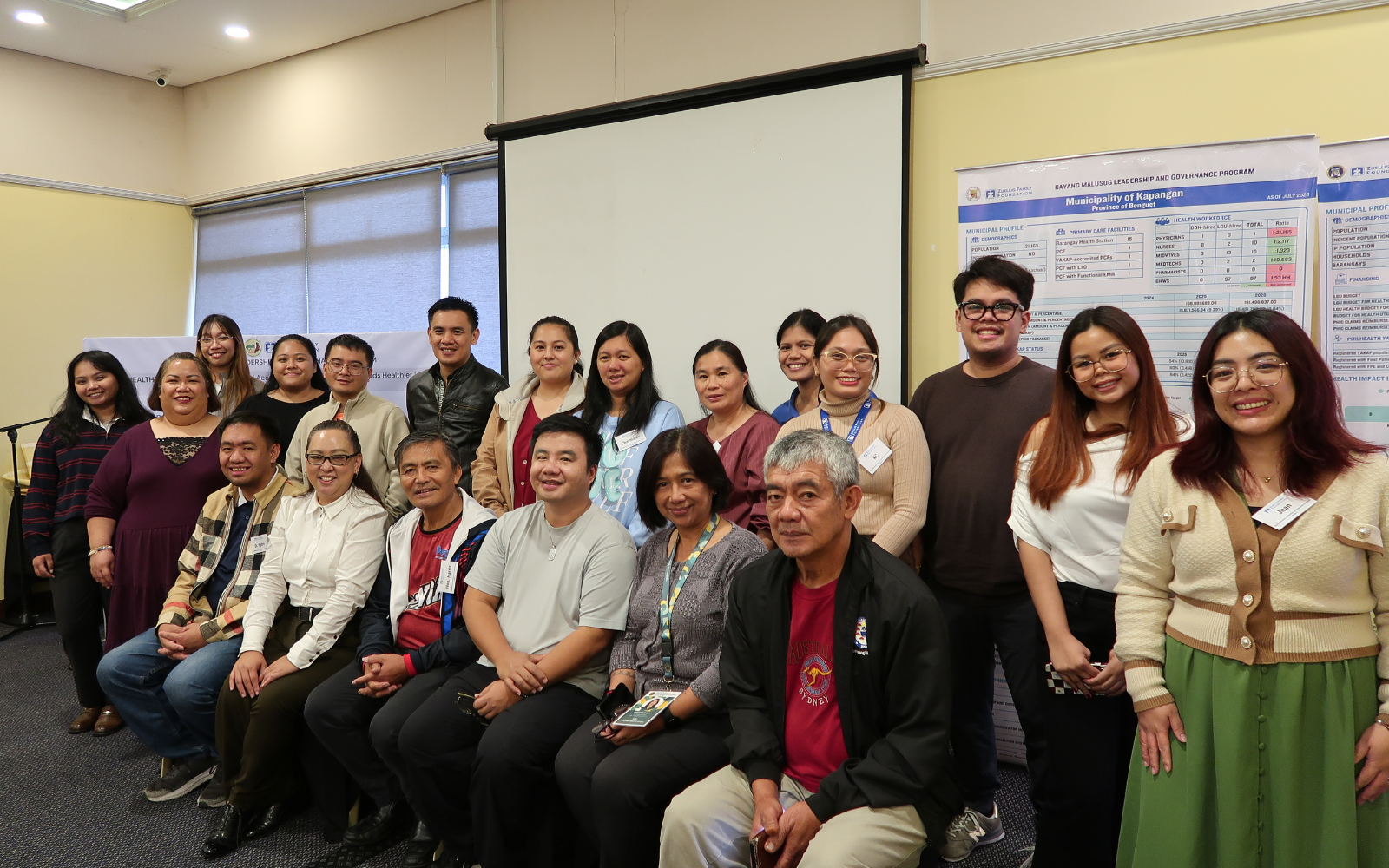
Towards the end of the activity, Dr. Andrew Chamson Bacuso of the Benguet Provincial DOH Office, encouraged participants to strengthen collaboration, innovate with purpose, and embrace servant leadership as they continue advancing UHC in their communities. As reflected in the words okak, oka tako, and amagen tako, sustainable health systems are built through shared ownership, collective action, and co-creation with the communities they serve.
A Leader’s Promise to Address Teenage Pregnancy in Oquendo, Calbayog City
Stories of transformation, collaboration, and courageous leadership took center stage during the Barangay Expanded Youth Leadership and Governance Program (BEYLGP) Colloquium in Calbayog City, Samar, where barangay officials, health workers, city government representatives, and development partners gathered to celebrate the progress of communities committed to addressing adolescent pregnancy through local governance.
Among these leaders was Punong Barangay Michael Loberiano of Barangay Oquendo, whose personal journey would later become one of the colloquium’s most compelling narratives.
Related articles:
- Strengthening Families through Playful Parenting: Masayang Pamilya Graduation held in Calbayog City
- Youth and Local Leaders Join Forces to Prevent Teen Pregnancies in Samar
Hosted with the support of the United Nations Population Fund (UNFPA), the Zuellig Family Foundation (ZFF), and the City Government of Calbayog, the colloquium served as a culminating platform for partner barangays to showcase their journey in implementing evidence-based interventions that empower adolescents and strengthen community support systems. The event opened with a welcome message from City Health Officer Dr. Sylvia De Guzman, followed by a message of support from Dr. Dorie Lyn Balanoba, ZFF-UNFPA Partnerships Program Director. Both emphasized that creating healthier communities requires sustained collaboration among local governments, health systems, schools, families, and young people themselves.
A highlight of the colloquium was the Public Narrative Session, where community leaders shared personal stories reflecting how the BEYLGP has transformed not only their programs but also their perspectives on adolescent health. Among the presentations was that of Punong Barangay Loberiano, whose heartfelt narrative captured the essence of ZFF’s Bridging Leadership approach.
Speaking before fellow barangay officials, city officials, health professionals, and development partners, he reflected on his experiences growing up in a simple community where hardship was common. Yet, nothing affected him more deeply, he admitted, than witnessing adolescents become parents before they had the opportunity to pursue their dreams.
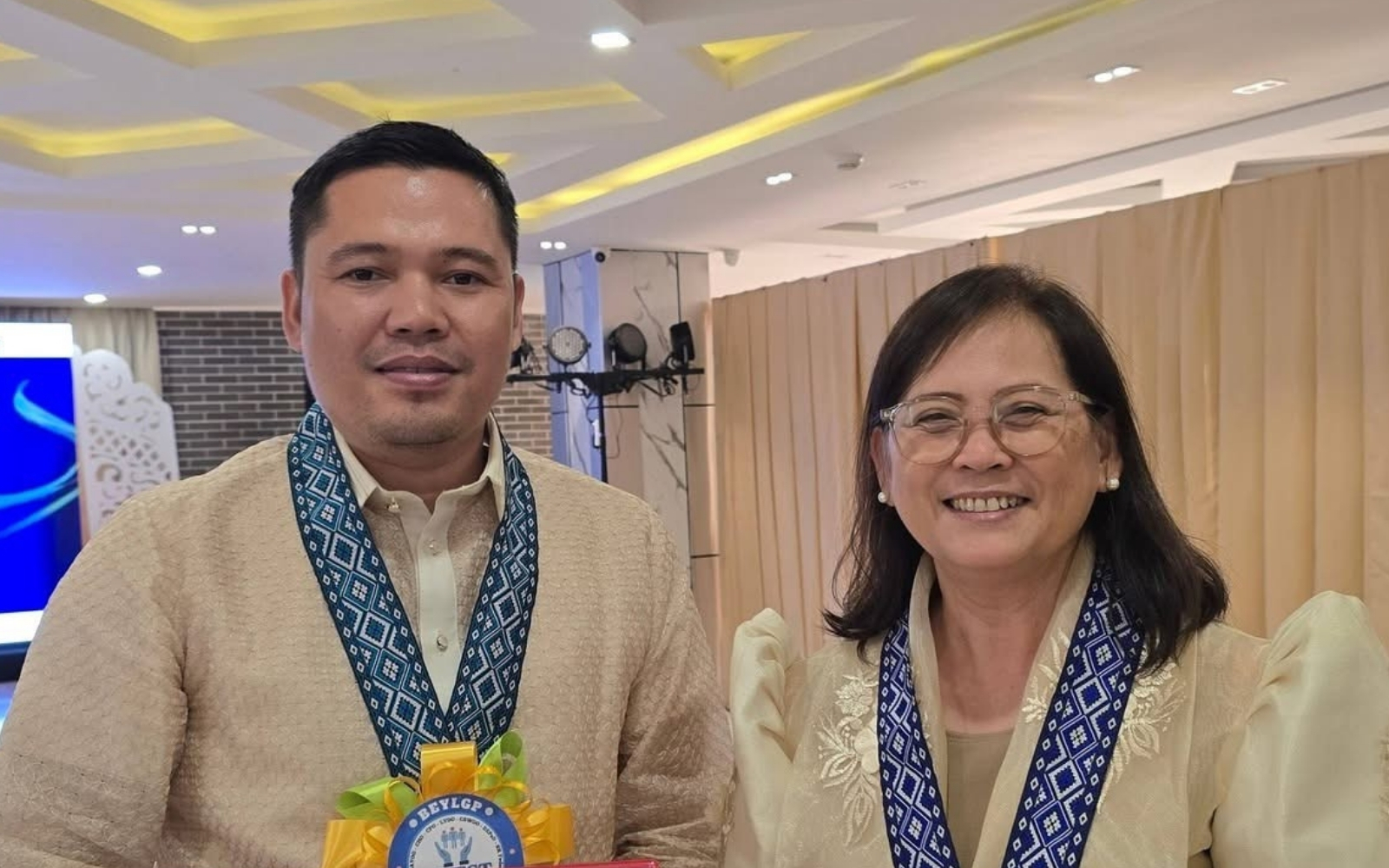 Photo above: Punong Barangay Loberiano of Oquendo, Calbayog City shares a moment with Dr. Dorie Lyn Balanoba, ZFF-UNFPA Partnerships Program Director, whose support through BEYLGP helped strengthen the barangay’s response to adolescent pregnancy.
He recalled seeing young girls leave school to assume the responsibilities of motherhood and young boys abandon their education to provide for families they were not yet prepared to raise. These realities, he shared, opened his eyes to the far-reaching consequences of adolescent pregnancy—not only for individual families but for the future of the entire community.
“Sa bawat batang nawalan ng pangarap, sa bawat pamilyang nadagdagan ang pasanin, at sa bawat kabataang naputulan ng direksyon, unti-unti kong naramdaman ang bigat ng problemang ito—hindi lamang bilang lider, kundi bilang tao.”
Loberiano acknowledged that there was a time when teenage pregnancy seemed like an accepted reality in many communities. However, witnessing increasing school dropouts, worsening poverty, and interrupted opportunities among young people compelled him to rethink that perspective. Through his participation in BEYLGP, he realized that preventing adolescent pregnancy is not the responsibility of the barangay alone but of the entire community.
Guided by this realization, Barangay Oquendo strengthened its local response by implementing a Barangay Action Plan, enhancing youth-friendly services, and forging stronger partnerships with schools, parents, health workers, faith-based organizations, and other community stakeholders. Schools became venues for reproductive health education, life skills sessions, and referral mechanisms that allowed adolescents to access appropriate services without fear or stigma. Parents participated in empowerment sessions that encouraged open communication with their children, while young people themselves became active champions through peer education initiatives, leadership camps, and advocacy activities.
For Loberiano, these collective efforts demonstrated that sustainable change is only possible when every sector shares ownership of the solution. He concluded his narrative by reaffirming his commitment to continue championing programs that protect young people and provide them with opportunities to thrive.
“Naniniwala ako na kung sama-sama tayong kikilos, kaya nating bawasan—at kalaunan, tuluyang mapigil—ang teenage pregnancy sa ating barangay. Bilang Punong Barangay, mananatili akong tapat sa aking paninindigan na protektahan ang ating kabataan at lumikha ng mga programang may direksyon at malasakit.”
The colloquium also featured an EYLGP video presentation, a panel discussion with Sangguniang Kabataan leaders from participating barangays, and a keynote message from Calbayog City Mayor Raymund Uy.
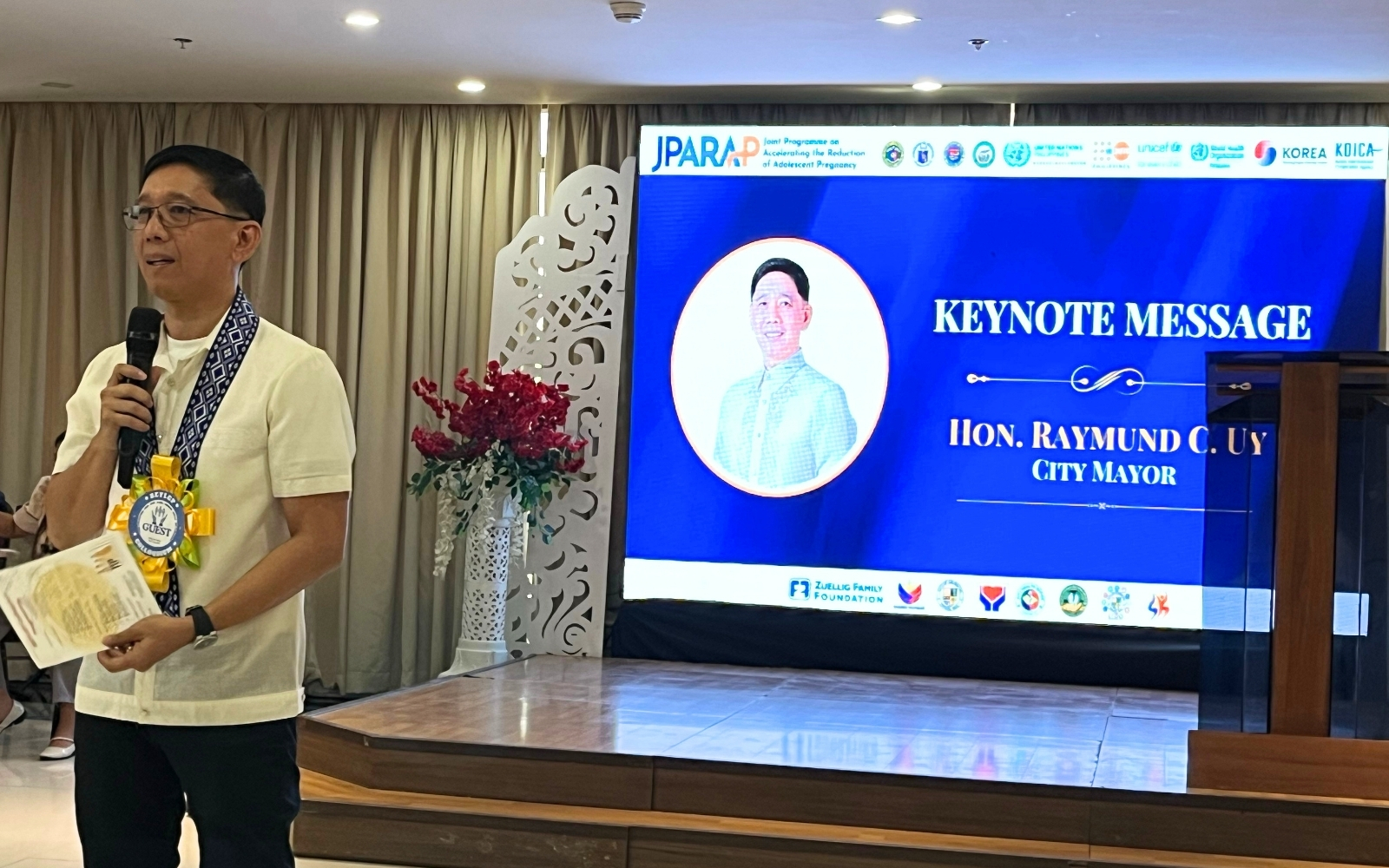 Photo above: Calbayog City Mayor Raymund Uy addresses barangay leaders and development partners during the colloquium, highlighting the city’s continued support for programs that protect young people and secure their futures.
More than a venue for presenting accomplishments, the BEYLGP Colloquium became a celebration of communities that have chosen to confront difficult realities with compassion, innovation, and shared accountability. Indeed, the future of every barangay lies in the dreams of its young people. Through the continued partnership of local governments, health workers, educators, parents, and the youth themselves, the BEYLGP continues to demonstrate that protecting those dreams is not only possible, but a responsibility shared by all.